Abdel-Mohsen O. Mohamed - Böcker
Fundamentals of Geoenvironmental Engineering
Understanding Soil, Water, and Pollutant Interaction and Transport
1 446 kr
Skickas inom 7-10 vardagar
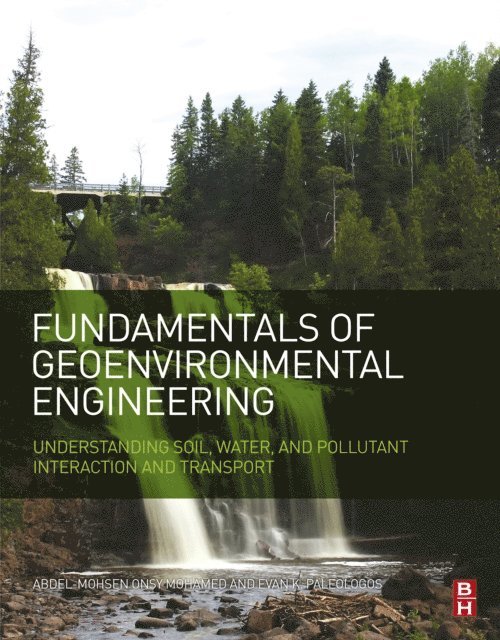
Fundamentals of Geoenvironmental Engineering: Understanding Soil, Water, and Pollutant Interaction and Transport examines soil-water-pollutant interaction, including physico-chemical processes that occur when soil is exposed to various contaminants. Soil characteristics relevant to remedial techniques are explored, providing foundations for the correct process selection. Built upon the authors' extensive experience in research and practice, the book updates and expands the content to include current processes and pollutants. The book discusses propagation of soil pollution and soil characteristics relevant to remedial techniques. Practicing geotechnical and environmental engineers can apply the theory and case studies in the book directly to current projects.
The book first discusses the stages of economic development and their connections to the sustainability of the environment. Subsequent chapters cover waste and its management, soil systems, soil-water and soil-pollutant interactions, subsurface transport of pollutants, role of groundwater, nano-, micro- and biologic pollutants, soil characteristics that impact pollution diffusion, and potential remediation processes like mechanical, electric, magnetic, hydraulic and dielectric permittivity of soils.
Presents a clear understanding of the propagation of pollutants in soils Identifies the physico-chemical processes in soils Covers emerging pollutants (nano-, micro- and biologic contaminants) Features in-depth coverage of hydraulic, electrical, magnetic and dielectric permittivity characteristics of soils and their impact on remedial technologiesPollution Assessment for Sustainable Practices in Applied Sciences and Engineering
1 678 kr
Skickas inom 7-10 vardagar
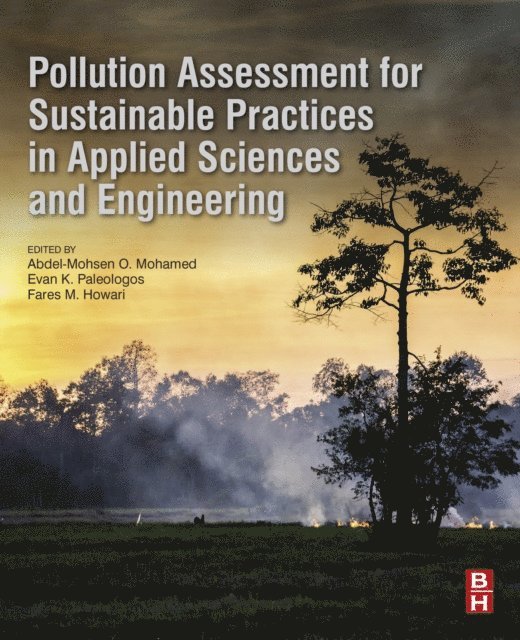
Pollution Assessment for Sustainable Practices in Applied Sciences and Engineering provides an integrated reference for academics and professionals working on land, air, and water pollution. The protocols discussed and the extensive number of case studies help environmental engineers to quickly identify the correct process for projects under study.
The book is divided into four parts; each of the first three covers a separate environment: Geosphere, Atmosphere, and Hydrosphere. The first part covers ground assessment, contamination, geo-statistics, remote sensing, GIS, risk assessment and management, and environmental impact assessment. The second part covers atmospheric assessment topics, including the dynamics of contaminant transport, impacts of global warming, indoor and outdoor techniques and practice. The third part is dedicated to the hydrosphere including both the marine and fresh water environments. Finally, part four examines emerging issues in pollution assessment, from nanomaterials to artificial intelligence. There are a wide variety of case studies in the book to help bridge the gap between concept and practice.
Environmental Engineers will benefit from the integrated approach to pollution assessment across multiple spheres. Practicing engineers and students will also benefit from the case studies, which bring the practice side by side with fundamental concepts.
Provides a comprehensive overview of pollution assessment Covers land, underground, water and air pollution Includes outdoor and indoor pollution assessment Presents case studies that help bridge the gap between concepts and practiceSustainable Utilization of Carbon Dioxide in Waste Management
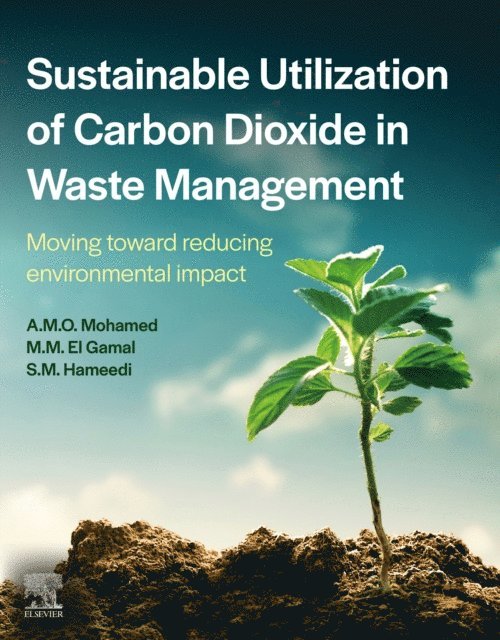
Moving Toward Reducing Environmental Impact
1 507 kr
Skickas inom 7-10 vardagar
Sustainable Utilization of Carbon Dioxide in Waste Management addresses all aspects of sustainable use of carbon dioxide in waste management processes and provides best practices and process improvements for carbon sequestration in the management of a variety of waste types, including carbide lime waste, construction waste, and reject brine effluents, amongst others. The book also provides underlying research on the environmental impacts of these wastes and the need for carbon capture to emphasize the importance and need for improvements of these processes. Overall, this information will be key to determining lifecycle benefits of CO2 for each newly improved waste process.
This is an important source of information for environmental and sustainability scientists and engineers, as well as academics and researchers in the field who should be trying to achieve increased carbon capture in any form of waste process to reduce environmental impact.
Introduces the basic principles of carbon sequestration by alkaline solid waste (cement kiln dust, steel slag, fly ash, and carbide lime wastes), detailing the lack of current sustainability Provides a comprehensive resource on carbon sequestration in a variety of waste processes and practical guidance on applying them to these processes Details the need for carbon capture in these processes and the environmental impacts of not doing so Outlines the methods for determining lifecycle benefits of CO2 for each newly developed productBio-polymerized Sulfur for Sustainable Practice in Applied Sciences and Engineering
1 495 kr
Skickas inom 7-10 vardagar
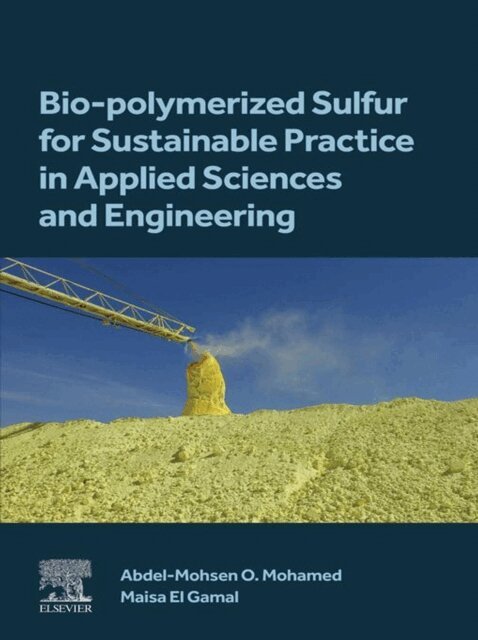
Bio-polymerized Sulfur for Sustainable Practice in Applied Sciences and Engineering explores innovative approaches in sustainable chemistry by leveraging renewable resources and sulfur as foundational elements for creating sustainable functional materials. The book highlights the potential of bio-polymeric materials derived from sulfur and renewable sources, offering new avenues for environmentally-friendly manufacturing. Additionally, the text delves into lifecycle assessment studies and the principles of a circular economy, emphasizing the importance of sustainability in modern engineering. The work emphasizes the criticality of sustainable practices, highlighting the intersection of bio-polymeric materials and circular economy principles, ultimately guiding the reader towards a more sustainable future.The book also presents an in-depth analysis of bio-polymerized sulfur's role in promoting sustainable development. It discusses how polymerized sulfur can be used to develop engineered products that align with sustainability goals.
Introduces the basic principles of bio and sulfur polymerizationOutlines the methods for conducting lifecycle assessment in the manufacturing of bio polymerized sulfur for use in waste management, agriculture, ground treatment, construction, road infrastructures, and in the production of high functional materialsContributes to the achievement of the UN Sustainable Development Goals1 749 kr
Skickas inom 7-10 vardagar