Abdoulaye Sounaye - Böcker
Visar alla böcker från författaren Abdoulaye Sounaye. Handla med fri frakt och snabb leverans.
2 produkter
2 produkter
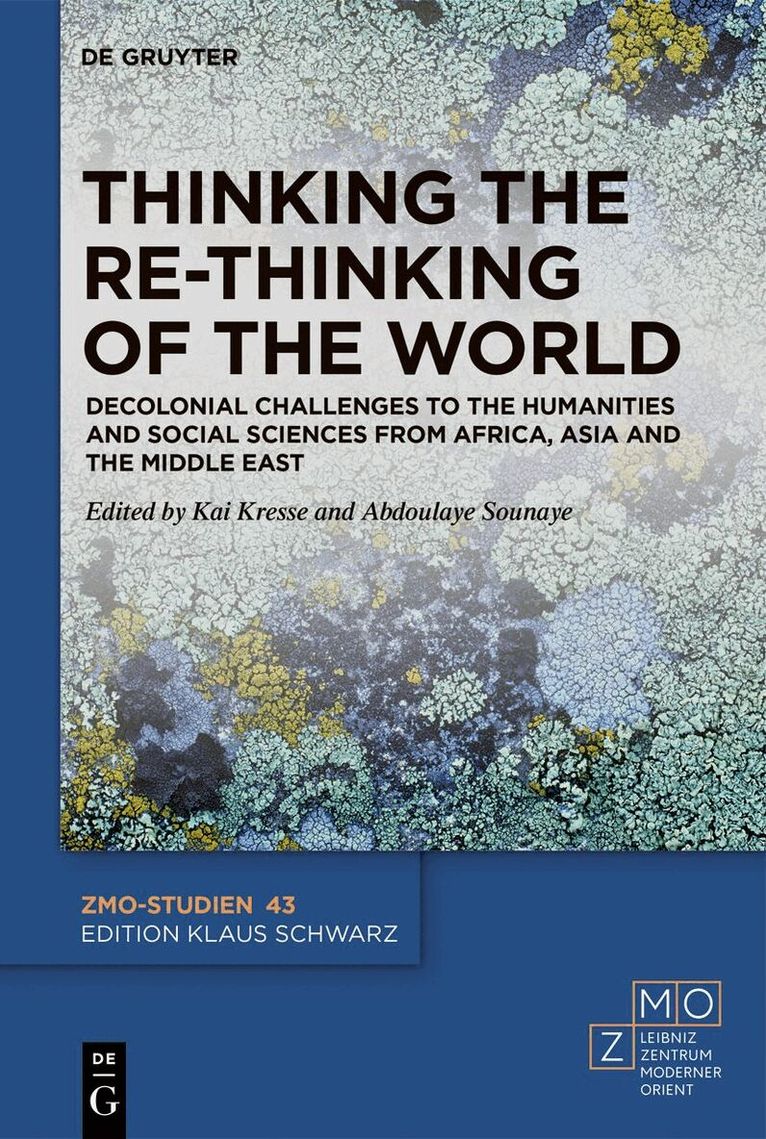
Thinking the Re-Thinking of the World
Decolonial Challenges to the Humanities and Social Sciences from Africa, Asia and the Middle East
Inbunden, Engelska, 2022
1 138 kr
Skickas inom 5-8 vardagar
As far too many intellectual histories and theoretical contributions from the ‘global South’ remain under-explored, this volume works towards redressing such imbalance. Experienced authors, from the regions concerned, along different disciplinary lines, and with a focus on different historical timeframes, sketch out their perspectives of envisaged transformations. This includes specific case studies and reflexive accounts from African, South Asian, and Middle Eastern contexts. Taking a critical stance on the ongoing dominance of Eurocentrism in academia, the authors present their contributions in relation to current decolonial challenges. Hereby, they consider intellectual, practical and structural aspects and dimensions, to mark and build their respective positions. From their particular vantage points of (trans)disciplinary and transregional engagement, they sketch out potential pathways for addressing the unfinished business of conceptual decolonization. The specific individual positionalities of the contributors, which are shaped by location and regional perspective as much as in disciplinary, biographical, linguistic, religious, and other terms, are hereby kept in view. Drawing on their significant experiences and insights gained in both the global north and global south, the contributors offer original and innovative models of engagement and theorizing frames that seek to restore and critically engage with intellectual practices from particular regions and transregional contexts in Africa, South Asia, and the Middle East. This volume builds on a lecture series held at ZMO in the winter 2019-2020
968 kr
Skickas inom 7-10 vardagar
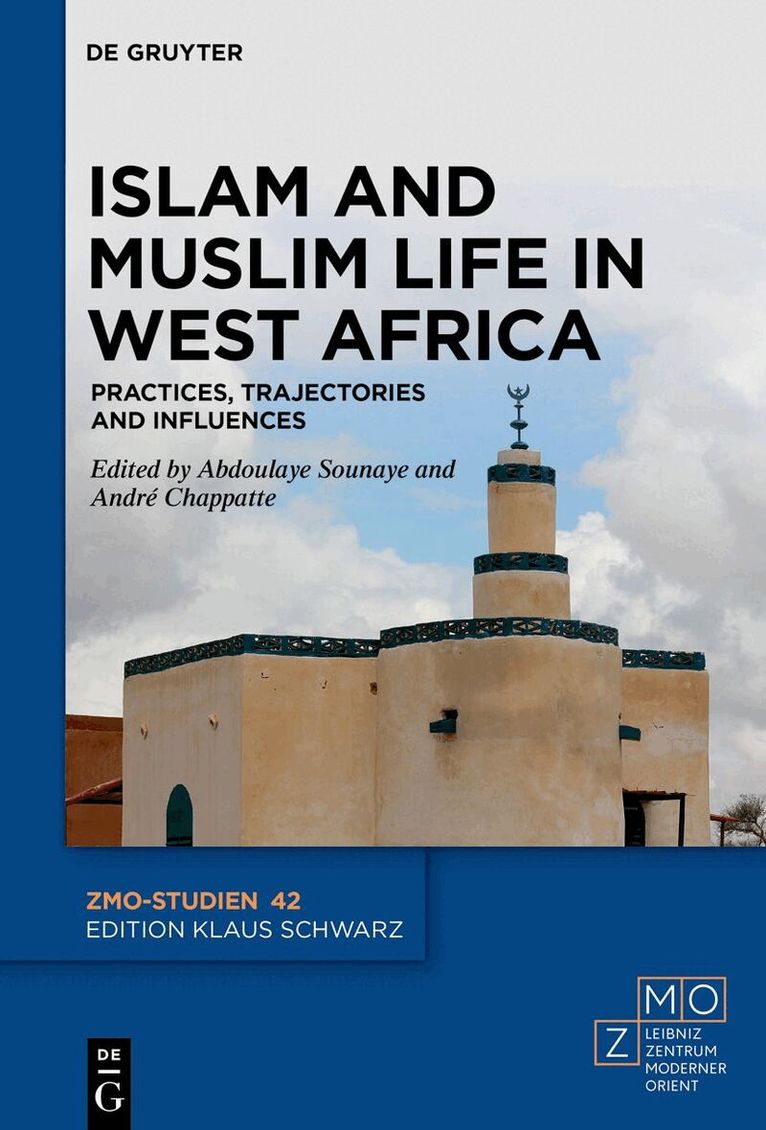
The book offers an examination of issues, institutions and actors that have become central to Muslim life in the region. Focusing on leadership, authority, law, gender, media, aesthetics, radicalization and cooperation, it offers insights into processes that reshape power structures and the experience of being Muslim. It makes room for perspectives from the region in an academic world shaped by scholarship mostly from Europe and America.