Abdul Sheriff – författare
Visar alla böcker från författaren Abdul Sheriff. Handla med fri frakt och snabb leverans.
7 produkter
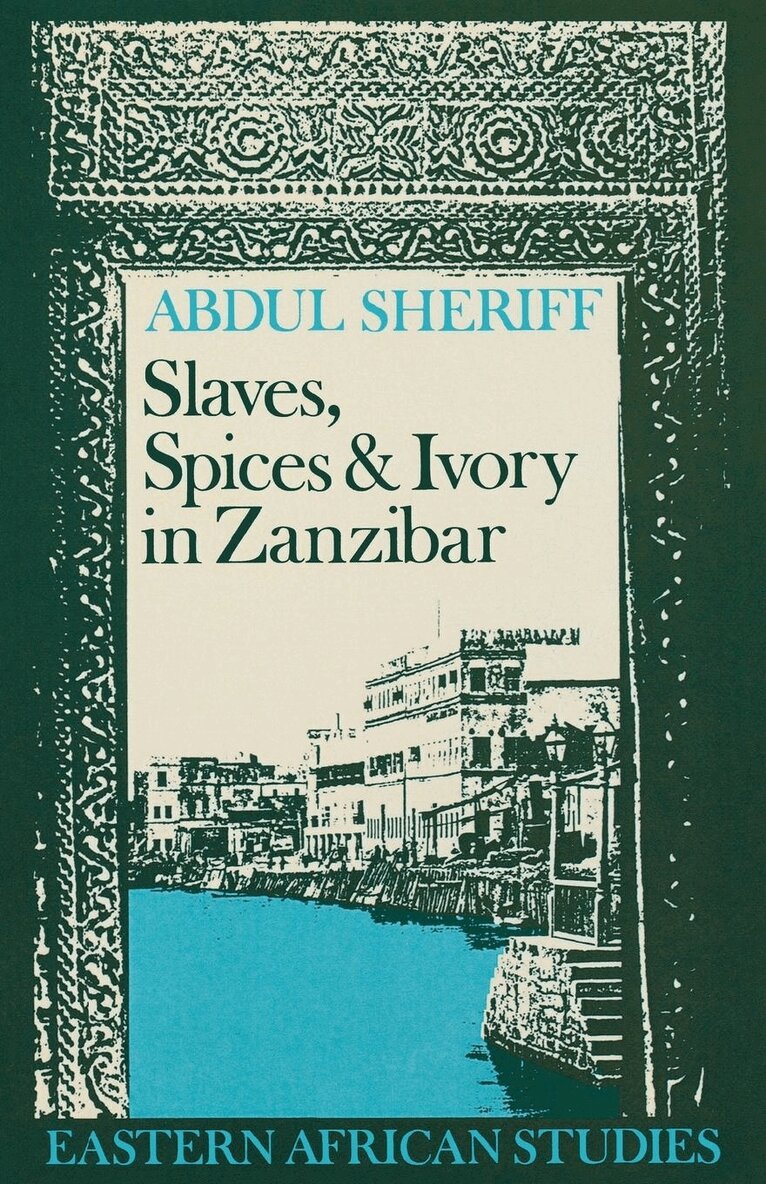
Slaves, Spices and Ivory in Zanzibar
Integration of an East African Commercial Empire Into the World Economy, 1770–1873
Häftad, 1987
399 kr
Lägg i varukorg
The rise of Zanzibar was based on two major economic transformations. Firstly slaves became used for producing cloves and grains for export. Previously the slaves themselves were exported.Secondly, there was an increased international demand for luxuries such as ivory. At the same time the price of …
Slaves, Spices and Ivory in Zanzibar
Integration of an East African Commercial Empire Into the World Economy, 1770–1873
E-bok, 1987
611 kr
Lägg i varukorg
The rise of Zanzibar was based on two major economic transformations. Firstly slaves became used for producing cloves and grains for export. Previously the slaves themselves were exported.Secondly, there was an increased international demand for luxuries such as ivory. At the same time the price of …
Slaves, Spices and Ivory in Zanzibar
Integration of an East African Commercial Empire into the World Economy, 1770-1873
Häftad, 1987
369 kr
Lägg i varukorg
Abdul Sheriff analyses the early stages of the underdevelopment of East Africa.The rise of Zanzibar was based on two major economic transformations: firstly, slaves became used for the production of cloves and grain for export, instead of the slaves themselves being exported; secondly there was an …
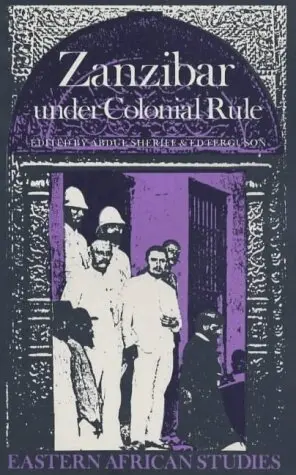
Zanzibar Under Colonial Rule
Häftad, 1991
369 kr
Lägg i varukorg
Follows on from the period covered in Abdul Sheriff's acclaimed Slaves, Spices and Ivory in Zanzibar.Zanzibar stands at the centre of the Indian Ocean system's involvement in the history of Eastern Africa. The first part of the book shows the transition of Zanzibar from the commercial economy of …
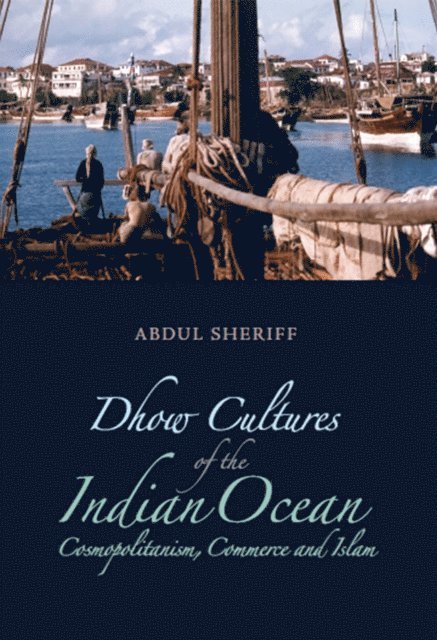
Dhow Cultures of the Indian Ocean
Cosmopolitanism, Commerce and Islam
E-bok, 2024
357 kr
Lägg i varukorg
The wooden dhow, with its characteristic lateen sail, is an appropriate icon for the early trading world of the Indian Ocean. It was based on free trade unhindered by monopolies or superpower domination and pre-dated ‘globalisation’ by thousands of years. It carried a motley crew of sailors, …
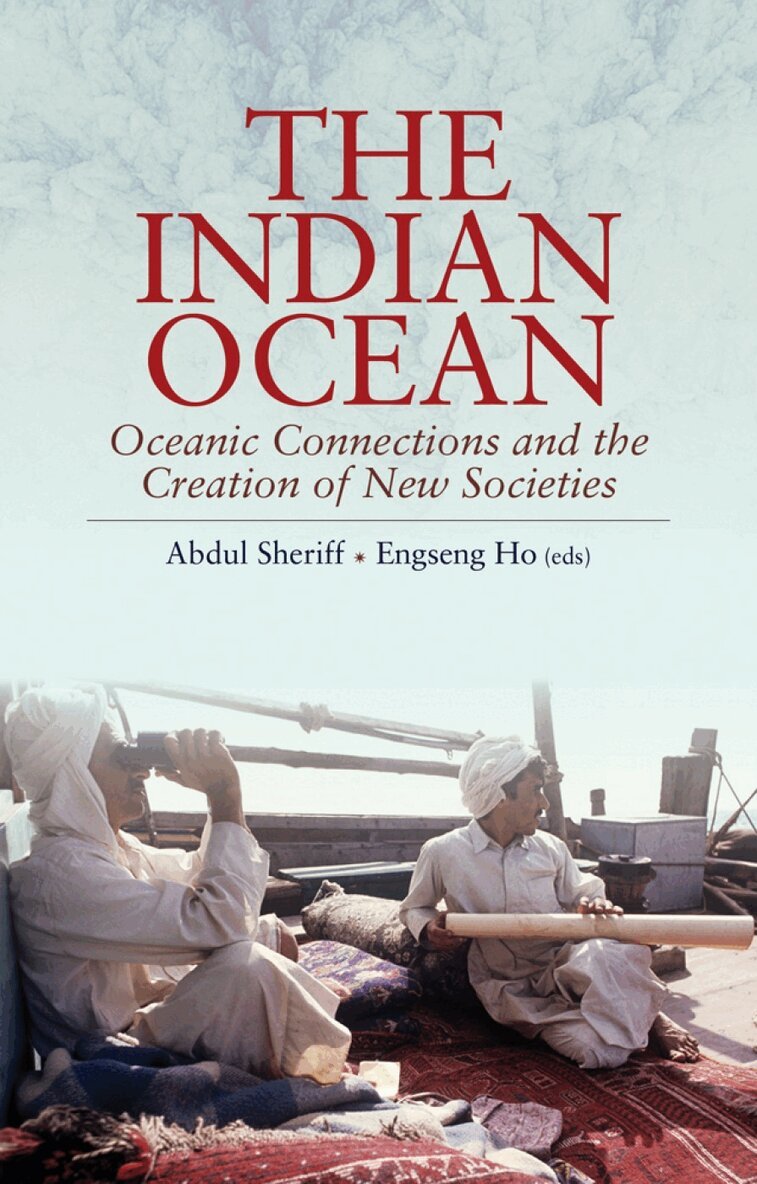
Indian Ocean
Oceanic Connections and the Creation of New Societies
Häftad, 2014
544 kr
Lägg i varukorg
The Indian Ocean was the first venue of global trade, connecting the Mediterranean and South China Sea. Inspired by the insights of Fernand Braudel, and by Michael Mollat, who saw it as 'a zone of encounters and contacts ...a privileged crossroads of culture,' this volume explores two inter-related …
Zanzibar Under Colonial Rule
Inbunden, 1991
929 kr
Tillfälligt slut
Zanzibar stands at the center of the Indian Ocean system's involvement in the history of Eastern Africa. This book follows on from the period covered in Abdul Sheriff's acclaimed Slaves, Spices and Ivory in Zanzibar.The first part of the book shows the transition of Zanzibar from the commercial …