Abdullah Hamidaddin - Böcker
Visar alla böcker från författaren Abdullah Hamidaddin. Handla med fri frakt och snabb leverans.
3 produkter
3 produkter
537 kr
Skickas inom 5-8 vardagar
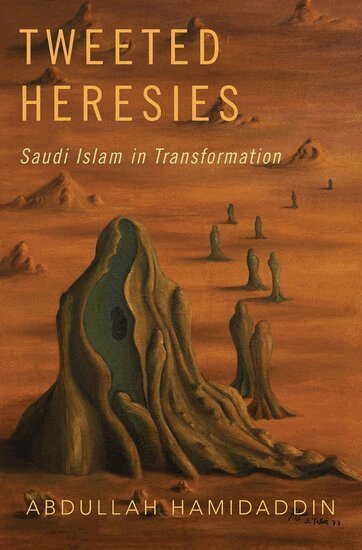
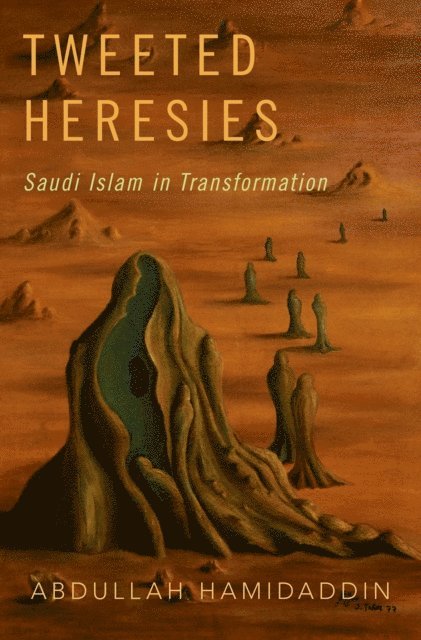
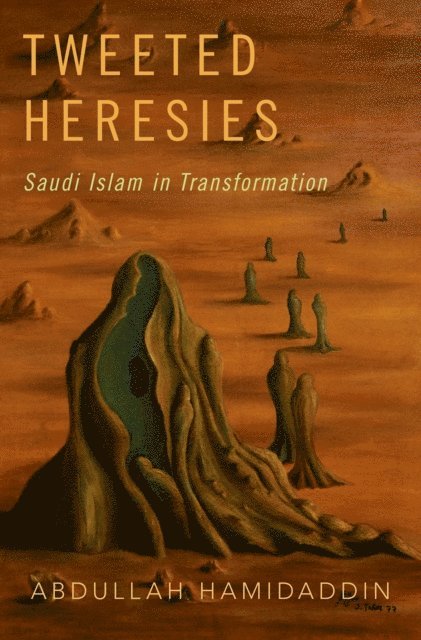
In recent years, an internal debate has arisen in Saudi Arabia on the legitimacy of Saudi religion and the foundations of Islam. Sparked by concerns such as the absence of divine intervention in the Syrian civil war, the question of the Muslim monopoly on heaven, and politically subversive differentiations between "Saudi religion" and Islam, the challenge within Saudi Arabia to religious orthodoxy has never been greater. Tweeted Heresies explores the emergence of these patterns of non-belief and the responses to them from the Salafi-Wahhabi religious institutions. Previous studies have focused on formal institutions and their role in religious change. Abdullah Hamidaddin focuses on individuals who took advantage of social media during a period of relative freedom of expression to criticize religion and question the most fundamental aspects of Saudi society: its politics, religion, social justice, gender and sexual relations, and the future of the country. These individuals mounted a direct challenge to religious orthodoxy, whether through calls for religious reform or, even more provocatively, debates over concepts of deity, morality, and duty to Allah. For the foreseeable future criticism is limited to virtual spaces, and the conversation was especially active on Twitter. Tweeted Heresies examines a large body of tweets, as well as interviews with Saudis about how their understanding and critique of religion have developed over the course of their lives. The result is a uniquely revealing portrait of an otherwise hidden current of religious change that promises to ultimately transform Saudi society.
1 039 kr
Skickas inom 10-15 vardagar
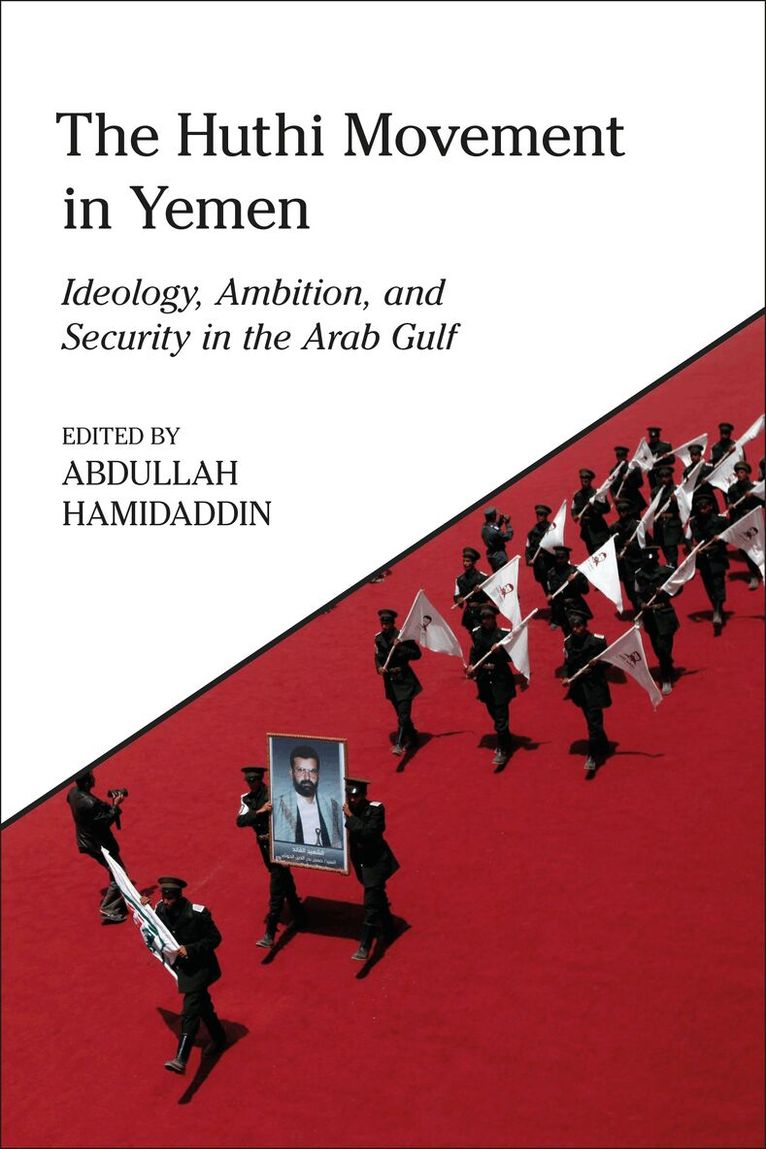
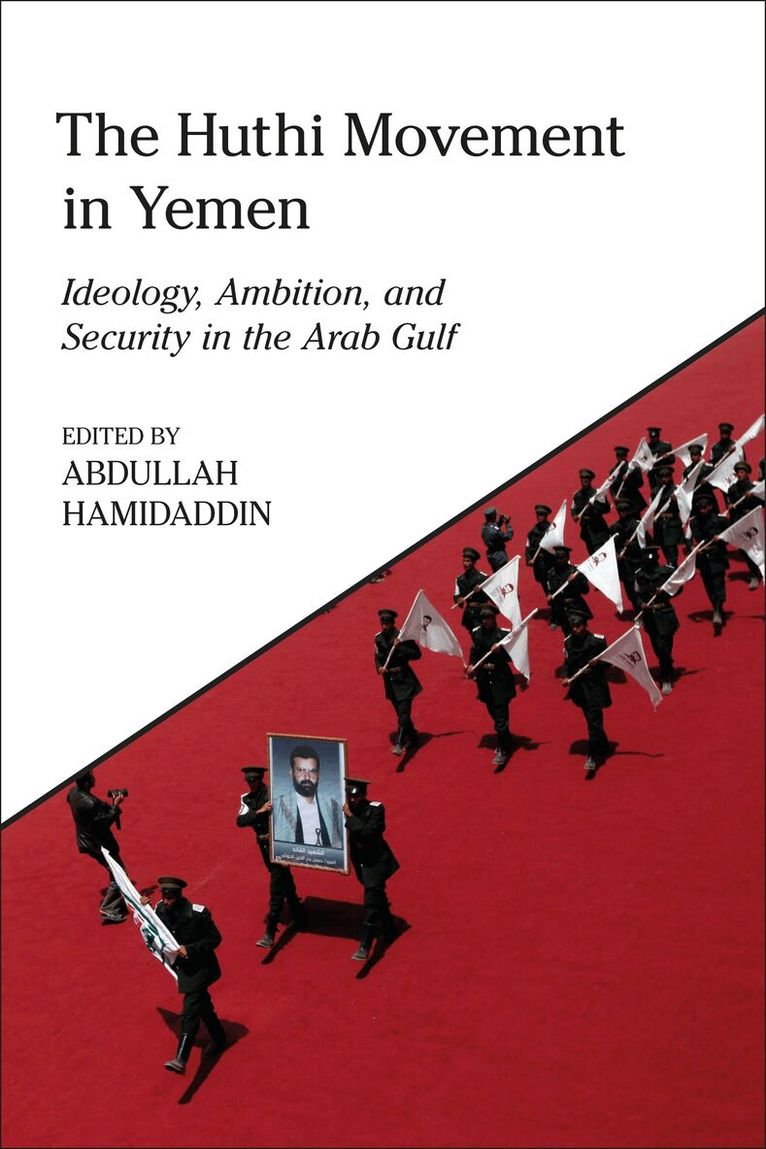
The ebook editions of this book are available open access under a CC BY-NC-ND 4.0 licence on bloomsburycollections.com. Open access was funded by Islamic Publications Ltd. The Huthi rebels in Yemen are a resistance movement going back decades. Their coup against Yemeni President Abdrabbuh Mansur Hadi in 2015 - and the subsequent Yemeni civil war and the intervention of the Arab coalition in support of Hadi - has brought absolute devastation to the country. But who are the Huthis and how can we understand the group away from armed conflict and war? What has motivated their social movement to fundamentally re-shape Yemen, and what are the group’s local and regional ambitions? This book provides the first comprehensive critical analysis dedicated to the Huthis. Across four parts and 17 chapters, the book examines how the movement is challenging traditional religious authority, re-shaping tribal values and roles in Yemen, constructing new collective memories and identities, and infusing Yemen’s mediascape with their ideological creed. In examining the movement’s specific ways of thinking and beliefs, the book also highlights its foreign policy within a regional policy of resistance to the United States, and it points towards what its impact on both Yemen and the security of the Arab Gulf region will be. The book brings together the leading experts on Yemen from diverse disciplines to provide readers with a nuanced and multi-layered approach to understanding the Huthi movement.
318 kr
Skickas
The ebook editions of this book are available open access under a CC BY-NC-ND 4.0 licence on bloomsburycollections.com. Open access was funded by Islamic Publications Ltd. The Huthi rebels in Yemen are a resistance movement going back decades. Their coup against Yemeni President Abdrabbuh Mansur Hadi in 2015 - and the subsequent Yemeni civil war and the intervention of the Arab coalition in support of Hadi - has brought absolute devastation to the country. But who are the Huthis and how can we understand the group away from armed conflict and war? What has motivated their social movement to fundamentally re-shape Yemen, and what are the group’s local and regional ambitions? This book provides the first comprehensive critical analysis dedicated to the Huthis. Across four parts and 17 chapters, the book examines how the movement is challenging traditional religious authority, re-shaping tribal values and roles in Yemen, constructing new collective memories and identities, and infusing Yemen’s mediascape with their ideological creed. In examining the movement’s specific ways of thinking and beliefs, the book also highlights its foreign policy within a regional policy of resistance to the United States, and it points towards what its impact on both Yemen and the security of the Arab Gulf region will be. The book brings together the leading experts on Yemen from diverse disciplines to provide readers with a nuanced and multi-layered approach to understanding the Huthi movement.