Abdullah M. Al-Enizi – författare
Visar alla böcker från författaren Abdullah M. Al-Enizi. Handla med fri frakt och snabb leverans.
5 produkter
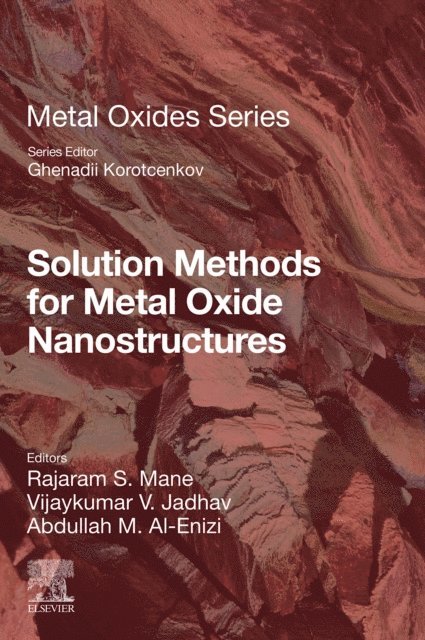
Solution Methods for Metal Oxide Nanostructures
Av Rajaram S. Mane, Vijaykumar Jadhav m. fl.
Häftad, 2023
2509 kr
Lägg i varukorg
Solution Methods for Metal Oxide Nanostructures reviews solution processes that are used for synthesizing 1D, 2D and 3D metal oxide nanostructures in either thin film or in powder form for various applications. Wet-chemical synthesis methods deal with chemical reactions in the solution phase using …
Solution Methods for Metal Oxide Nanostructures
Av Abdullah M. Al-Enizi, Vijaykumar Jadhav m. fl.
E-bok, 2023
3575 kr
Lägg i varukorg
Solution Methods for Metal Oxide Nanostructures reviews solution processes that are used for synthesizing 1D, 2D and 3D metal oxide nanostructures in either thin film or in powder form for various applications. Wet-chemical synthesis methods deal with chemical reactions in the solution phase using …
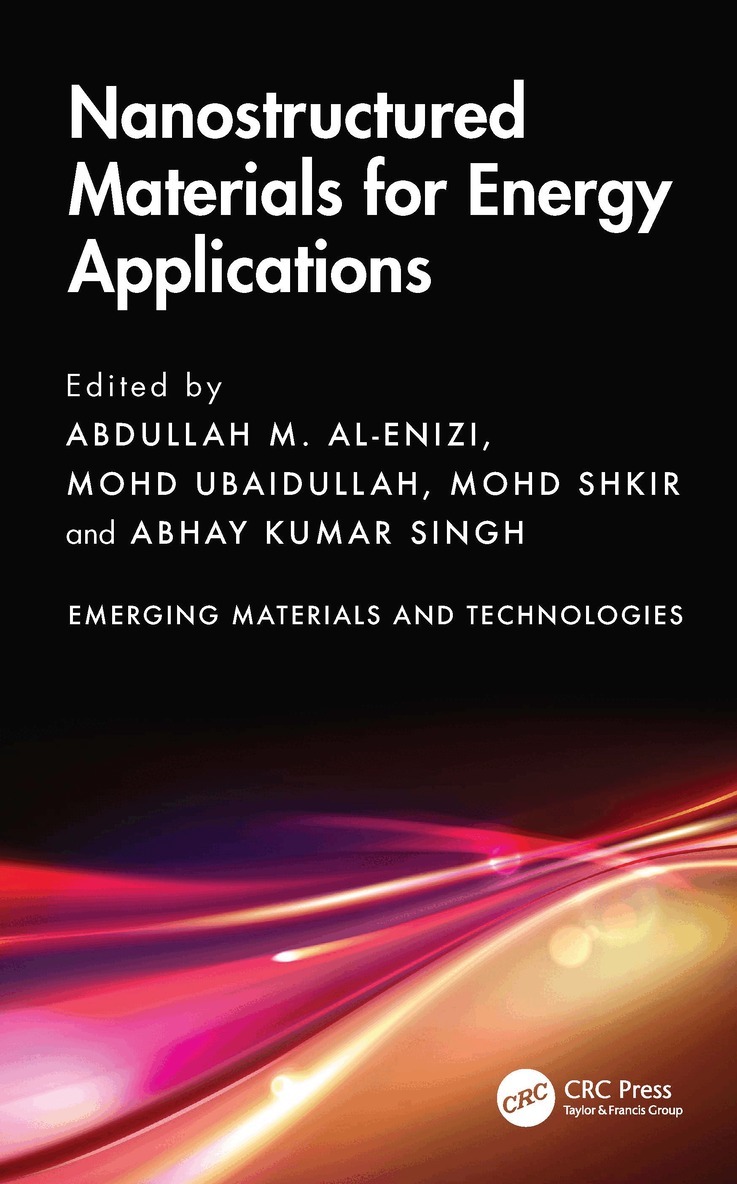
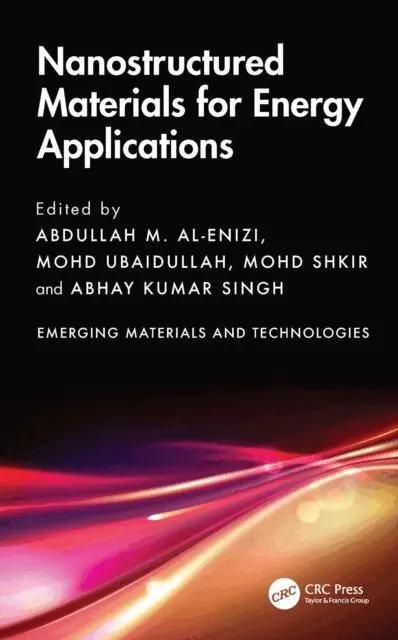
Nanostructured Materials for Energy Applications
Av Abdullah M. Al-Enizi, Mohd Ubaidullah m. fl.
Inbunden, 2025
2512 kr
Lägg i varukorg
This book demonstrates the necessity of novel methods for the development of nano‑structured energy materials with improved characteristics for real‑life applications. It explores the prospective of nanoscale science to design and build device technology through novel nanoscale photodetectors, …
Nanostructured Materials for Energy Applications
Av Abhay Kumar Singh, Mohd Shkir m. fl.
E-bok, 2025
2800 kr
Lägg i varukorg
This book demonstrates the necessity of novel methods for the development of nano structured energy materials with improved characteristics for real life applications. It explores the prospective of nanoscale science to design and build device technology through novel nanoscale photodetectors, …
Nanostructured Materials for Energy Applications
Av Abhay Kumar Singh, Mohd Shkir m. fl.
E-bok, 2025
2829 kr
Lägg i varukorg
This book demonstrates the necessity of novel methods for the development of nano structured energy materials with improved characteristics for real life applications. It explores the prospective of nanoscale science to design and build device technology through novel nanoscale photodetectors, …