Abhijit Dey – författare
Visar alla böcker från författaren . Handla med fri frakt och snabb leverans.
5 produkter
5 produkter
Häftad, Bengali, 2020
224 kr
Skickas inom 5-8 vardagar
Häftad, Engelska, 2026
594 kr
Skickas inom 5-8 vardagar
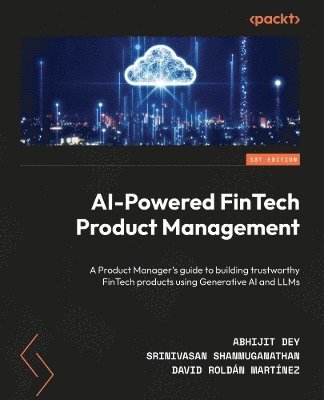
Apply generative AI, AI agents, LLMs, and proven frameworks to build trustworthy, scalable FinTech products across payments, lending, digital banking, insurance, and wealth managementKey FeaturesBuild scalable AI-powered financial products with real-world case studies, templates, and frameworksIntegrate generative AI and LLMs into financial products while ensuring trust and complianceLearn from real-world successes, failures, and best practices across the financial services ecosystemFree with your book: DRM-free PDF version + access to Packt's next-gen Reader*Book DescriptionIn today’s financial product landscape, AI is no longer optional, it is non-negotiable.AI is not here to replace product managers and FinTech professionals, but to enhance their skills and amplify their impact. As the industry moves beyond traditional apps into AI-driven platforms, Building AI-Powered Financial Products is the practical guide for everyone building in this space.Unlike financial management books that lean heavily on theory, this book delivers actionable, real-world insights. Each chapter is grounded in real-world scenarios, including a FinTech startup case study that demonstrates frameworks and best practices in action. For financial professionals looking to harness generative AI and LLMs, this book offers the practical tools and templates needed to innovate confidently within regulatory boundaries.By the end, you’ll be equipped to design and scale AI-driven financial products, strengthening your position as a forward-thinking product and FinTech leader in this fast-moving landscape shaped by generative AI.*Email sign-up and proof of purchase requiredWhat you will learnDesign, launch, and scale AI-powered financial productsIntegrate generative AI and LLMs into FinTech productsNavigate AI governance, regulation, and complianceBalance customer-centric design with monetization modelsLearn from FinTech success and failure storiesApply AI-first product frameworks to scale productsDiscover how AI agents will reshape financial servicesWho this book is forThis book is for product managers, engineers, innovation leads, entrepreneurs, and professionals across financial services and technology who aim to become AI-driven leaders in product innovation. Written for professionals involved in building digital products, it shows how generative AI can be used to improve customer experiences and unlock new growth opportunities across the financial ecosystem. Working experience with software products and digital platforms is helpful, but no deep expertise in AI or finance is required, key ideas are explained with clear context.
Inbunden, Engelska, 2024
2 001 kr
Skickas inom 10-15 vardagar
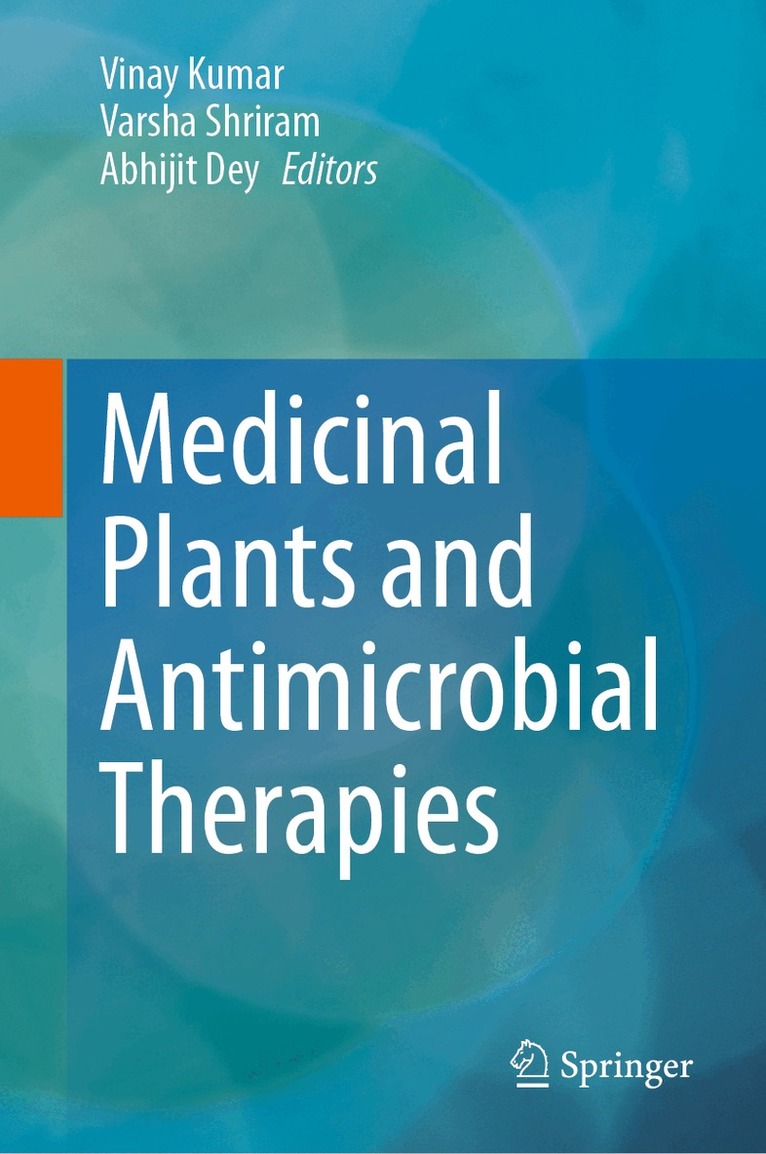
This book serves as an excellent comprehensive material covering the current understandings and updates on antimicrobial resistance (AMR) and the use of medicinal plant resources for tackling it. Chapters cover important aspects of AMR and strategies to address this threatening issue with medicinal plants and their resources. One health perspectives for addressing AMR have been presented for the readers. Antimicrobial medicinal plant therapeutic resources including crude extracts, active fractions, pure molecules and essential oils, besides using them as functionalizing agents for nano-antimicrobials have been covered. Further, plant endophytes as a source of antimicrobial compounds have been discussed. Chapters cover both the bactericidal as well as resistance-reversal (or potentiating/ combinatorial therapies) potencies of medicinal plant resources. The book also focuses on how medicinal plant resources effectively target major determinants of AMR. Use of metabolomics in understanding and targeting AMR mechanisms and identifying potent phyto-therapeutics has been discussed as well. The book is a valuable read for both experienced and younger researchers working in the field of AMR and related fields in biomedicine, pharmacy, and clinical research.
E-bok
Engelska, 20242 599 kr
Läs direkt efter köp
This book serves as an excellent comprehensive material covering the current understandings and updates on antimicrobial resistance (AMR) and the use of medicinal plant resources for tackling it. Chapters cover important aspects of AMR and strategies to address this threatening issue with medicinal plants and their resources. One health perspectives for addressing AMR have been presented for the readers. Antimicrobial medicinal plant therapeutic resources including crude extracts, active fractions, pure molecules and essential oils, besides using them as functionalizing agents for nano-antimicrobials have been covered. Further, plant endophytes as a source of antimicrobial compounds have been discussed. Chapters cover both the bactericidal as well as resistance-reversal (or potentiating/ combinatorial therapies) potencies of medicinal plant resources. The book also focuses on how medicinal plant resources effectively target major determinants of AMR. Use of metabolomics in understanding and targeting AMR mechanisms and identifying potent phyto-therapeutics has been discussed as well. The book is a valuable read for both experienced and younger researchers working in the field of AMR and related fields in biomedicine, pharmacy, and clinical research.
Häftad, Engelska, 2025
2 001 kr
Skickas inom 10-15 vardagar
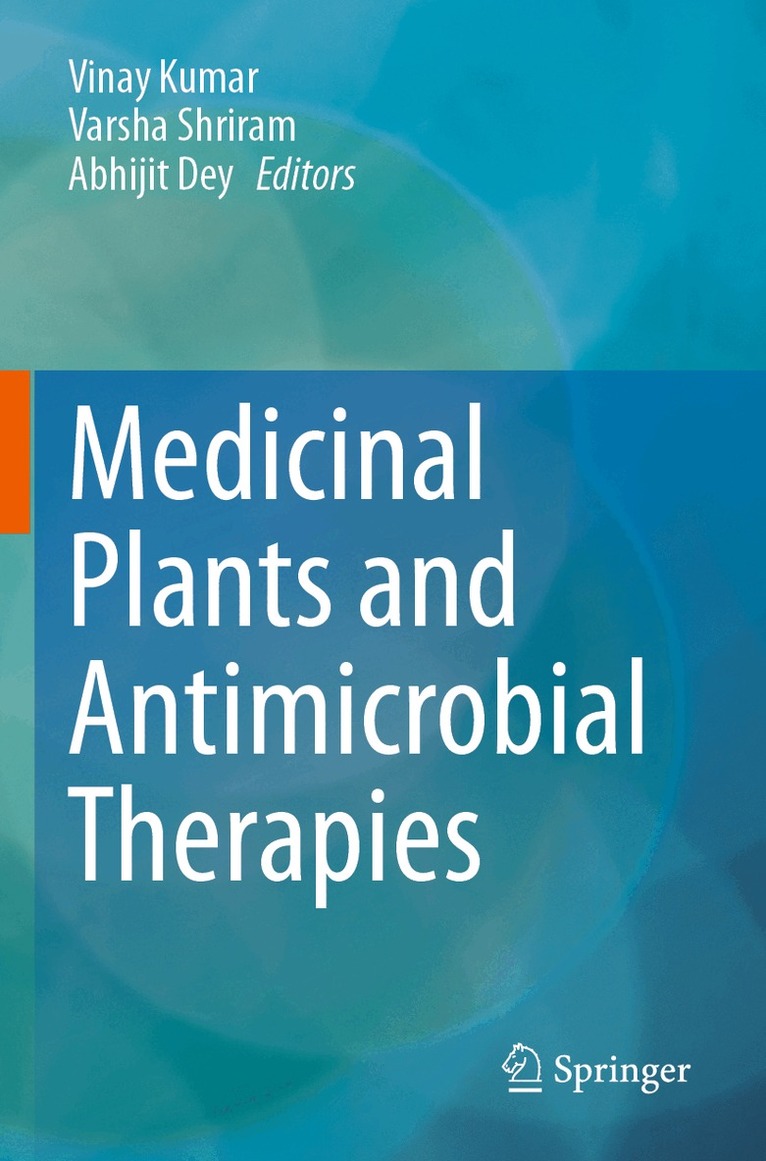
This book serves as an excellent comprehensive material covering the current understandings and updates on antimicrobial resistance (AMR) and the use of medicinal plant resources for tackling it. Chapters cover important aspects of AMR and strategies to address this threatening issue with medicinal plants and their resources. One health perspectives for addressing AMR have been presented for the readers. Antimicrobial medicinal plant therapeutic resources including crude extracts, active fractions, pure molecules and essential oils, besides using them as functionalizing agents for nano-antimicrobials have been covered. Further, plant endophytes as a source of antimicrobial compounds have been discussed. Chapters cover both the bactericidal as well as resistance-reversal (or potentiating/ combinatorial therapies) potencies of medicinal plant resources. The book also focuses on how medicinal plant resources effectively target major determinants of AMR. Use of metabolomics in understanding and targeting AMR mechanisms and identifying potent phyto-therapeutics has been discussed as well. The book is a valuable read for both experienced and younger researchers working in the field of AMR and related fields in biomedicine, pharmacy, and clinical research.