Abigail Lee Six – författare
523 kr
Skickas inom 10-15 vardagar
780 kr
Skickas inom 10-15 vardagar
247 kr
Skickas inom 5-8 vardagar
748 kr
Skickas inom 10-15 vardagar
2 503 kr
Skickas inom 10-15 vardagar
2 890 kr
Skickas inom 10-15 vardagar
2 503 kr
Skickas inom 10-15 vardagar
896 kr
Läs direkt efter köp
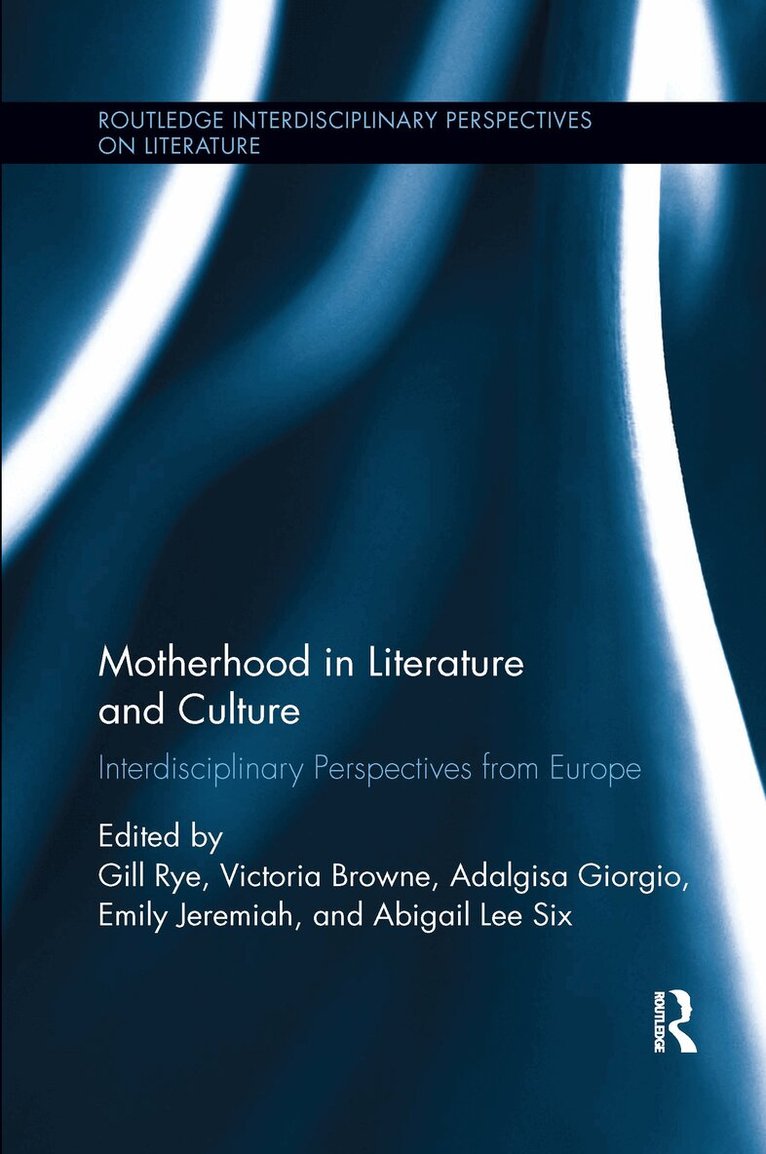
Motherhood remains a complex and contested issue in feminist research as well as public discussion. This interdisciplinary volume explores cultural representations of motherhood in various contemporary European contexts, including France, Italy, Germany, Portugal, Spain, and the UK, and it considers how such representations affect the ways in which different individuals and groups negotiate motherhood as both institution and lived experience. It has a particular focus on literature, but it also includes essays that examine representations of motherhood in philosophy, art, social policy, and film. The book’s driving contention is that, through intersecting with other fields and disciplines, literature and the study of literature have an important role to play in nuancing dialogues around motherhood, by offering challenging insights and imaginative responses to complex problems and experiences. This is demonstrated throughout the volume, which covers a range of topics including: discursive and visual depictions of pregnancy and birth; the impact of new reproductive technologies on changing family configurations; the relationship between mothering and citizenship; the shaping of policy imperatives regarding mothering and disability; and the difficult realities of miscarriage, child death, violence, and infanticide. The collection expands and complicates hegemonic notions of motherhood, as the authors map and analyse shifting conceptions of maternal subjectivity and embodiment, explore some of the constraining and/or enabling contexts in which mothering takes place, and ask searching questions about what it means to be a ‘mother’ in Europe today. It will be of interest not only to those working in gender, women’s and feminist studies, but also to scholars in literary and cultural studies, and those researching in sociology, criminology, politics, psychology, medical ethics, midwifery, and related fields.
896 kr
Läs direkt efter köp
Motherhood remains a complex and contested issue in feminist research as well as public discussion. This interdisciplinary volume explores cultural representations of motherhood in various contemporary European contexts, including France, Italy, Germany, Portugal, Spain, and the UK, and it considers how such representations affect the ways in which different individuals and groups negotiate motherhood as both institution and lived experience. It has a particular focus on literature, but it also includes essays that examine representations of motherhood in philosophy, art, social policy, and film. The book’s driving contention is that, through intersecting with other fields and disciplines, literature and the study of literature have an important role to play in nuancing dialogues around motherhood, by offering challenging insights and imaginative responses to complex problems and experiences. This is demonstrated throughout the volume, which covers a range of topics including: discursive and visual depictions of pregnancy and birth; the impact of new reproductive technologies on changing family configurations; the relationship between mothering and citizenship; the shaping of policy imperatives regarding mothering and disability; and the difficult realities of miscarriage, child death, violence, and infanticide. The collection expands and complicates hegemonic notions of motherhood, as the authors map and analyse shifting conceptions of maternal subjectivity and embodiment, explore some of the constraining and/or enabling contexts in which mothering takes place, and ask searching questions about what it means to be a ‘mother’ in Europe today. It will be of interest not only to those working in gender, women’s and feminist studies, but also to scholars in literary and cultural studies, and those researching in sociology, criminology, politics, psychology, medical ethics, midwifery, and related fields.
540 kr
Läs direkt efter köp
Upgrade your Spanish is the ideal guide for students wanting a better grade in their Spanish exams. It offers a thirty day revision programme that is guaranteed to improve your results. In the countdown to exams, students should simply spend between 30 minutes to an hour a day with this book, and see their mark go up a grade!This short revision guide focuses on three key strategies for improving your exam results: 1) Eliminating basic errors and slips of the pen; 2) Increasing and consolidating your vocabulary; 3) Moving on from school-book Spanish.
535 kr
Läs direkt efter köp
Upgrade your Spanish is the ideal guide for students wanting a better grade in their Spanish exams. It offers a thirty day revision programme that is guaranteed to improve your results. In the countdown to exams, students should simply spend between 30 minutes to an hour a day with this book, and see their mark go up a grade!This short revision guide focuses on three key strategies for improving your exam results: 1) Eliminating basic errors and slips of the pen; 2) Increasing and consolidating your vocabulary; 3) Moving on from school-book Spanish.
858 kr
Läs direkt efter köp
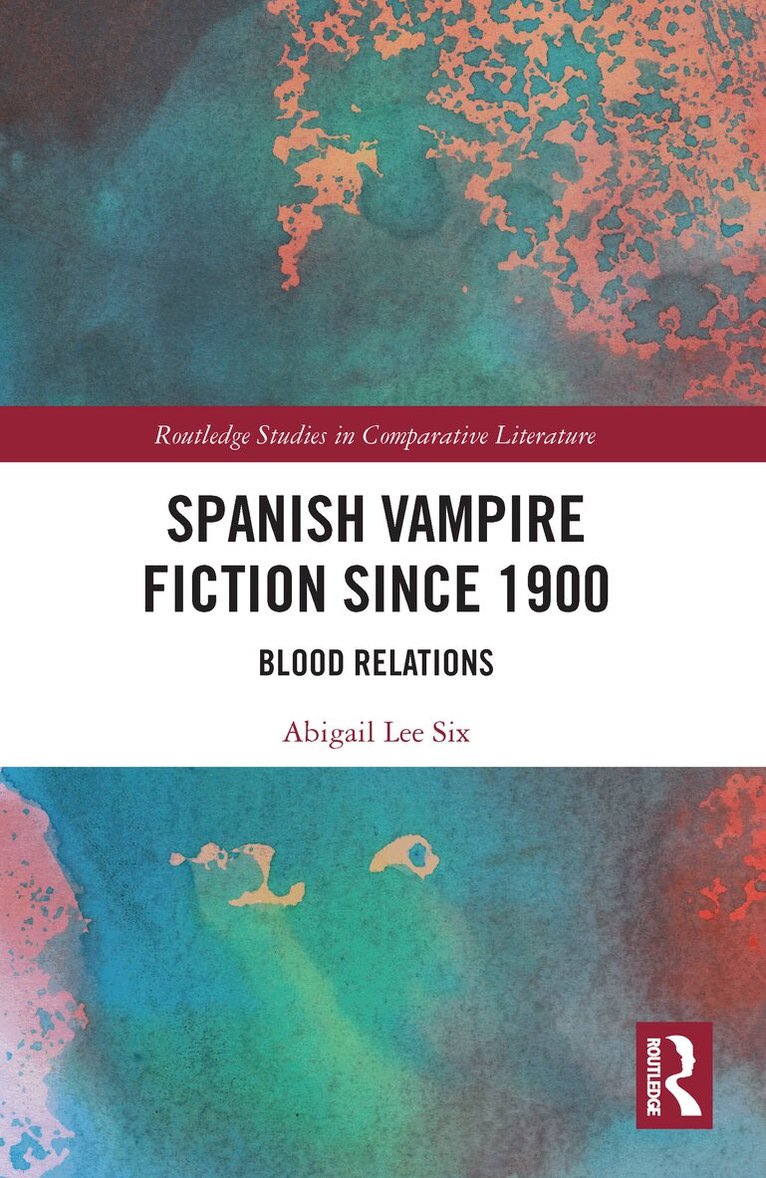
Spanish Vampire Fiction since 1900: Blood Relations, as that subtitle suggests, makes the case for considering Spanish vampire fiction an index of the complex relationship between intercultural phenomena and the specifics of a time, place, and author. Supernatural beings that drink blood are found in folklore worldwide, Spain included, and writers ranging from the most canonical to the most marginal have written vampire stories, Spanish ones included too. When they do, they choose between various strategies of characterization or blend different ones together. How much will they draw on conventions of the transnational corpus? Are their vampires to be local or foreign; alluring or repulsive; pitiable or pure evil, for instance? Decisions like these determine the messages texts carry and, when made by Spanish authors, may reveal aspects of their culture with striking candidness, perhaps because the fantasy premise seems to give the false sense of security that this is harmless escapism and, since metaphorical meaning is implicit, it is open to argument and, if necessary, denial.
Part I gives a chronological text-by-text appreciation of all the texts included in this volume, many of them little known even to Hispanists and few if any to non-Spanish Gothic scholars. It also provides a plot summary and brief background on the author of each. These entries are free-standing and designed to be consulted for reference or read together to give a sense of the evolution of the paradigm since 1900. Part II considers the corpus comparatively, first with regard to its relationship to folklore and religion and then contagion and transmission.
Spanish Vampire Fiction since 1900: Blood Relations will be of interest to Anglophone Gothic scholars who want to develop their knowledge of the Spanish dimension of the mode and to Hispanists who want to look at some canonical texts and authors from a new perspective but also gain an awareness of some interesting and decidedly non-canonical material.
866 kr
Läs direkt efter köp
Spanish Vampire Fiction since 1900: Blood Relations, as that subtitle suggests, makes the case for considering Spanish vampire fiction an index of the complex relationship between intercultural phenomena and the specifics of a time, place, and author. Supernatural beings that drink blood are found in folklore worldwide, Spain included, and writers ranging from the most canonical to the most marginal have written vampire stories, Spanish ones included too. When they do, they choose between various strategies of characterization or blend different ones together. How much will they draw on conventions of the transnational corpus? Are their vampires to be local or foreign; alluring or repulsive; pitiable or pure evil, for instance? Decisions like these determine the messages texts carry and, when made by Spanish authors, may reveal aspects of their culture with striking candidness, perhaps because the fantasy premise seems to give the false sense of security that this is harmless escapism and, since metaphorical meaning is implicit, it is open to argument and, if necessary, denial.
Part I gives a chronological text-by-text appreciation of all the texts included in this volume, many of them little known even to Hispanists and few if any to non-Spanish Gothic scholars. It also provides a plot summary and brief background on the author of each. These entries are free-standing and designed to be consulted for reference or read together to give a sense of the evolution of the paradigm since 1900. Part II considers the corpus comparatively, first with regard to its relationship to folklore and religion and then contagion and transmission.
Spanish Vampire Fiction since 1900: Blood Relations will be of interest to Anglophone Gothic scholars who want to develop their knowledge of the Spanish dimension of the mode and to Hispanists who want to look at some canonical texts and authors from a new perspective but also gain an awareness of some interesting and decidedly non-canonical material.
1 354 kr
Skickas inom 10-15 vardagar
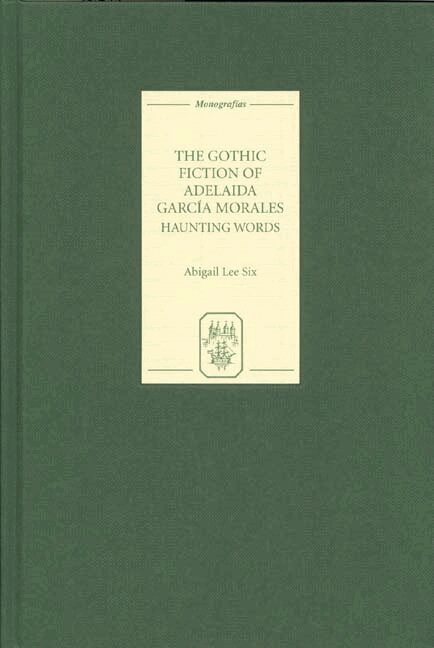
Gothic Fiction of Adelaida García Morales
Haunting Words
1 251 kr
Skickas inom 10-15 vardagar