Abraham Olivier - Böcker
Visar alla böcker från författaren Abraham Olivier. Handla med fri frakt och snabb leverans.
5 produkter
5 produkter
2 113 kr
Skickas inom 10-15 vardagar
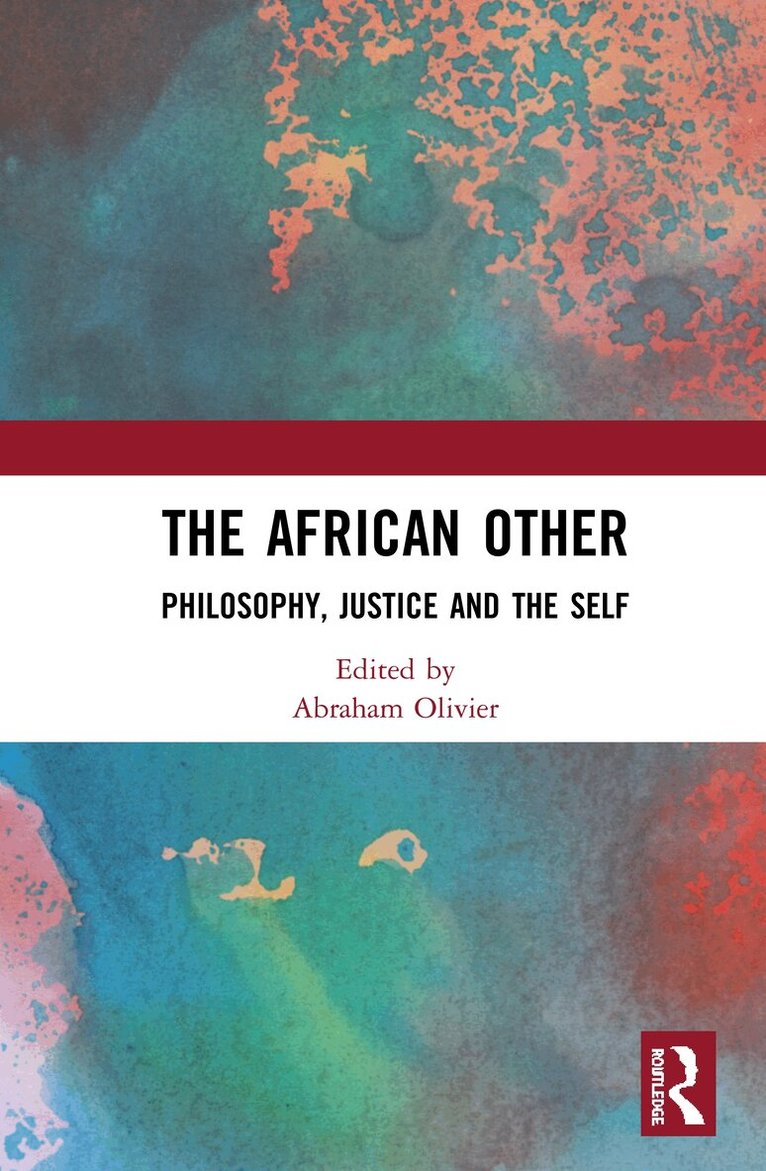
This book provides a much-needed philosophical response to the recurrent postcolonial call to uproot the prevalent workings of the colonial regime, with a close focus on the African context. The work addresses a range of questions concerning the othering of Africans in the postcolonial context, specifically by focusing on the philosophical analysis of problems of justice, the effect of injustice on the formation of the self, and strategies of resistance against the injustice of othering. Questions raised in this collection include: who or what is "the other"? Who is the "African other"? In what ways are Africans othered? What is the effect of unjust conditions on the formation of the self? In what sense is othering an injustice? How can justice concern itself with the problem of othering? What are the strategies to resist the injustice of othering? Can one ever do justice to the experience of the subaltern other in abstract terms of philosophical analysis?In considering these questions, this book will be of interest to all those studying the intersectional ways in which colonial injustice is manifested in the postcolony, as well as those seeking greater philosophical reflection on postcolonial justice. This book was originally published as a special issue of Angelaki.
618 kr
Skickas inom 10-15 vardagar
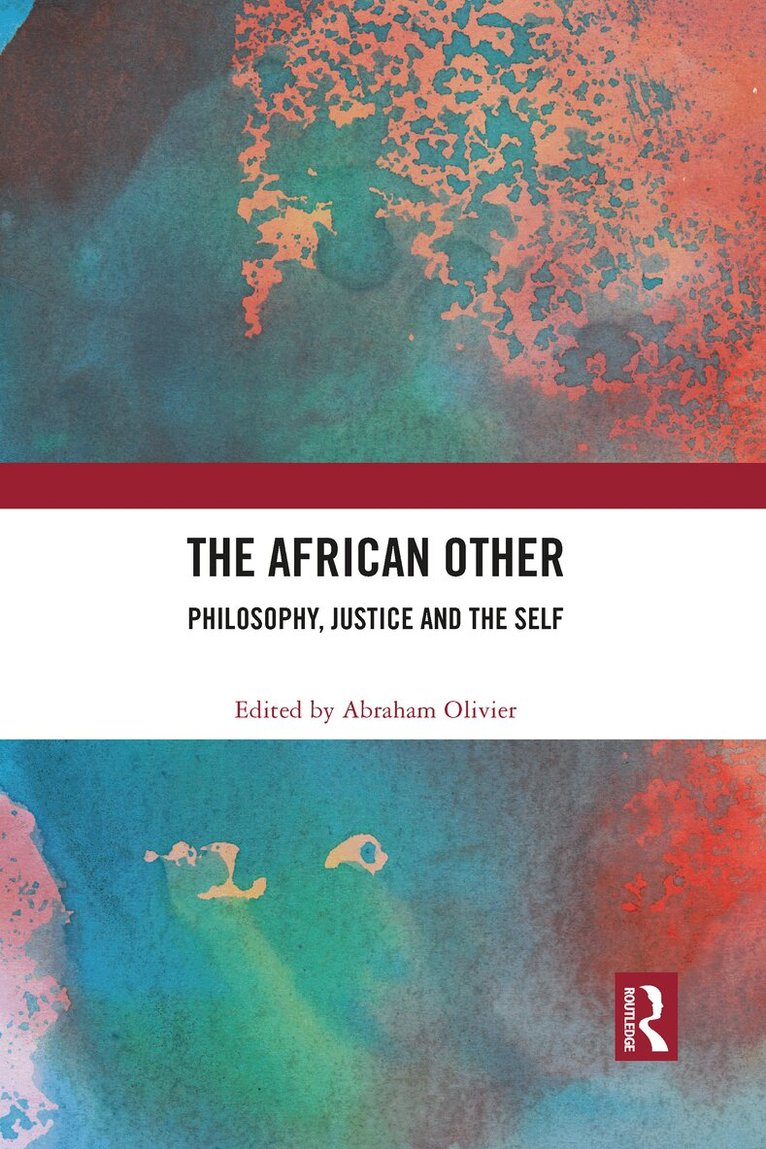
This book provides a much-needed philosophical response to the recurrent postcolonial call to uproot the prevalent workings of the colonial regime, with a close focus on the African context. The work addresses a range of questions concerning the othering of Africans in the postcolonial context, specifically by focusing on the philosophical analysis of problems of justice, the effect of injustice on the formation of the self, and strategies of resistance against the injustice of othering. Questions raised in this collection include: who or what is "the other"? Who is the "African other"? In what ways are Africans othered? What is the effect of unjust conditions on the formation of the self? In what sense is othering an injustice? How can justice concern itself with the problem of othering? What are the strategies to resist the injustice of othering? Can one ever do justice to the experience of the subaltern other in abstract terms of philosophical analysis?In considering these questions, this book will be of interest to all those studying the intersectional ways in which colonial injustice is manifested in the postcolony, as well as those seeking greater philosophical reflection on postcolonial justice. This book was originally published as a special issue of Angelaki.
594 kr
Skickas inom 3-6 vardagar
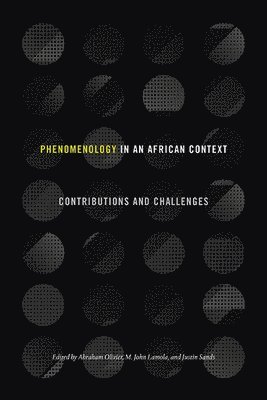
The first edited collection to offer a systematic introduction to African phenomenology.African phenomenology is an emerging subfield within the broader domain of African and Africana philosophy. The phenomenological method, with its various approaches to studying the seminal structures and meaning of human experience, has been a cornerstone in the thought of African philosophers such as Paulin Hountondji, Tsenay Serequeberhan, Achille Mbembe, D. A. Masolo, and Mabogo More, as well as proponents of Africana philosophy such as W. E. B. Du Bois, Frantz Fanon, Lucius Outlaw, and Lewis Gordon. Technically, however, the term "African phenomenology" is not used as widely, or introduced as systematically, as Africana phenomenology. This anthology aims to fill this gap by exploring contributions and challenges to phenomenology in its African context and demonstrating the differences this context makes to the practice of phenomenology. Written by some of the most eminent scholars in the field-including Hountondji, Serequeberhan, Mbembe, More, Gordon, and M. John Lamola-the sixteen original essays here address the relation of African phenomenology to African/Africana philosophy, postcolonial/decolonial discourse, and deliberations within the international phenomenological community.This book has been made open access within three years of publication thanks to Path to Open, a program developed in partnership between JSTOR, the American Council of Learned Societies (ACLS), University of Michigan Press, and The University of North Carolina Press to bring about equitable access and impact for the entire scholarly community, including authors, researchers, libraries, and university presses around the world.
1 456 kr
Skickas inom 3-6 vardagar
The first edited collection to offer a systematic introduction to African phenomenology.African phenomenology is an emerging subfield within the broader domain of African and Africana philosophy. The phenomenological method, with its various approaches to studying the seminal structures and meaning of human experience, has been a cornerstone in the thought of African philosophers such as Paulin Hountondji, Tsenay Serequeberhan, Achille Mbembe, D. A. Masolo, and Mabogo More, as well as proponents of Africana philosophy such as W. E. B. Du Bois, Frantz Fanon, Lucius Outlaw, and Lewis Gordon. Technically, however, the term "African phenomenology" is not used as widely, or introduced as systematically, as Africana phenomenology. This anthology aims to fill this gap by exploring contributions and challenges to phenomenology in its African context and demonstrating the differences this context makes to the practice of phenomenology. Written by some of the most eminent scholars in the field-including Hountondji, Serequeberhan, Mbembe, More, Gordon, and M. John Lamola-the sixteen original essays here address the relation of African phenomenology to African/Africana philosophy, postcolonial/decolonial discourse, and deliberations within the international phenomenological community.This book has been made open access within three years of publication thanks to Path to Open, a program developed in partnership between JSTOR, the American Council of Learned Societies (ACLS), University of Michigan Press, and The University of North Carolina Press to bring about equitable access and impact for the entire scholarly community, including authors, researchers, libraries, and university presses around the world.
560 kr
Tillfälligt slut