Abu Bakarr Bah - Böcker
Visar alla böcker från författaren Abu Bakarr Bah. Handla med fri frakt och snabb leverans.
13 produkter
13 produkter
847 kr
Skickas inom 7-10 vardagar
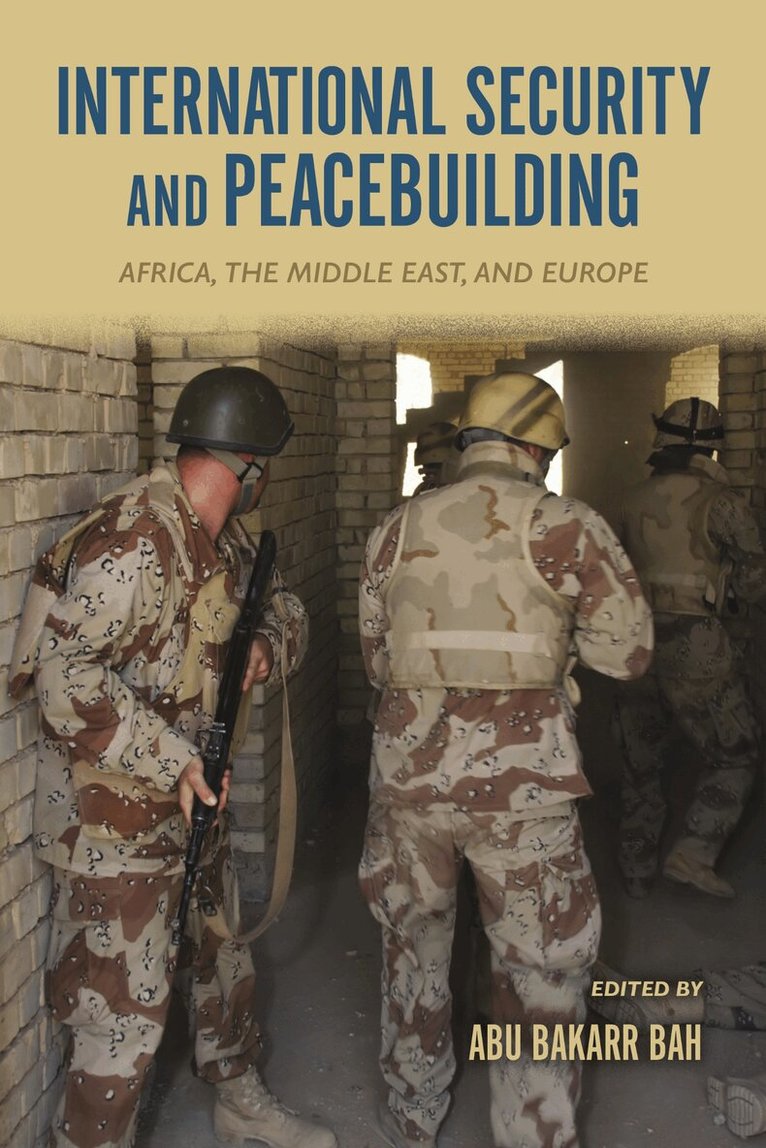
The end of the Cold War was to usher in an era of peace based on flourishing democracies and free market economies worldwide. Instead, new wars, including the war on terrorism, have threatened international, regional, and individual security and sparked a major refugee crisis. This volume of essays on international humanitarian interventions focuses on what interests are promoted through these interventions and how efforts to build liberal democracies are carried out in failing states. Focusing on Africa, the Middle East, and Europe, an international group of contributors shows that best practices of protection and international state-building have not been applied uniformly. Together the essays provide a theoretical and empirical critique of global liberal governance and, as they note challenges to regional and international cooperation, they reveal that global liberal governance may threaten fragile governments and endanger human security at all levels.
309 kr
Skickas inom 7-10 vardagar
The end of the Cold War was to usher in an era of peace based on flourishing democracies and free market economies worldwide. Instead, new wars, including the war on terrorism, have threatened international, regional, and individual security and sparked a major refugee crisis. This volume of essays on international humanitarian interventions focuses on what interests are promoted through these interventions and how efforts to build liberal democracies are carried out in failing states. Focusing on Africa, the Middle East, and Europe, an international group of contributors shows that best practices of protection and international state-building have not been applied uniformly. Together the essays provide a theoretical and empirical critique of global liberal governance and, as they note challenges to regional and international cooperation, they reveal that global liberal governance may threaten fragile governments and endanger human security at all levels.
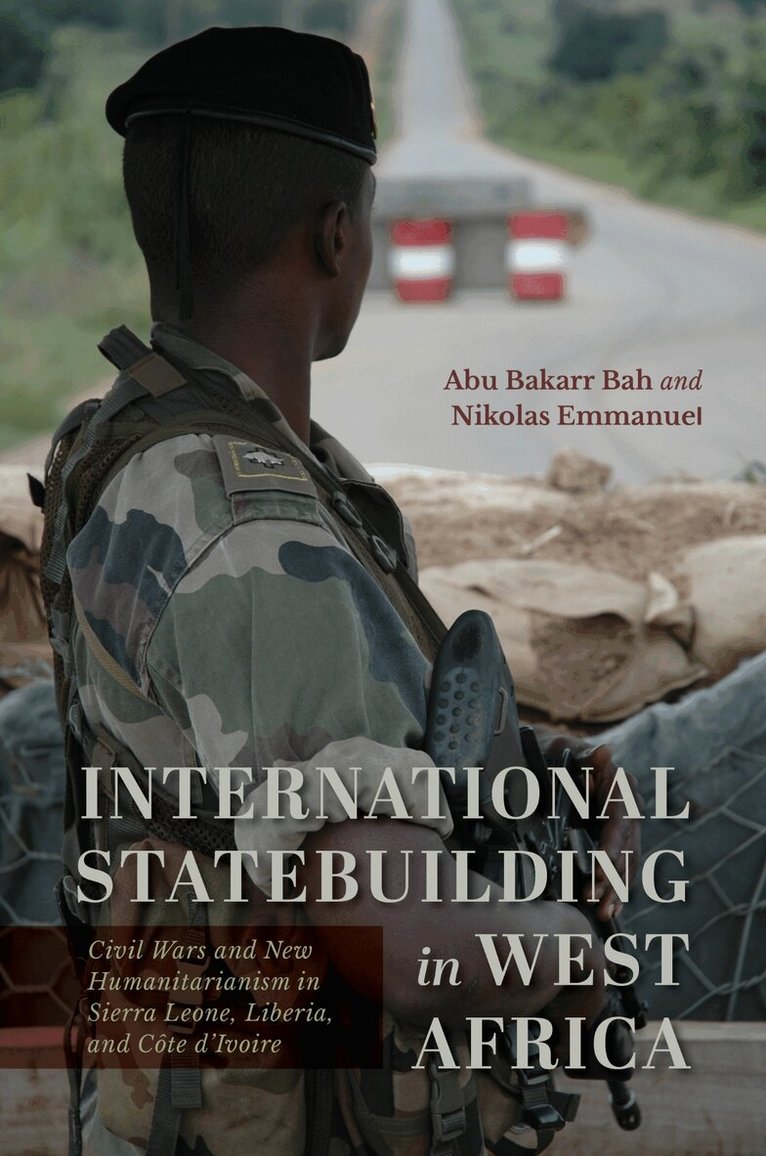
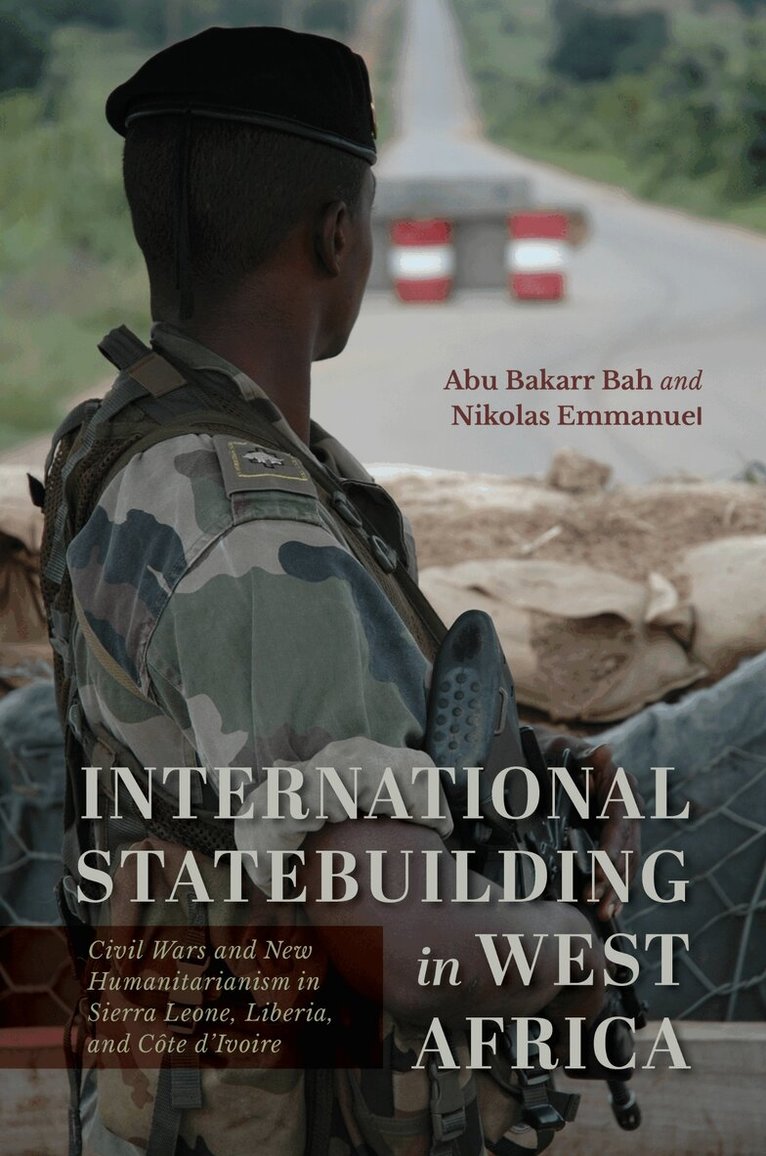
International Statebuilding in West Africa
Civil Wars and New Humanitarianism in Sierra Leone, Liberia, and Côte D'Ivoire
Inbunden, Engelska, 2024
1 196 kr
Skickas inom 7-10 vardagar
At the turn of the twenty-first century, manipulation of the democratic process coupled with preexisting political and economic grievances led to years-long civil wars in Sierra Leone, Liberia, and Côte d'Ivoire. During and after these conflicts, international peacekeeping efforts and humanitarian intervention became the dominant paths for restoring stability by rebuilding the state. Using these three countries as case studies, this manuscript sheds light on internationally driven state building in war-torn West African nations, the problematic nature of the postcolonial state, and the difficulties of securing its people's wellbeing.Connecting peace and conflict, democracy, and international development studies, Bah and Emmanuel argue that there is a clear nexus between the concepts and practices of peace building and statebuilding; that peace building and statebuilding are not domestic matters alone but also matters of global intervention; and that civil wars can be viewed as opportunities for state building through creative postwar partnerships and organization. This study goes beyond the familiar concepts of failed states, R2P, peacekeeping, and peace mediation and introduces and enhances the concepts of state decay, new humanitarianism, people-centered liberalism, and institutional design. In doing so, it provides critical lessons that local and international actors can draw on as they try to figure out practical solutions to the political, economic, and social problems that impede the development of peaceful and democratic multiethnic postcolonial states in Africa and beyond. Applying comparative-historical methods and theory to archival materials and expert interviews, International Statebuilding in West Africa seeks to shift the discourse on civil wars from their causes and implications to the opportunities they provide to rework failed states—and to shift the discourse on African states from their colonial and neocolonial legacies to their shared moral and security interests with the rest of the world.
International Statebuilding in West Africa
Civil Wars and New Humanitarianism in Sierra Leone, Liberia, and Côte D'Ivoire
Häftad, Engelska, 2024
521 kr
Skickas inom 7-10 vardagar
At the turn of the twenty-first century, manipulation of the democratic process coupled with preexisting political and economic grievances led to years-long civil wars in Sierra Leone, Liberia, and Côte d'Ivoire. During and after these conflicts, international peacekeeping efforts and humanitarian intervention became the dominant paths for restoring stability by rebuilding the state. Using these three countries as case studies, this manuscript sheds light on internationally driven state building in war-torn West African nations, the problematic nature of the postcolonial state, and the difficulties of securing its people's wellbeing.Connecting peace and conflict, democracy, and international development studies, Bah and Emmanuel argue that there is a clear nexus between the concepts and practices of peace building and statebuilding; that peace building and statebuilding are not domestic matters alone but also matters of global intervention; and that civil wars can be viewed as opportunities for state building through creative postwar partnerships and organization. This study goes beyond the familiar concepts of failed states, R2P, peacekeeping, and peace mediation and introduces and enhances the concepts of state decay, new humanitarianism, people-centered liberalism, and institutional design. In doing so, it provides critical lessons that local and international actors can draw on as they try to figure out practical solutions to the political, economic, and social problems that impede the development of peaceful and democratic multiethnic postcolonial states in Africa and beyond. Applying comparative-historical methods and theory to archival materials and expert interviews, International Statebuilding in West Africa seeks to shift the discourse on civil wars from their causes and implications to the opportunities they provide to rework failed states—and to shift the discourse on African states from their colonial and neocolonial legacies to their shared moral and security interests with the rest of the world.
1 004 kr
Skickas inom 7-10 vardagar
What forces drive violent conflicts, and whose interests are protected by military involvement? In those conflicts, how do domestic factors fuse with external dynamics, and what issues spell the difference between successful and failed intervention?Enter Glocalized Security—a concept that argues that this fusion of domestic and external matters produces new war dynamics which require both substantial domestic reforms and realignment of external interests to achieve sustainable peace. In this edited collection, contributors use this concept to examine grievances and interests in and around war-torn countries. Combining a variety of disciplines, from sociology and political science to peace studies and public policy and administration, these case studies draw from over three decades of international military interventions around the world, including Afghanistan, Turkey, Somalia, Iraq, Nigeria, and Nepal. Analyzing the intersectional relationship of the local and global, Glocalized Security provides new insights into the problems of international security and why international military interventions often fail to ensure peace and security in conflict zones where these factors have morphed into terrorism warfare or zones of national interest among major world and regional powers.By focusing on ethnicity, religion, poverty, governance, and the other most common motivators of violent conflicts, Glocalized Security provides a crucial conceptual basis for understanding international relations in the twenty-first century.
460 kr
Skickas
What forces drive violent conflicts, and whose interests are protected by military involvement? In those conflicts, how do domestic factors fuse with external dynamics, and what issues spell the difference between successful and failed intervention?Enter Glocalized Security—a concept that argues that this fusion of domestic and external matters produces new war dynamics which require both substantial domestic reforms and realignment of external interests to achieve sustainable peace. In this edited collection, contributors use this concept to examine grievances and interests in and around war-torn countries. Combining a variety of disciplines, from sociology and political science to peace studies and public policy and administration, these case studies draw from over three decades of international military interventions around the world, including Afghanistan, Turkey, Somalia, Iraq, Nigeria, and Nepal. Analyzing the intersectional relationship of the local and global, Glocalized Security provides new insights into the problems of international security and why international military interventions often fail to ensure peace and security in conflict zones where these factors have morphed into terrorism warfare or zones of national interest among major world and regional powers.By focusing on ethnicity, religion, poverty, governance, and the other most common motivators of violent conflicts, Glocalized Security provides a crucial conceptual basis for understanding international relations in the twenty-first century.
Breakdown and Reconstitution
Democracy, The Nation-State, and Ethnicity in Nigeria
Häftad, Engelska, 2008
608 kr
Skickas inom 10-15 vardagar
Breakdown and Reconstitution analyzes the interplay between democratization, nation-state building, and ethnicity in Nigeria as well as the challenges of transforming a post-colonial multiethnic state into a stable democracy. This work draws attention to the intrinsic relation between the breakdown of quasi-democracy and the reconstitution of a more inclusive democracy and nation-state. Breakdown and Reconstitution is an essential source for scholars of politics in Africa.
871 kr
Skickas inom 7-10 vardagar
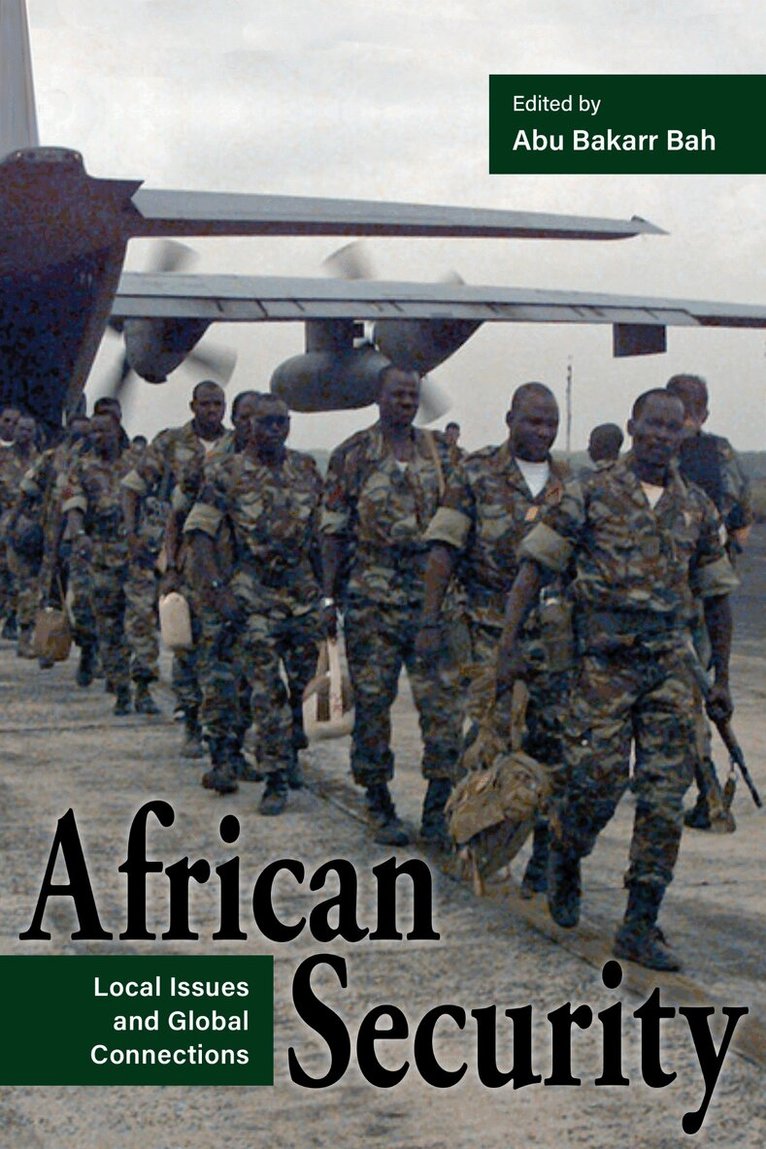
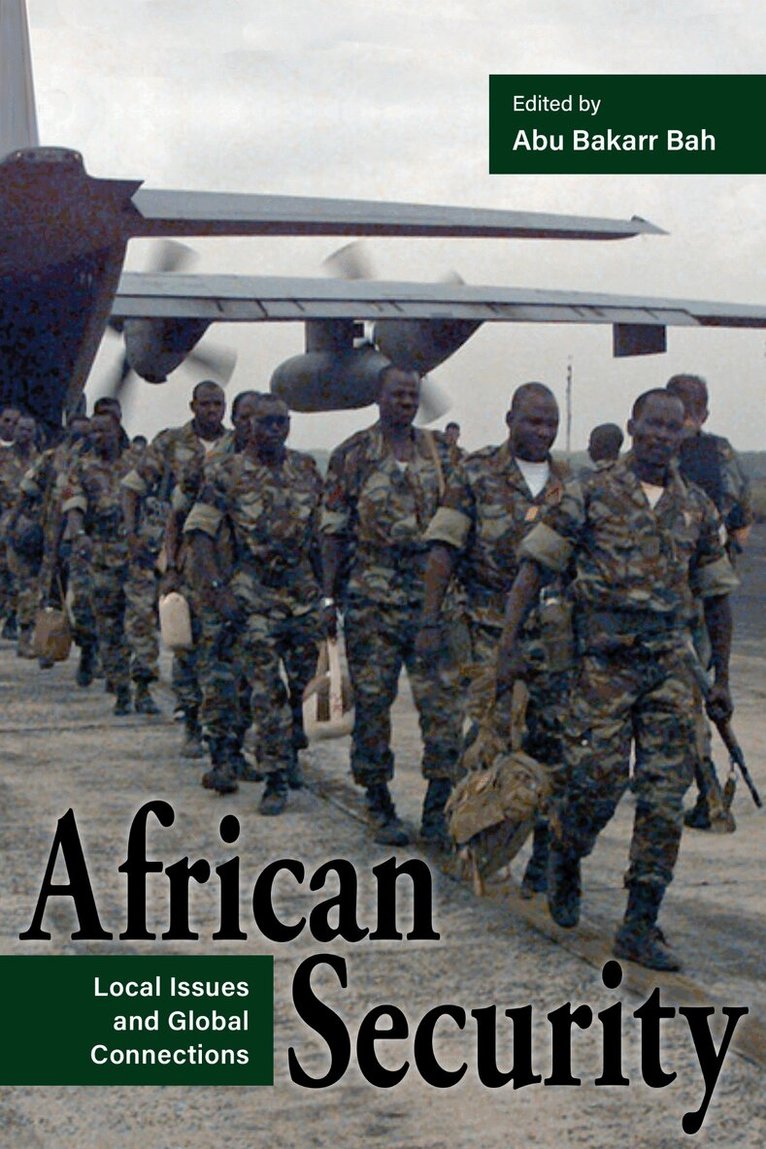
African Security: Local Issues and Global Connections provokes new ways of thinking about solutions to African security-solutions that consider the eclectic and sometimes disparate natures of African conflicts and that address both their domestic and their external dimensions. The book centers on the concept of glocalized security, which draws from sociological critiques that point to localization within globalization. This edited collection brings the concept of glocalization into African security studies by examining the fusion of domestic and external drivers of conflicts and how that relationship creates a glocalized security situation across Africa.The chapters in this volume engage the literature on domestic and external causes of conflicts in Africa, most notably issues of patrimonialism, ethnicity, natural resources, climate change, and geopolitics. These conflict drivers are woven in with known theories on security, such as neocolonialism, liberal peace, responsibility to protect (R2P), and collective security. The book presents rich qualitative and historical data, convincingly analyzed and theorized.Contributors: Folahanmi Aina, Alfred Babo, Abu Bakarr Bah, Noamane Cherkaoui, Nikolas Emmanuel, Tenley K. Erickson, John Mwangi Githigaro, Michael Nwankpa, Norman Sempijja, and Akram Zaoui
371 kr
Skickas inom 7-10 vardagar
African Security: Local Issues and Global Connections provokes new ways of thinking about solutions to African security-solutions that consider the eclectic and sometimes disparate natures of African conflicts and that address both their domestic and their external dimensions. The book centers on the concept of glocalized security, which draws from sociological critiques that point to localization within globalization. This edited collection brings the concept of glocalization into African security studies by examining the fusion of domestic and external drivers of conflicts and how that relationship creates a glocalized security situation across Africa.The chapters in this volume engage the literature on domestic and external causes of conflicts in Africa, most notably issues of patrimonialism, ethnicity, natural resources, climate change, and geopolitics. These conflict drivers are woven in with known theories on security, such as neocolonialism, liberal peace, responsibility to protect (R2P), and collective security. The book presents rich qualitative and historical data, convincingly analyzed and theorized.Contributors: Folahanmi Aina, Alfred Babo, Abu Bakarr Bah, Noamane Cherkaoui, Nikolas Emmanuel, Tenley K. Erickson, John Mwangi Githigaro, Michael Nwankpa, Norman Sempijja, and Akram Zaoui
1 076 kr
Skickas inom 10-15 vardagar
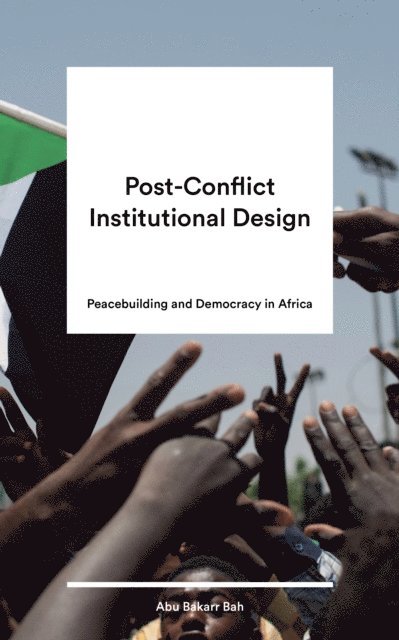
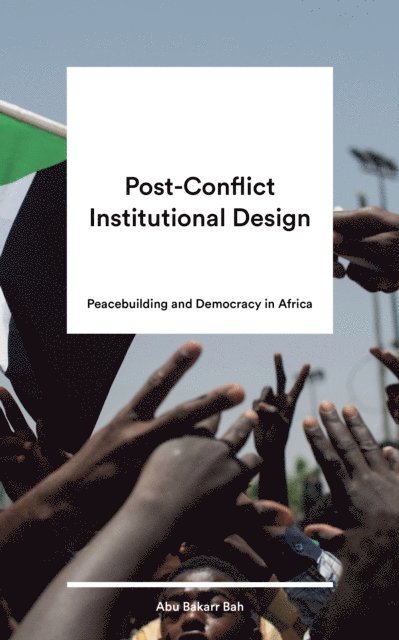
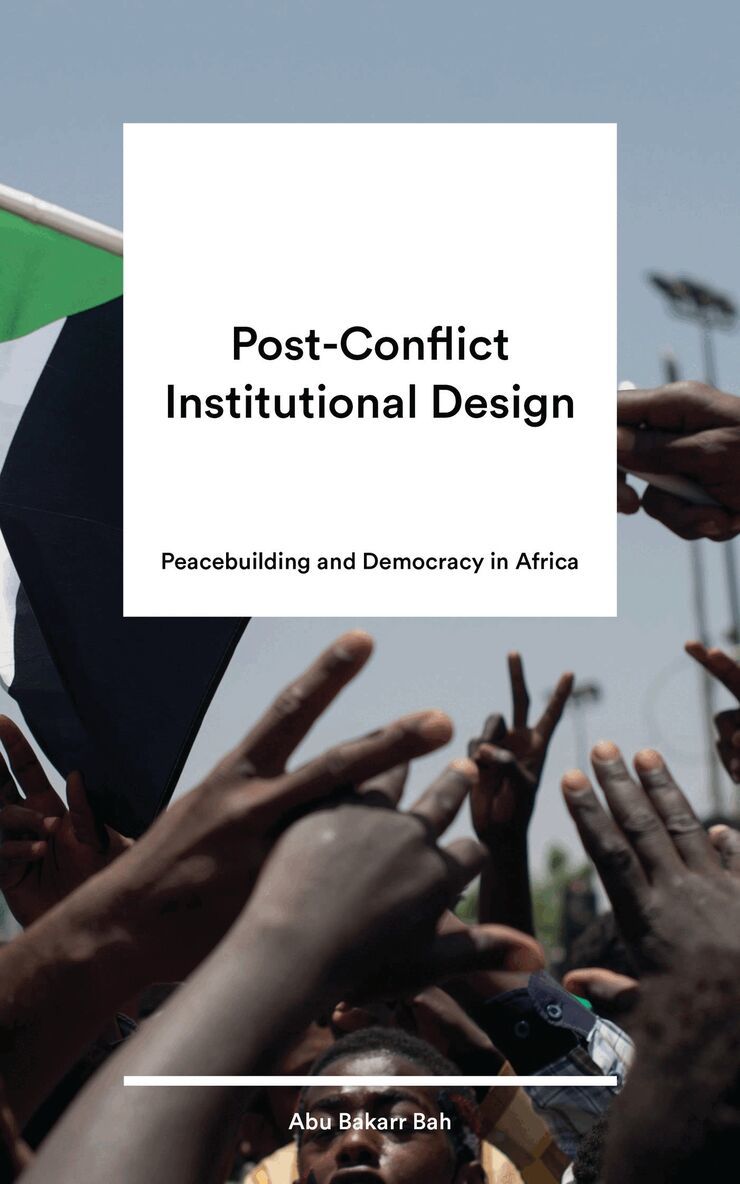
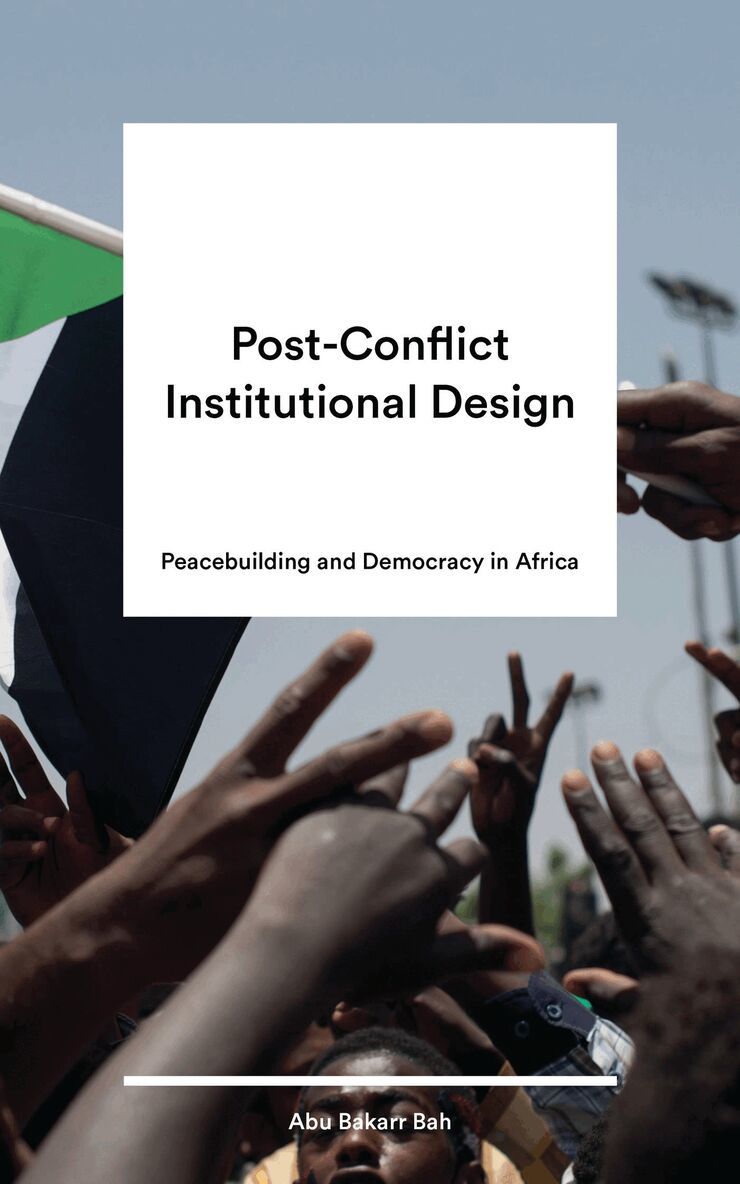
Since gaining independence from colonial rule, most African countries have been struggling to build democratic and peaceful states. While African multiparty politics may be viewed as a democratic system of governance, in reality it is plagued by ethnic and regional political grievances that undermine meaningful democracy.By examining post-conflict institutional reforms in several African countries, this book sheds light on the common causes of violent conflicts and how institutional design can affect the conditions for peace and democracy in Africa. Focussing on conceptual and practical questions of designing ethnically and regionally inclusive state institutions and the way institutions are perceived by the citizenry Post-Conflict Institutional Design addresses political autonomy and control over resources, issues which are often key sources of ethnic and regional grievances. Crucially, it examines the meanings of institutional reforms as well ethnic and regional representation.
448 kr
Skickas inom 10-15 vardagar
Since gaining independence from colonial rule, most African countries have been struggling to build democratic and peaceful states. While African multiparty politics may be viewed as a democratic system of governance, in reality it is plagued by ethnic and regional political grievances that undermine meaningful democracy.By examining post-conflict institutional reforms in several African countries, this book sheds light on the common causes of violent conflicts and how institutional design can affect the conditions for peace and democracy in Africa. Focussing on conceptual and practical questions of designing ethnically and regionally inclusive state institutions and the way institutions are perceived by the citizenry Post-Conflict Institutional Design addresses political autonomy and control over resources, issues which are often key sources of ethnic and regional grievances. Crucially, it examines the meanings of institutional reforms as well ethnic and regional representation.
1 799 kr
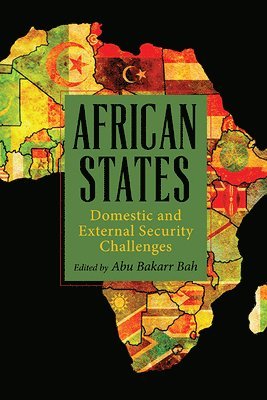
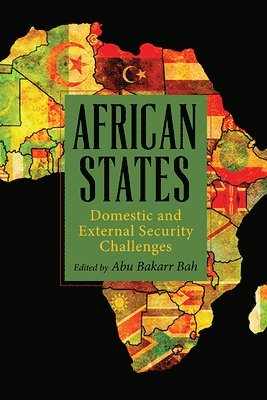
Essays on the security challenges faced by African states.The central concern that shapes this edited volume is the nature of the African state. Contributors point to an interesting intersection of domestic and external issues that is framed as a glocalized security situation. Individual chapters shed new insights on conflict drivers through case studies on Sierra Leone, Cameroon, Mali, Nigeria, and Somalia, as well as broader issues on the nature of African states. Arguments pivot on three issues, which show the intersection of the domestic and external forces that render the African state as a glocal problem: (a) the colonial roots of the state, (b) problems of governance, and (c) international and regional security imperatives. By problematizing the African state and connecting the security challenges of African states to colonialism, patrimonial rule, and geopolitical security issues, African States brings forth a new way of examining African states through the notion of glocalized security.
370 kr
Skickas
Essays on the security challenges faced by African states.The central concern that shapes this edited volume is the nature of the African state. Contributors point to an interesting intersection of domestic and external issues that is framed as a glocalized security situation. Individual chapters shed new insights on conflict drivers through case studies on Sierra Leone, Cameroon, Mali, Nigeria, and Somalia, as well as broader issues on the nature of African states. Arguments pivot on three issues, which show the intersection of the domestic and external forces that render the African state as a glocal problem: (a) the colonial roots of the state, (b) problems of governance, and (c) international and regional security imperatives. By problematizing the African state and connecting the security challenges of African states to colonialism, patrimonial rule, and geopolitical security issues, African States brings forth a new way of examining African states through the notion of glocalized security.