Adam Loughnane - Böcker
Visar alla böcker från författaren Adam Loughnane. Handla med fri frakt och snabb leverans.
6 produkter
6 produkter
309 kr
Skickas inom 7-10 vardagar
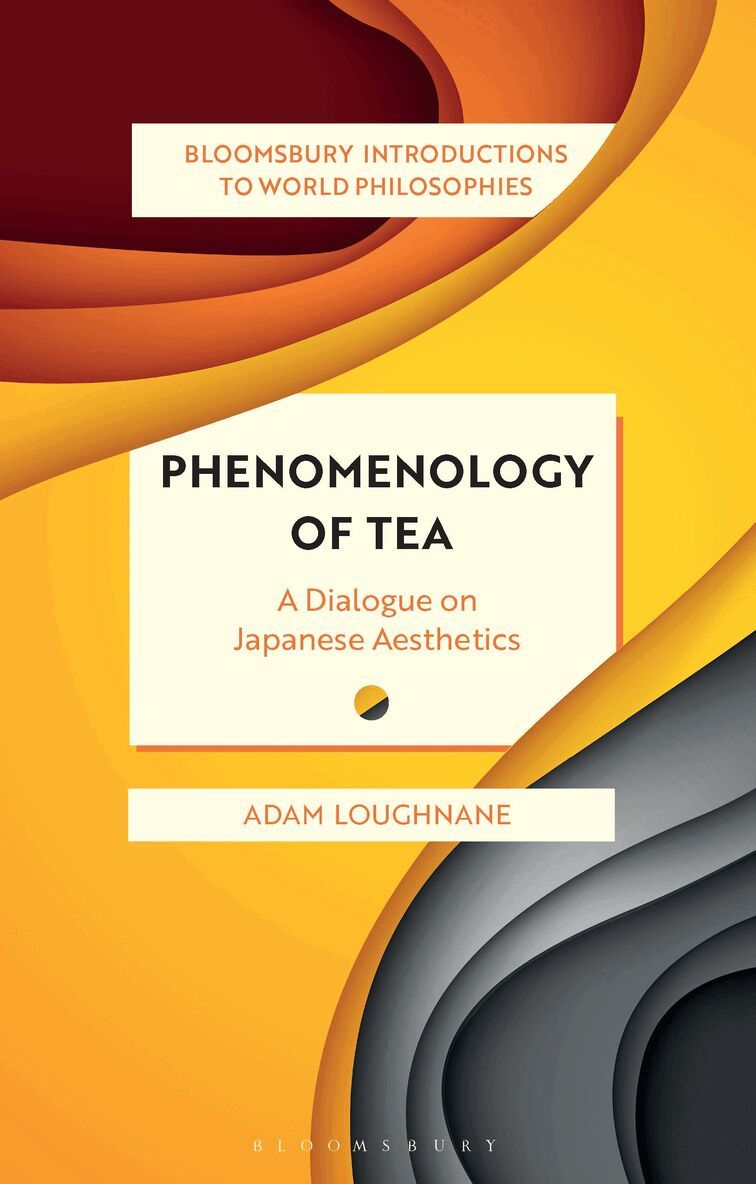
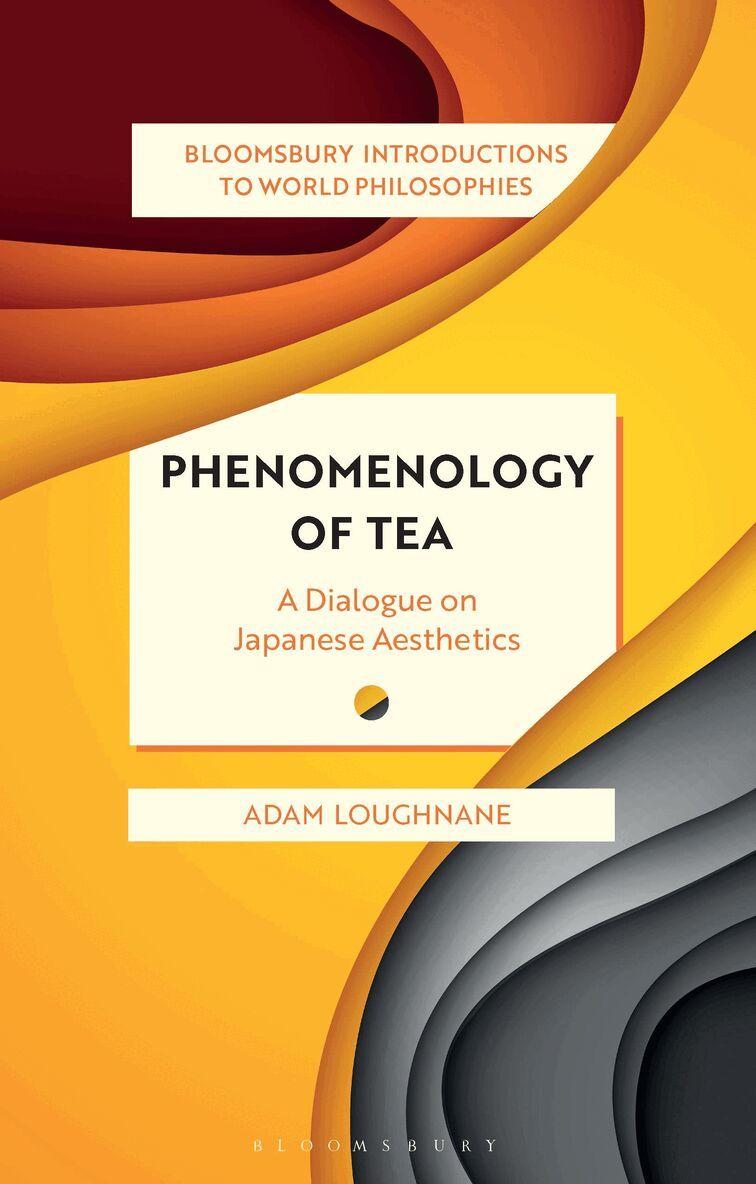
An ideal introduction for students new to Japanese philosophy and aesthetics, Phenomenology of Tea invites readers into a dialogue throughout the fascinating aesthetic worlds of the Japanese tea ceremony, delving into its rich history, its philosophical influences and religious backgrounds all synthesized into a ritual, which brings Japanese culture to one of its highest expressions. Tea guests begin their tour by discussing the deep intercultural challenges with foreign intellectual and artistic traditions, considering phenomenology and Kyoto School philosophy as means for bridging Eastern and Western worlds. Throughout the journey, the astonishing elements of the ceremony provoke discussion on the aesthetics of landscape gardening, of stone, vegetation, and water, and their philosophical significance in Buddhism, Daoism and Shintoism. Once inside the hut, the profound beauty of tea is revealed through traditional aesthetic practices of calligraphy, poetry, architecture, flower arranging, and pottery. As the plenitude of philosophic and aesthetic experience culminates in the first sip of matcha, readers are transported by way of Buddhist ideas into the world of Japanese cinema, where all ideas about the ceremony dissolve into emptiness. Featuring a conversational style, discussion questions, further readings, and meticulous illustrations, this book also provides a phenomenological reading of the tea ceremony, and offers new avenues for research and teaching in the field.
1 009 kr
Skickas inom 10-15 vardagar
An ideal introduction for students new to Japanese philosophy and aesthetics, Phenomenology of Tea invites readers into a dialogue throughout the fascinating aesthetic worlds of the Japanese tea ceremony, delving into its rich history, its philosophical influences and religious backgrounds all synthesized into a ritual, which brings Japanese culture to one of its highest expressions. Tea guests begin their tour by discussing the deep intercultural challenges with foreign intellectual and artistic traditions, considering phenomenology and Kyoto School philosophy as means for bridging Eastern and Western worlds. Throughout the journey, the astonishing elements of the ceremony provoke discussion on the aesthetics of landscape gardening, of stone, vegetation, and water, and their philosophical significance in Buddhism, Daoism and Shintoism. Once inside the hut, the profound beauty of tea is revealed through traditional aesthetic practices of calligraphy, poetry, architecture, flower arranging, and pottery. As the plenitude of philosophic and aesthetic experience culminates in the first sip of matcha, readers are transported by way of Buddhist ideas into the world of Japanese cinema, where all ideas about the ceremony dissolve into emptiness. Featuring a conversational style, discussion questions, further readings, and meticulous illustrations, this book also provides a phenomenological reading of the tea ceremony, and offers new avenues for research and teaching in the field.
1 223 kr
Skickas inom 5-8 vardagar
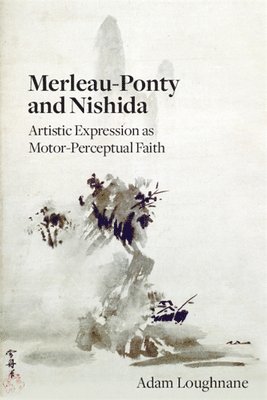
Places the phenomenologies of Merleau-Ponty and Nishida in dialogue and uncovers a demand for a motor-perceptual form of faith in both philosophers' meditations on artistic expression.Winner for the 2023 European Network of Japanese Philosophy Award for Excellence in Japanese Philosophy presented by the European Network of Japanese Philosophy In Merleau-Ponty and Nishida, Adam Loughnane initiates a fascinating new dialogue between two of the twentieth century's most important phenomenologists of the Eastern and Western philosophical worlds. Throughout the book, the reader is guided among the intricacies and innovations of Merleau-Ponty's and Nishida's ontological approaches to artistic expression with a focused look at a rarely explored connection between faith and negation in their philosophies. Exploring the intertwining of these concepts in their broader ontologies invokes a reappraisal of the ambiguous status of religion and art in the writings of both thinkers. Measuring these ambiguities, the ontologies of Flesh and Basho are read in-depth alongside great artworks and the motor-perceptual practices of seminal landscape artists such as Cézanne, Sesshū, Taiga, and Hasegawa, as well as other major figures of European, Chinese, and Japanese art history. Loughnane studies these artists' bodily practices, focusing on the intimate relations realized with the landscapes they paint, and illuminating a valence of their expressive disciplines as a motor-perceptual form of faith. Merleau-Ponty and Nishida is an exciting intercultural reading, expanding two philosophers' projects toward new horizons of research, revealing incitements in their writings that challenge unambiguous distinctions between art, philosophy, faith, and ultimately philosophy East and West.
608 kr
Skickas inom 3-6 vardagar
Places the phenomenologies of Merleau-Ponty and Nishida in dialogue and uncovers a demand for a motor-perceptual form of faith in both philosophers' meditations on artistic expression.Winner for the 2023 European Network of Japanese Philosophy Award for Excellence in Japanese Philosophy presented by the European Network of Japanese Philosophy In Merleau-Ponty and Nishida, Adam Loughnane initiates a fascinating new dialogue between two of the twentieth century's most important phenomenologists of the Eastern and Western philosophical worlds. Throughout the book, the reader is guided among the intricacies and innovations of Merleau-Ponty's and Nishida's ontological approaches to artistic expression with a focused look at a rarely explored connection between faith and negation in their philosophies. Exploring the intertwining of these concepts in their broader ontologies invokes a reappraisal of the ambiguous status of religion and art in the writings of both thinkers. Measuring these ambiguities, the ontologies of Flesh and Basho are read in-depth alongside great artworks and the motor-perceptual practices of seminal landscape artists such as Cézanne, Sesshū, Taiga, and Hasegawa, as well as other major figures of European, Chinese, and Japanese art history. Loughnane studies these artists' bodily practices, focusing on the intimate relations realized with the landscapes they paint, and illuminating a valence of their expressive disciplines as a motor-perceptual form of faith. Merleau-Ponty and Nishida is an exciting intercultural reading, expanding two philosophers' projects toward new horizons of research, revealing incitements in their writings that challenge unambiguous distinctions between art, philosophy, faith, and ultimately philosophy East and West.
Del 5 - Tetsugaku Companions to Japanese Philosophy
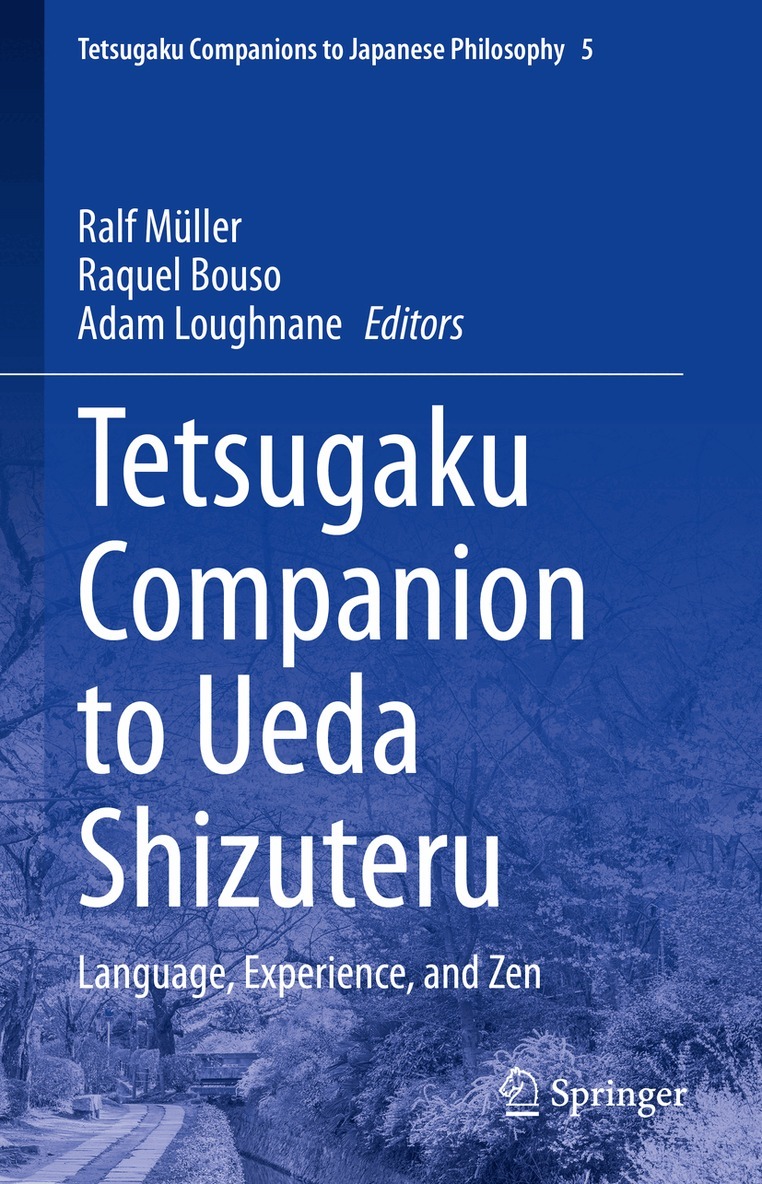
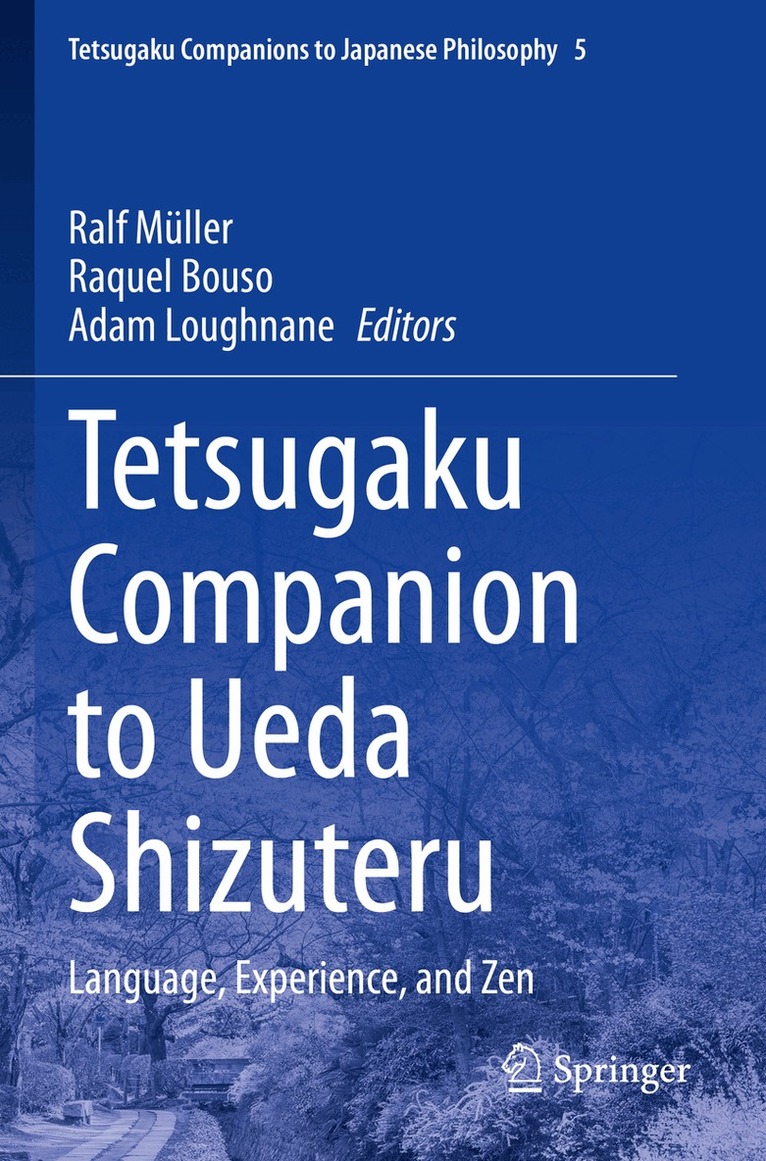
Tetsugaku Companion to Ueda Shizuteru
Language, Experience, and Zen
Inbunden, Engelska, 2022
1 381 kr
Skickas inom 10-15 vardagar
This book presents the first collection of essays on the philosophy of Ueda Shizuteru in a Western language.
Del 5 - Tetsugaku Companions to Japanese Philosophy
Tetsugaku Companion to Ueda Shizuteru
Language, Experience, and Zen
Häftad, Engelska, 2023
1 381 kr
Skickas inom 10-15 vardagar
This book presents the first collection of essays on the philosophy of Ueda Shizuteru in a Western language. Ueda, the last living member of the Kyoto school, has fostered the East-West dialogue in all his works and has helped to open up the Western image of philosophy by engaging the Zen tradition. The book reflects this particular trait of Ueda’s philosophy, but it also covers all thematic fields of his writings. Contributions from both young and established scholars and experts from Japan, Europe and the U.S. make this a unique introduction to and reception of Ueda’s philosophy. Readers will discover discussions of mysticism in the East and West, and consideration of modern philosophy topics including self-awareness, nature and poetic language. The book also presents a focussed look at language and nothingness, considering silence and nihilism. Chapters allow the reader to understand the timeliness of a thinking that mediates and transcends the dichotomy of East and West. This volume will appeal not only to scholars of Nishida, Japanese philosophy, mysticism and religious experience in Japan, but also to scholars of Western philosophy, especially those interested in Meister Eckhart, Martin Heidegger and Martin Buber. It makes an ideal introduction to Zen philosophy and presents important contributions to scholarship on language and experience.