Adam Lowenstein – författare
Visar alla böcker från författaren Adam Lowenstein. Handla med fri frakt och snabb leverans.
7 produkter
7 produkter
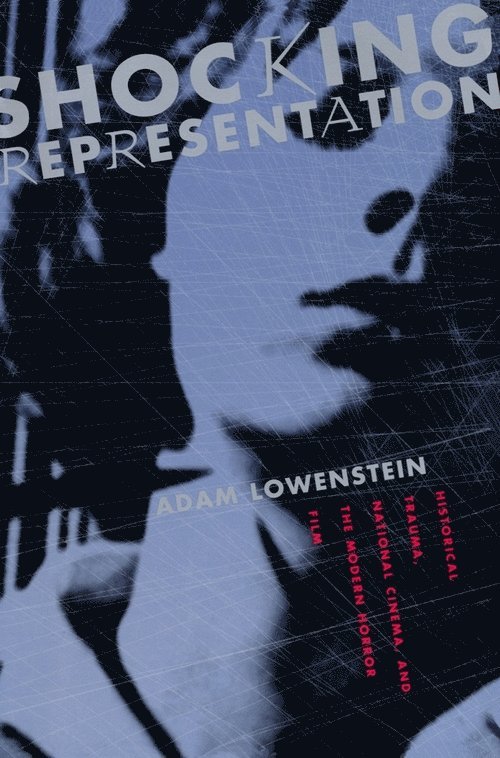
Shocking Representation
Historical Trauma, National Cinema, and the Modern Horror Film
Inbunden, Engelska, 2005
1 202 kr
Skickas inom 5-8 vardagar
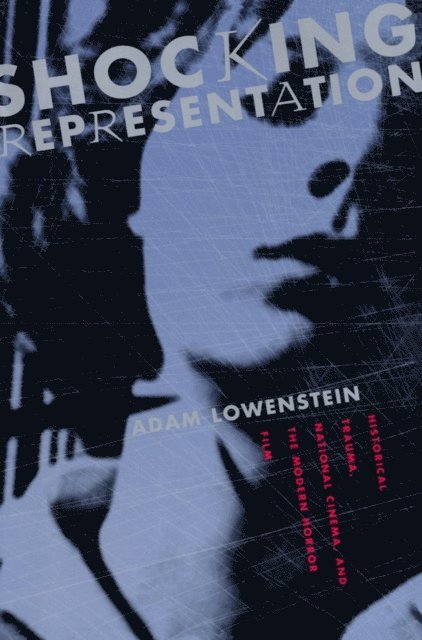
In this imaginative new work, Adam Lowenstein explores the ways in which a group of groundbreaking horror films engaged the haunting social conflicts left in the wake of World War II, Hiroshima, and the Vietnam War. Lowenstein centers Shocking Representation around readings of films by Georges Franju, Michael Powell, Shindo Kaneto, Wes Craven, and David Cronenberg. He shows that through allegorical representations these directors' films confronted and challenged comforting historical narratives and notions of national identity intended to soothe public anxieties in the aftermath of national traumas. Borrowing elements from art cinema and the horror genre, these directors disrupted the boundaries between high and low cinema. Lowenstein contrasts their works, often dismissed by contemporary critics, with the films of acclaimed "New Wave" directors in France, England, Japan, and the United States. He argues that these "New Wave" films, which were embraced as both art and national cinema, often upheld conventional ideas of nation, history, gender, and class questioned by the horror films.By fusing film studies with the emerging field of trauma studies, and drawing on the work of Walter Benjamin, Adam Lowenstein offers a bold reassessment of the modern horror film and the idea of national cinema.
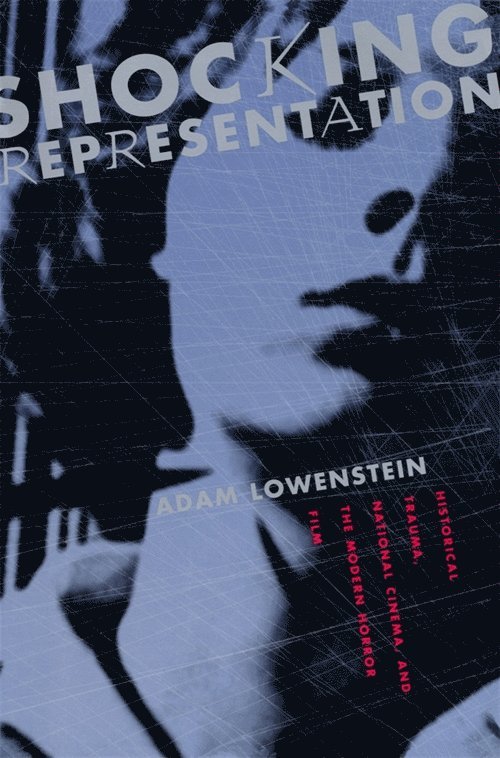
Shocking Representation
Historical Trauma, National Cinema, and the Modern Horror Film
Häftad, Engelska, 2005
600 kr
Skickas inom 3-6 vardagar
In this imaginative new work, Adam Lowenstein explores the ways in which a group of groundbreaking horror films engaged the haunting social conflicts left in the wake of World War II, Hiroshima, and the Vietnam War. Lowenstein centers Shocking Representation around readings of films by Georges Franju, Michael Powell, Shindo Kaneto, Wes Craven, and David Cronenberg. He shows that through allegorical representations these directors' films confronted and challenged comforting historical narratives and notions of national identity intended to soothe public anxieties in the aftermath of national traumas. Borrowing elements from art cinema and the horror genre, these directors disrupted the boundaries between high and low cinema. Lowenstein contrasts their works, often dismissed by contemporary critics, with the films of acclaimed "New Wave" directors in France, England, Japan, and the United States. He argues that these "New Wave" films, which were embraced as both art and national cinema, often upheld conventional ideas of nation, history, gender, and class questioned by the horror films.By fusing film studies with the emerging field of trauma studies, and drawing on the work of Walter Benjamin, Adam Lowenstein offers a bold reassessment of the modern horror film and the idea of national cinema.
1 202 kr
Skickas inom 5-8 vardagar
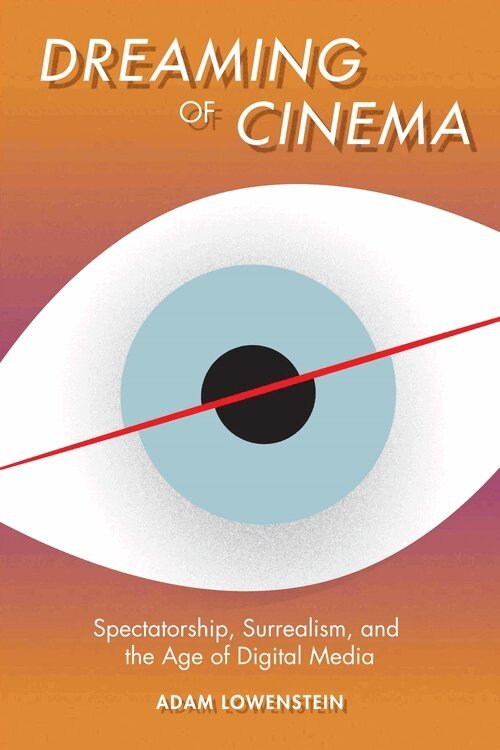
Video games, YouTube channels, Blu-ray discs, and other forms of "new" media have made theatrical cinema seem "old." A sense of "cinema lost" has accompanied the ascent of digital media, and many worry film's capacity to record the real is fundamentally changing. Yet the Surrealist movement never treated cinema as a realist medium and understood our perceptions of the real itself to be a mirage. Returning to their interpretation of film's aesthetics and function, this book reads the writing, films, and art of Luis Bunuel, Salvador Dali, Man Ray, Andre Breton, Andre Bazin, Roland Barthes, Georges Bataille, Roger Caillois, and Joseph Cornell and recognizes their significance for the films of David Cronenberg, Nakata Hideo, and Atom Egoyan; the American remake of the Japanese Ring (1998); and a YouTube channel devoted to Rock Hudson. Offering a positive alternative to cinema's perceived crisis of realism, this innovative study enriches the meaning of cinematic spectatorship in the twenty-first century.
298 kr
Skickas inom 5-8 vardagar
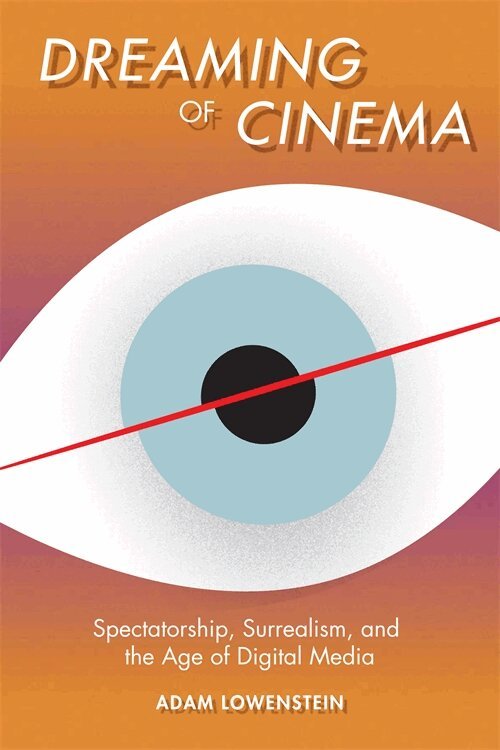
Video games, YouTube channels, Blu-ray discs, and other forms of "new" media have made theatrical cinema seem "old." A sense of "cinema lost" has accompanied the ascent of digital media, and many worry film's capacity to record the real is fundamentally changing. Yet the Surrealist movement never treated cinema as a realist medium and understood our perceptions of the real itself to be a mirage. Returning to their interpretation of film's aesthetics and function, this book reads the writing, films, and art of Luis Bunuel, Salvador Dali, Man Ray, Andre Breton, Andre Bazin, Roland Barthes, Georges Bataille, Roger Caillois, and Joseph Cornell and recognizes their significance for the films of David Cronenberg, Nakata Hideo, and Atom Egoyan; the American remake of the Japanese Ring (1998); and a YouTube channel devoted to Rock Hudson. Offering a positive alternative to cinema's perceived crisis of realism, this innovative study enriches the meaning of cinematic spectatorship in the twenty-first century.
1 202 kr
Skickas inom 5-8 vardagar
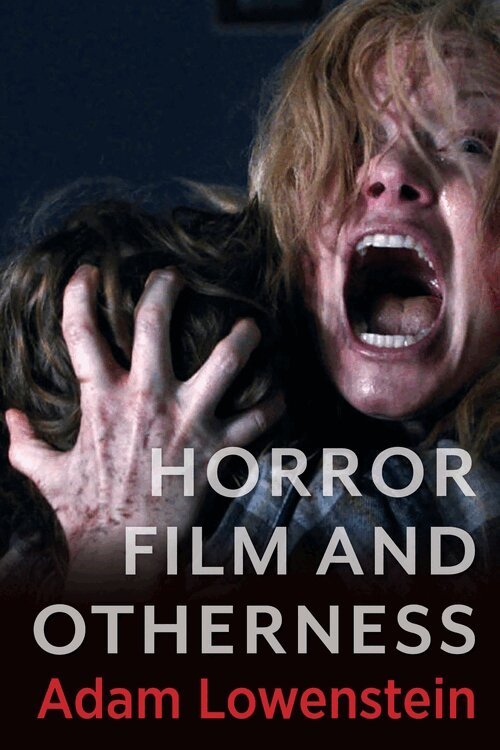
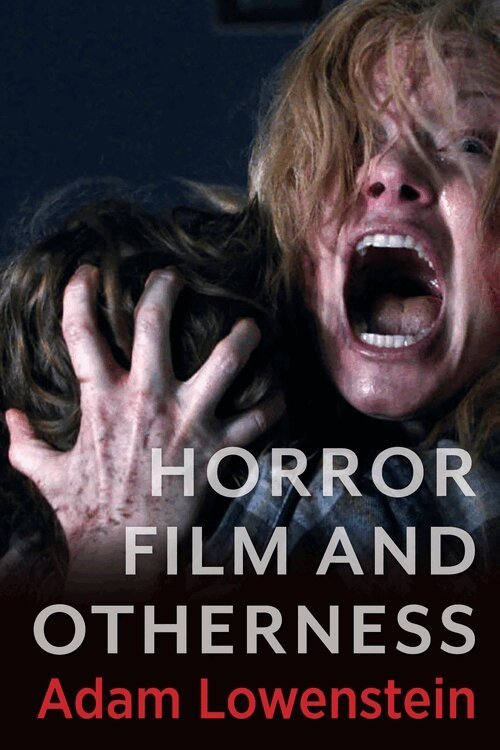
What do horror films reveal about social difference in the everyday world? Criticism of the genre often relies on a dichotomy between monstrosity and normality, in which unearthly creatures and deranged killers are metaphors for society’s fear of the “others” that threaten the “normal.” The monstrous other might represent women, Jews, or Blacks, as well as Indigenous, queer, poor, elderly, or disabled people. The horror film’s depiction of such minorities can be sympathetic to their exclusion or complicit in their oppression, but ultimately, these images are understood to stand in for the others that the majority dreads and marginalizes.Adam Lowenstein offers a new account of horror and why it matters for understanding social otherness. He argues that horror films reveal how the category of the other is not fixed. Instead, the genre captures ongoing metamorphoses across “normal” self and “monstrous” other. This “transformative otherness” confronts viewers with the other’s experience—and challenges us to recognize that we are all vulnerable to becoming or being seen as the other. Instead of settling into comforting certainties regarding monstrosity and normality, horror exposes the ongoing struggle to acknowledge self and other as fundamentally intertwined.Horror Film and Otherness features new interpretations of landmark films by directors including Tobe Hooper, George A. Romero, John Carpenter, David Cronenberg, Stephanie Rothman, Jennifer Kent, Marina de Van, and Jordan Peele. Through close analysis of their engagement with different forms of otherness, this book provides new perspectives on horror’s significance for culture, politics, and art.
306 kr
Skickas inom 5-8 vardagar
What do horror films reveal about social difference in the everyday world? Criticism of the genre often relies on a dichotomy between monstrosity and normality, in which unearthly creatures and deranged killers are metaphors for society’s fear of the “others” that threaten the “normal.” The monstrous other might represent women, Jews, or Blacks, as well as Indigenous, queer, poor, elderly, or disabled people. The horror film’s depiction of such minorities can be sympathetic to their exclusion or complicit in their oppression, but ultimately, these images are understood to stand in for the others that the majority dreads and marginalizes.Adam Lowenstein offers a new account of horror and why it matters for understanding social otherness. He argues that horror films reveal how the category of the other is not fixed. Instead, the genre captures ongoing metamorphoses across “normal” self and “monstrous” other. This “transformative otherness” confronts viewers with the other’s experience—and challenges us to recognize that we are all vulnerable to becoming or being seen as the other. Instead of settling into comforting certainties regarding monstrosity and normality, horror exposes the ongoing struggle to acknowledge self and other as fundamentally intertwined.Horror Film and Otherness features new interpretations of landmark films by directors including Tobe Hooper, George A. Romero, John Carpenter, David Cronenberg, Stephanie Rothman, Jennifer Kent, Marina de Van, and Jordan Peele. Through close analysis of their engagement with different forms of otherness, this book provides new perspectives on horror’s significance for culture, politics, and art.
4 076 kr
Kommande
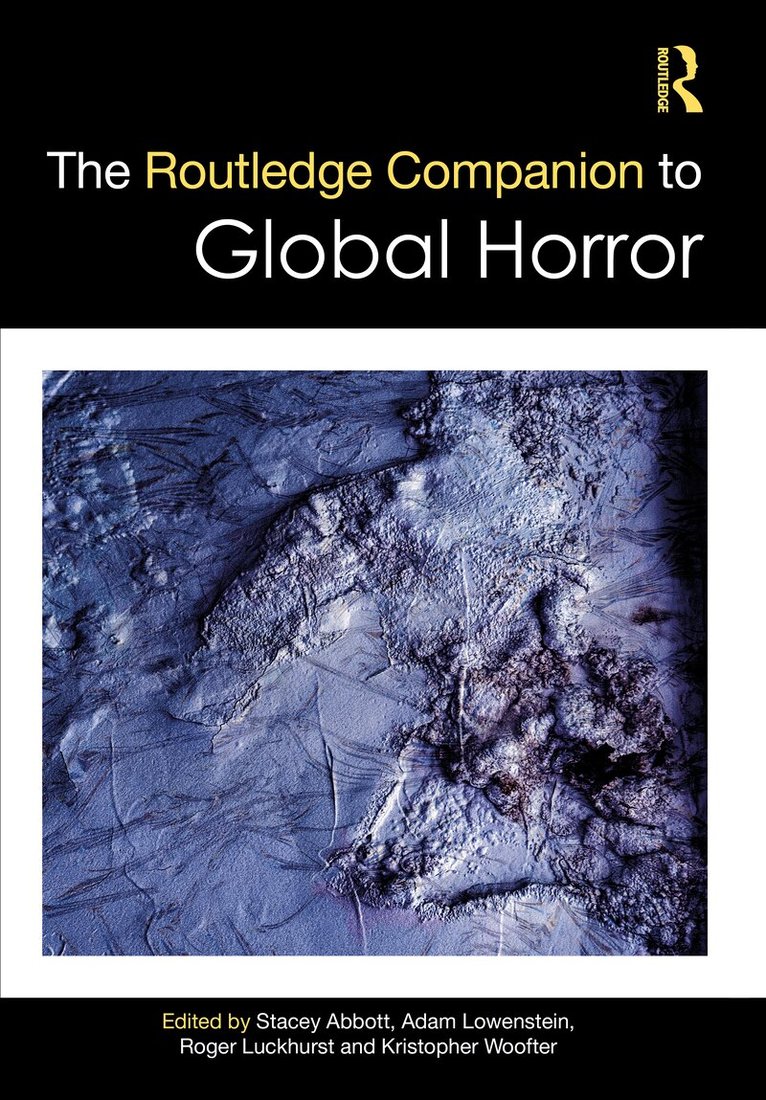
The Routledge Companion to Global Horror is a mapping of an emergent Global Horror Studies that are developing across media forms of literature, film, TV, radio, podcasting, video gaming and other forms of culture. In 53 chapters and 25 ‘snapshot’ mini-essays, the Companion has commissioned leading scholars from Sweden to New Zealand, from China, North and South America, the UK and Europe, to cover what is now a global network of horror. The book offers specialist sections on literature, film, TV and transmedia horror as well as sections with chapters on established and emergent theoretical frames and the cultural and intersectional politics of horror. Uniquely, it builds both a history of the rise of ‘horror’ in distinct forms and a new mapping of a constantly evolving global genre, now produced across a network of transnational sources, each with their own distinct version of horror. . This volume will allow readers to think in an inherently transnational, comparative mode of critical apprehension of the genre, decentering narrow national formulations of horror for a wider, interdisciplinary conception of horror.