Adolfo Perez Esquivel – författare
Visar alla böcker från författaren Adolfo Perez Esquivel. Handla med fri frakt och snabb leverans.
5 produkter
5 produkter
Inbunden, Engelska, 2021
504 kr
Skickas inom 10-15 vardagar
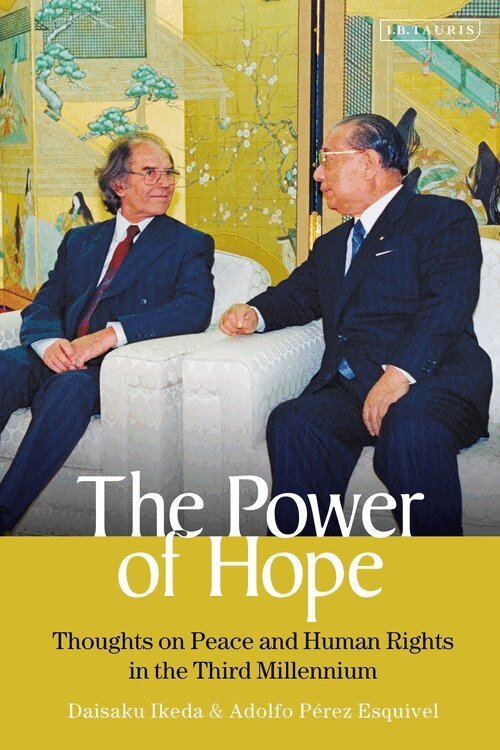
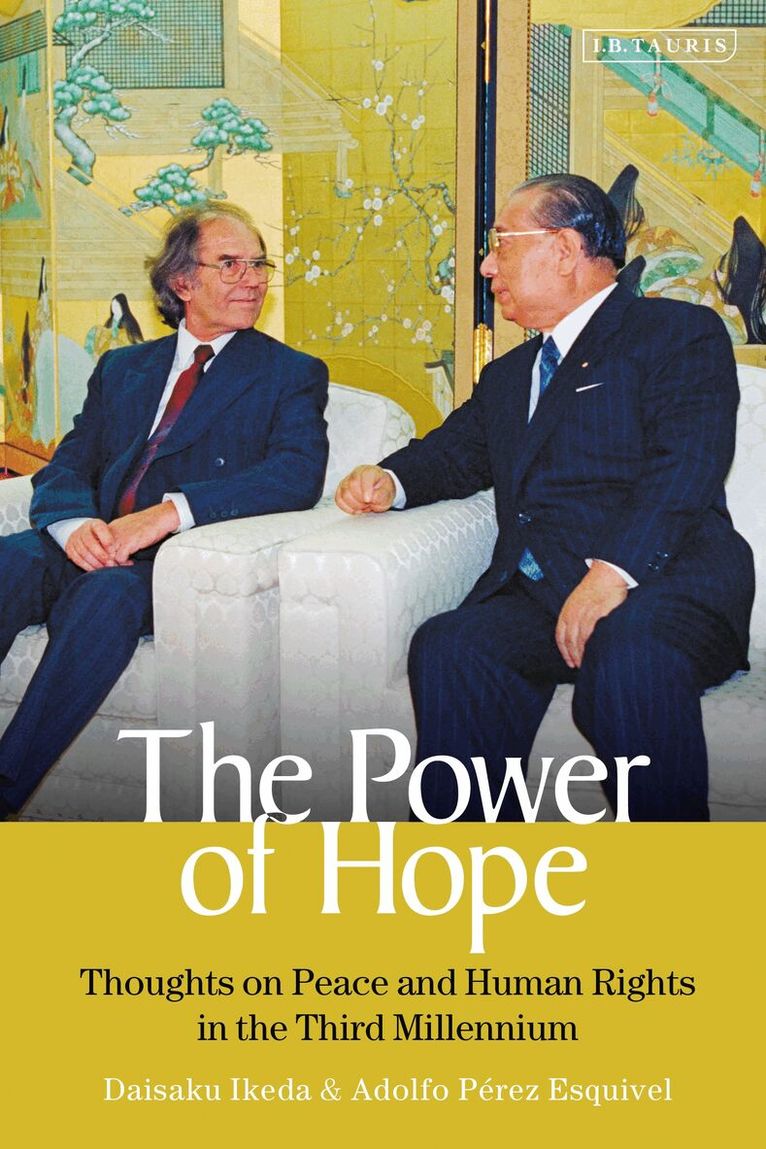
Human history has been marked by the great number of people born into conditions of war, violence, oppression and social exclusion. But at the same time, this history has been shaped by the long struggle for human rights and the people who have committed themselves to the practices of solidarity and nonviolence. The Power of Hope: Thoughts on Peace and Human Rights in the Third Millennium is a dialogue between two high-profile activists and thinkers who discuss the concrete ways we can shift to a world that prioritises justice and human dignity. Adolfo Pérez Esquivel - Argentinian human rights activist and winner of the 1980 Nobel Peace Prize - played a vital role in resisting military dictatorship and was arrested and tortured under the Argentine militarist government. Daisaku Ikeda is a peacebuilder, Buddhist philosopher, educator, author and poet as well as being the founding president of Soka Gakkai International (SGI), the world’s largest Buddhist lay organisation. Their dialogue intertwines their rich personal experiences in the struggle for human rights with wider reflections on how to make the Third Millennium the millennium of peace. The book combines rich accounts of Latin America under the brutality of the 1970s military regimes; insights from the Buddhist faith on the role of meditation for human rights activists; recognition of the crucial role of women in the practice of nonviolence; thoughts on international geopolitics and the legacies of Hiroshima; and discussion of the perilous role of globalisation in the loss of identities and ethical values.
Häftad, Engelska, 2021
228 kr
Skickas inom 10-15 vardagar
Human history has been marked by the great number of people born into conditions of war, violence, oppression and social exclusion. But at the same time, this history has been shaped by the long struggle for human rights and the people who have committed themselves to the practices of solidarity and nonviolence.The Power of Hope: Thoughts on Peace and Human Rights in the Third Millennium is a dialogue between two high-profile activists and thinkers who discuss the concrete ways we can shift to a world that prioritises justice and human dignity. Adolfo Pérez Esquivel - Argentinian human rights activist and winner of the 1980 Nobel Peace Prize - played a vital role in resisting military dictatorship and was arrested and tortured under the Argentine militarist government. Daisaku Ikeda is a peacebuilder, Buddhist philosopher, educator, author and poet as well as being the founding president of Soka Gakkai International (SGI), the world’s largest Buddhist lay organisation. Their dialogue intertwines their rich personal experiences in the struggle for human rights with wider reflections on how to make the Third Millennium the millennium of peace.The book combines rich accounts of Latin America under the brutality of the 1970s military regimes; insights from the Buddhist faith on the role of meditation for human rights activists; recognition of the crucial role of women in the practice of nonviolence; thoughts on international geopolitics and the legacies of Hiroshima; and discussion of the perilous role of globalisation in the loss of identities and ethical values.
E-bok
PDF, Engelska, 2021234 kr
Läs direkt efter köp
Human history has been marked by the great number of people born into conditions of war, violence, oppression and social exclusion. But at the same time, this history has been shaped by the long struggle for human rights and the people who have committed themselves to the practices of solidarity and nonviolence. The Power of Hope: Thoughts on Peace and Human Rights in the Third Millennium is a dialogue between two high-profile activists and thinkers who discuss the concrete ways we can shift to a world that prioritises justice and human dignity. Adolfo Pérez Esquivel - Argentinian human rights activist and winner of the 1980 Nobel Peace Prize - played a vital role in resisting military dictatorship and was arrested and tortured under the Argentine militarist government. Daisaku Ikeda is a peacebuilder, Buddhist philosopher, educator, author and poet as well as being the founding president of Soka Gakkai International (SGI), the world's largest Buddhist lay organisation. Their dialogue intertwines their rich personal experiences in the struggle for human rights with wider reflections on how to make the Third Millennium the millennium of peace. The book combines rich accounts of Latin America under the brutality of the 1970s military regimes; insights from the Buddhist faith on the role of meditation for human rights activists; recognition of the crucial role of women in the practice of nonviolence; thoughts on international geopolitics and the legacies of Hiroshima; and discussion of the perilous role of globalisation in the loss of identities and ethical values.
E-bok
Engelska, 2021234 kr
Läs direkt efter köp
Human history has been marked by the great number of people born into conditions of war, violence, oppression and social exclusion. But at the same time, this history has been shaped by the long struggle for human rights and the people who have committed themselves to the practices of solidarity and nonviolence. The Power of Hope: Thoughts on Peace and Human Rights in the Third Millennium is a dialogue between two high-profile activists and thinkers who discuss the concrete ways we can shift to a world that prioritises justice and human dignity. Adolfo Pérez Esquivel - Argentinian human rights activist and winner of the 1980 Nobel Peace Prize - played a vital role in resisting military dictatorship and was arrested and tortured under the Argentine militarist government. Daisaku Ikeda is a peacebuilder, Buddhist philosopher, educator, author and poet as well as being the founding president of Soka Gakkai International (SGI), the world's largest Buddhist lay organisation. Their dialogue intertwines their rich personal experiences in the struggle for human rights with wider reflections on how to make the Third Millennium the millennium of peace. The book combines rich accounts of Latin America under the brutality of the 1970s military regimes; insights from the Buddhist faith on the role of meditation for human rights activists; recognition of the crucial role of women in the practice of nonviolence; thoughts on international geopolitics and the legacies of Hiroshima; and discussion of the perilous role of globalisation in the loss of identities and ethical values.
E-bok
Spanska, 201596 kr
Läs direkt efter köp
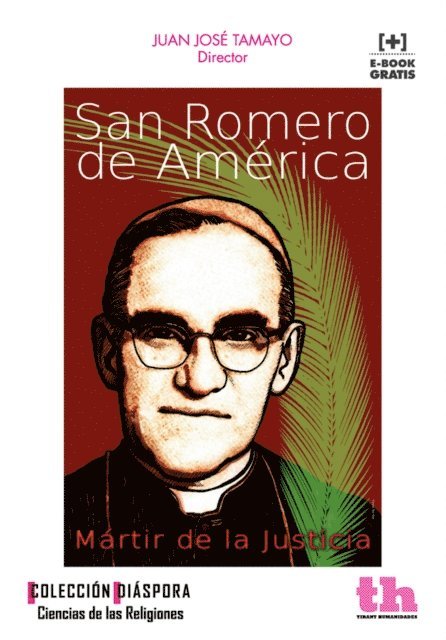
Monseñor Romero, arzobispo de San Salvador, El Salvador (1977-1980), es uno de los símbolos más luminosos del cristianismo liberador no solo de la Iglesia salvadoreña y latinoamericana, sino de la Iglesia universal. Es un referente para creyentes y no creyentes en la lucha por la justicia; para los políticos en la nueva manera de entender y de practicar la relación entre el poder y la ciudadanía; para los dirigentes eclesiásticos en su articulación de la relación entre espiritualidad y opción por los empobrecidos. Desde su asesinato el 24 de marzo de 1980 la figura de Óscar Arnulfo Romero no ha cesado de crecer en todos los ámbitos: continental e intercontinental, nacional e internacional, y a todos los niveles: religioso y político, intercultural e interreligioso, teológico y moral. Un crecimiento que, tras décadas de dudas y vacilaciones por parte del Vaticano, ha culminado con su beatificación por iniciativa del papa Francisco, que está en plena sintonía con el proyecto de Romero de crear una Iglesia de los pobres, libre de los poderes y liberadora de los excluidos, denunciadora de la injusticia estructural y anunciadora de la utopía del reino de Dios en la historia.