Afshin Matin-Asgari – författare
Visar alla böcker från författaren Afshin Matin-Asgari. Handla med fri frakt och snabb leverans.
6 produkter
6 produkter
Häftad, Engelska, 2018
391 kr
Skickas inom 7-10 vardagar
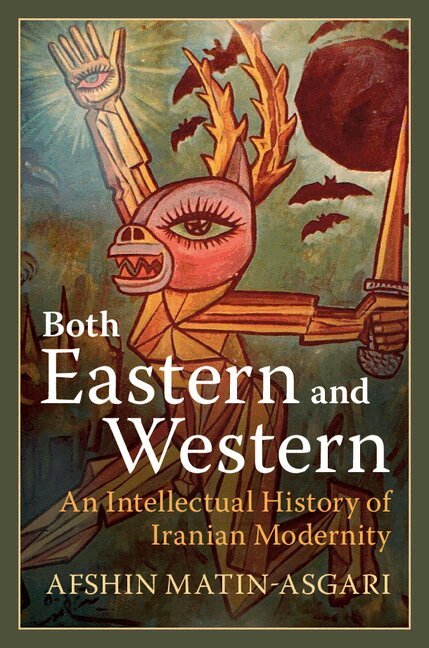
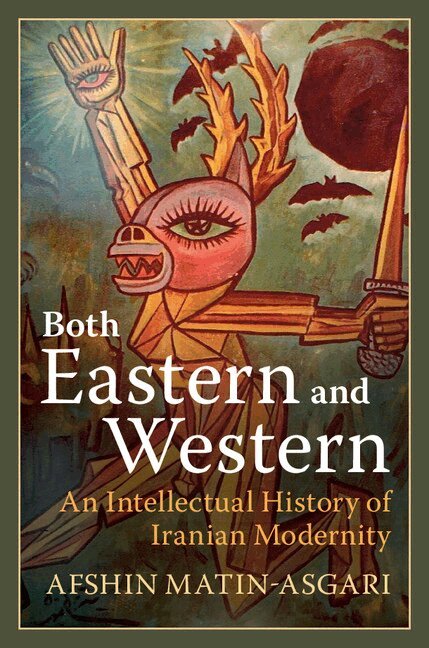
Since the Iranian Revolution of 1979, many Western observers of Iran have seen the country caught between Eastern history and 'Western' modernity, between religion and secularity. As a result, analysis of political philosophy preceding the Revolution has become subsumed by this narrative. Here, Afshin Matin-Asgari proposes a revisionist work of intellectual history, challenging many of the dominant paradigms in Iranian and Middle Eastern historiography and offering a new narration. In charting the intellectual construction of Iranian modernity during the twentieth century, Matin-Asgari focuses on broad patterns of influential ideas and their relation to each other. These intellectual trends are studied in a global historical context, leading to the assertion that Iranian modernity has been sustained by at least a century of intense intellectual interaction with global ideologies. Turning many prevailing narratives on their heads, the author concludes that modern Iran can be seen as, culturally and intellectually, both Eastern and Western.
E-bok
Engelska, 2018460 kr
Läs direkt efter köp
Since the Iranian Revolution of 1979, many Western observers of Iran have seen the country caught between Eastern history and ''Western'' modernity, between religion and secularity. As a result, analysis of political philosophy preceding the Revolution has become subsumed by this narrative. Here, Afshin Matin-Asgari proposes a revisionist work of intellectual history, challenging many of the dominant paradigms in Iranian and Middle Eastern historiography and offering a new narration. In charting the intellectual construction of Iranian modernity during the twentieth century, Matin-Asgari focuses on broad patterns of influential ideas and their relation to each other. These intellectual trends are studied in a global historical context, leading to the assertion that Iranian modernity has been sustained by at least a century of intense intellectual interaction with global ideologies. Turning many prevailing narratives on their heads, the author concludes that modern Iran can be seen as, culturally and intellectually, both Eastern and Western.
E-bok
PDF, Engelska, 2018456 kr
Läs direkt efter köp
Since the Iranian Revolution of 1979, many Western observers of Iran have seen the country caught between Eastern history and ''Western'' modernity, between religion and secularity. As a result, analysis of political philosophy preceding the Revolution has become subsumed by this narrative. Here, Afshin Matin-Asgari proposes a revisionist work of intellectual history, challenging many of the dominant paradigms in Iranian and Middle Eastern historiography and offering a new narration. In charting the intellectual construction of Iranian modernity during the twentieth century, Matin-Asgari focuses on broad patterns of influential ideas and their relation to each other. These intellectual trends are studied in a global historical context, leading to the assertion that Iranian modernity has been sustained by at least a century of intense intellectual interaction with global ideologies. Turning many prevailing narratives on their heads, the author concludes that modern Iran can be seen as, culturally and intellectually, both Eastern and Western.
Inbunden, Engelska, 2026
288 kr
Skickas inom 5-8 vardagar
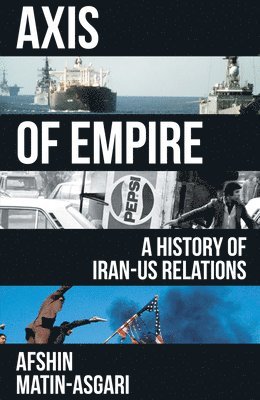
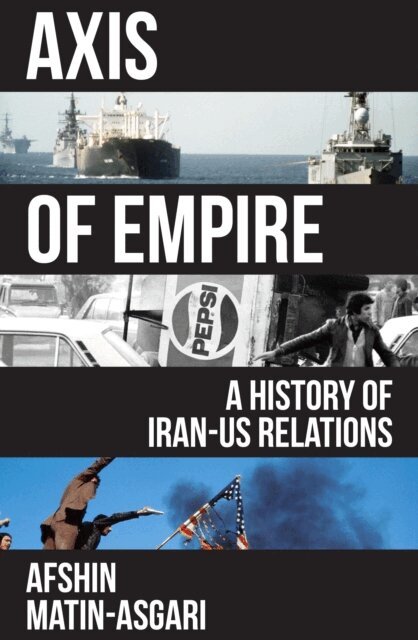
Ironic plot twists and colorful characters abound in Afshin Matin-Asgari's accessible history of relations between the United States and Iran. The missionaries and educators who descended on Iran in the early nineteenth century made way for the next century's oilmen, CIA agents, scholars, and arms dealers in the assertion of US imperial priorities. Whether Iran resisted or succumbed to US interests, it couldn't fail to be shaped by the superpower.Matin-Asgari offers fresh takes on familiar topics: America's rise as a Middle East hegemon during the Cold War; the special relationship between Washington and the shah; the Iranian Revolution and hostage crisis; the Iran-Iraq war; the Islamic Republic's peculiar anti-imperialism; the decades of onerous American sanctions; Israel's intervention in Iran-US relations; the ascendance of Trump; and the 2025 attempt by the United States and Israel to bring regime change to Tehran.A labyrinthine tale of American imperial misadventures, Axis of Empire incorporates and challenges scholarly narratives while offering a sophisticated yet highly readable account of Iran-US history.
E-bok
Engelska, 2026153 kr
Läs direkt efter köp
Ironic plot twists and colorful characters abound in Afshin Matin-Asgari's accessible history of relations between the United States and Iran. The missionaries and educators who descended on Iran in the early nineteenth century made way for the next century's oilmen, CIA agents, scholars, and arms dealers in the assertion of US imperial priorities. Whether Iran resisted or succumbed to US interests, it couldn't fail to be shaped by the superpower.Matin-Asgari offers fresh takes on familiar topics: America's rise as a Middle East hegemon during the Cold War; the special relationship between Washington and the shah; the Iranian Revolution and hostage crisis; the Iran-Iraq war; the Islamic Republic's peculiar anti-imperialism; the decades of onerous American sanctions; Israel's intervention in Iran-US relations; the ascendance of Trump; and the 2025 attempt by the United States and Israel to bring regime change to Tehran.A labyrinthine tale of American imperial misadven,tures, Axis of Empire incorporates and challenges scholarly narratives while offering a sophisticated yet highly readable account of Iran-US history.
Inbunden, Engelska, 2018
1 413 kr
Tillfälligt slut
Since the Iranian Revolution of 1979, many Western observers of Iran have seen the country caught between Eastern history and 'Western' modernity, between religion and secularity. As a result, analysis of political philosophy preceding the Revolution has become subsumed by this narrative. Here, Afshin Matin-Asgari proposes a revisionist work of intellectual history, challenging many of the dominant paradigms in Iranian and Middle Eastern historiography and offering a new narration. In charting the intellectual construction of Iranian modernity during the twentieth century, Matin-Asgari focuses on broad patterns of influential ideas and their relation to each other. These intellectual trends are studied in a global historical context, leading to the assertion that Iranian modernity has been sustained by at least a century of intense intellectual interaction with global ideologies. Turning many prevailing narratives on their heads, the author concludes that modern Iran can be seen as, culturally and intellectually, both Eastern and Western.