Agata Kochanska – författare
Visar alla böcker från författaren Agata Kochanska. Handla med fri frakt och snabb leverans.
3 produkter
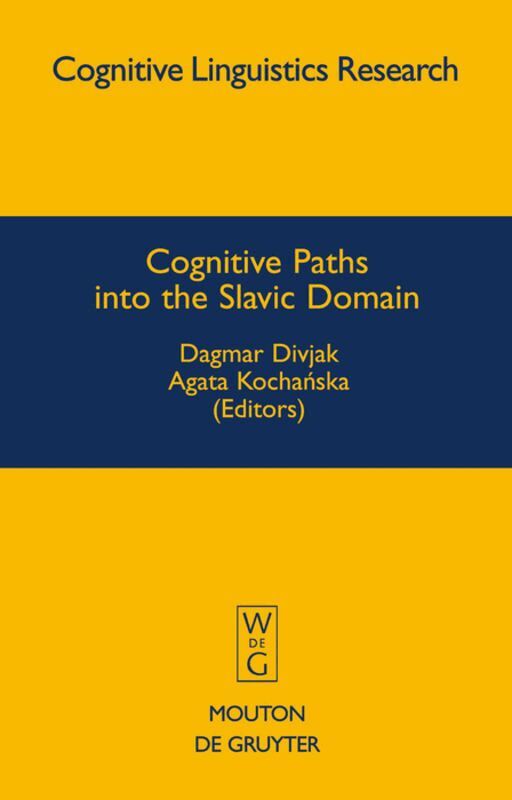
Cognitive Paths into the Slavic Domain
Av Dagmar Divjak, Agata Kochanska
Inbunden, 2007
2927 kr
Lägg i varukorg
The volume presents an overview of recent cognitive linguistic research on Slavic languages. Slavic languages, with their rich inflectional morphology in both the nominal and the verbal system, provide an important testing ground for a linguistic theory that seeks to motivate linguistic structure. …
Cognitive Paths into the Slavic Domain
Av Agata Kochanska, Dagmar Divjak
E-bok, 2008
3155 kr
Lägg i varukorg
The volume presents an overview of recent cognitive linguistic research on Slavic languages. Slavic languages, with their rich inflectional morphology in both the nominal and the verbal system, provide an important testing ground for a linguistic theory that seeks to motivate linguistic structure. …
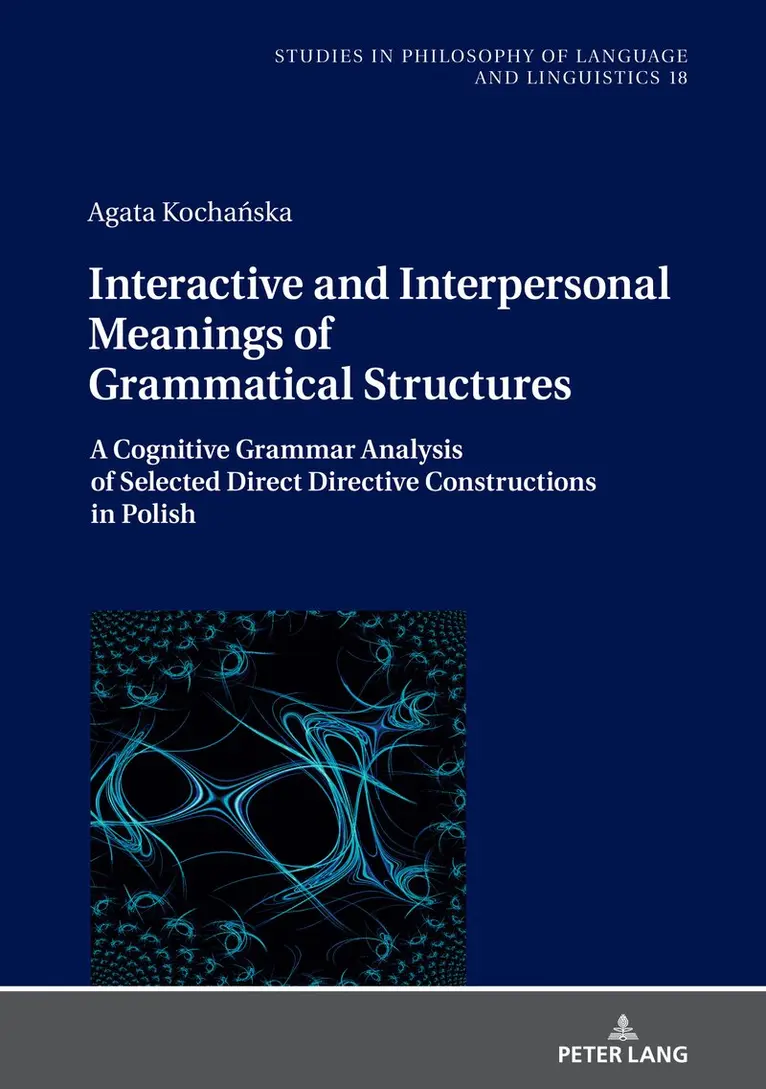
Interactive and Interpersonal Meanings of Grammatical Structures
A Cognitive Grammar Analysis of Selected Direct Directive Constructions in Polish
Av Agata Kochańska, Piotr Stalmaszczyk
Inbunden, 2022
618 kr
Lägg i varukorg
The study offers an analysis of three grammatical constructions specifically employed in direct performance of directive speech acts in Polish. Constructions of this type have not yet been widely analyzed, as research pertaining to the relation between the grammatical structure of an utterance and …