Agnieszka Tubis - Böcker
Visar alla böcker från författaren Agnieszka Tubis. Handla med fri frakt och snabb leverans.
4 produkter
4 produkter
1 898 kr
Skickas inom 7-10 vardagar
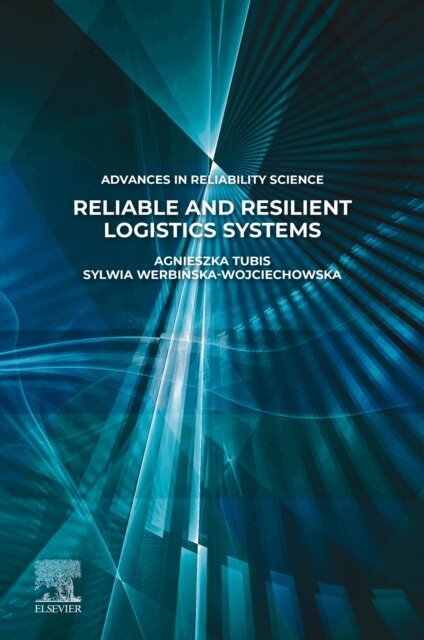
Reliable and Resilient Logistic Systems signposts the risks associated with common logistics systems and provides cutting-edge preventive and rapid response strategies to counter them. Today’s dynamically changing market conditions create an unstable and unpredictable environment for enterprises to operate in, which is not catered to by traditional approaches to logistics planning and organization. In response, this ground-breaking book explains how to create resilient logistic networks that can adapt quickly to changes in operational conditions, thus leading to more reliable supply. Adopting a process orientation, the authors consider a range of issues related to continuous improvement and sidestep the organizational boundaries that can stand in the way of process optimization. Their interdisciplinary approach addresses both technical and management aspects of logistics system performance, thus reflecting the complexity of the challenges targeted.Describes each logistics system comprehensively with a relevant industry case studyCombines management and risk and reliability approaches to provide an interdisciplinary view of complex logistics problemsDescribed a practical framework for logistics decision-makers
1 800 kr
Skickas inom 10-15 vardagar
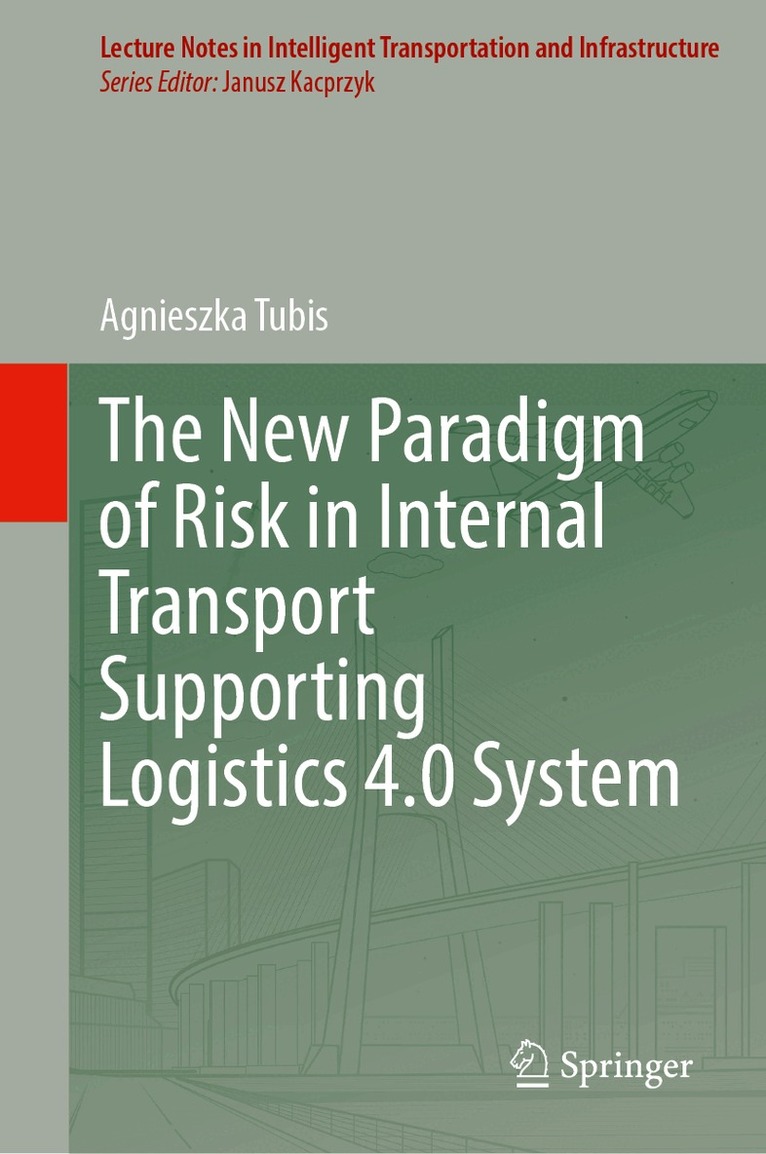
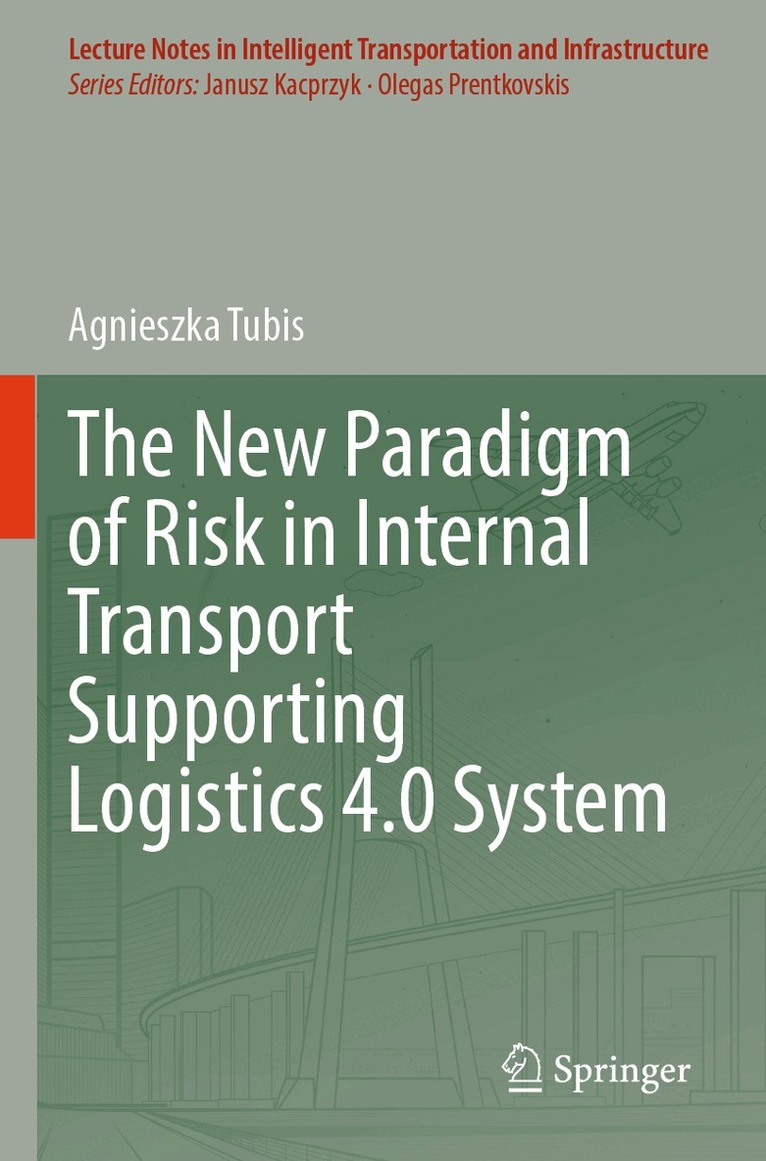
This book proposes a new approach to risk assessment in internal transport supporting material flows in the Logistics 4.0 system. The development of Industry 4.0 and the accompanying digitization of processes in organizations cause changes related to the functioning of production and supporting systems. As the research proves, one of the areas of such change is the evolution of the risk occurring in logistics processes. Despite the growing number of publications on risk assessment in Logistics 4.0 systems, the research focuses solely on technical aspects related to the maintenance of cyber-physical systems or organizational issues related to planning the operation of these systems. However, the currently developed Logistics 4.0 systems are complex cyber-human-technical system, requiring an interdisciplinary approach to assessing the risk associated with their operation. The literature research conducted by the author showed a clear research gap regarding risk assessment methods that consider the specific nature of internal logistics systems operating in the Industry 4.0 environment.The purpose of the monograph is to present current risk assessment methods and indicate process and system changes related to implementing Industry 4.0 solutions in internal transport systems. On this basis, a risk assessment method that perceives internal transport as a complex human-cyber-physical system was proposed. This method was developed based on a critical literature analysis, which allowed to identify the current research gap and the author's research in enterprises implementing Industry 4.0 solutions. Therefore, the results presented in the book are the basis for developing the risk management concept, offering a new body of knowledge regarding activated threats and the evolution of risk occurring in autonomous and automatic internal transport systems. The presented research results are also of utilitarian importance, as they provide analytical tools and formulate conclusions constituting good practices for modern enterprises interested in digitizing and automating logistics processes.
1 695 kr
Skickas inom 10-15 vardagar
This book proposes a new approach to risk assessment in internal transport supporting material flows in the Logistics 4.0 system. The development of Industry 4.0 and the accompanying digitization of processes in organizations cause changes related to the functioning of production and supporting systems. As the research proves, one of the areas of such change is the evolution of the risk occurring in logistics processes. Despite the growing number of publications on risk assessment in Logistics 4.0 systems, the research focuses solely on technical aspects related to the maintenance of cyber-physical systems or organizational issues related to planning the operation of these systems. However, the currently developed Logistics 4.0 systems are complex cyber-human-technical system, requiring an interdisciplinary approach to assessing the risk associated with their operation. The literature research conducted by the author showed a clear research gap regarding risk assessment methods that consider the specific nature of internal logistics systems operating in the Industry 4.0 environment.The purpose of the monograph is to present current risk assessment methods and indicate process and system changes related to implementing Industry 4.0 solutions in internal transport systems. On this basis, a risk assessment method that perceives internal transport as a complex human-cyber-physical system was proposed. This method was developed based on a critical literature analysis, which allowed to identify the current research gap and the author's research in enterprises implementing Industry 4.0 solutions. Therefore, the results presented in the book are the basis for developing the risk management concept, offering a new body of knowledge regarding activated threats and the evolution of risk occurring in autonomous and automatic internal transport systems. The presented research results are also of utilitarian importance, as they provide analytical tools and formulate conclusions constituting good practices for modern enterprises interested in digitizing and automating logistics processes.
2 328 kr
Skickas inom 10-15 vardagar
The book presents a collection of 103 peer-reviewed articles from the Second International Conference on Intelligent Systems in Production Engineering and Maintenance (ISPEM 2018). The conference was organized by the Faculty of Mechanical Engineering and CAMT (Centre for Advanced Manufacturing Technologies), Wrocław University of Science and Technology and was held in Wrocław (Poland) on 17–18 September 2018.The conferences topics included the possibility of using a wide range of intelligent methods in production engineering, presenting and discussing new solutions for innovative plants, research findings and case studies demonstrating advances in production and maintenance from the point of view of Industry 4.0 – particularly applications of intelligent systems, methods and tools in production engineering, maintenance, logistics, quality management, information systems and product development.The book is divided into two parts: the first includes papers related to intelligent systems in production engineering, while the second is dedicated to special sessions focusing on:1. Computer Aided methods in Production Engineering2. Mining 4.0 and Intelligent Mining Transportation3. Modelling and Simulation of Production Processes4. Multi-Faceted Modelling of Networks and Processes5. Product Design and Product Manufacturing in Industry 4.0This book is an excellent source of information for scientists in the field of manufacturing engineering and for top managers in production enterprises.