Agustín Méndez – författare
Visar alla böcker från författaren Agustín Méndez. Handla med fri frakt och snabb leverans.
4 produkter
4 produkter
Häftad, Engelska, 2026
608 kr
Kommande
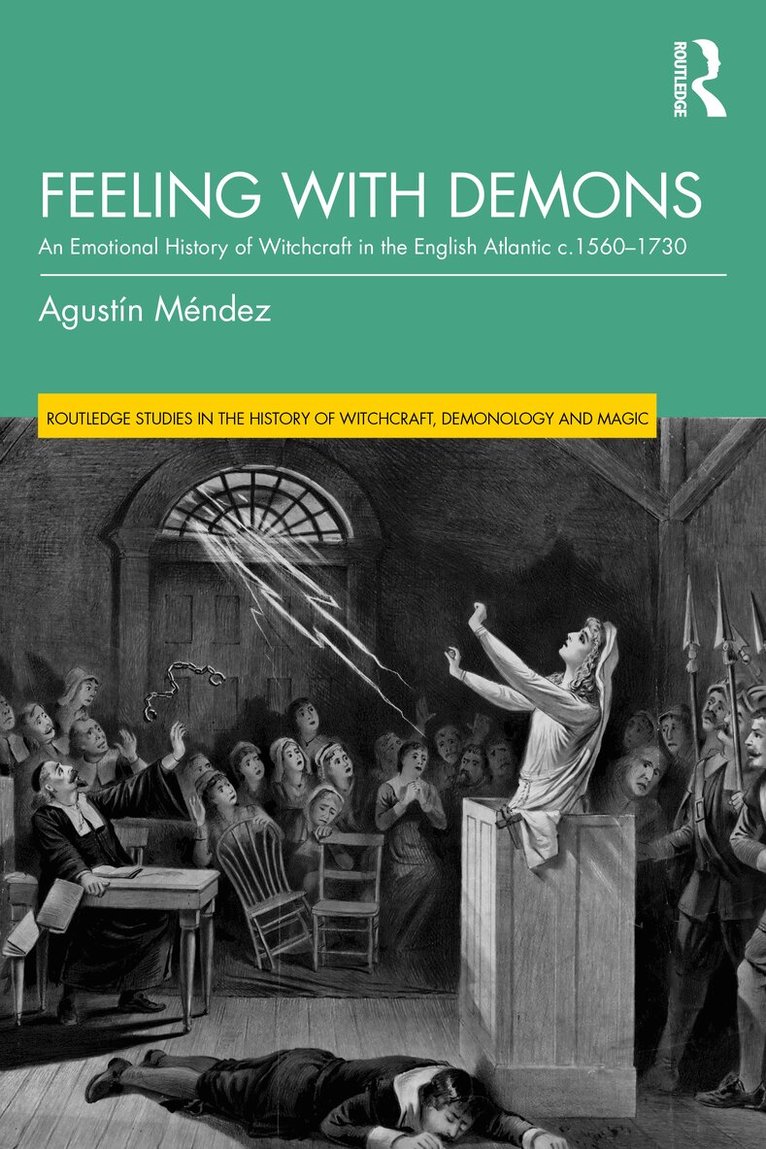
Feeling with Demons offers a renewed approach to early modern witchcraft through the lens of the history of emotions. It examines the intellectual, judicial, and emotional frameworks that shaped witch-hunting in Old and New England, as well as the personal and communal tensions that fuelled accusations, their connections to demonic possession, and the arguments advanced by those who challenged the trials.Drawing on demonological treatises, sermons, witchcraft pamphlets, and trial records, the book investigates the emotional worlds of accused witches, victims, witnesses, and judicial and religious authorities. It asks which feelings demonologists encouraged or condemned; which emotions contemporaries associated with witchcraft; how alleged victims understood their affective experiences; how the accused were expected to respond before judges and juries; and what it meant, emotionally, to undergo demonic possession. By examining what people feared, hated, envied, despised, or raged against, Feeling with Demons opens revealing windows onto the experiences and lives of early modern men and women in the English Atlantic.This book speaks to students and researchers of witchcraft, witch-hunting, and demonology, as well as to readers interested in the humanities, the social sciences, and Christian religious thought. Its emotional perspective also fosters dialogue with psychology, anthropology, sociology, literary criticism, gender studies, philosophy, and theology.
Inbunden, Engelska, 2026
2 225 kr
Kommande
Feeling with Demons offers a renewed approach to early modern witchcraft through the lens of the history of emotions. It examines the intellectual, judicial, and emotional frameworks that shaped witch-hunting in Old and New England, as well as the personal and communal tensions that fuelled accusations, their connections to demonic possession, and the arguments advanced by those who challenged the trials.Drawing on demonological treatises, sermons, witchcraft pamphlets, and trial records, the book investigates the emotional worlds of accused witches, victims, witnesses, and judicial and religious authorities. It asks which feelings demonologists encouraged or condemned; which emotions contemporaries associated with witchcraft; how alleged victims understood their affective experiences; how the accused were expected to respond before judges and juries; and what it meant, emotionally, to undergo demonic possession. By examining what people feared, hated, envied, despised, or raged against, Feeling with Demons opens revealing windows onto the experiences and lives of early modern men and women in the English Atlantic.This book speaks to students and researchers of witchcraft, witch-hunting, and demonology, as well as to readers interested in the humanities, the social sciences, and Christian religious thought. Its emotional perspective also fosters dialogue with psychology, anthropology, sociology, literary criticism, gender studies, philosophy, and theology.
E-bok
Spanska, 2020135 kr
Läs direkt efter köp
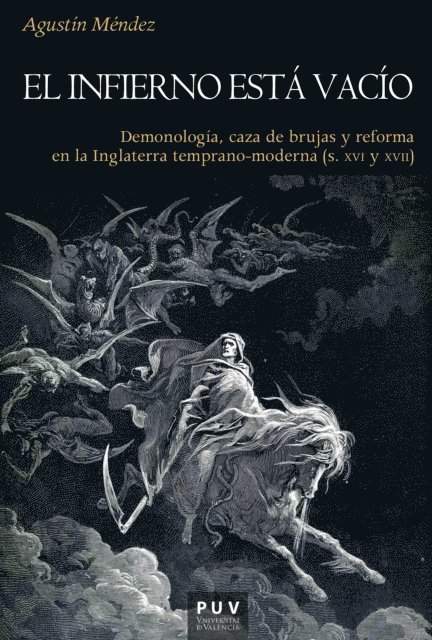
Entre los siglos XV y XVIII, aproximadamente 50.000 personas fueron ejecutadas en Europa tras ser culpadas del crimen de brujería. Entre los actos por los que fueron castigadas se incluían la utilización de magia nociva, el establecimiento de un pacto con Satán, haber mantenido relaciones sexuales con demonios o formar parte de un complot multitudinario y clandestino para la destrucción de la cristiandad. Lo que en la actualidad puede parecer, a primera vista, el resultado de un pasado irracional y oscurantista, en verdad era la expresión -brutal, ciertamente- de una forma de entender la naturaleza, la historia, la teología y la política distinta a la contemporánea, pero perfectamente racional, coherente con el universo cultural, intelectual y conceptual en el cual se desarrolló. Se hacía necesario un análisis de los fundamentos intelectuales de la caza de brujas, el conjunto de ideas y representaciones que permitió llevar a cabo y justificar la represión de un delito inexistente, a través de los tratados demonológicos publicados por miembros de la elite cultural (ministros religiosos, teólogos, médicos) en Inglaterra entre el siglo XVI y el XVII. Partiendo de la historia cultural e intelectual, se accede a la forma en que los autores caracterizaban las relaciones entre lo humano, lo divino y lo diabólico en un contexto histórico permeado por las profundas transformaciones producidas por la Reforma protestante.
E-bok
PDF, Spanska, 2020135 kr
Läs direkt efter köp
Entre los siglos XV y XVIII, aproximadamente 50.000 personas fueron ejecutadas en Europa tras ser culpadas del crimen de brujería. Entre los actos por los que fueron castigadas se incluían la utilización de magia nociva, el establecimiento de un pacto con Satán, haber mantenido relaciones sexuales con demonios o formar parte de un complot multitudinario y clandestino para la destrucción de la cristiandad. Lo que en la actualidad puede parecer, a primera vista, el resultado de un pasado irracional y oscurantista, en verdad era la expresión -brutal, ciertamente- de una forma de entender la naturaleza, la historia, la teología y la política distinta a la contemporánea, pero perfectamente racional, coherente con el universo cultural, intelectual y conceptual en el cual se desarrolló. Se hacía necesario un análisis de los fundamentos intelectuales de la caza de brujas, el conjunto de ideas y representaciones que permitió llevar a cabo y justificar la represión de un delito inexistente, a través de los tratados demonológicos publicados por miembros de la elite cultural (ministros religiosos, teólogos, médicos) en Inglaterra entre el siglo XVI y el XVII. Partiendo de la historia cultural e intelectual, se accede a la forma en que los autores caracterizaban las relaciones entre lo humano, lo divino y lo diabólico en un contexto histórico permeado por las profundas transformaciones producidas por la Reforma protestante.