A.H. Brafman – författare
Visar alla böcker från författaren A.H. Brafman. Handla med fri frakt och snabb leverans.
25 produkter
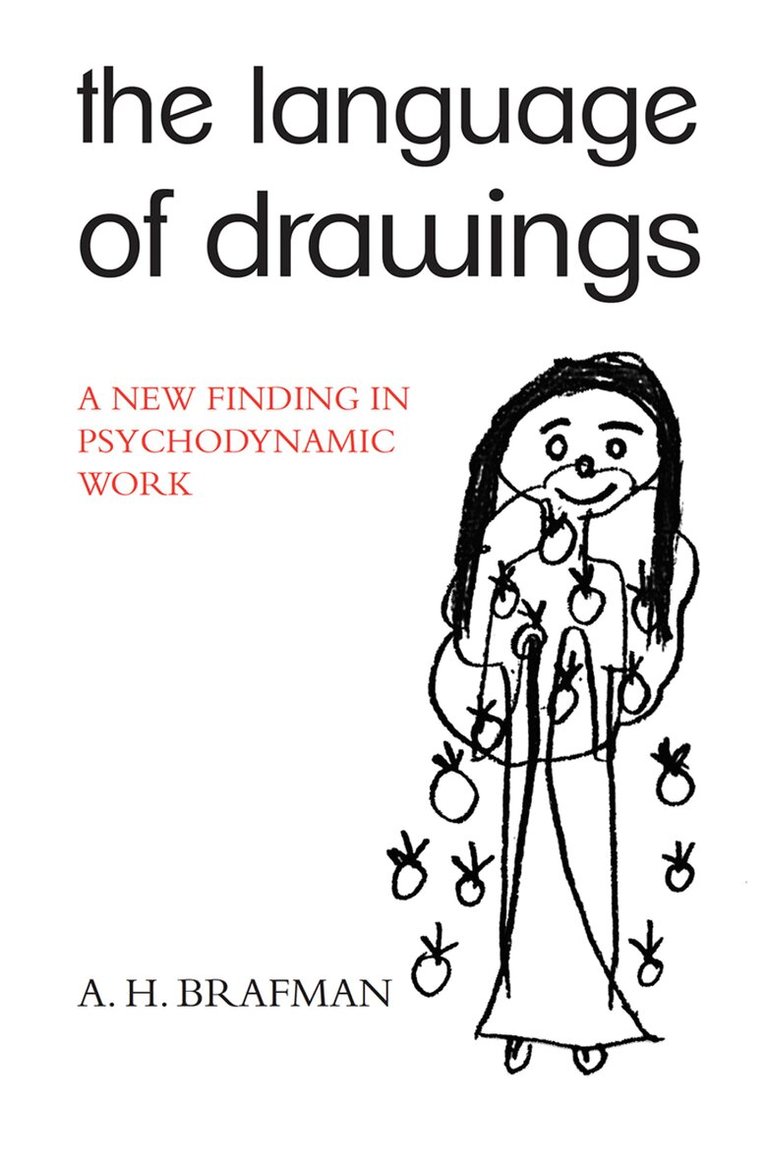
Language of Drawings
A New Finding in Psychodynamic Work
Av A.H. Brafman
Inbunden, 2019
2433 kr
Lägg i varukorg
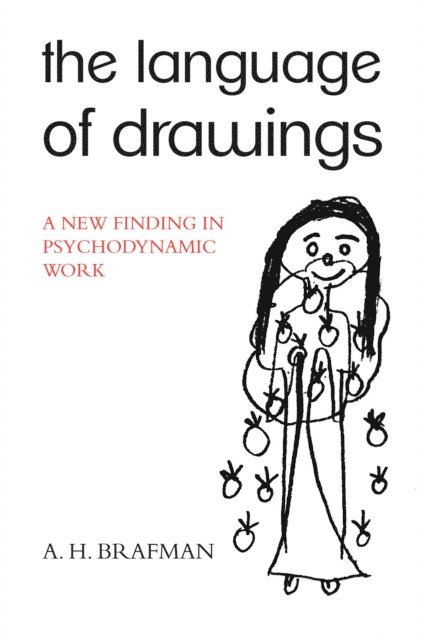
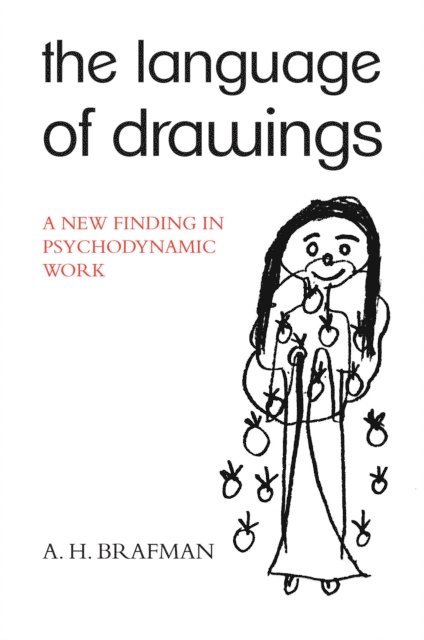
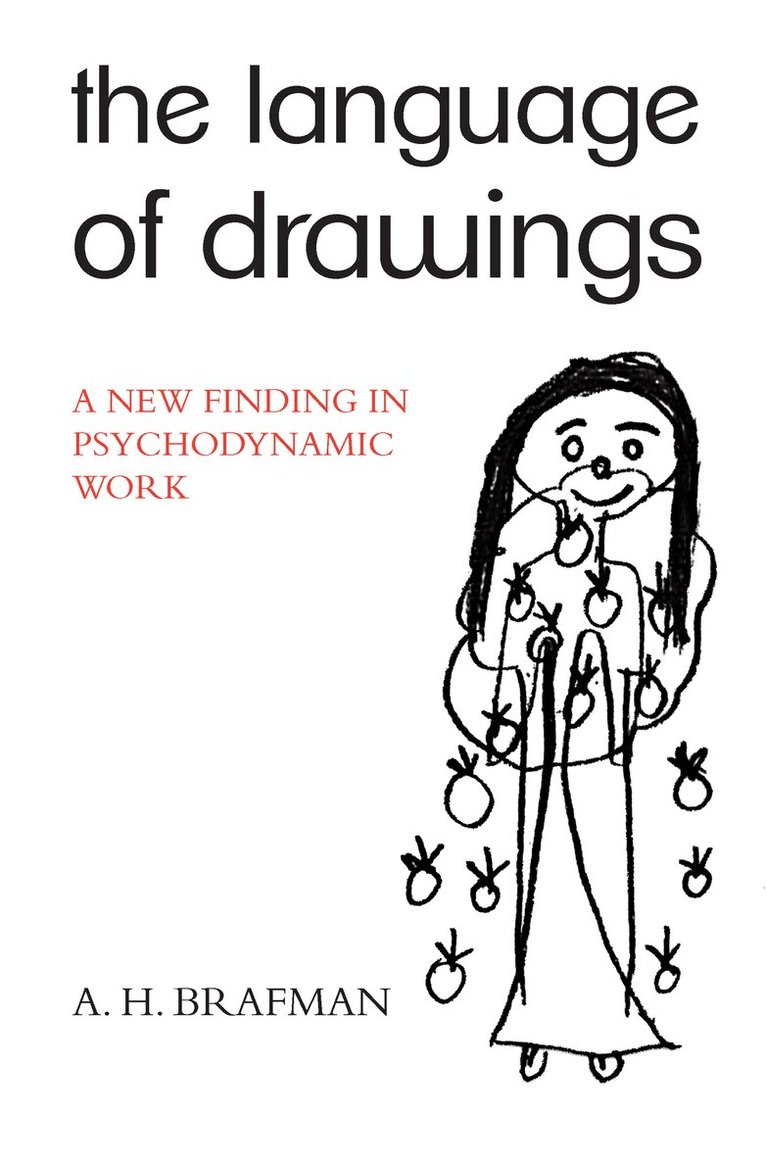
If a person is struggling with feeling that involve pain or anxiety, then we find a complex network of difficulties affecting that person's capacity to express what torments him. Whatever the person's age, they very often have no access to the words that might convey their internal conflicts. …
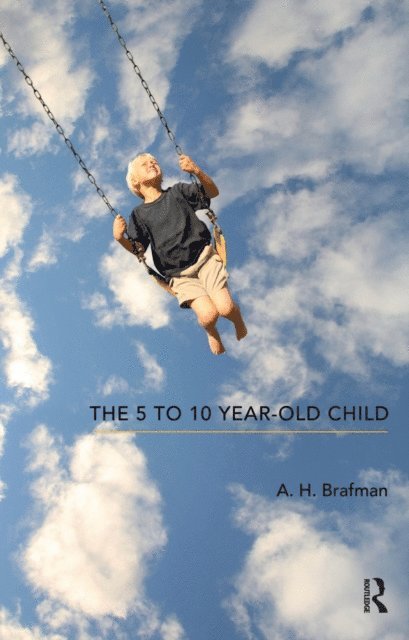
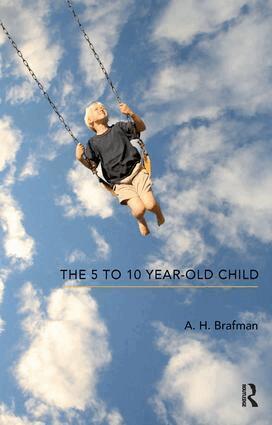
5 to 10 Year-Old Child
Av A.H. Brafman
Inbunden, 2019
2433 kr
Lägg i varukorg
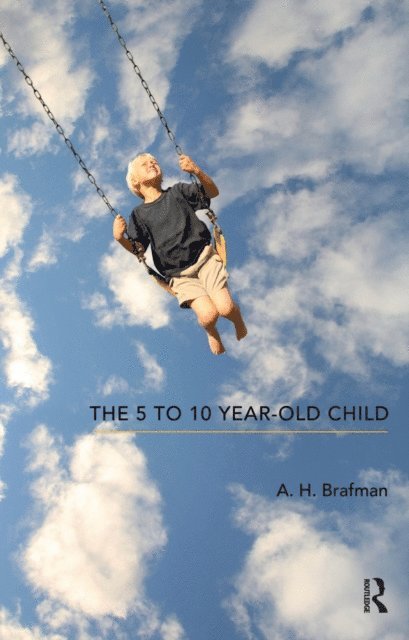
The fifth birthday represents an important landmark in a child's development. He is now ready to start full-time primary school, and we no longer speak of a baby or a little child; instead, we refer to the boy or the girl. Over the next five years, as his horizons become wider and his experiences …
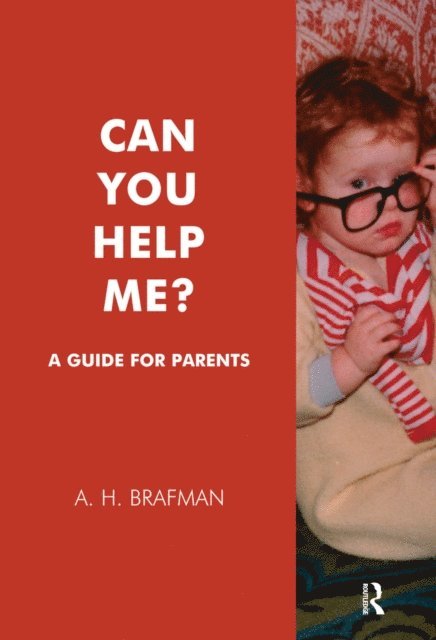
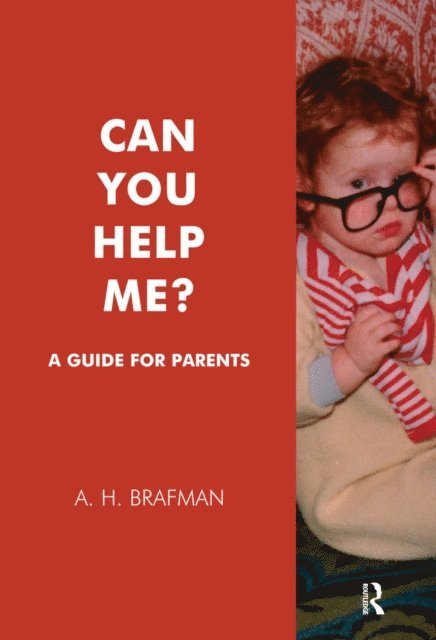
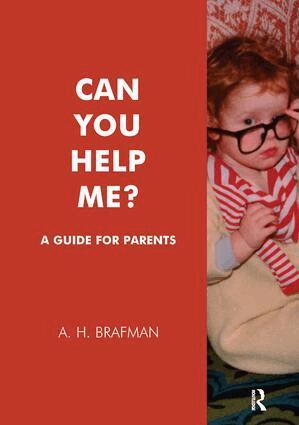
Can You Help Me?
A Guide for Parents
Av A.H. Brafman
Inbunden, 2019
2433 kr
Lägg i varukorg
This book is based on common questions that parents have about their children and their relationships with the world at large. Drawing from his extensive experience as a child psychoanalyst (and as a father), Dr Brafman offers his thoughts on widespread problems faced by parents in an innovative …
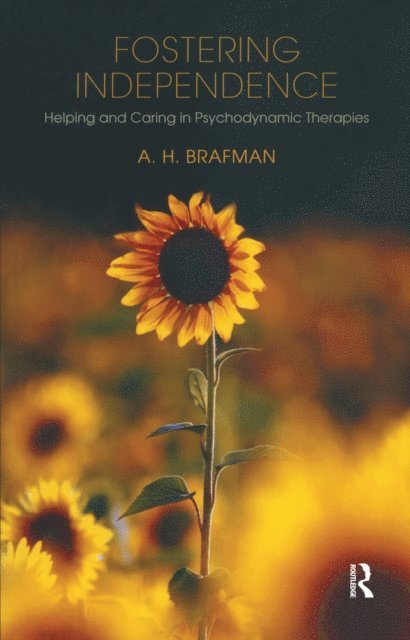
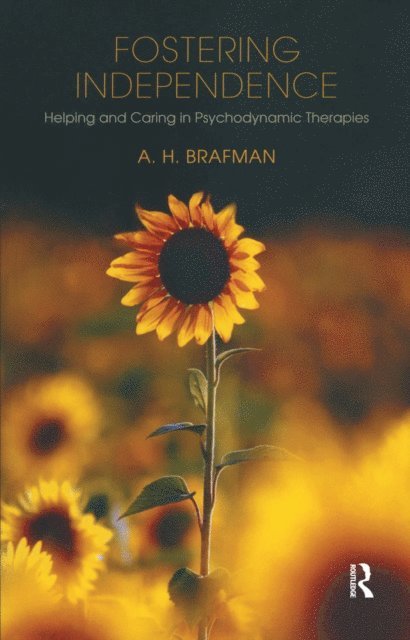
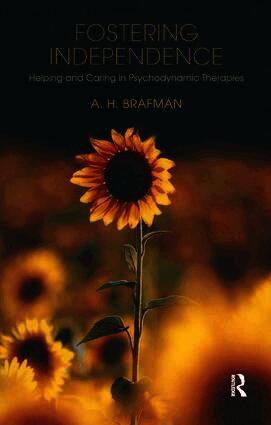
Fostering Independence
Helping and Caring in Psychodynamic Therapies
Av A.H. Brafman
Inbunden, 2019
2433 kr
Lägg i varukorg
In a series of papers, the author addresses the needs of students, patients, and practitioners of psychodynamic therapies. The work of these professionals with children and with adults is discussed from a pragmatic point of view, stressing the importance of recognizing the needs and capacities of …
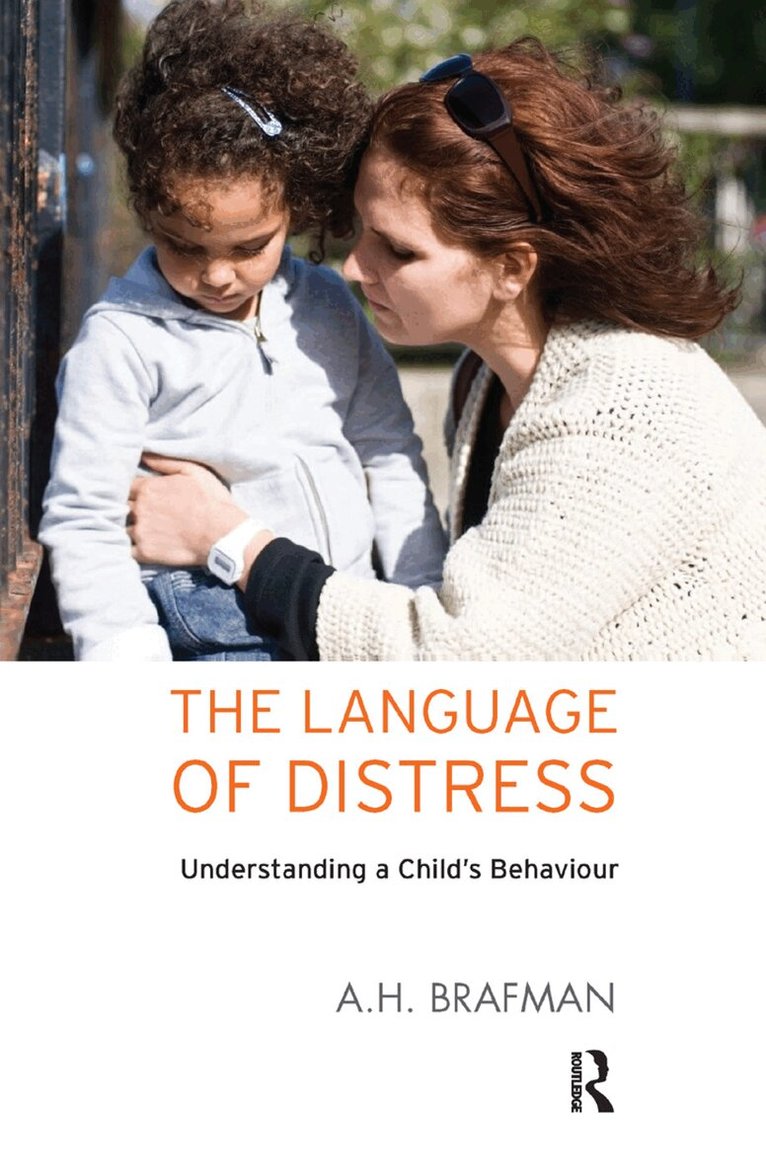
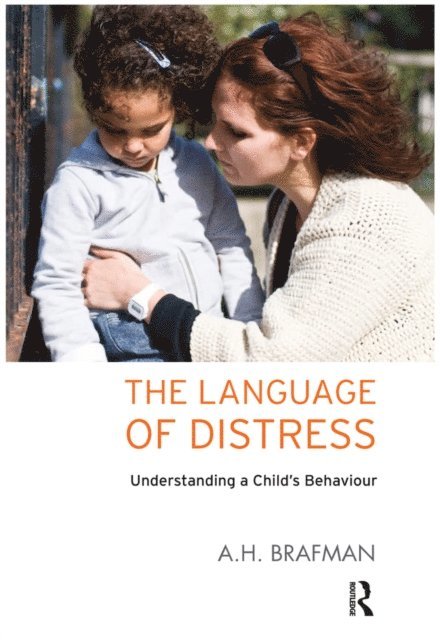
Language of Distress
Understanding a Child's Behaviour
Av A.H. Brafman
Inbunden, 2019
2433 kr
Lägg i varukorg
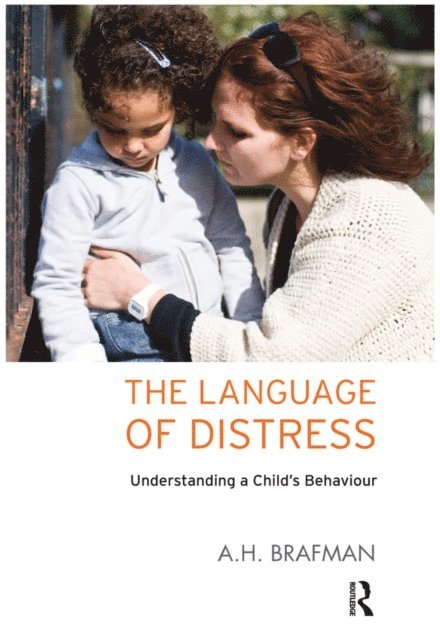
This book describes a series of cases where the child's presenting complaint is seen to be the expression of an underlying emotional conflict that the child expects the parents to understand and help him or her to overcome. The parents' interpretation of the child's symptoms cannot but be …
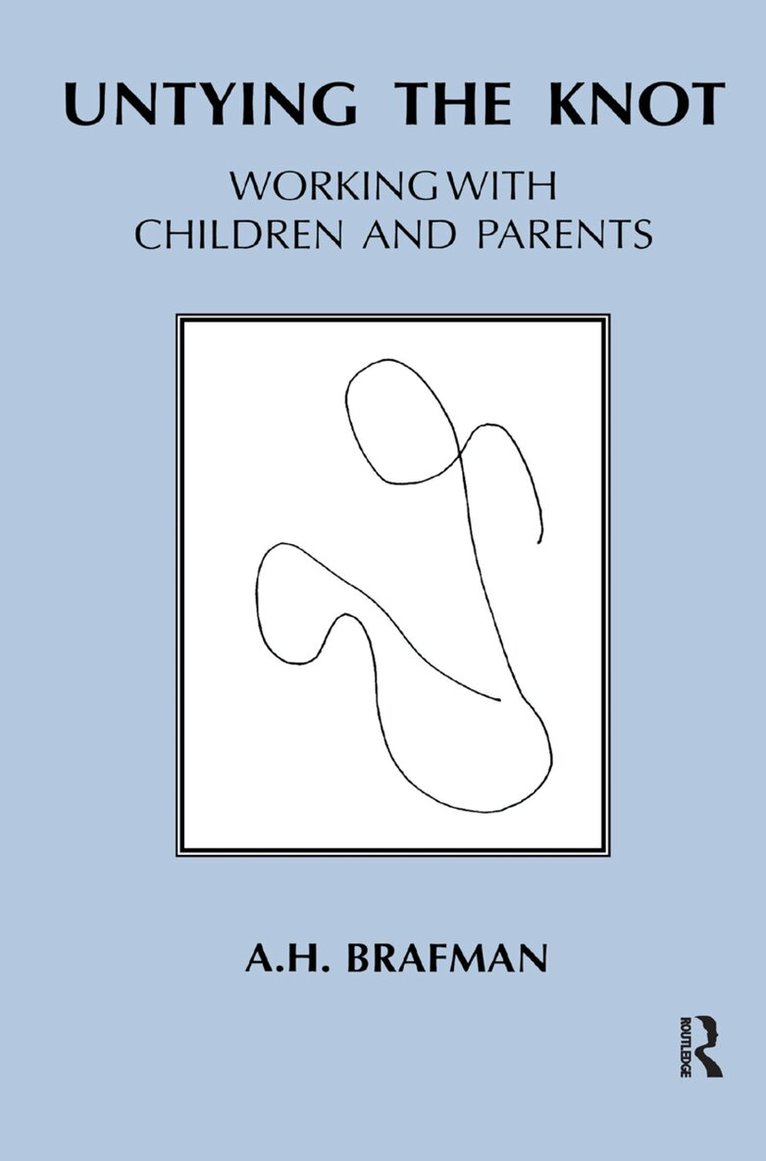
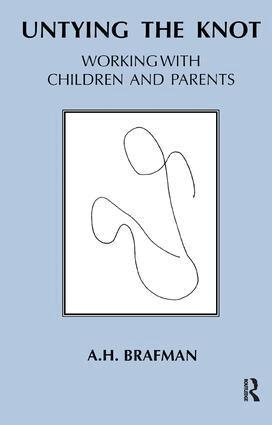
Untying the Knot
Working with Children and Parents
Av A.H. Brafman
Inbunden, 2019
2433 kr
Lägg i varukorg
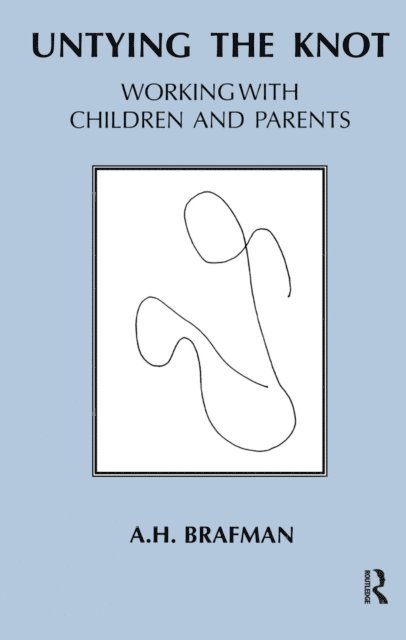
Untying The Knot sets out to present a clinical approach to cases where the referred patient is a child or adolescent, but in which the parents are intimately involved in the therapeutic situation.Three fundamental principles inform the work: firstly, that early experience influences present lives; …
Can You Help Me?
A Guide for Parents
Av A.H. Brafman
E-bok, 2020
438 kr
Lägg i varukorg
This book is based on common questions that parents have about their children and their relationships with the world at large. Drawing from his extensive experience as a child psychoanalyst (and as a father), Dr Brafman offers his thoughts on widespread problems faced by parents in an innovative …
Fostering Independence
Helping and Caring in Psychodynamic Therapies
Av A.H. Brafman
E-bok, 2018
698 kr
Lägg i varukorg
In a series of papers, the author addresses the needs of students, patients, and practitioners of psychodynamic therapies. The work of these professionals with children and with adults is discussed from a pragmatic point of view, stressing the importance of recognizing the needs and capacities of …
5 to 10 Year-Old Child
Av A.H. Brafman
E-bok, 2018
396 kr
Lägg i varukorg
The fifth birthday represents an important landmark in a child''s development. He is now ready to start full-time primary school, and we no longer speak of a baby or a little child; instead, we refer to the boy or the girl. Over the next five years, as his horizons become wider and his experiences …
Language of Distress
Understanding a Child's Behaviour
Av A.H. Brafman
E-bok, 2018
628 kr
Lägg i varukorg
This book describes a series of cases where the child’s presenting complaint is seen to be the expression of an underlying emotional conflict that the child expects the parents to understand and help him or her to overcome. The parents’ interpretation of the child’s symptoms cannot but be …
Language of Drawings
A New Finding in Psychodynamic Work
Av A.H. Brafman
E-bok, 2018
436 kr
Lägg i varukorg
If a person is struggling with feeling that involve pain or anxiety, then we find a complex network of difficulties affecting that person''s capacity to express what torments him. Whatever the person''s age, they very often have no access to the words that might convey their internal conflicts. …
Untying the Knot
Working with Children and Parents
Av A.H. Brafman
E-bok, 2018
663 kr
Lägg i varukorg
Untying The Knot sets out to present a clinical approach to cases where the referred patient is a child or adolescent, but in which the parents are intimately involved in the therapeutic situation.Three fundamental principles inform the work: firstly, that early experience influences present lives; …
Can You Help Me?
A Guide for Parents
Av A.H. Brafman
E-bok, 2020
438 kr
Lägg i varukorg
This book is based on common questions that parents have about their children and their relationships with the world at large. Drawing from his extensive experience as a child psychoanalyst (and as a father), Dr Brafman offers his thoughts on widespread problems faced by parents in an innovative …
Fostering Independence
Helping and Caring in Psychodynamic Therapies
Av A.H. Brafman
E-bok, 2018
698 kr
Lägg i varukorg
In a series of papers, the author addresses the needs of students, patients, and practitioners of psychodynamic therapies. The work of these professionals with children and with adults is discussed from a pragmatic point of view, stressing the importance of recognizing the needs and capacities of …
5 to 10 Year-Old Child
Av A.H. Brafman
E-bok, 2018
405 kr
Lägg i varukorg
The fifth birthday represents an important landmark in a child''s development. He is now ready to start full-time primary school, and we no longer speak of a baby or a little child; instead, we refer to the boy or the girl. Over the next five years, as his horizons become wider and his experiences …
Language of Distress
Understanding a Child's Behaviour
Av A.H. Brafman
E-bok, 2018
642 kr
Lägg i varukorg
This book describes a series of cases where the child’s presenting complaint is seen to be the expression of an underlying emotional conflict that the child expects the parents to understand and help him or her to overcome. The parents’ interpretation of the child’s symptoms cannot but be …
Language of Drawings
A New Finding in Psychodynamic Work
Av A.H. Brafman
E-bok, 2018
446 kr
Lägg i varukorg
If a person is struggling with feeling that involve pain or anxiety, then we find a complex network of difficulties affecting that person''s capacity to express what torments him. Whatever the person''s age, they very often have no access to the words that might convey their internal conflicts. …
Untying the Knot
Working with Children and Parents
Av A.H. Brafman
E-bok, 2018
678 kr
Lägg i varukorg
Untying The Knot sets out to present a clinical approach to cases where the referred patient is a child or adolescent, but in which the parents are intimately involved in the therapeutic situation.Three fundamental principles inform the work: firstly, that early experience influences present lives; …
Language of Drawings
A New Finding in Psychodynamic Work
Av A.H. Brafman
Häftad, 2012
359 kr
Lägg i varukorg
If a person is struggling with feeling that involve pain or anxiety, then we find a complex network of difficulties affecting that person's capacity to express what torments him. Whatever the person's age, they very often have no access to the words that might convey their internal conflicts. …
Language of Distress
Understanding a Child's Behaviour
Av A.H. Brafman
Häftad, 2016
515 kr
Lägg i varukorg
This book describes a series of cases where the child's presenting complaint is seen to be the expression of an underlying emotional conflict that the child expects the parents to understand and help him or her to overcome. The parents' interpretation of the child's symptoms cannot but be …
Life in the Consulting Room
Portraits
Av A.H. Brafman
Häftad, 2018
430 kr
Lägg i varukorg
Life in the Consulting Room offers a series of noteworthy vignettes that occurred in the author's consulting room. Although the context and objective of each consultation varied, the decision to present them here is due to a particularly interesting feature of the patient's life or a significant …
Untying the Knot
Working with Children and Parents
Av A.H. Brafman
Häftad, 2001
375 kr
Lägg i varukorg
Untying The Knot sets out to present a clinical approach to cases where the referred patient is a child or adolescent, but in which the parents are intimately involved in the therapeutic situation.Three fundamental principles inform the work: firstly, that early experience influences present lives; …
Can You Help Me?
A Guide for Parents
Av A.H. Brafman
Häftad, 2004
408 kr
Lägg i varukorg
This book is based on common questions that parents have about their children and their relationships with the world at large. Drawing from his extensive experience as a child psychoanalyst (and as a father), Dr Brafman offers his thoughts on widespread problems faced by parents in an innovative …
5 to 10 Year-Old Child
Av A.H. Brafman
Häftad, 2010
317 kr
Lägg i varukorg
The fifth birthday represents an important landmark in a child's development. He is now ready to start full-time primary school, and we no longer speak of a baby or a little child; instead, we refer to the boy or the girl. Over the next five years, as his horizons become wider and his experiences …
Fostering Independence
Helping and Caring in Psychodynamic Therapies
Av A.H. Brafman
Häftad, 2010
571 kr
Lägg i varukorg
In a series of papers, the author addresses the needs of students, patients, and practitioners of psychodynamic therapies. The work of these professionals with children and with adults is discussed from a pragmatic point of view, stressing the importance of recognizing the needs and capacities of …