Aharon Aviram – författare
Visar alla böcker från författaren Aharon Aviram. Handla med fri frakt och snabb leverans.
4 produkter
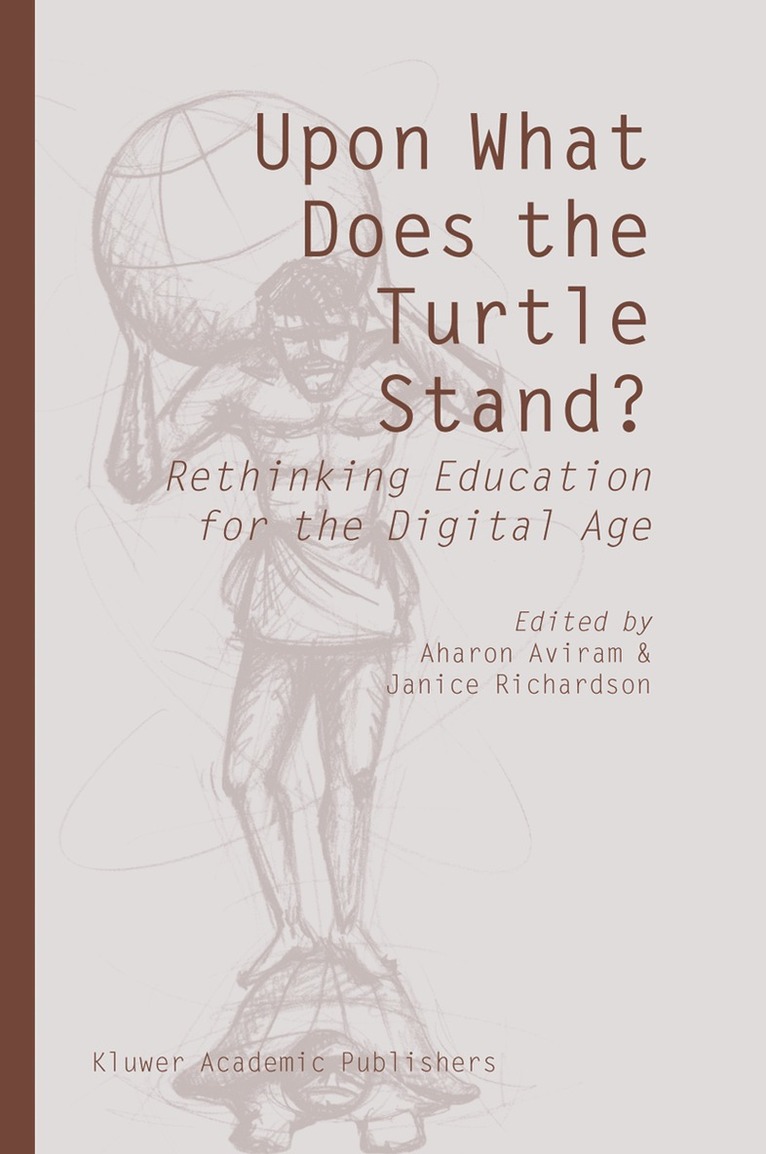
Upon What Does the Turtle Stand?
Rethinking Education for the Digital Age
Av Aharon Aviram, Janice Richardson
Inbunden, 2004
1064 kr
Lägg i varukorg
This book brings together the reflections of independent researchers from around the world. Sixteen authors from fourteen countries present their views on the use of information and communication technology (ICT) in education, offering valuable insights through the examination of current issues …
Upon What Does the Turtle Stand?
Rethinking Education for the Digital Age
Av Janice Richardson, Aharon Aviram
E-bok, 2006
1418 kr
Lägg i varukorg
This book brings together the reflections of independent researchers from around the world. Sixteen authors from fourteen countries present their views on the use of information and communication technology (ICT) in education, offering valuable insights through the examination of current issues …
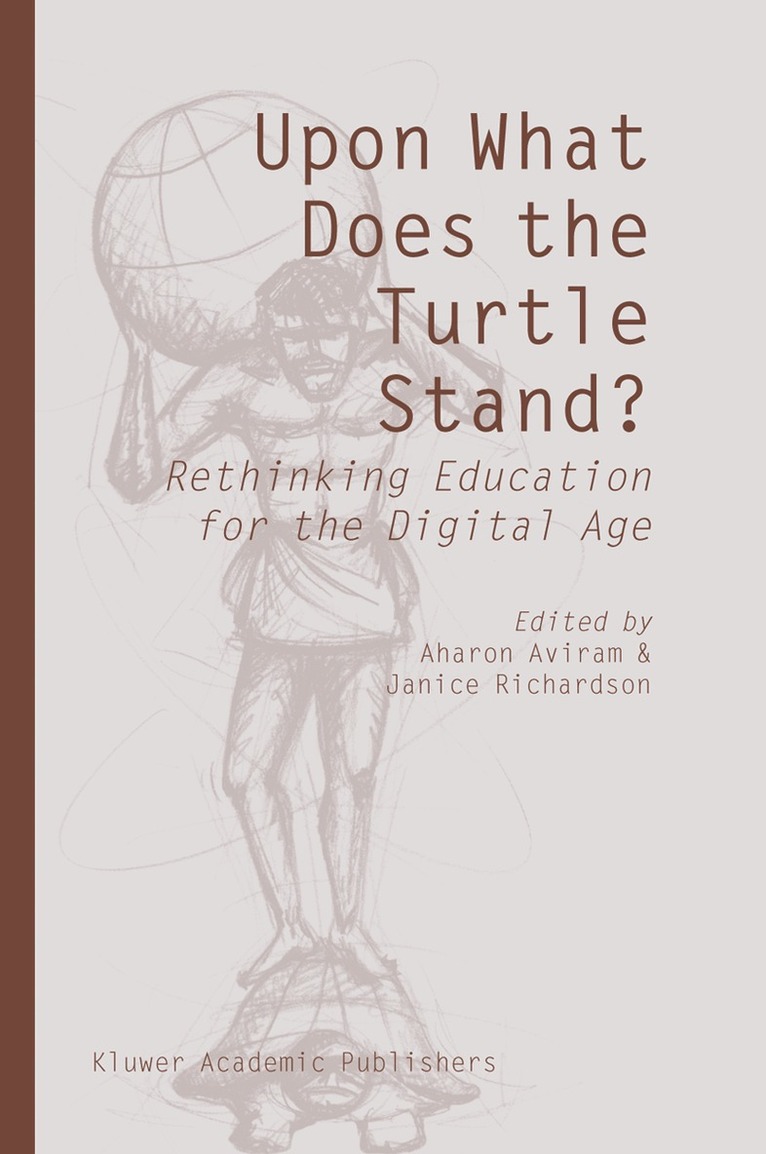
Upon What Does the Turtle Stand?
Rethinking Education for the Digital Age
Av Aharon Aviram, Janice Richardson
Häftad, 2010
1064 kr
Lägg i varukorg
This book brings together the reflections of independent researchers from around the world. Sixteen authors from fourteen countries present their views on the use of information and communication technology (ICT) in education, offering valuable insights through the examination of current issues …
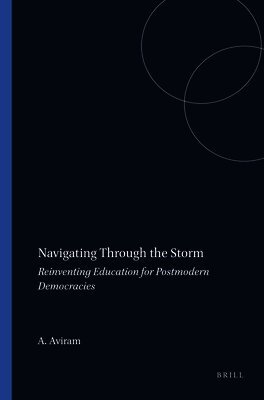
Navigating Through the Storm
Reinventing Education for Postmodern Democracies
Häftad, 2010
838 kr
Lägg i varukorg