Aileen Ribeiro - Böcker
Visar alla böcker från författaren Aileen Ribeiro. Handla med fri frakt och snabb leverans.
7 produkter
7 produkter
746 kr
Tillfälligt slut
412 kr
Kommande
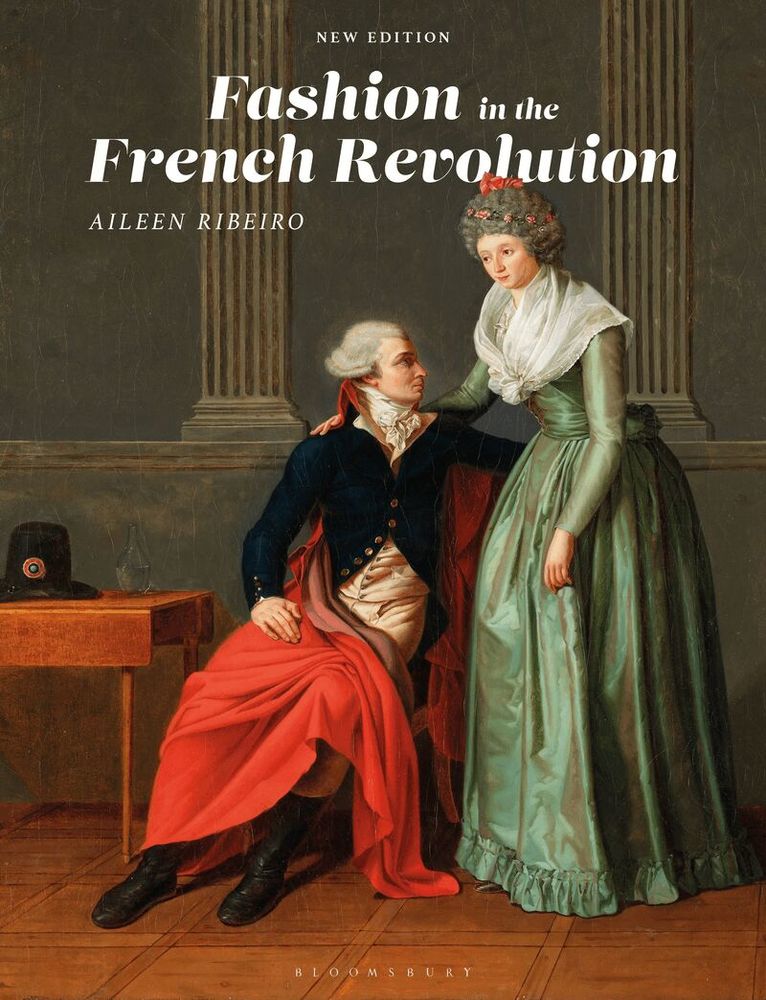
This exciting new edition of Fashion in the French Revolution looks at the elaborate dress of French society and the court in the 1780s and the way in which plain clothing became identified with "democracy".Illustrated in full colour throughout and with many new additional images, this extensively revised edition of Fashion in the French Revolution looks at the elaborate dress worn by the elite in the 1780s, and then the impact on people’s lives and clothing as a result of the events of 1789 onwards. This was a period in which, for the first time, what one wore was radically affected by revolutionary politics and plain clothing became identified with ‘democracy’. Award-winning dress historian Aileen Ribeiro skilfully weaves analysis of paintings, engravings, fashion plates and extant garments to reveal how clothing at all levels in society changed as a result.This revised and updated edition – as relevant, informative and provocative as when it was first published in 1988 – brings the classic Fashion in the French Revolution to a new generation of readers interested in dress history, fine art, European 18th century history, and all those interested in intelligent, articulate and informed discussion of the period.
1 264 kr
Kommande
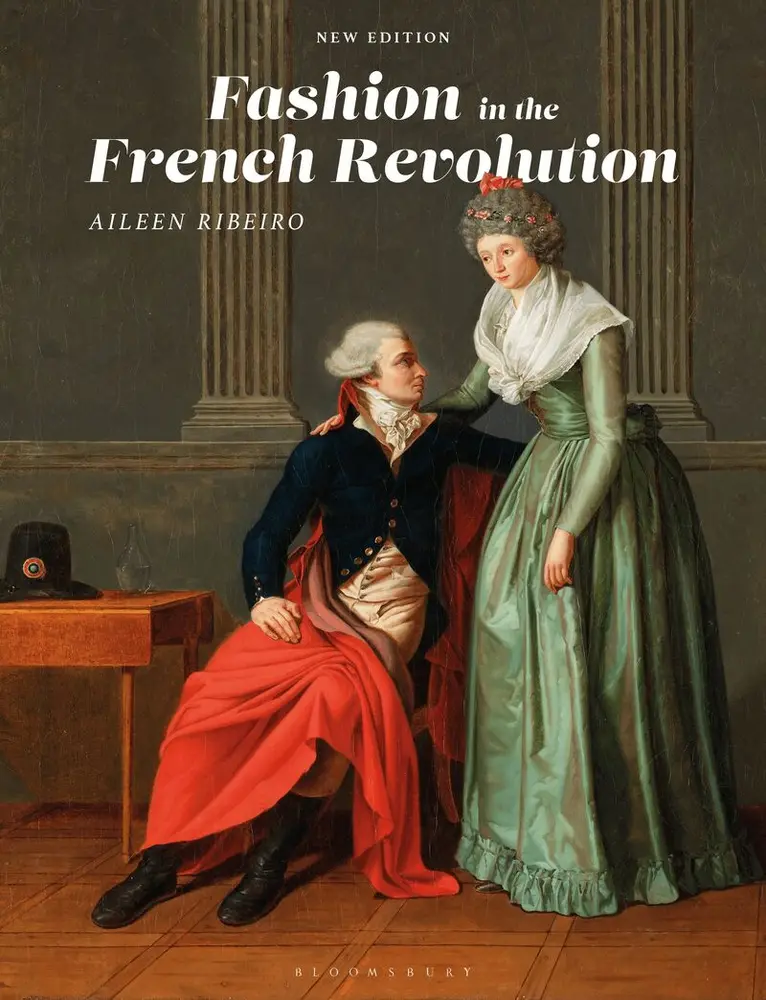
This exciting new edition of Fashion in the French Revolution looks at the elaborate dress of French society and the court in the 1780s and the way in which plain clothing became identified with "democracy".Illustrated in full colour throughout and with many new additional images, this extensively revised edition of Fashion in the French Revolution looks at the elaborate dress worn by the elite in the 1780s, and then the impact on people’s lives and clothing as a result of the events of 1789 onwards. This was a period in which, for the first time, what one wore was radically affected by revolutionary politics and plain clothing became identified with ‘democracy’. Award-winning dress historian Aileen Ribeiro skilfully weaves analysis of paintings, engravings, fashion plates and extant garments to reveal how clothing at all levels in society changed as a result.This revised and updated edition – as relevant, informative and provocative as when it was first published in 1988 – brings the classic Fashion in the French Revolution to a new generation of readers interested in dress history, fine art, European 18th century history, and all those interested in intelligent, articulate and informed discussion of the period.
278 kr
Kommande
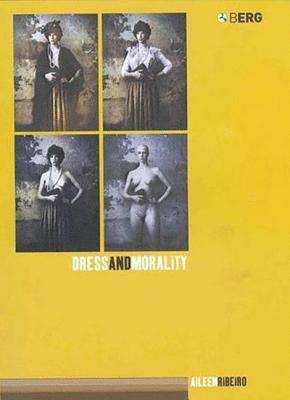
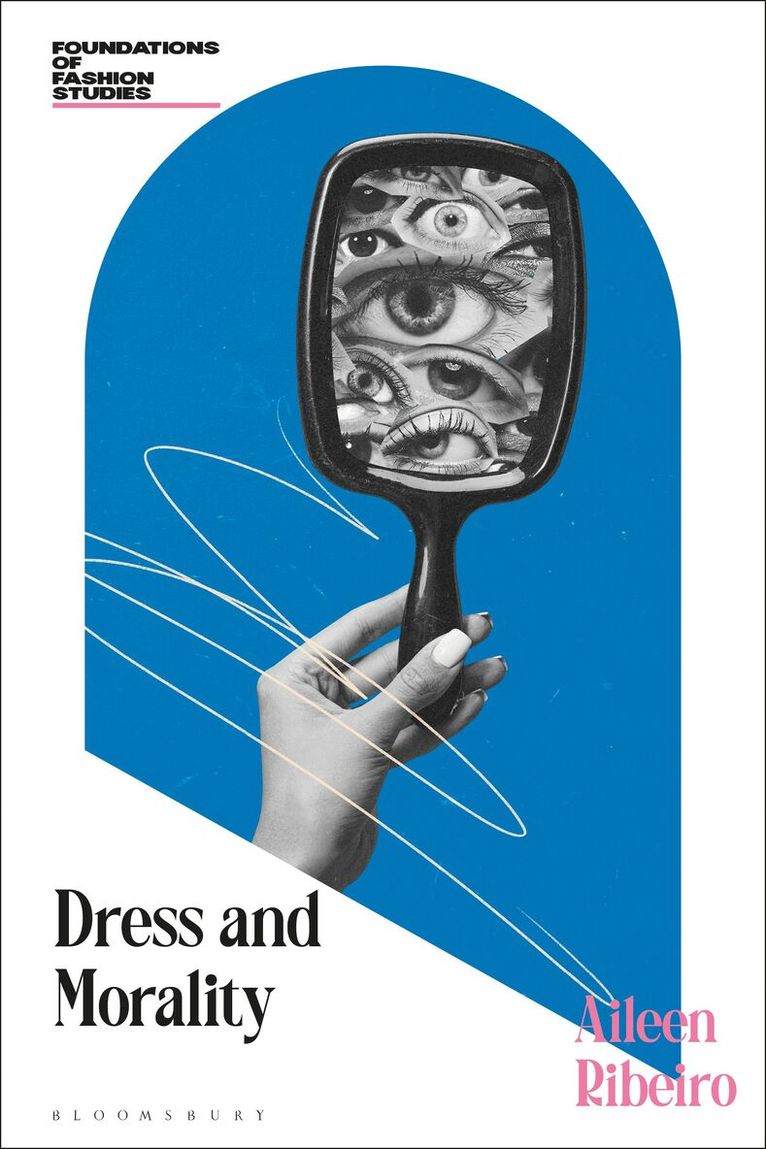
In 747, Saint Boniface declared that wide stripes and scarlet borders in dress were a dangerous incitement of lust and ruination of the soul. A thousand years later the Jesuit Father Bernard Vaughan, in his book The Sins of Society, claimed that immodest dress led to paganism, while the popular v-shaped necklines of fashionable tops (referred to by some doctors as 'pneumonia necklines') were denounced as immoral by religious critics, along with short skirts.For many years dress and morality have been intertwined, while moralists throughout history have raged against fashions for being too short, too long, too tight, too loose, or too costly.In this enlightening and entertaining book, Aileen Ribeiro looks at fashion extremes over the centuries – from codpieces to corsets – revealing how dress has functioned as a vehicle of righteousness or turpitude, and as an expression of sexuality, class or social status.With sharp wit and lavish illustrations, Dress and Morality offers an in-depth exploration of the comical vanities and social etiquettes associated with dress in the past. This foundational fashion classic has been re-issued with a new preface, afterword and further reading list – remaining an essential and entertaining read.
858 kr
Kommande
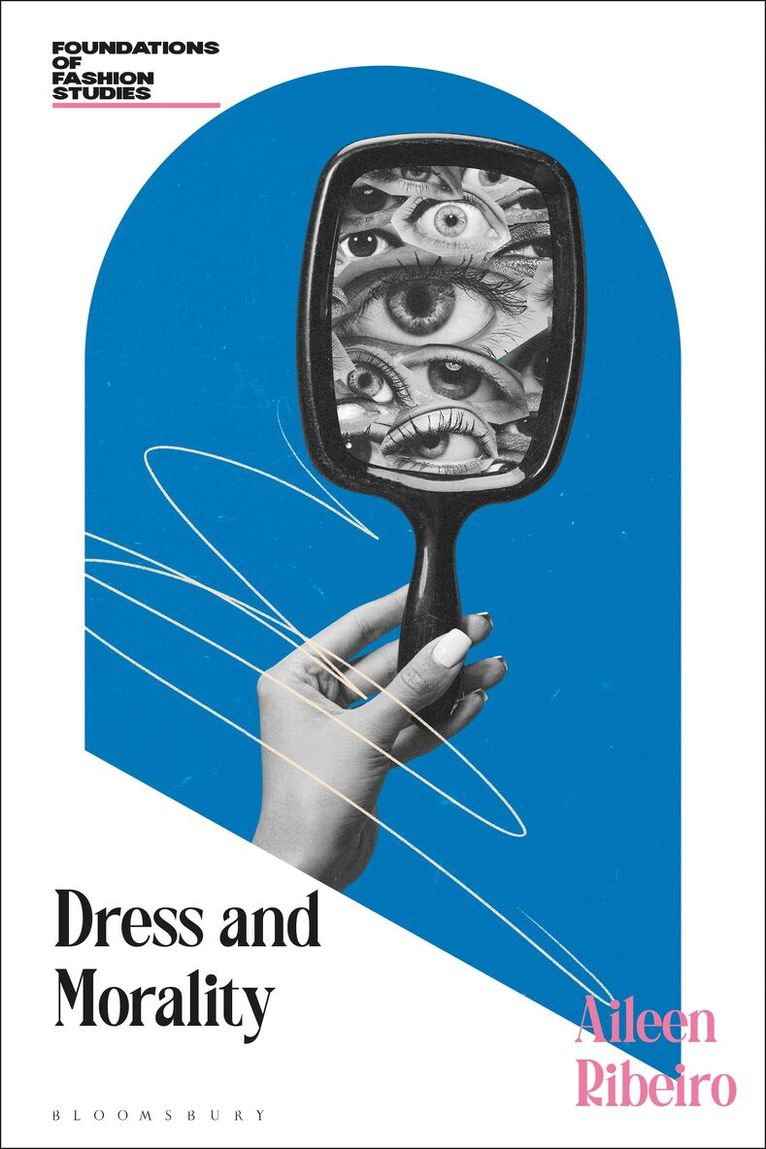
In 747, Saint Boniface declared that wide stripes and scarlet borders in dress were a dangerous incitement of lust and ruination of the soul. A thousand years later the Jesuit Father Bernard Vaughan, in his book The Sins of Society, claimed that immodest dress led to paganism, while the popular v-shaped necklines of fashionable tops (referred to by some doctors as 'pneumonia necklines') were denounced as immoral by religious critics, along with short skirts.For many years dress and morality have been intertwined, while moralists throughout history have raged against fashions for being too short, too long, too tight, too loose, or too costly.In this enlightening and entertaining book, Aileen Ribeiro looks at fashion extremes over the centuries – from codpieces to corsets – revealing how dress has functioned as a vehicle of righteousness or turpitude, and as an expression of sexuality, class or social status.With sharp wit and lavish illustrations, Dress and Morality offers an in-depth exploration of the comical vanities and social etiquettes associated with dress in the past. This foundational fashion classic has been re-issued with a new preface, afterword and further reading list – remaining an essential and entertaining read.
1 754 kr
Skickas inom 10-15 vardagar
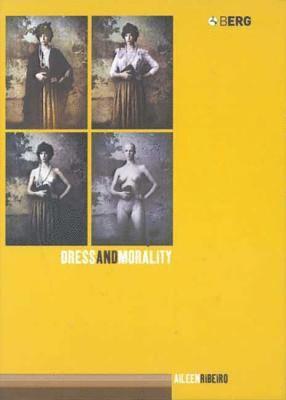
Moralists have raged throughout history against various fashions for being too short, too long, too tight, too loose or too costly. Highlighting the times when choice of dress was a moral minefield, this enlightening and entertaining book looks at fashion extremes over the centuries, from the sexual display of the codpiece through to corsets, crinolines and decolletage. Providing a sharp and humorous look at the outright risque as well as the grotesquely exaggerated and even the repulsive, Ribeiro shows how dress has functioned variously as a vehicle of righteousness or turpitude and as an expression of sexuality, class or social status. In 747 St Boniface deemed wide stripes and scarlet borders to incite lust and ruination of the soul. Well over a millennium later immodest dress ranked high in Jesuit Father Bernard Vaughan's book on the sins of society. Medical practitioners once labelled the v-necked top, now a standard style, 'the pneumonia neckline'. Was it the force of society or sheer vanity of fashion that drove women to wear sleeves the size of balloons? Are sexual boundaries between dress worn by men and women diminishing?What morals still bind us to our Judeo-Christian heritage and lead us to express ourselves through appearances?Lavishly illustrated and packed with countless thought-provoking quotes, Dress and Morality is an in-depth exploration of the comical vanities and social etiquettes associated with dress in the past. At last here is the much-anticipated updated edition of this classic book.
439 kr
Skickas inom 10-15 vardagar
Moralists have raged throughout history against various fashions for being too short, too long, too tight, too loose or too costly. Highlighting the times when choice of dress was a moral minefield, this enlightening and entertaining book looks at fashion extremes over the centuries, from the sexual display of the codpiece through to corsets, crinolines and decolletage. Providing a sharp and humorous look at the outright risque as well as the grotesquely exaggerated and even the repulsive, Ribeiro shows how dress has functioned variously as a vehicle of righteousness or turpitude and as an expression of sexuality, class or social status. In 747 St Boniface deemed wide stripes and scarlet borders to incite lust and ruination of the soul. Well over a millennium later immodest dress ranked high in Jesuit Father Bernard Vaughan's book on the sins of society. Medical practitioners once labelled the v-necked top, now a standard style, 'the pneumonia neckline'. Was it the force of society or sheer vanity of fashion that drove women to wear sleeves the size of balloons? Are sexual boundaries between dress worn by men and women diminishing?What morals still bind us to our Judeo-Christian heritage and lead us to express ourselves through appearances?Lavishly illustrated and packed with countless thought-provoking quotes, Dress and Morality is an in-depth exploration of the comical vanities and social etiquettes associated with dress in the past. At last here is the much-anticipated updated edition of this classic book.