A.J. Barker – författare
Visar alla böcker från författaren A.J. Barker. Handla med fri frakt och snabb leverans.
8 produkter
Quangos in Britain
Government and the Networks of Public Policy-Making
Av A.J. Barker, A. J. Barker m. fl.
Inbunden, 1982
1095 kr
Lägg i varukorg
Megalopolis: The Giant City in History
Av A.J. Barker, A. J. Barker m. fl.
Inbunden, 1993
1688 kr
Lägg i varukorg
This book follows the evolution of the very large city across the world from its origins in Ancient times to its current dominant position in both the industrialised world and the Third World. In-depth studies are devoted to the key giant cities of human history at decisive points in their growth. …
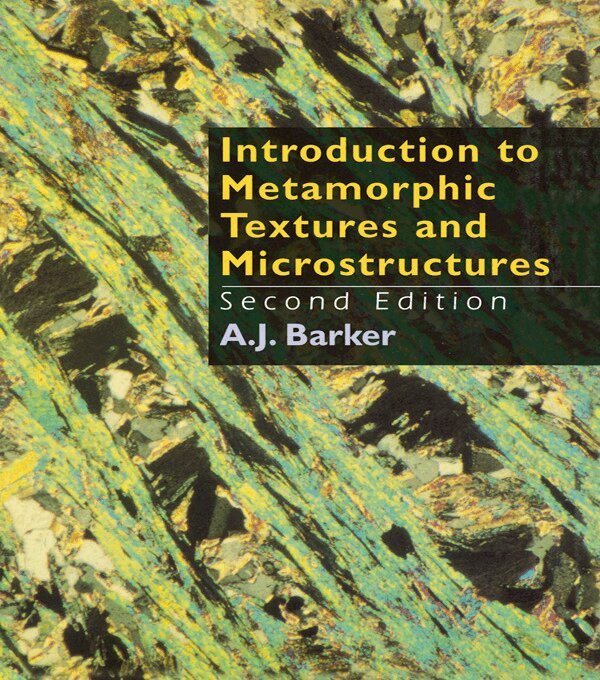
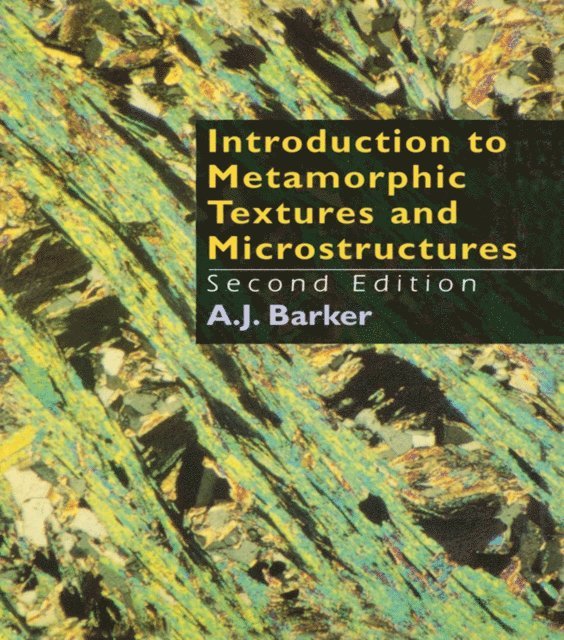
Introduction to Metamorphic Textures and Microstructures
Av A.J. Barker
Häftad, 1998
1827 kr
Lägg i varukorg
A text which aims to help undergraduate students in geology to recognize and interpret metamorphic textures and microstructures in thin-section. For lecturers and postgraduates in geology and petrology, the book provides reference for the interpretation of metamorphic rocks.
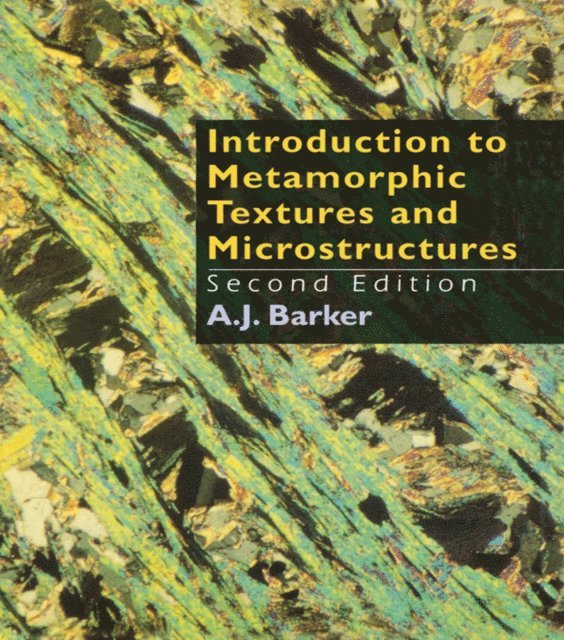
Introduction to Metamorphic Textures and Microstructures
Av A.J. Barker
Inbunden, 2015
2512 kr
Lägg i varukorg
A text which aims to help undergraduate students in geology to recognize and interpret metamorphic textures and microstructures in thin-section. For lecturers and postgraduates in geology and petrology, the book provides reference for the interpretation of metamorphic rocks.
Introduction to Metamorphic Textures and Microstructures
Av A.J. Barker
E-bok, 2013
2164 kr
Lägg i varukorg
A text which aims to help undergraduate students in geology to recognize and interpret metamorphic textures and microstructures in thin-section. For lecturers and postgraduates in geology and petrology, the book provides reference for the interpretation of metamorphic rocks.
Introduction to Metamorphic Textures and Microstructures
Av A.J. Barker
E-bok, 2013
2101 kr
Lägg i varukorg
A text which aims to help undergraduate students in geology to recognize and interpret metamorphic textures and microstructures in thin-section. For lecturers and postgraduates in geology and petrology, the book provides reference for the interpretation of metamorphic rocks.
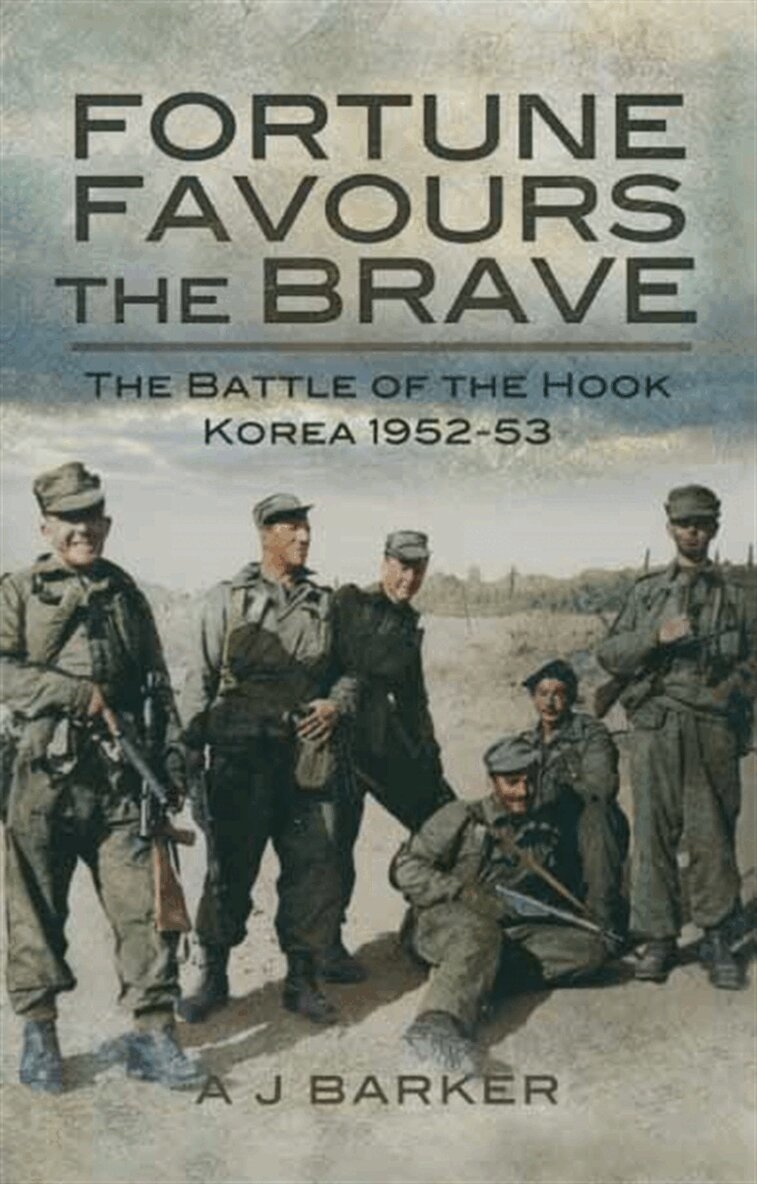
Fortune Favours the Brave
The Battles of the Hook Korea, 1952–53
Av A.J. Barker
E-bok, 2021
127 kr
Lägg i varukorg
All too little remembered today, the Korean War was bitterly fought out under atrocious conditions of weather and terrain. Greatly outnumbered by their Communist Chinese and North Korean enemy, the United Nations forces fought with extraordinary resolve and gallantry. The Hook, the name given to a …