Ajit S. Bhalla - Böcker
Visar alla böcker från författaren Ajit S. Bhalla. Handla med fri frakt och snabb leverans.
4 produkter
4 produkter
2 289 kr
Skickas inom 10-15 vardagar
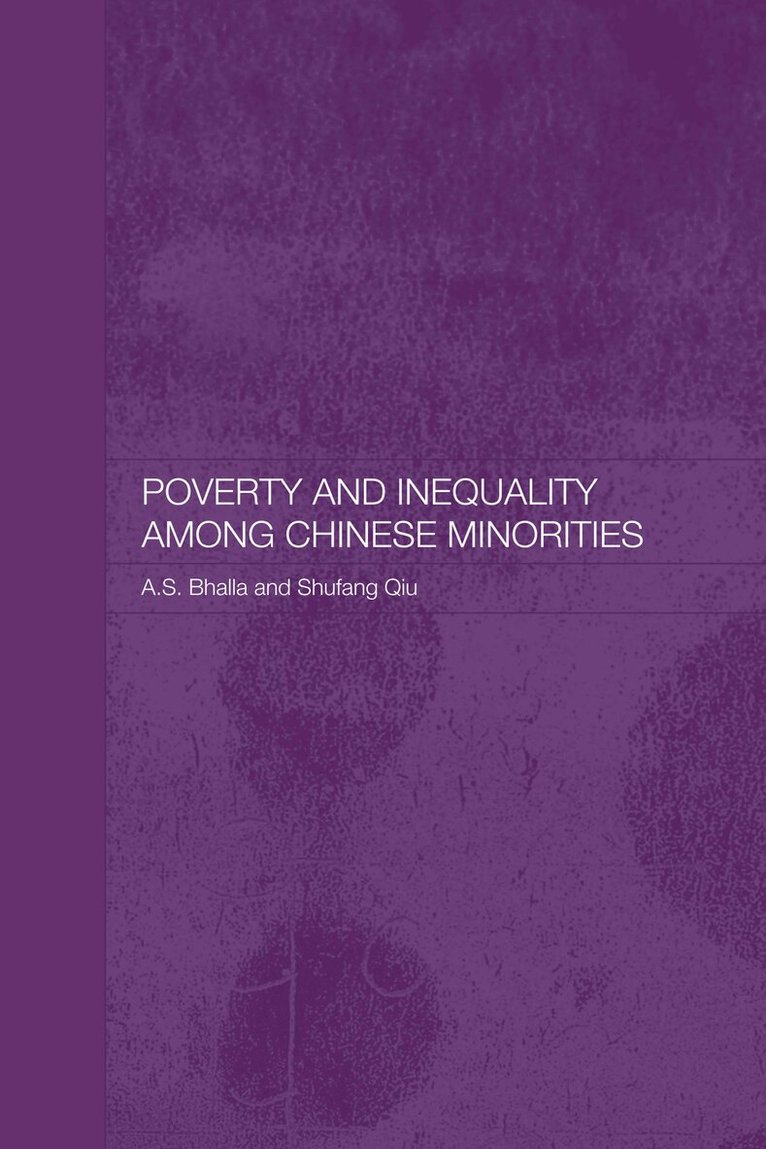
The number of poor people in China is huge, despite recent economic advances. The minorities in China constitute less than ten per cent of the entire population, yet they represent forty to fifty per cent of the absolute poor. This compelling book investigates the problem of poverty and inequality in and among Chinese ethnic minorities, focusing in particular on two important questions: Have the minorities shared the fruits of spectacular economic growth in China during the past two decades? Is their backwardness due to ethnic and cultural factors or to extremely low incomes? The authors examine the different factors explaining poverty, the relationship between poverty and ethnicity, poverty indicators that permit a comparison between minorities and non-minorities (or the Han majority), economic and demographic characteristics of minorities and their educational, occupational and gender profiles. They consider whether special measures in favour of minorities introduced by the Chinese government have contributed to an improvement in their standard of living. Poverty and Inequality among Chinese Minorities gives original research findings and new thinking on a highly topical issue in Chinese development economics, and fills a gap in the existing economic literature.
183 kr
Skickas inom 10-15 vardagar
The number of poor people in China is huge, despite recent economic advances. The minorities in China constitute less than ten per cent of the entire population, yet they represent forty to fifty per cent of the absolute poor. This compelling book investigates the problem of poverty and inequality in and among Chinese ethnic minorities, focusing in particular on two important questions: Have the minorities shared the fruits of spectacular economic growth in China during the past two decades? Is their backwardness due to ethnic and cultural factors or to extremely low incomes? The authors examine the different factors explaining poverty, the relationship between poverty and ethnicity, poverty indicators that permit a comparison between minorities and non-minorities (or the Han majority), economic and demographic characteristics of minorities and their educational, occupational and gender profiles. They consider whether special measures in favour of minorities introduced by the Chinese government have contributed to an improvement in their standard of living. Poverty and Inequality among Chinese Minorities gives original research findings and new thinking on a highly topical issue in Chinese development economics, and fills a gap in the existing economic literature.
475 kr
Skickas inom 10-15 vardagar
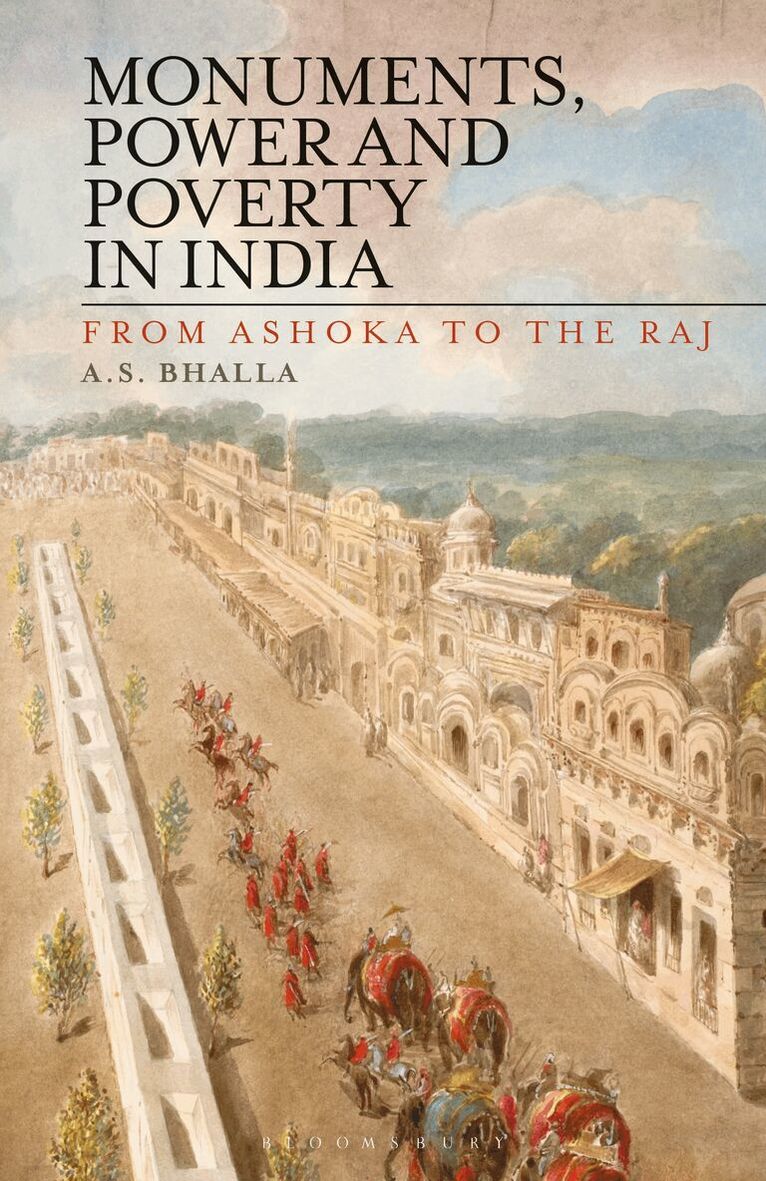
Much has been written about the Imperial architecture of the Indian subcontinent, but this is the first book to dig deeply into the extent of imperial extravagance set against the economic and social conditions of ordinary subjects. Bhalla uses an extensive collection of illustrations to complement this apparent paradox, assessing three Indian empires – Hindu, Muslim and British. From the 3rd century BC through to the end of British colonialism, splendid and often deliberately ostentatious buildings glorified the contemporary social structures. Moving through these different periods, important symbols of the various empires are assessed, including the fort palaces of Agra, Delhi and Lahore and the Taj Mahal. The author here examines both the positives and negatives of empire, taking in social stability but also exploitation and oppression, exploring the subject of Indian poverty in a historical perspective alongside the more lasting symbols of empire. Through comparisons and contrasts, from the mausolea and palaces of the Mughals to the government buildings and memorials provided by the British, this is a comprehensive and well-researched overview of a country whose architectural history gives important insights into the diversity of its rulers. This unique look into colonial architecture and power dynamics will prove essential readers for students, researchers and all those with an interest in South Asian history or the history of architecture.
1 754 kr
Skickas inom 10-15 vardagar
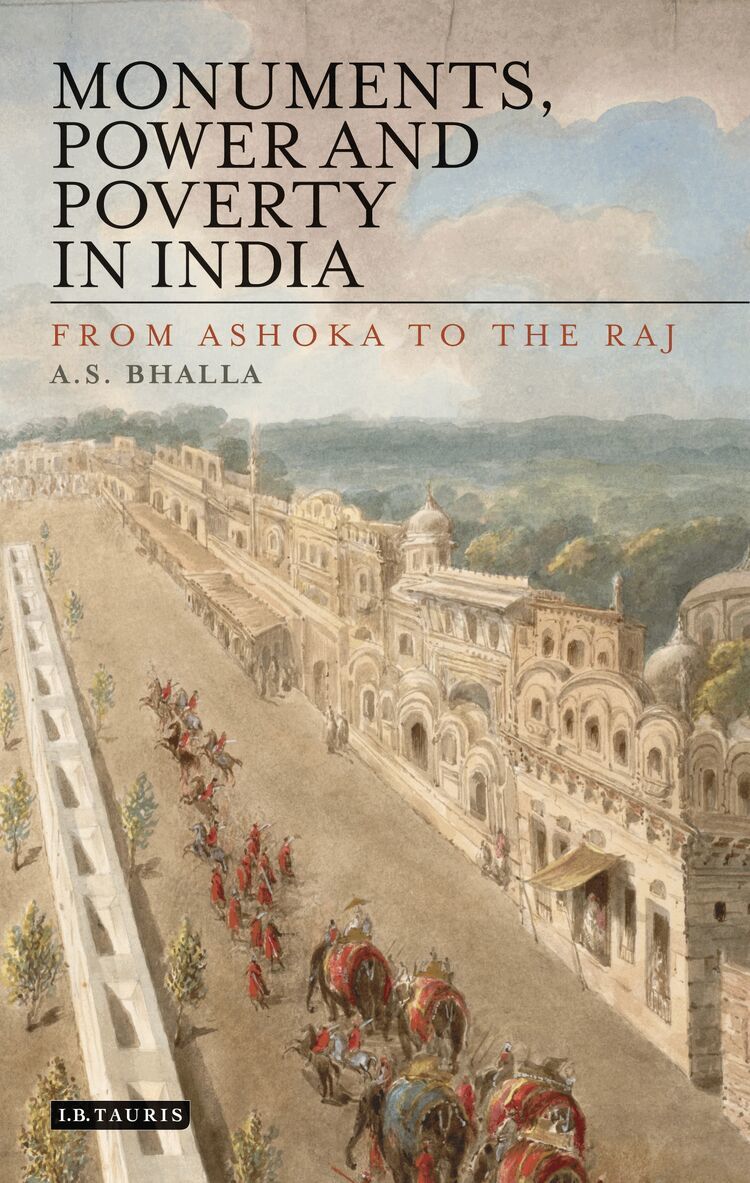
Much has been written about the Imperial architecture of the Indian subcontinent, but this is the first book to dig deeply into the extent of imperial extravagance set against the economic and social conditions of ordinary subjects. Bhalla uses an extensive collection of illustrations to complement this apparent paradox, assessing three Indian empires – Hindu, Muslim and British. From the 3rd century BC through to the end of British colonialism, splendid and often deliberately ostentatious buildings glorified the contemporary social structures. Moving through these different periods, important symbols of the various empires are assessed, including the fort palaces of Agra, Delhi and Lahore and the Taj Mahal. The author here examines both the positives and negatives of empire, taking in social stability but also exploitation and oppression, exploring the subject of Indian poverty in a historical perspective alongside the more lasting symbols of empire. Through comparisons and contrasts, from the mausolea and palaces of the Mughals to the government buildings and memorials provided by the British, this is a comprehensive and well-researched overview of a country whose architectural history gives important insights into the diversity of its rulers. This unique look into colonial architecture and power dynamics will prove essential readers for students, researchers and all those with an interest in South Asian history or the history of architecture.