Akbar Ahmed – författare
2 797 kr
Skickas inom 10-15 vardagar
786 kr
Skickas inom 10-15 vardagar
2 151 kr
Skickas inom 10-15 vardagar
685 kr
Skickas inom 10-15 vardagar
2 773 kr
Skickas inom 10-15 vardagar
588 kr
Skickas inom 10-15 vardagar
293 kr
Skickas inom 10-15 vardagar
307 kr
Läs direkt efter köp
380 kr
Läs direkt efter köp
356 kr
Skickas inom 5-8 vardagar
438 kr
Läs direkt efter köp
410 kr
Skickas inom 5-8 vardagar
438 kr
Läs direkt efter köp
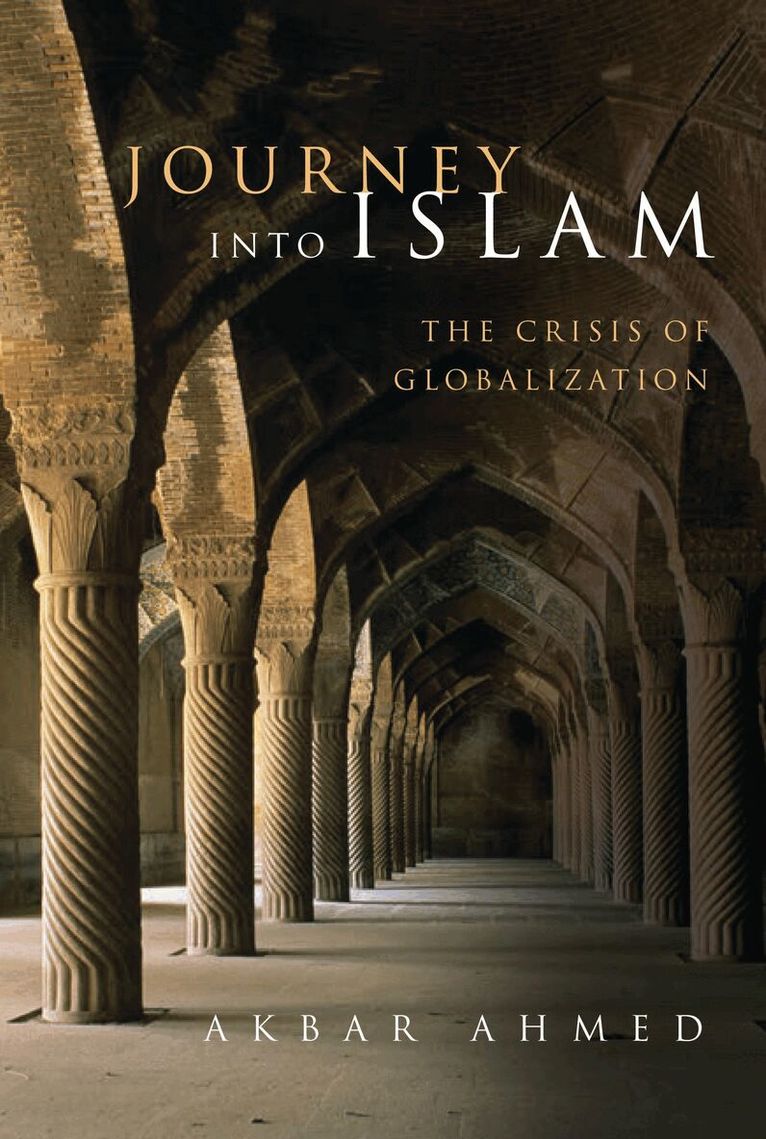
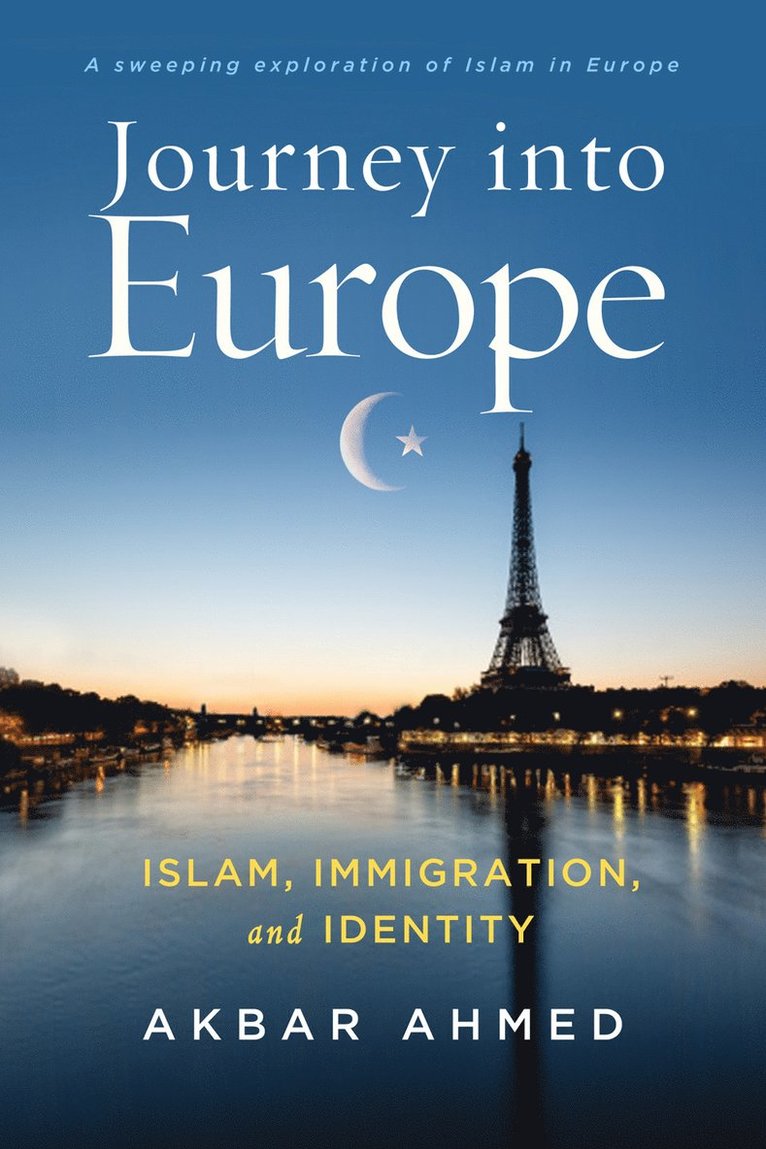
An unprecedented, richly, detailed, and clear-eyed exploration of Islam in European history and civilization
Tensions over Islam were escalating in Europe even before 9/11. Since then, repeated episodes of terrorism together with the refugee crisis have dramatically increased the divide between the majority population and Muslim communities, pushing the debate well beyond concerns over language and female dress. Meanwhile, the parallel rise of right-wing, nationalist political parties throughout the continent, often espousing anti-Muslim rhetoric, has shaken the foundation of the European Union to its very core.
Many Europeans see Islam as an alien, even barbaric force that threatens to overwhelm them and their societies. Muslims, by contrast, struggle to find a place in Europe in the face of increasing intolerance. In tandem, anti-Semitism and other forms of discrimination cause many on the continent to feel unwelcome in their European homes.
Akbar Ahmed, an internationally renowned Islamic scholar, traveled across Europe over the course of four years with his team of researchers and interviewed Muslims and non-Muslims from all walks of life to investigate questions of Islam, immigration, and identity. They spoke with some of Europe''s most prominent figures, including presidents and prime ministers, archbishops, chief rabbis, grand muftis, heads of right-wing parties, and everyday Europeans from a variety of backgrounds. Their findings reveal a story of the place of Islam in European history and civilization that is more interwoven and complex than the reader might imagine, while exposing both the misunderstandings and the opportunities for Europe and its Muslim communities to improve their relationship. Along with an analysis of what has gone wrong and why, this urgent study, the fourth in a quartet examining relations between the West and the Muslim world, features recommendations for promoting integration and pluralism in the twenty-first century.
860 kr
Läs direkt efter köp
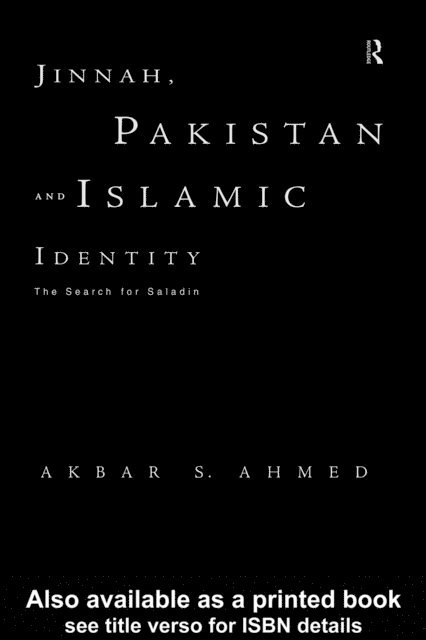
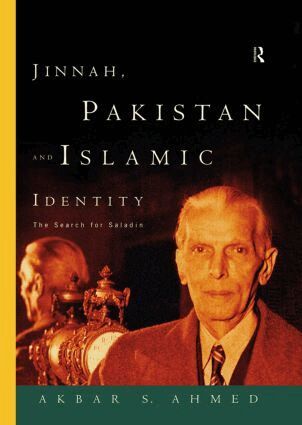
Every generation needs to reinterpret its great men of the past. Akbar Ahmed, by revealing Jinnah''s human face alongside his heroic achievement, both makes this statesman accessible to the current age and renders his greatness even clearer than before.
Four men shaped the end of British rule in India: Nehru, Gandhi, Mountbatten and Jinnah. We know a great deal about the first three, but Mohammed Ali Jinnah, the founder of Pakistan, has mostly either been ignored or, in the case of Richard Attenborough''s hugely successful film about Gandhi, portrayed as a cold megalomaniac, bent on the bloody partition of India. Akbar Ahmed''s major study redresses the balance.
Drawing on history, semiotics and cultural anthropology as well as more conventional biographical techniques, Akbar S. Ahmad presents a rounded picture of the man and shows his relevance as contemporary Islam debates alternative forms of political leadership in a world dominated (at least in the Western media) by figures like Colonel Gadaffi and Saddam Hussein.
860 kr
Läs direkt efter köp
Every generation needs to reinterpret its great men of the past. Akbar Ahmed, by revealing Jinnah''s human face alongside his heroic achievement, both makes this statesman accessible to the current age and renders his greatness even clearer than before.
Four men shaped the end of British rule in India: Nehru, Gandhi, Mountbatten and Jinnah. We know a great deal about the first three, but Mohammed Ali Jinnah, the founder of Pakistan, has mostly either been ignored or, in the case of Richard Attenborough''s hugely successful film about Gandhi, portrayed as a cold megalomaniac, bent on the bloody partition of India. Akbar Ahmed''s major study redresses the balance.
Drawing on history, semiotics and cultural anthropology as well as more conventional biographical techniques, Akbar S. Ahmad presents a rounded picture of the man and shows his relevance as contemporary Islam debates alternative forms of political leadership in a world dominated (at least in the Western media) by figures like Colonel Gadaffi and Saddam Hussein.
649 kr
Läs direkt efter köp
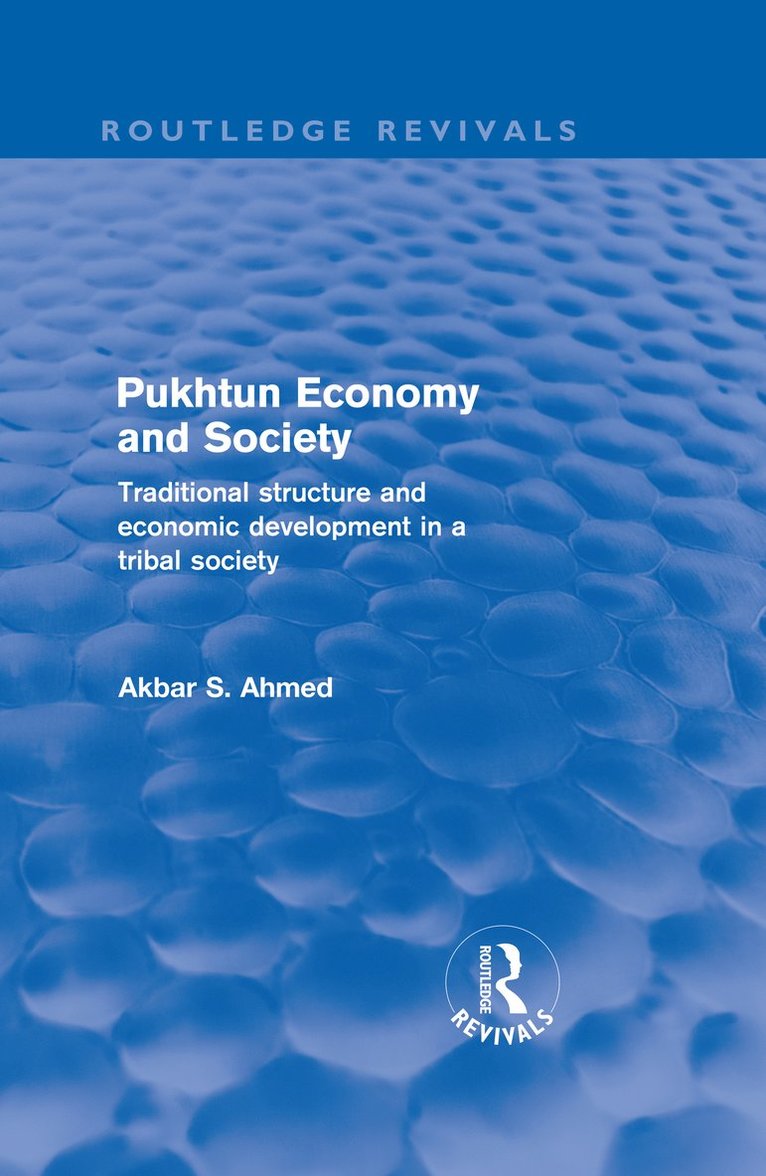
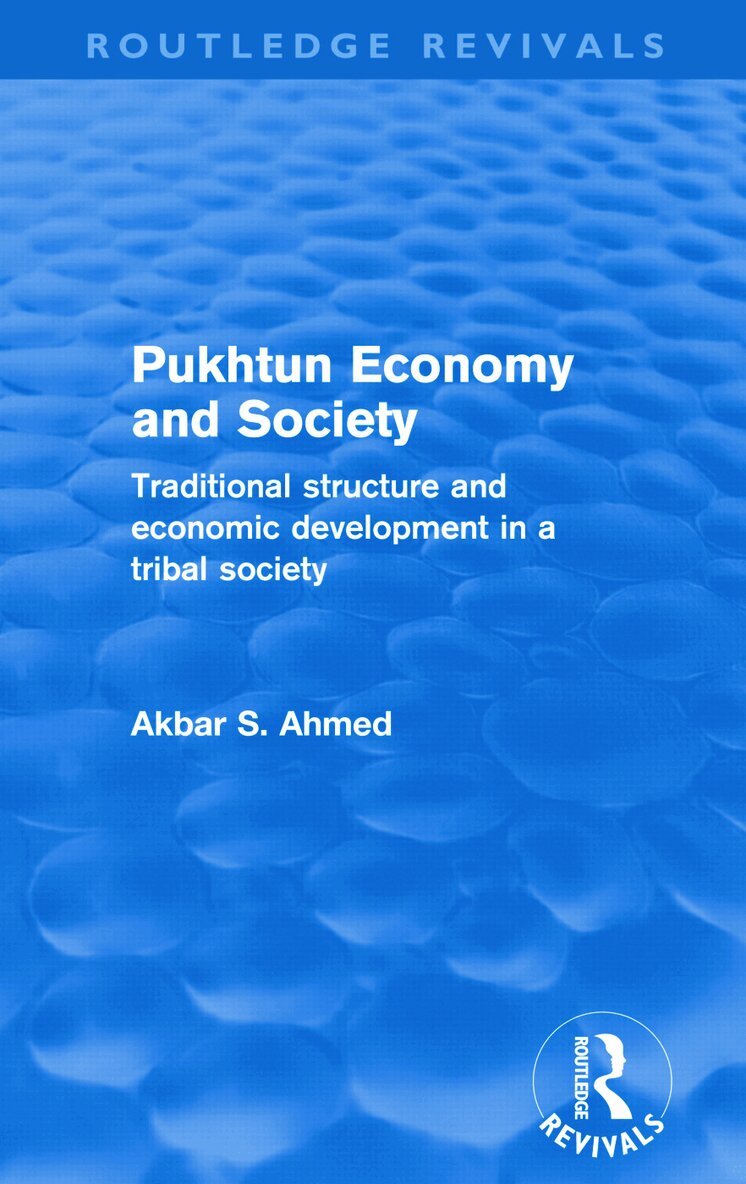
First published in 1980, this groundbreaking Routledge Revival is a reissue of an original and authentic anthropological account of Pukhtun society by Professor Akbar Ahmed. Combining extensive fieldwork data collected among the Mohmand tribe in the Northwest Frontier Province of Pakistan with historical and literary sources, Professor Ahmed’s study seeks to construct an ideal-type model of Pukhtun society based on the ideal Code of the Pukhtuns and to analyse the conditions of its maintenance and transformation.
The author’s thesis is that this ideal model exists within Pukhtun society when interaction with larger state systems is minimal and in poor economic zones. In this way he posits an opposition between the Tribal Agencies along the border with Afghanistan, where ecological conditions are poor and state influence minimal, and the Settled Areas under state administration where Pukhtun society is forced away from its ideals.
649 kr
Läs direkt efter köp
First published in 1980, this groundbreaking Routledge Revival is a reissue of an original and authentic anthropological account of Pukhtun society by Professor Akbar Ahmed. Combining extensive fieldwork data collected among the Mohmand tribe in the Northwest Frontier Province of Pakistan with historical and literary sources, Professor Ahmed’s study seeks to construct an ideal-type model of Pukhtun society based on the ideal Code of the Pukhtuns and to analyse the conditions of its maintenance and transformation.
The author’s thesis is that this ideal model exists within Pukhtun society when interaction with larger state systems is minimal and in poor economic zones. In this way he posits an opposition between the Tribal Agencies along the border with Afghanistan, where ecological conditions are poor and state influence minimal, and the Settled Areas under state administration where Pukhtun society is forced away from its ideals.
795 kr
Läs direkt efter köp
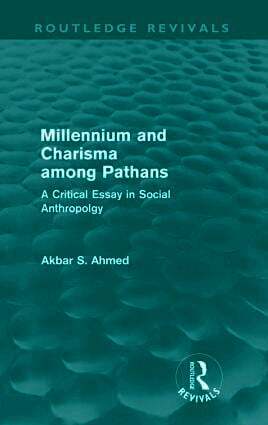
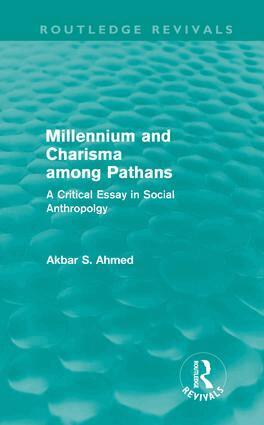
First published in 1976, this Routledge Revivals reissue presents an analysis of the Swat Pathans, the people of the North-West Frontier Province of Pakistan, who belong administratively to Pakistan despite being a fiercely independent group, with their own codes and ways of life. Akbar S. Ahmed, who knows the Swat Pathans well through his family connections, presents a clear and sophisticated analysis of their complex society. The study provides an anthropological and critical re-examination of the ethnography of the Swat Pathans and the author suggests specific alternative models of social organization.
The book also represents an important contribution to the general debate in the social sciences between the ‘methodological individualists’ and the ‘methodological holists’, and challenges some of the theoretical and methodological premises in anthropology. In particular the author is critical of Professor Fredrik Barth’s study of Swat Pathans, for he believes that the ‘Swat models’ have inadvertently become the basis for generalized, and often incorrect, understanding of models of Pathan socio-political organization in the social sciences.
795 kr
Läs direkt efter köp
First published in 1976, this Routledge Revivals reissue presents an analysis of the Swat Pathans, the people of the North-West Frontier Province of Pakistan, who belong administratively to Pakistan despite being a fiercely independent group, with their own codes and ways of life. Akbar S. Ahmed, who knows the Swat Pathans well through his family connections, presents a clear and sophisticated analysis of their complex society. The study provides an anthropological and critical re-examination of the ethnography of the Swat Pathans and the author suggests specific alternative models of social organization.
The book also represents an important contribution to the general debate in the social sciences between the ‘methodological individualists’ and the ‘methodological holists’, and challenges some of the theoretical and methodological premises in anthropology. In particular the author is critical of Professor Fredrik Barth’s study of Swat Pathans, for he believes that the ‘Swat models’ have inadvertently become the basis for generalized, and often incorrect, understanding of models of Pathan socio-political organization in the social sciences.
319 kr
Skickas inom 5-8 vardagar
213 kr
Skickas inom 5-8 vardagar