Alaa Elgibali - Böcker
Visar alla böcker från författaren Alaa Elgibali. Handla med fri frakt och snabb leverans.
4 produkter
4 produkter
2 232 kr
Skickas inom 10-15 vardagar
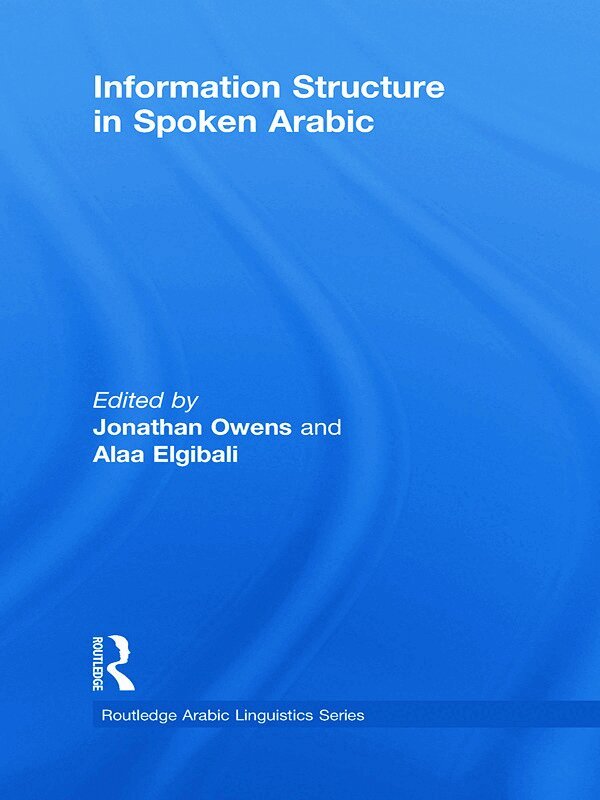
This book explores speakers’ intentions, and the structural and pragmatic resources they employ, in spoken Arabic – which is different in many essential respects from literary Arabic. Based on new empirical findings from across the Arabic world this book elucidates the many ways in which context and the goals and intentions of the speaker inform and constrain linguistic structure in spoken Arabic.This is the first book to provide an in-depth analysis of information structure in spoken Arabic, which is based on language as it is actually used, not on normatively-given grammar. Written by leading experts in Arabic linguistics, the studies evaluate the ways in which relevant parts of a message in spoken Arabic are encoded, highlighted or obscured. It covers a broad range of issues from across the Arabic-speaking world, including the discourse-sensitive properties of word order variation, the use of intonation for information focussing, the differential role of native Arabic and second languages to encode information in a codeswitching context, and the need for cultural contextualization to understand the role of "disinformation" structure. The studies combine a strong empirical basis with methodological and theoretical issues drawn from a number of different perspectives including pragmatic theory, language contact, instrumental prosodic analysis and (de-)grammaticalization theory. The introductory chapter embeds the project within the deeper Arabic grammatical tradition, as elaborated by the eleventh century grammarian Abdul Qahir al-Jurjani. This book provides an invaluable comprehensive introduction to an important, yet understudied, component of spoken Arabic.
688 kr
Skickas inom 10-15 vardagar
This book explores speakers’ intentions, and the structural and pragmatic resources they employ, in spoken Arabic – which is different in many essential respects from literary Arabic. Based on new empirical findings from across the Arabic world this book elucidates the many ways in which context and the goals and intentions of the speaker inform and constrain linguistic structure in spoken Arabic.This is the first book to provide an in-depth analysis of information structure in spoken Arabic, which is based on language as it is actually used, not on normatively-given grammar. Written by leading experts in Arabic linguistics, the studies evaluate the ways in which relevant parts of a message in spoken Arabic are encoded, highlighted or obscured. It covers a broad range of issues from across the Arabic-speaking world, including the discourse-sensitive properties of word order variation, the use of intonation for information focussing, the differential role of native Arabic and second languages to encode information in a codeswitching context, and the need for cultural contextualization to understand the role of "disinformation" structure. The studies combine a strong empirical basis with methodological and theoretical issues drawn from a number of different perspectives including pragmatic theory, language contact, instrumental prosodic analysis and (de-)grammaticalization theory. The introductory chapter embeds the project within the deeper Arabic grammatical tradition, as elaborated by the eleventh century grammarian Abdul Qahir al-Jurjani. This book provides an invaluable comprehensive introduction to an important, yet understudied, component of spoken Arabic.
2 600 kr
Skickas inom 3-6 vardagar
368 kr
Skickas
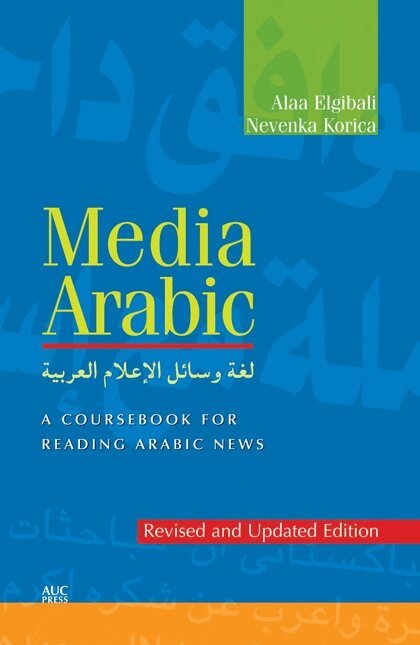
In light of the rapidly growing number of people studying Arabic--in academia, governments, NGOs, and business--Media Arabic is a unique and timely learning tool for anyone looking to access news information from this important global region firsthand. Media Arabic introduces the language of the newspapers, magazines, and internet news sites to intermediate and advanced level students of Modern Standard Arabic. Using this textbook, students will be able to master core vocabulary and structures typical of front-page news, recognize various modes of coverage, distinguish fact from opinion, detect bias, and read critically in Arabic. Drawing on their long experience as Arabic instructors, Alaa Elgibali and Nevenka Korica have organized the book into six chapters, each covering a dominant news topic: Talks and Conferences, Demonstrations and Protests, Conflicts and Terrorism, Elections, Rule of Law, and Business. In addition, the book offers three self-assessment units and a glossary organized by theme. The book enables students to read extended texts with greater accuracy and speed by focusing on the relationships among meaning, language form, and markers of cohesive discourse. The activities include pre-reading discussions as well as extensive practice on vocabulary in context, organizing information, skimming, scanning, critical reading, and analyzing content.