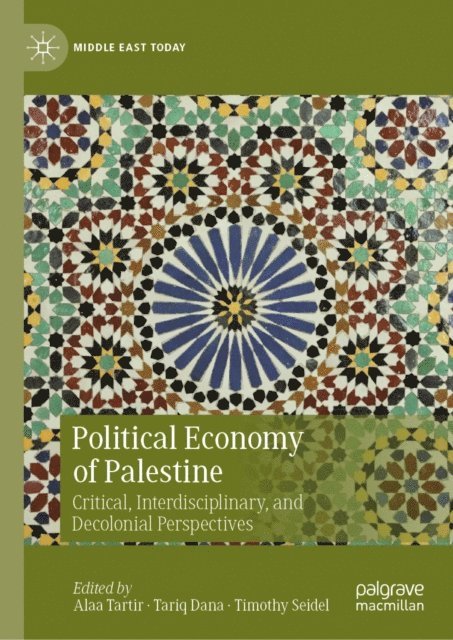
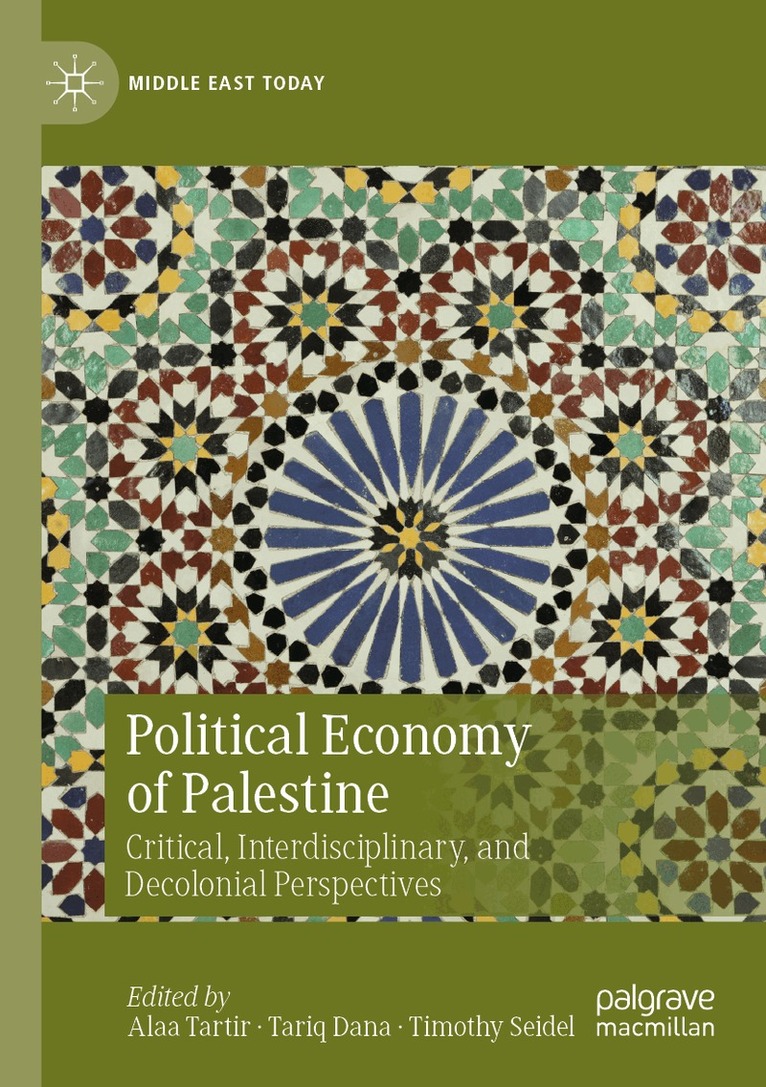
Alaa Tartir – författare
Visar alla böcker från författaren Alaa Tartir. Handla med fri frakt och snabb leverans.
10 produkter
10 produkter
Inbunden, Engelska, 2024
1 356 kr
Skickas inom 10-15 vardagar
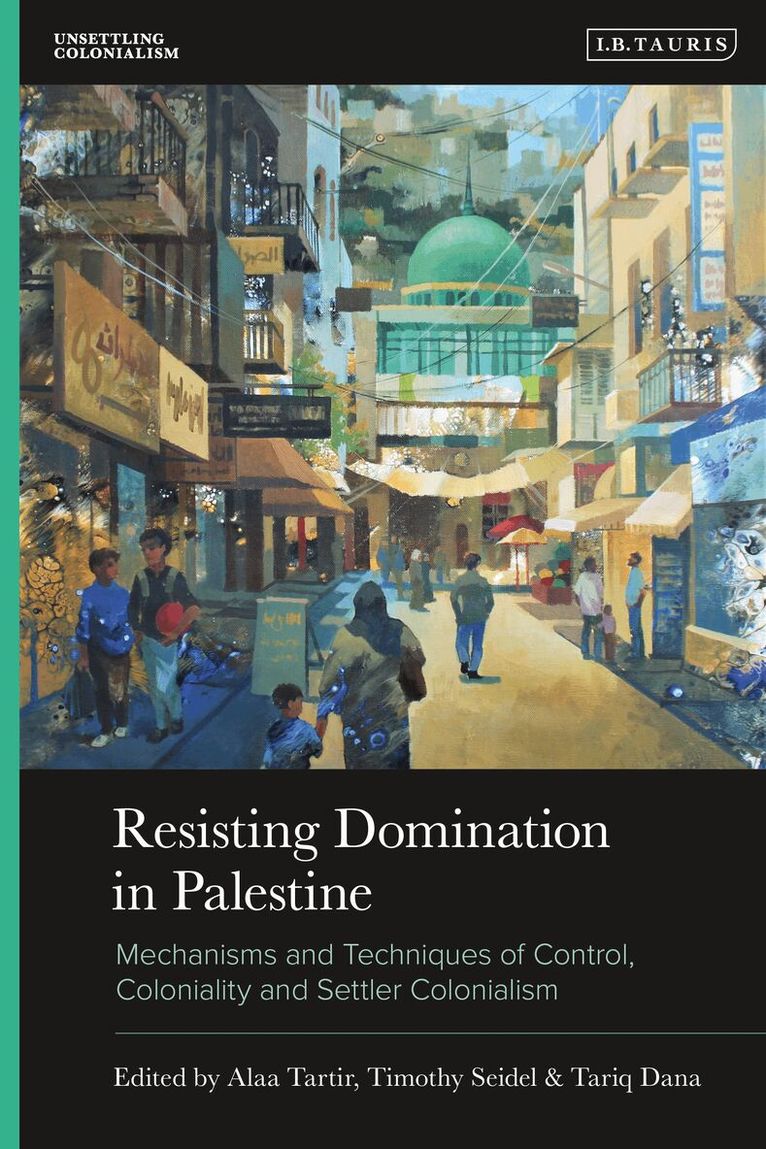
This meticulously curated edited volume presents an assemblage of insightful, critical, and contemporary perspectives on how Israeli domination has been sustained and reproduced in new forms and means using various mechanisms and techniques of control, coloniality, and settler colonialism. Based on original empirical fieldwork, the contributors to this book adopt interdisciplinary and decolonial approaches in their examination of the intricate functions and structures of domination that permeate Palestinian life by illuminating the power dynamics at play and revealing the mechanisms that sustain the settler-colonial regime. This book identifies sites of colonial control and domination exerted on Palestine by Israel, and demonstrates how these sites of control are also sites of Palestinian resistance. The first section explores the political sites of control by focusing on governmentality, institutions, and technologies and mechanisms of control including how Israel manages access to health, life and death. The second section examines the economic mechanisms of exploitation, dispossession, and de-development including banking, taxation and the relationships between finance capital, aid and military occupation. The third section turns attention to environmental sites of control, focusing on land, indigeneity, space and racial capitalism. Finally, section four scrutinizes the intellectual sites of control, highlighting how norms, narratives, and knowledge production perpetuate domination.
E-bok
PDF, Engelska, 2024359 kr
Läs direkt efter köp
This meticulously curated edited volume presents an assemblage of insightful, critical, and contemporary perspectives on how Israeli domination has been sustained and reproduced in new forms and means using various mechanisms and techniques of control, coloniality, and settler colonialism. Based on original empirical fieldwork, the contributors to this book adopt interdisciplinary and decolonial approaches in their examination of the intricate functions and structures of domination that permeate Palestinian life by illuminating the power dynamics at play and revealing the mechanisms that sustain the settler-colonial regime. This book identifies sites of colonial control and domination exerted on Palestine by Israel, and demonstrates how these sites of control are also sites of Palestinian resistance. The first section explores the political sites of control by focusing on governmentality, institutions, and technologies and mechanisms of control including how Israel manages access to health, life and death. The second section examines the economic mechanisms of exploitation, dispossession, and de-development including banking, taxation and the relationships between finance capital, aid and military occupation. The third section turns attention to environmental sites of control, focusing on land, indigeneity, space and racial capitalism. Finally, section four scrutinizes the intellectual sites of control, highlighting how norms, narratives, and knowledge production perpetuate domination.
E-bok
Engelska, 2024359 kr
Läs direkt efter köp
This meticulously curated edited volume presents an assemblage of insightful, critical, and contemporary perspectives on how Israeli domination has been sustained and reproduced in new forms and means using various mechanisms and techniques of control, coloniality, and settler colonialism. Based on original empirical fieldwork, the contributors to this book adopt interdisciplinary and decolonial approaches in their examination of the intricate functions and structures of domination that permeate Palestinian life by illuminating the power dynamics at play and revealing the mechanisms that sustain the settler-colonial regime. This book identifies sites of colonial control and domination exerted on Palestine by Israel, and demonstrates how these sites of control are also sites of Palestinian resistance. The first section explores the political sites of control by focusing on governmentality, institutions, and technologies and mechanisms of control including how Israel manages access to health, life and death. The second section examines the economic mechanisms of exploitation, dispossession, and de-development including banking, taxation and the relationships between finance capital, aid and military occupation. The third section turns attention to environmental sites of control, focusing on land, indigeneity, space and racial capitalism. Finally, section four scrutinizes the intellectual sites of control, highlighting how norms, narratives, and knowledge production perpetuate domination.
Häftad, Engelska, 2025
419 kr
Skickas inom 10-15 vardagar
This meticulously curated edited volume presents an assemblage of insightful, critical, and contemporary perspectives on how Israeli domination has been sustained and reproduced in new forms and means using various mechanisms and techniques of control, coloniality, and settler colonialism. Based on original empirical fieldwork, the contributors to this book adopt interdisciplinary and decolonial approaches in their examination of the intricate functions and structures of domination that permeate Palestinian life by illuminating the power dynamics at play and revealing the mechanisms that sustain the settler-colonial regime. This book identifies sites of colonial control and domination exerted on Palestine by Israel, and demonstrates how these sites of control are also sites of Palestinian resistance. The first section explores the political sites of control by focusing on governmentality, institutions, and technologies and mechanisms of control including how Israel manages access to health, life and death. The second section examines the economic mechanisms of exploitation, dispossession, and de-development including banking, taxation and the relationships between finance capital, aid and military occupation. The third section turns attention to environmental sites of control, focusing on land, indigeneity, space and racial capitalism. Finally, section four scrutinizes the intellectual sites of control, highlighting how norms, narratives, and knowledge production perpetuate domination.
Häftad, Engelska, 2019
428 kr
Skickas
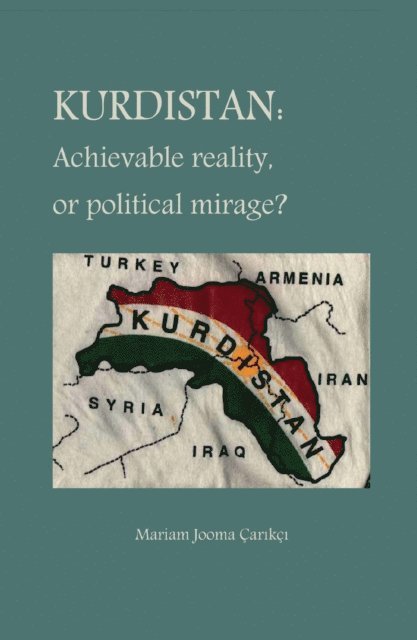
Spread across a number of countries around the world, and concentrated in four Middle Eastern countries, Kurds have yearned for their own country for almost a century, but were forgotten when the region was carved up by the Sykes-Picot Agreement early in the twentieth century. Since then, the creation of a Kurdish state was high on the agenda of all Kurds. This was especially true when we consider the lot of Kurds in Turkey, Syria, Iraq and Iran. This book examines the political situation of Kurds in these four countries, looks at how this has changed-particularly in the past decade-and considers what the future might hold for the Kurdish people and for the notion of a state of Kurdistan. It asks the question of whether a Kurdish state is achievable, or, even, desirable. The book is written for policy makers and academics interested in the Middle East region and in Kurdish politics in particular. It is written in an accessible way that makes it easy reading for anyone curious about the region and its people.
Inbunden, Engelska, 2019
928 kr
Skickas inom 10-15 vardagar
This book explores how the rule of power relates to the case of occupied Palestine, examining features of local dissent and international governance. The project considers expressions of the rule of power in two particular ways: settler colonialism and neoliberalism. As power is always accompanied by resistance, the authors engage with and explores forms of everyday resistance to the logics and regimes of neoliberal governance and settler colonialism. They investigate wide-ranging issues and dynamics related to international governance, liberal peacebuilding, statebuilding, and development, the claim to politics, and the notion and practice of resistance. This work will be of interest for academics focusing on modern Middle Eastern politics, international relations, as well as for courses on contemporary conflicts, peacebuilding, and development.
E-bok
Engelska, 20181 138 kr
Läs direkt efter köp
This book explores how the rule of power relates to the case of occupied Palestine, examining features of local dissent and international governance. The project considers expressions of the rule of power in two particular ways: settler colonialism and neoliberalism. As power is always accompanied by resistance, the authors engage with and explores forms of everyday resistance to the logics and regimes of neoliberal governance and settler colonialism. They investigate wide-ranging issues and dynamics related to international governance, liberal peacebuilding, statebuilding, and development, the claim to politics, and the notion and practice of resistance. This work will be of interest for academics focusing on modern Middle Eastern politics, international relations, as well as for courses on contemporary conflicts, peacebuilding, and development.
Inbunden, Engelska, 2021
1 741 kr
Skickas inom 10-15 vardagar
This book explores the political economy of Palestine through critical, interdisciplinary, and decolonial perspectives, underscoring that an approach to economics that does not consider the political—a de-politicized economics—is inadequate to understanding the situation in occupied Palestine. A critical interdisciplinary approach to political economy challenges prevailing neoliberal logics and structures that reproduce racial capitalism, and explores how the political economy of occupied Palestine is shaped by processes of accumulation by exploitation and dispossession from both Israel and global business, as well as from Palestinian elites. A decolonial approach to Palestinian political economy foregrounds struggles against neoliberal and settler colonial policies and institutions, and aids in the de-fragmentation of Palestinian life, land, and political economy that the Oslo Accords perpetuated, but whose histories of de-development over all of Palestine can be traced back for over a century. The chapters in this book offer an in-depth contextualization of the Palestinian political economy, analyze the political economy of integration, fragmentation, and inequality, and explore and problematize multiple sectors and themes of political economy in the absence of sovereignty.
E-bok
Engelska, 20212 130 kr
Läs direkt efter köp
This book explores the political economy of Palestine through critical, interdisciplinary, and decolonial perspectives, underscoring that an approach to economics that does not consider the political—a de-politicized economics—is inadequate to understanding the situation in occupied Palestine. A critical interdisciplinary approach to political economy challenges prevailing neoliberal logics and structures that reproduce racial capitalism, and explores how the political economy of occupied Palestine is shaped by processes of accumulation by exploitation and dispossession from both Israel and global business, as well as from Palestinian elites. A decolonial approach to Palestinian political economy foregrounds struggles against neoliberal and settler colonial policies and institutions, and aids in the de-fragmentation of Palestinian life, land, and political economy that the Oslo Accords perpetuated, but whose histories of de-development over all of Palestine can be traced back for over a century. The chapters in this book offer an in-depth contextualization of the Palestinian political economy, analyze the political economy of integration, fragmentation, and inequality, and explore and problematize multiple sectors and themes of political economy in the absence of sovereignty.
Häftad, Engelska, 2022
1 741 kr
Skickas inom 10-15 vardagar
This book explores the political economy of Palestine through critical, interdisciplinary, and decolonial perspectives, underscoring that an approach to economics that does not consider the political—a de-politicized economics—is inadequate to understanding the situation in occupied Palestine. A critical interdisciplinary approach to political economy challenges prevailing neoliberal logics and structures that reproduce racial capitalism, and explores how the political economy of occupied Palestine is shaped by processes of accumulation by exploitation and dispossession from both Israel and global business, as well as from Palestinian elites. A decolonial approach to Palestinian political economy foregrounds struggles against neoliberal and settler colonial policies and institutions, and aids in the de-fragmentation of Palestinian life, land, and political economy that the Oslo Accords perpetuated, but whose histories of de-development over all of Palestine can be traced back for over a century. The chapters in this book offer an in-depth contextualization of the Palestinian political economy, analyze the political economy of integration, fragmentation, and inequality, and explore and problematize multiple sectors and themes of political economy in the absence of sovereignty.