Alain Caillé – författare
Visar alla böcker från författaren Alain Caillé. Handla med fri frakt och snabb leverans.
6 produkter
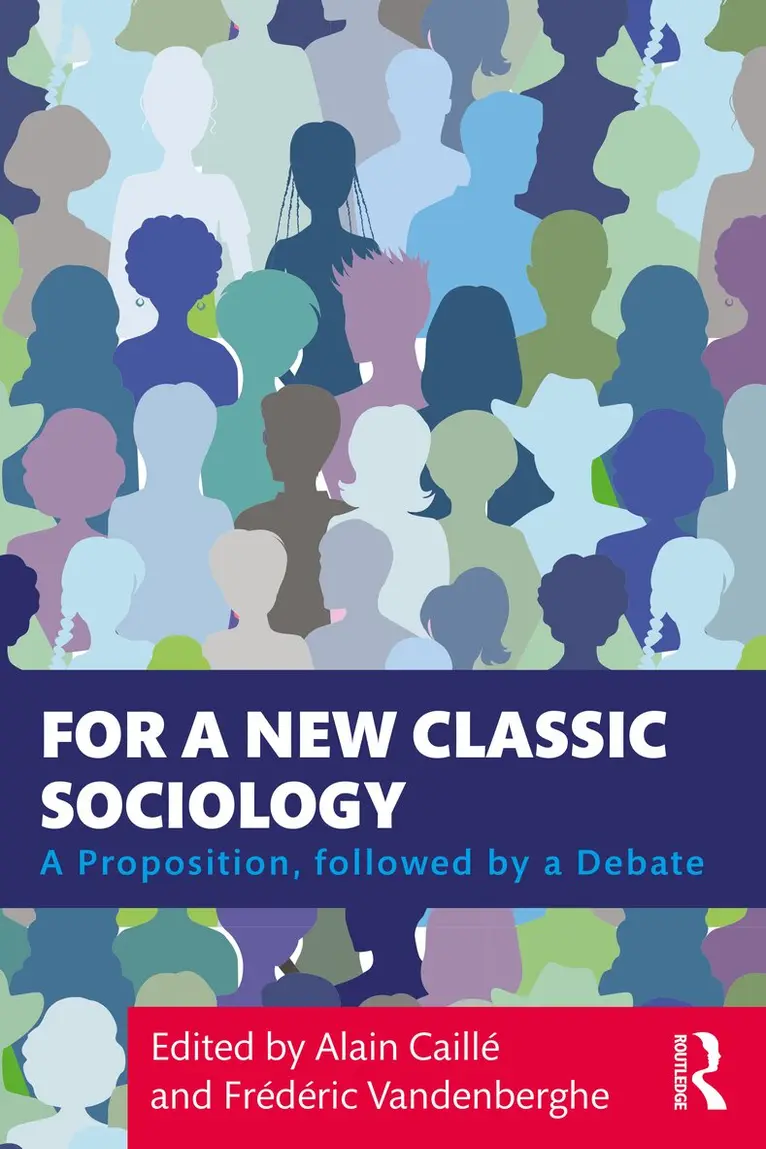
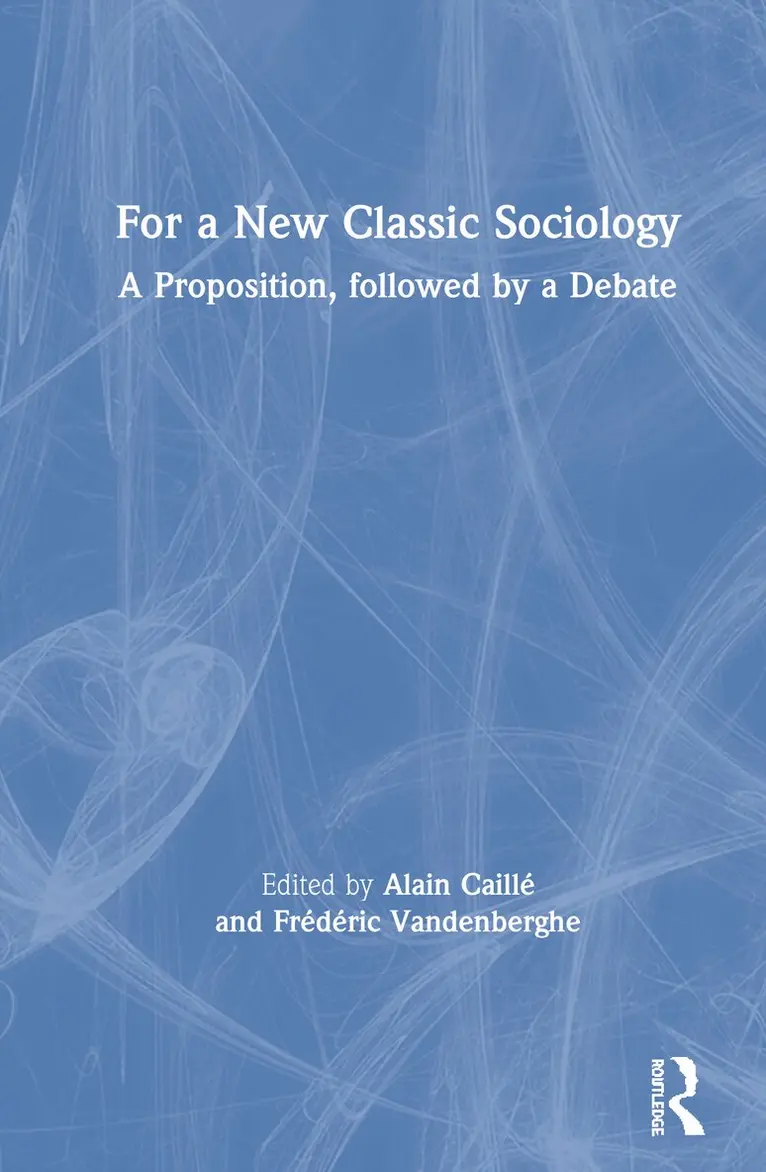
For a New Classic Sociology
A Proposition, followed by a Debate
Av Alain Caillé, Frédéric Vandenberghe
Häftad, 2020
647 kr
Lägg i varukorg
This book examines the future of the social sciences and the reconstruction of society in contemporary times. Drawing on the lead piece For a New Classic Sociology, it calls for a new theoretical synthesis that overcomes the fragmentation, specialization and professionalization within the social …
Gift Paradigm – A Short Introduction to the Anti–Utilitarian Movement in the Social Sciences
Av Alain Caillé
Häftad, 2020
117 kr
Lägg i varukorg
In his classic essay The Gift, Marcel Mauss argued that gifts can never be truly free; rather, they bring about an expectation of reciprocal exchange. For over one hundred years, his ideas on economy, social relations, and exchange have inspired new modes of thought, none more so than what …
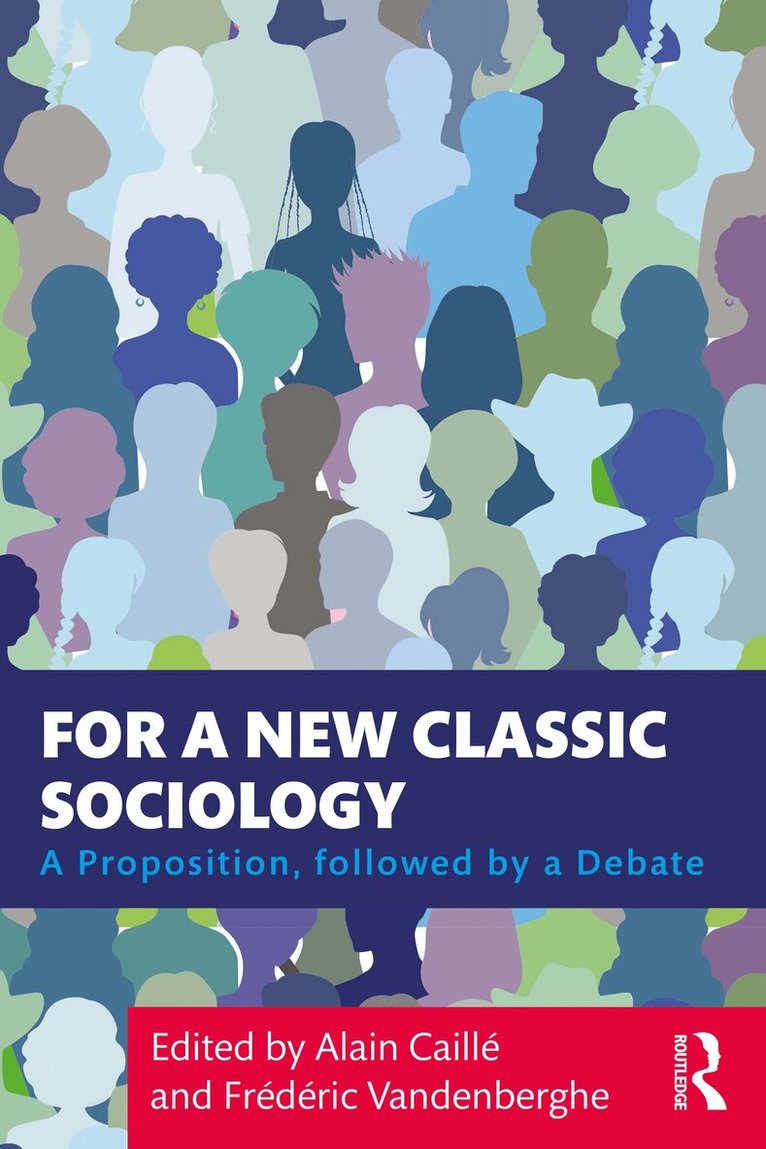
For a New Classic Sociology
A Proposition, followed by a Debate
Av Alain Caillé, Frédéric Vandenberghe
E-bok, 2020
762 kr
Lägg i varukorg
This book examines the future of the social sciences and the reconstruction of society in contemporary times. Drawing on the lead piece For a New Classic Sociology, it calls for a new theoretical synthesis that overcomes the fragmentation, specialization and professionalization within the social …
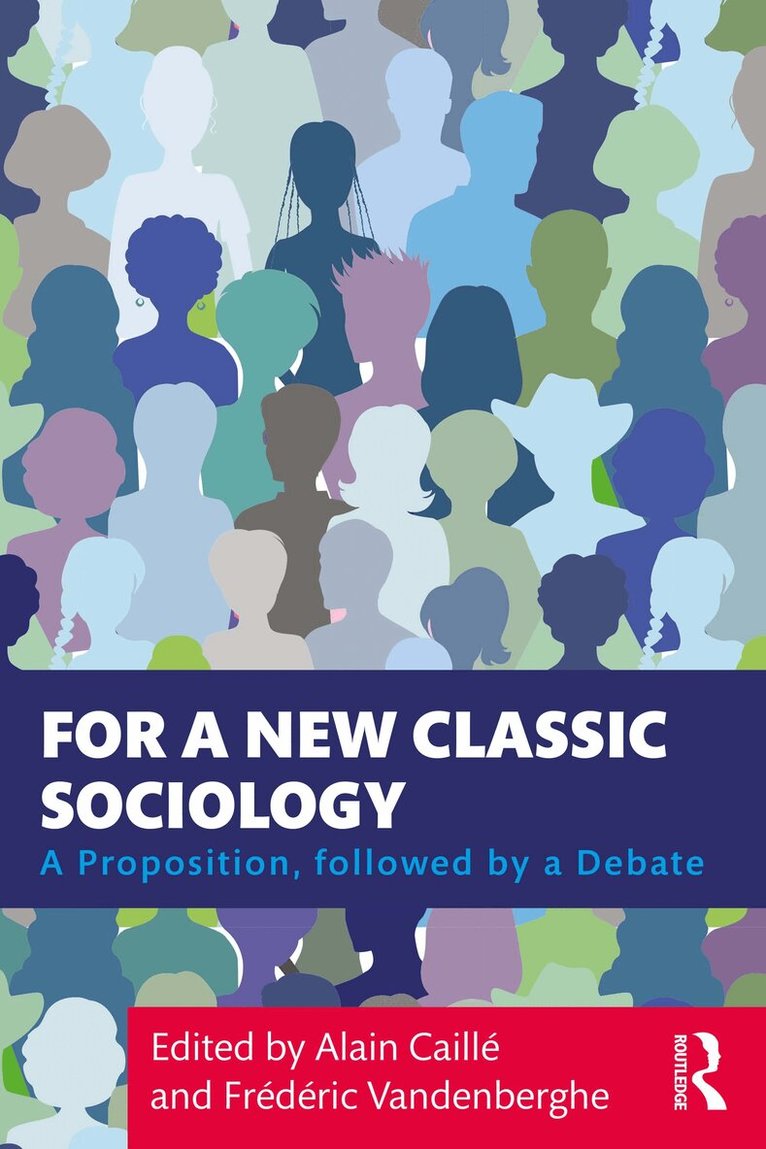
For a New Classic Sociology
A Proposition, followed by a Debate
Av Alain Caillé, Frédéric Vandenberghe
E-bok, 2020
762 kr
Lägg i varukorg
This book examines the future of the social sciences and the reconstruction of society in contemporary times. Drawing on the lead piece For a New Classic Sociology, it calls for a new theoretical synthesis that overcomes the fragmentation, specialization and professionalization within the social …
For a New Classic Sociology
A Proposition, followed by a Debate
Av Alain Caillé, Frédéric Vandenberghe
Inbunden, 2020
2510 kr
Lägg i varukorg
This book examines the future of the social sciences and the reconstruction of society in contemporary times. Drawing on the lead piece For a New Classic Sociology, it calls for a new theoretical synthesis that overcomes the fragmentation, specialization and professionalization within the social …
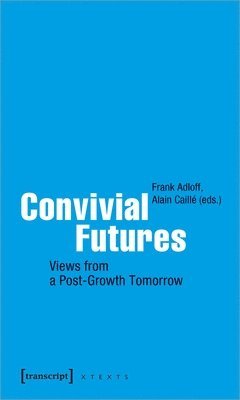
Convivial Futures
Views from a Post-Growth Tomorrow
Häftad, 2022
540 kr
Lägg i varukorg
What steps are needed to make life better and more convivial? The Second Convivialist Manifesto (2020) has presented a short diagnosis of the current crises and sketches of a possible and desirable future. It has been a necessary work of theoretical synthesis, but preserving a viable world also …