Alain Stella – författare
Visar alla böcker från författaren Alain Stella. Handla med fri frakt och snabb leverans.
8 produkter
Jacques Garcia: Thirty Years of Passion
Château du Champ de Bataille
Av Jacques Garcia, Alain Stella
Inbunden, 2026
805 kr
Lägg i varukorg
Enter the rarefied universe of Jacques Garcia via his elaborately restored seventeenth-century château in Normandy depicted in stunning photography of the residence and extensive gardens. French interior designer and collector Jacques Garcia has dedicated the past thirty years to restoring the …
Dior in Bloom (Chinese Edition)
Av Jérôme Hanover, Alain Stella m. fl.
Inbunden, 2020
855 kr
Lägg i varukorg
Pierre Frey: Textiles, Wallpapers, Carpets, and Furniture
A Family Legacy of Passion and Creativity
Inbunden, 2023
655 kr
Lägg i varukorg
Pierre Frey, the leading French producer of furniture, textiles and wallcoverings, seamlessly combines artisanal craftsmanship with modernity. Enchanting brocades and damasks, luminous hand-woven silken velvets, traditional woodblock printed fabrics, striking contemporary patterns made into works …
Fragonard
The Parfume of Provence
Av Alain Stella
Inbunden, 2026
521 kr
Lägg i varukorg
Celebrate a century of Provençal elegance and craftsmanship through the colorful and whimsical world of Maison Fragonard, a historic perfumer and purveyor of lifestyle goods. Fragonard’s rich history in crafting luxurious perfumes and designing fanciful objects for the home is recounted in this …
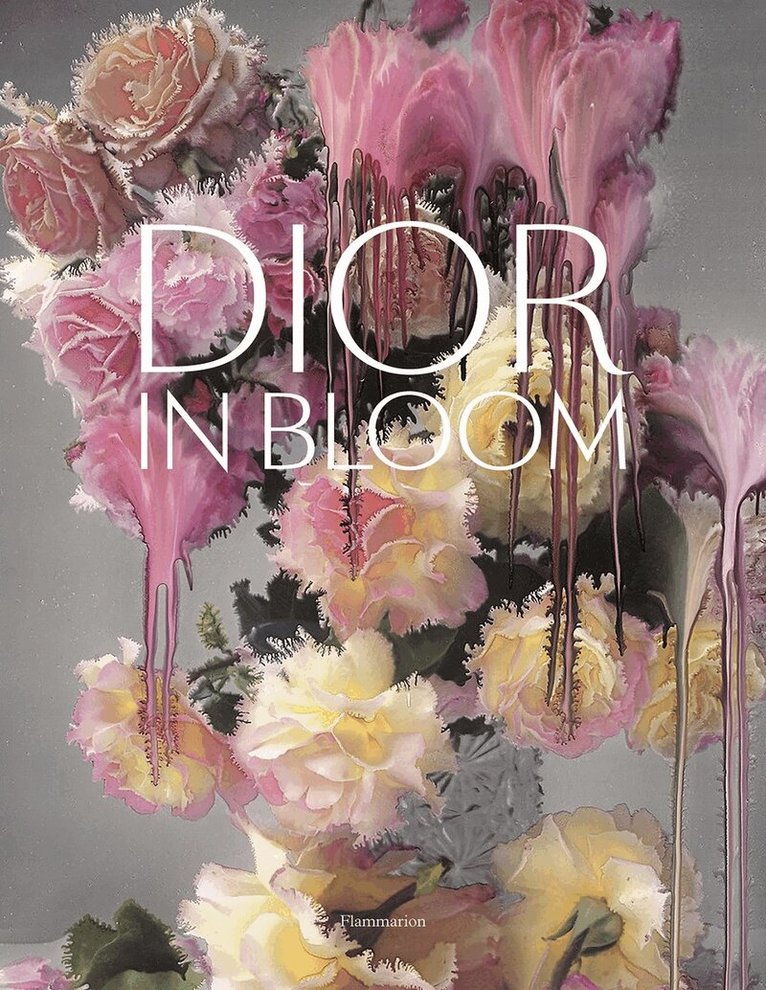
Dior in Bloom
Av Jérôme Hanover, Alain Stella m. fl.
Inbunden, 2020
855 kr
Lägg i varukorg
Celebrating Dior's floral inspirations in fashion and perfume, this unique volume features a portfolio of rose portraits by acclaimed fashion photographer Nick Knight. For Christian Dior, perfume was "a door opening into a hidden world." His first, Miss Dior, inspired by the lush gardens of his …
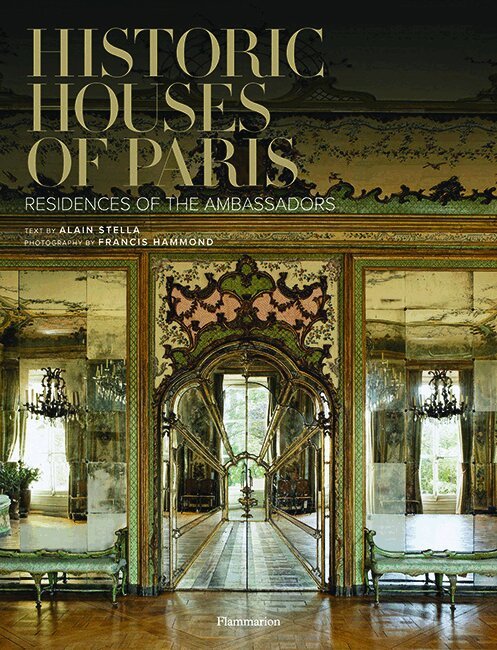
Historic Houses of Paris
Residences of the Ambassadors
Av Alain Stella
Inbunden, 2019
367 kr
Tillfälligt slut
A unique glimpse inside a world of luxury, tradition, and splendor. Many historic homes in Paris serve as residences to foreign ambassadors; these historical sites are closed to the general public. From a seventeenth-century hôtel particulier, to a Belle Epoque palace, to a distinctively …
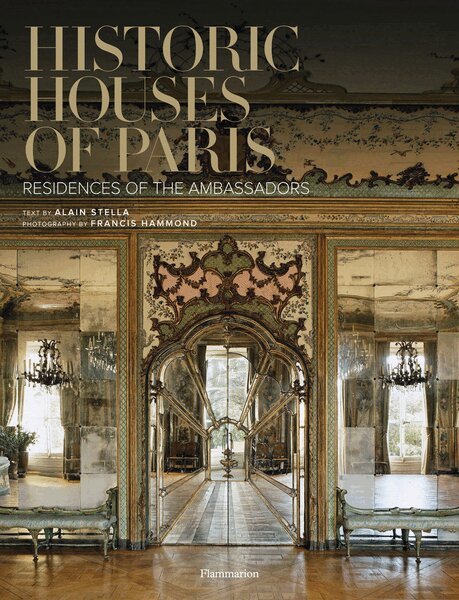
Historic Houses of Paris
Residences of the Ambassadors
Av Alain Stella
Inbunden, 2010
655 kr
Tillfälligt slut
A glimpse inside the unique worlds of rich cultural heritage, tradition, and splendour. Many historic houses in Paris serve as residences to foreign ambassadors; these majestic sites are closed to the general public. From a seventeenth-century hôtel particulier, to a Belle Epoque palace, to a …