Inbunden, Engelska, 2010
2 245 kr
Skickas inom 5-8 vardagar
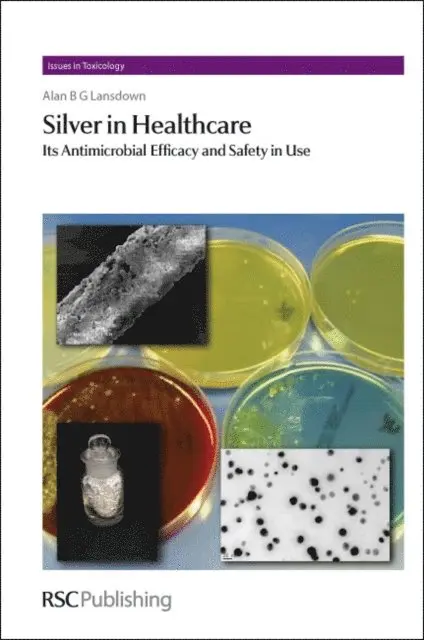
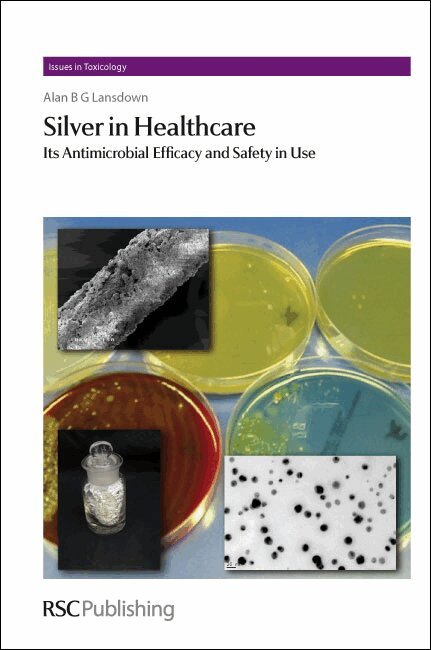
Silver in healthcare has many different facets and since the early concepts of microbiology of the 1880's, has been developed from usage in surgical clips, staples, foil wound dressings and surgical implants, to the widespread and clinically effective antiseptic wound dressings, sutures, catheters, bone and dental implants, and cardiovascular devices of today. From the dawn of human civilisation, silver has had a role of water purification and even now has a role in hospital water systems for control of MRSA and legionnaires disease. Biotechnological advances in recent years have extended the antimicrobial properties of silver into production of hygiene textiles and use in domestic products. Important advances have been made in understanding mechanisms of antimicrobial action of silver, the central importance of ionisation patterns in the presence of body fluids and secretion, and the genetical and molecular profiles of silver resistance. This publication is a comprehensive account of the history of silver in medicine, its clinical benefits and wide advantages as a broad spectrum antimicrobial agent. It is clear from the extensive array of publications in recognised and unofficial press, that many misconceptions and misleading conceptions have been perpetuated, leading to errors in evaluation of the safety of the metal in occupational, domestic and therapeutic situations. The book is unique in that it is the only comprehensive presentation of the toxicology of silver and it identifies the major misconceptions in the safety of silver and interpretation of argyria and argyrosis as central features of silver toxicity. In this book, Dr Lansdown reviews the literature from a clinical and experimental viewpoint, with the benefit of his many years research on silver and experience gained in working with clinicians, healthcare product manufacturers and microbiologists. There is also discussion in the book on the relevance of antimicrobial resistance to silver and deficiencies in present day clinical practice in not evaluating incidences of resistance on a routine basis. The subject matter is presented in a readable fashion and includes reference to use of the metal in such practices as acupuncture and treatment of tropical diseases as practised in some parts of the world, each of which is accompanied by special clinical risk. It is also a collation of current views on the use and efficacy of silver as a broad spectrum antibiotic. The chapters which deal specifically with toxicological aspects of silver in clinical, occupational and environmental issues are central to the book's value. The book is aimed at clinicians, research scientists and product manufacturers and will provide ideas for new research and academic endeavour. It is also essential reading for research students with an interest in metal toxicity and its management in mammalian tissues.