Alan E. Rubin – författare
Visar alla böcker från författaren Alan E. Rubin. Handla med fri frakt och snabb leverans.
8 produkter
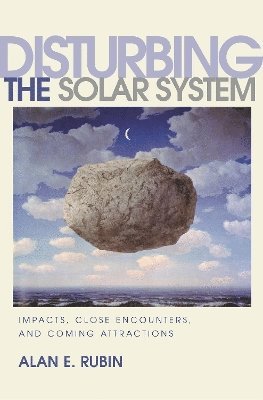
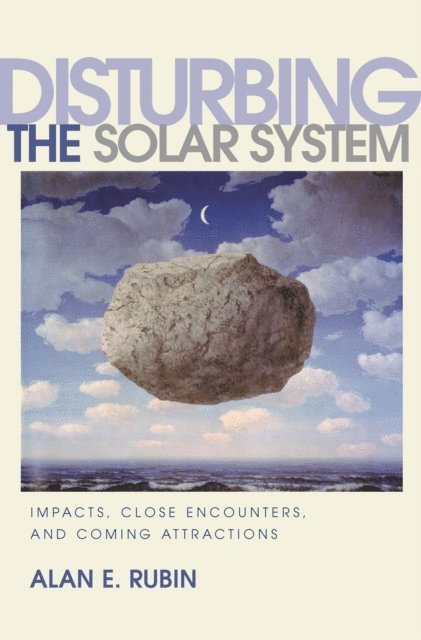
Disturbing the Solar System
Impacts, Close Encounters, and Coming Attractions
Häftad, 2004
435 kr
Lägg i varukorg
The solar system has always been a messy place in which gravity wreaks havoc. Moons form, asteroids and comets crash into planets, ice ages commence, and dinosaurs disappear. By describing the dramatic consequences of such disturbances, this authoritative and entertaining book reveals the …
Disturbing the Solar System
Impacts, Close Encounters, and Coming Attractions
E-bok, 2021
586 kr
Lägg i varukorg
The solar system has always been a messy place in which gravity wreaks havoc. Moons form, asteroids and comets crash into planets, ice ages commence, and dinosaurs disappear. By describing the dramatic consequences of such disturbances, this authoritative and entertaining book reveals the …
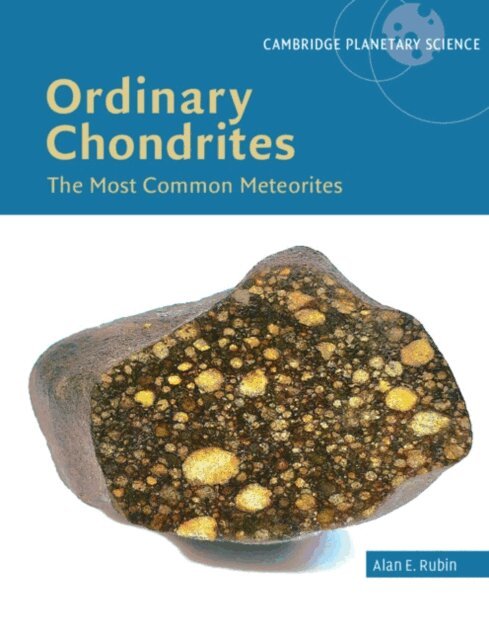
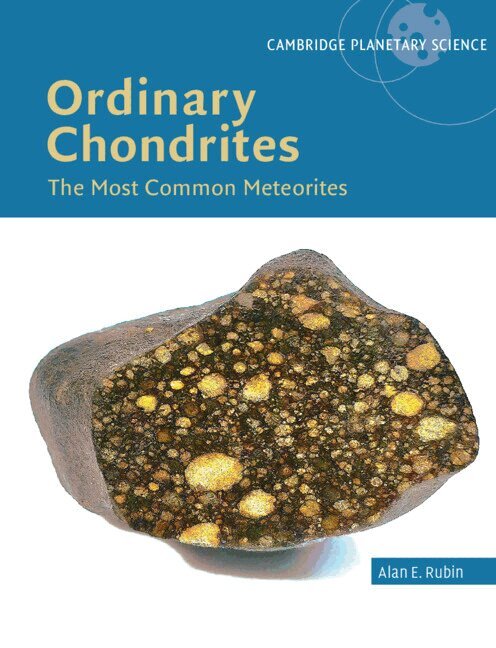
Ordinary Chondrites
The Most Common Meteorites
Inbunden, 2026
2133 kr
Lägg i varukorg
Ordinary chondrites, the most abundant meteorites, constitute about 80% of meteorite falls and are essential to our understanding of cosmochemistry. They provide important information about planetary accretion, the early Solar System, and the geological history of asteroids, including such …
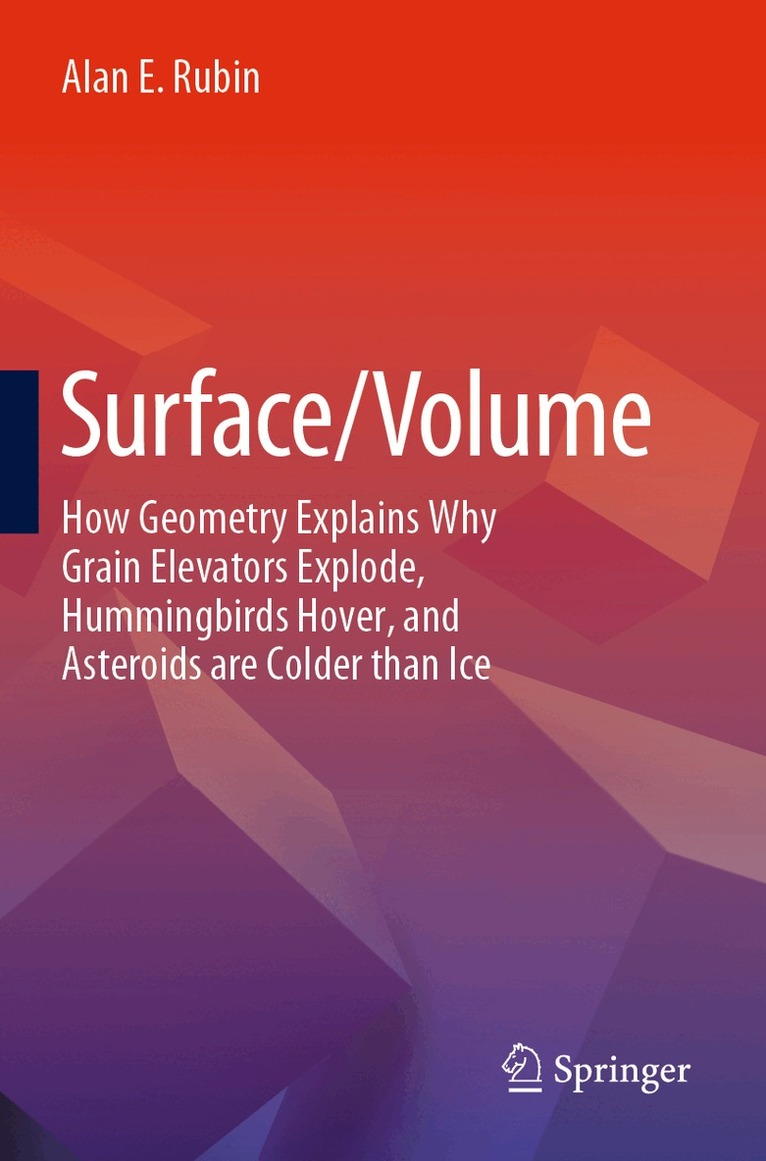
Surface/Volume
How Geometry Explains Why Grain Elevators Explode, Hummingbirds Hover, and Asteroids are Colder than Ice
Häftad, 2023
356 kr
Lägg i varukorg
This book explains that diffusion, osmosis, dissolution, evaporation, and heat loss all preferentially affect small bodies due to their high surface/volume ratios. Because surface area increases as the square of length, but volume (and mass) increase as the cube, large objects have low …
Surface/Volume
How Geometry Explains Why Grain Elevators Explode, Hummingbirds Hover, and Asteroids are Colder than Ice
E-bok, 2023
479 kr
Lägg i varukorg
This book explains that diffusion, osmosis, dissolution, evaporation, and heat loss all preferentially affect small bodies due to their high surface/volume ratios. Because surface area increases as the square of length, but volume (and mass) increase as the cube, large objects have low …