Alan Rauch - Böcker
Visar alla böcker från författaren Alan Rauch. Handla med fri frakt och snabb leverans.
4 produkter
4 produkter
1 440 kr
Skickas inom 7-10 vardagar
Nineteenth-century England witnessed an unprecedented increase in the number of publications and institutions devoted to the creation and the dissemination of knowledge: encyclopedias, scientific periodicals, instruction manuals, scientific societies, children’s literature, mechanics’ institutes, museums of natural history, and lending libraries. In Useful Knowledge Alan Rauch presents a social, cultural, and literary history of this new knowledge industry and traces its relationships within nineteenth-century literature, ending with its eventual confrontation with Charles Darwin’s Origin of Species.Rauch discusses both the influence and the ideology of knowledge in terms of how it affected nineteenth-century anxieties about moral responsibility and religious beliefs. Drawing on a wide array of literary, scientific, and popular works of the period, the book focusses on the growing importance of scientific knowledge and its impact on Victorian culture. From discussions of Jane Webb Loudon’s The Mummy! and Mary Shelley’s Frankenstein, to Charlotte BrontË’s The Professor, Charles Kingsley’s Alton Locke, and George Eliot’s Mill on the Floss, Rauch paints a fascinating picture of nineteenth-century culture and addresses issues related to the proliferation of knowledge and the moral issues of this time period. Useful Knowledge touches on social and cultural anxieties that offer both historical and contemporary insights on our ongoing preoccupation with knowledge.Useful Knowledge will appeal to readers interested in nineteenth century history, literature, culture, the mediation of knowledge, and the history of science.
419 kr
Skickas inom 7-10 vardagar
Nineteenth-century England witnessed an unprecedented increase in the number of publications and institutions devoted to the creation and the dissemination of knowledge: encyclopedias, scientific periodicals, instruction manuals, scientific societies, children’s literature, mechanics’ institutes, museums of natural history, and lending libraries. In Useful Knowledge Alan Rauch presents a social, cultural, and literary history of this new knowledge industry and traces its relationships within nineteenth-century literature, ending with its eventual confrontation with Charles Darwin’s Origin of Species.Rauch discusses both the influence and the ideology of knowledge in terms of how it affected nineteenth-century anxieties about moral responsibility and religious beliefs. Drawing on a wide array of literary, scientific, and popular works of the period, the book focusses on the growing importance of scientific knowledge and its impact on Victorian culture. From discussions of Jane Webb Loudon’s The Mummy! and Mary Shelley’s Frankenstein, to Charlotte BrontË’s The Professor, Charles Kingsley’s Alton Locke, and George Eliot’s Mill on the Floss, Rauch paints a fascinating picture of nineteenth-century culture and addresses issues related to the proliferation of knowledge and the moral issues of this time period. Useful Knowledge touches on social and cultural anxieties that offer both historical and contemporary insights on our ongoing preoccupation with knowledge.Useful Knowledge will appeal to readers interested in nineteenth century history, literature, culture, the mediation of knowledge, and the history of science.
167 kr
Skickas
Humans love dolphins, and dolphins, it seems, love us: they have been known to encircle swimmers under attack by sharks. Yet although we think we know dolphins well, in fact most people are quite ill-informed about how they evolved, how they function as organisms and how they have interacted with humans for millennia. Dolphin offers a comprehensive view of the animal, describing both its remarkable zoology and its social and cultural history.For centuries dolphins were believed to protect sailors and, by extension, became emblematic of safe travel, kindness and charity. In ancient Greece dolphins featured on coins, and it was considered a good omen for them to follow in a boat’s wake. In Hindu mythology the dolphin is associated with Ganga, the deity of the Ganges river. From the television series Flipper to the films The Day of the Dolphin and Johnny Mnemonic and books such as The Hitchhiker’s Guide to the Galaxy, in which dolphins are represented as much more intelligent than humans, dolphins have captivated humans since time immemorial.In Dolphin Alan Rauch draw on years of experience working with and studying dolphins to provide thoughtful insights into the ways in which we have interacted with and interpreted this delightful creature over the centuries.
157 kr
Skickas
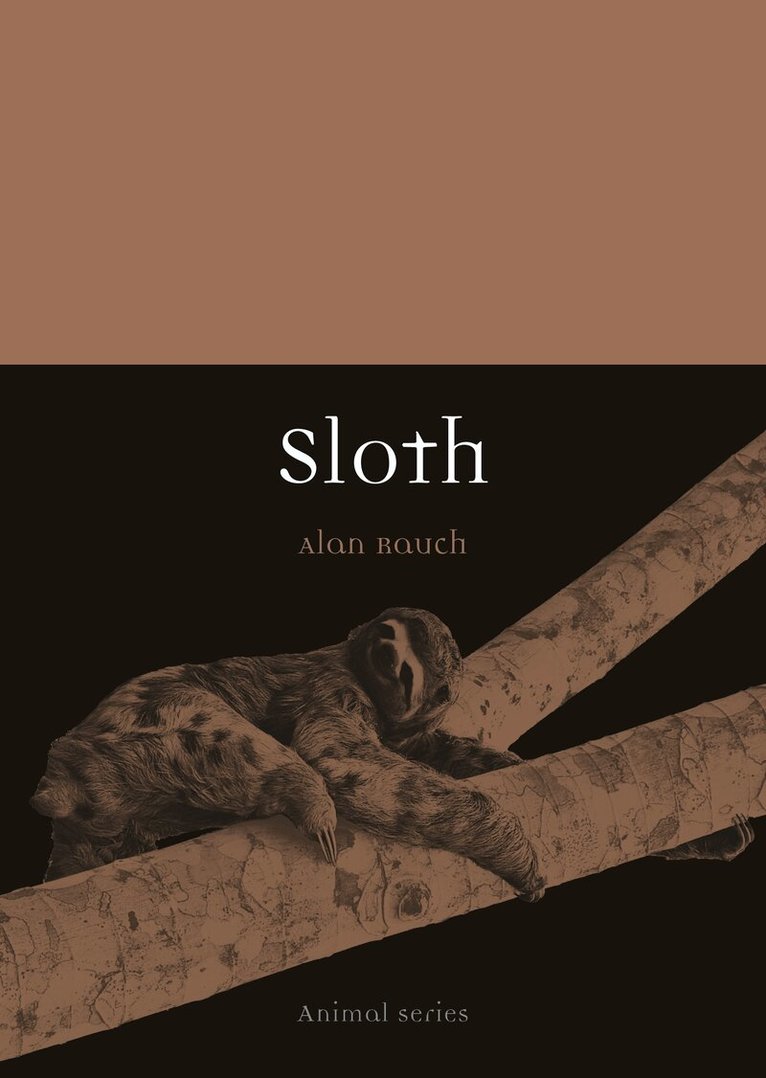
Sloths are perhaps the most recognized and loved Central and South American animals, but despite their renown and popularity as cartoon characters, toys and memes, they are not well understood. This book offers a colourful, richly illustrated and wide-ranging account of the biological and cultural history of these fascinating mammals.Alan Rauch explores sloths’ gigantic prehistoric ancestors and their evolution into the lethargic, green-hued creatures that live and survive in forest canopies today. From the tale of how sloths were named after a deadly sin to their current status as unflappable icons of a stress-free lifestyle, Sloth shows how fascinating, engaging and inspiring these animals are.