Albert Berg – författare
Visar alla böcker från författaren Albert Berg. Handla med fri frakt och snabb leverans.
12 produkter
12 produkter
Inbunden, Engelska, 2004
1 668 kr
Skickas inom 10-15 vardagar
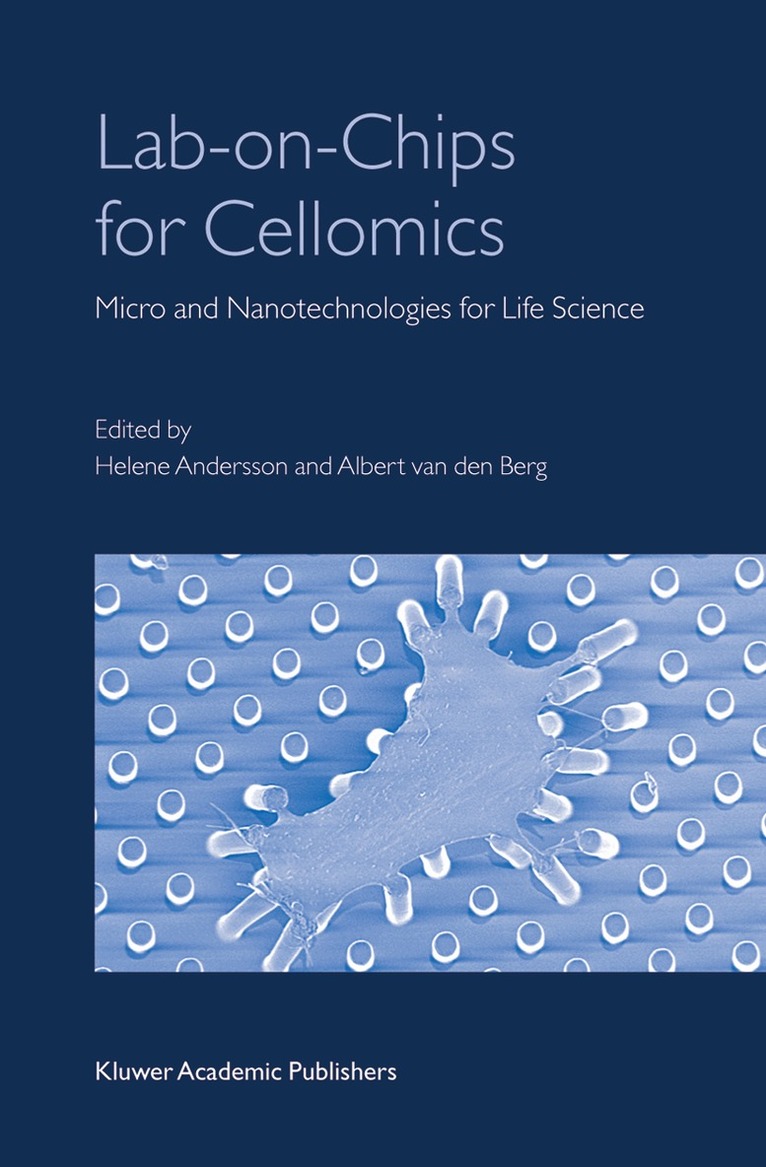
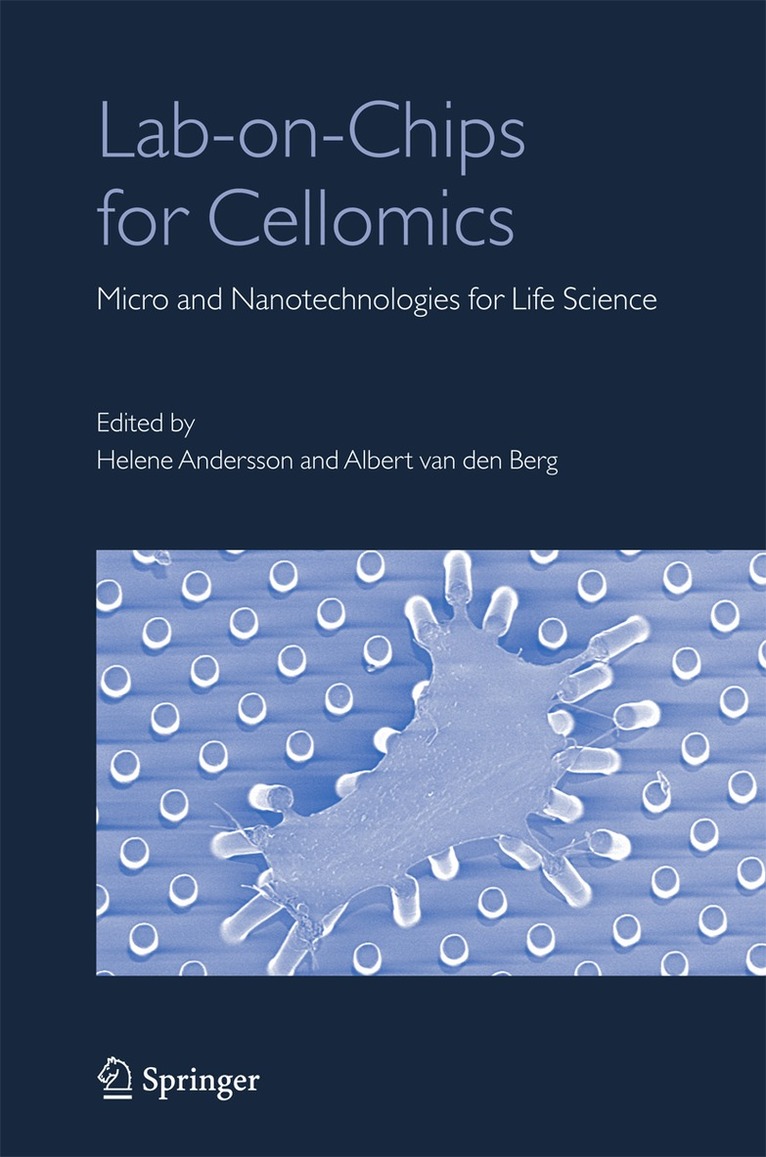
Dear reader, In the past few years we have observed an interesting mutual interest of two fields of research and development in each other. Life sciences area researchers discovered the opportunities offered my micro- and nanotechnology, while people from the microfluidics and BIOMEMS area discovered the application potential of these technologies in cell biology. Unfortunately, these two research communities share little in common: they read and publish in different scientific journals, have incompatible jargons, attend separate conferences, and have a different scientific approach and culture. This is most strikingly illustrated when you give a MEMS researcher some cells to experiment with, or hand over a couple of chips to a cell biologist. Or imagine explaining a microengineer different intracellular apoptotic pathway or a cell biologist about tensile stress in underetched LPCVD membranes. And yet, there is an enormous potential of combining the expertises available in these two fields. It is our goal to illustrate this potential with this book focusing on microfluidics technologies for “cellomics”, research on or with cells. In our view, the field is still too immature to compile a textbook for students, and this volume is rather meant to be a collection of first class papers of leaders in this emerging field. This volume will enable researchers from both communities to get a rapid “state of the art” overview, and also to get an impression what kind of possibilities this area offers. Micro- and nanotechnologists will get inspiration about applications, life science researchers about technological capabilities.
E-bok
PDF, Engelska, 20072 036 kr
Läs direkt efter köp
Dear reader, In the past few years we have observed an interesting mutual interest of two fields of research and development in each other. Life sciences area researchers discovered the opportunities offered my micro- and nanotechnology, while people from the microfluidics and BIOMEMS area discovered the application potential of these technologies in cell biology. Unfortunately, these two research communities share little in common: they read and publish in different scientific journals, have incompatible jargons, attend separate conferences, and have a different scientific approach and culture. This is most strikingly illustrated when you give a MEMS researcher some cells to experiment with, or hand over a couple of chips to a cell biologist. Or imagine explaining a microengineer different intracellular apoptotic pathway or a cell biologist about tensile stress in underetched LPCVD membranes. And yet, there is an enormous potential of combining the expertises available in these two fields. It is our goal to illustrate this potential with this book focusing on microfluidics technologies for “cellomics”, research on or with cells. In our view, the field is still too immature to compile a textbook for students, and this volume is rather meant to be a collection of first class papers of leaders in this emerging field. This volume will enable researchers from both communities to get a rapid “state of the art” overview, and also to get an impression what kind of possibilities this area offers. Micro- and nanotechnologists will get inspiration about applications, life science researchers about technological capabilities.
Häftad, Engelska, 2007
1 668 kr
Skickas inom 10-15 vardagar
Dear reader, In the past few years we have observed an interesting mutual interest of two fields of research and development in each other. Life sciences area researchers discovered the opportunities offered my micro- and nanotechnology, while people from the microfluidics and BIOMEMS area discovered the application potential of these technologies in cell biology. Unfortunately, these two research communities share little in common: they read and publish in different scientific journals, have incompatible jargons, attend separate conferences, and have a different scientific approach and culture. This is most strikingly illustrated when you give a MEMS researcher some cells to experiment with, or hand over a couple of chips to a cell biologist. Or imagine explaining a microengineer different intracellular apoptotic pathway or a cell biologist about tensile stress in underetched LPCVD membranes. And yet, there is an enormous potential of combining the expertises available in these two fields. It is our goal to illustrate this potential with this book focusing on microfluidics technologies for “cellomics”, research on or with cells. In our view, the field is still too immature to compile a textbook for students, and this volume is rather meant to be a collection of first class papers of leaders in this emerging field. This volume will enable researchers from both communities to get a rapid “state of the art” overview, and also to get an impression what kind of possibilities this area offers. Micro- and nanotechnologists will get inspiration about applications, life science researchers about technological capabilities.

E-bok
Engelska55 kr
Läs direkt efter köp
773 kr
Skickas inom 5-8 vardagar
1 039 kr
Skickas inom 5-8 vardagar
Häftad, Tyska, 2016
412 kr
Skickas inom 5-8 vardagar
E-bok
Tyska, 2022100 kr
Läs direkt efter köp
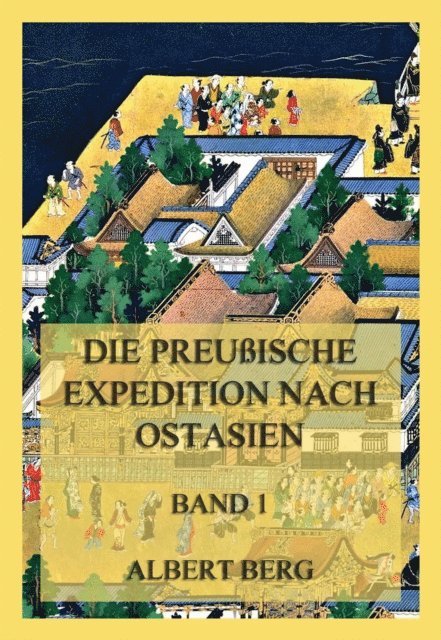
Die preußische Ostasien-Expedition, auch als "Eulenburg-Expedition" bekannt, war eine diplomatische Mission, die Friedrich Albrecht zu Eulenburg im Auftrag Preußens und des Deutschen Zollvereins in den Jahren 1859-1862 durchführte. Ihr Ziel war es, diplomatische und wirtschaftliche Beziehungen zu China, Japan und dem damaligen Siam aufzubauen. Die wichtigsten Teilnehmer der Expedition waren Friedrich Albrecht zu Eulenburg, Lucius von Ballhausen (Arzt), Max von Brandt (Attaché), Wilhelm Heine (Maler), Albert Berg (Künstler), Karl Eduard Heusner, Fritz von Hollmann, Werner von Reinhold, Ferdinand von Richthofen und Gustav Spiess. Der Expedition standen drei Kriegsschiffe des preußischen Ostasiengeschwaders zur Verfügung, die SMS Arcona, die SMS Thetis und die SMS Frauenlob. Dies ist Band eins von vier der Aufzeichnungen zu dieser Expedition. Der Text folgt den Originalausgaben, die zwischen 1864 und 1873 erschienen, wurde aber in wichtigen Wörtern und Begriffen der heute aktuellen Rechtschreibung angepasst.
E-bok
Tyska, 202297 kr
Läs direkt efter köp
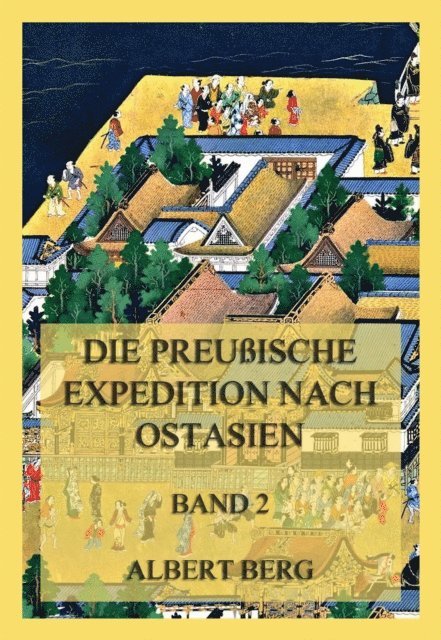
Die preußische Ostasien-Expedition, auch als "Eulenburg-Expedition" bekannt, war eine diplomatische Mission, die Friedrich Albrecht zu Eulenburg im Auftrag Preußens und des Deutschen Zollvereins in den Jahren 1859-1862 durchführte. Ihr Ziel war es, diplomatische und wirtschaftliche Beziehungen zu China, Japan und dem damaligen Siam aufzubauen. Die wichtigsten Teilnehmer der Expedition waren Friedrich Albrecht zu Eulenburg, Lucius von Ballhausen (Arzt), Max von Brandt (Attaché), Wilhelm Heine (Maler), Albert Berg (Künstler), Karl Eduard Heusner, Fritz von Hollmann, Werner von Reinhold, Ferdinand von Richthofen und Gustav Spiess. Der Expedition standen drei Kriegsschiffe des preußischen Ostasiengeschwaders zur Verfügung, die SMS Arcona, die SMS Thetis und die SMS Frauenlob. Dies ist Band zwei von vier der Aufzeichnungen zu dieser Expedition. Der Text folgt den Originalausgaben, die zwischen 1864 und 1873 erschienen, wurde aber in wichtigen Wörtern und Begriffen der heute aktuellen Rechtschreibung angepasst.
E-bok
Tyska, 2022100 kr
Läs direkt efter köp
Die preußische Ostasien-Expedition, auch als "Eulenburg-Expedition" bekannt, war eine diplomatische Mission, die Friedrich Albrecht zu Eulenburg im Auftrag Preußens und des Deutschen Zollvereins in den Jahren 1859-1862 durchführte. Ihr Ziel war es, diplomatische und wirtschaftliche Beziehungen zu China, Japan und dem damaligen Siam aufzubauen. Die wichtigsten Teilnehmer der Expedition waren Friedrich Albrecht zu Eulenburg, Lucius von Ballhausen (Arzt), Max von Brandt (Attaché), Wilhelm Heine (Maler), Albert Berg (Künstler), Karl Eduard Heusner, Fritz von Hollmann, Werner von Reinhold, Ferdinand von Richthofen und Gustav Spiess. Der Expedition standen drei Kriegsschiffe des preußischen Ostasiengeschwaders zur Verfügung, die SMS Arcona, die SMS Thetis und die SMS Frauenlob. Dies ist Band drei von vier der Aufzeichnungen zu dieser Expedition. Der Text folgt den Originalausgaben, die zwischen 1864 und 1873 erschienen, wurde aber in wichtigen Wörtern und Begriffen der heute aktuellen Rechtschreibung angepasst.
Häftad, Engelska, 2020
260 kr
Skickas inom 5-8 vardagar