Albert G. Way – författare
Visar alla böcker från författaren Albert G. Way. Handla med fri frakt och snabb leverans.
6 produkter
6 produkter
Inbunden, Engelska, 2011
1 183 kr
Skickas inom 5-8 vardagar
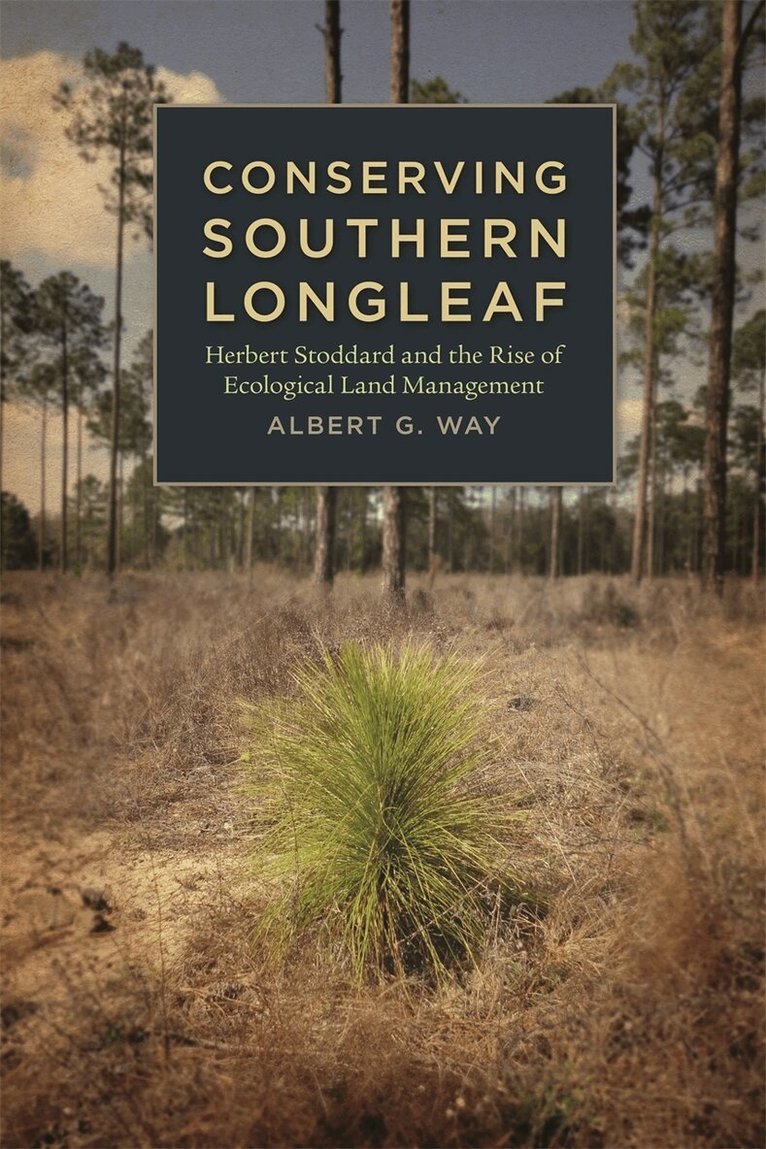
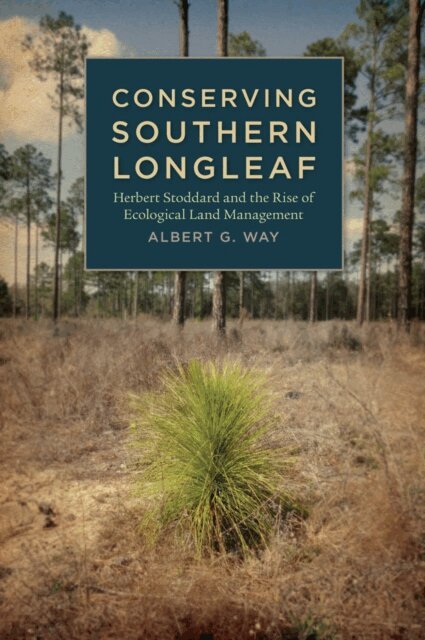
The Red Hills region of south Georgia and north Florida contains one of the most biologically diverse ecosystems in North America, with longleaf pine trees that are up to four hundred years old and an understory of unparalleled plant life. At first glance, the longleaf woodlands at plantations like Greenwood, outside Thomasville, Georgia, seem undisturbed by market economics and human activity, but Albert G. Way contends that this environment was socially produced and that its story adds nuance to the broader narrative of American conservation.The Red Hills woodlands were thought of primarily as a healthful refuge for northern industrialists in the early twentieth century. When notable wildlife biologist Herbert Stoddard arrived in 1924, he began to recognize the area’s ecological value. Stoddard was with the federal government, but he drew on local knowledge to craft his land management practices, to the point where a distinctly southern, agrarian form of ecological conservation emerged. This set of practices was in many respects progressive, particularly in its approach to fire management and species diversity, and much of it remains in effect today.Using Stoddard as a window into this unique conservation landscape, Conserving Southern Longleaf positions the Red Hills as a valuable center for research into and understanding of wildlife biology, fire ecology, and the environmental appreciation of a region once dubbed simply the “pine barrens.”
Häftad, Engelska, 2011
480 kr
Skickas inom 5-8 vardagar
The Red Hills region of south Georgia and north Florida contains one of the most biologically diverse ecosystems in North America, with longleaf pine trees that are up to four hundred years old and an understory of unparalleled plant life. At first glance, the longleaf woodlands at plantations like Greenwood, outside Thomasville, Georgia, seem undisturbed by market economics and human activity, but Albert G. Way contends that this environment was socially produced and that its story adds nuance to the broader narrative of American conservation.The Red Hills woodlands were thought of primarily as a healthful refuge for northern industrialists in the early twentieth century. When notable wildlife biologist Herbert Stoddard arrived in 1924, he began to recognize the area’s ecological value. Stoddard was with the federal government, but he drew on local knowledge to craft his land management practices, to the point where a distinctly southern, agrarian form of ecological conservation emerged. This set of practices was in many respects progressive, particularly in its approach to fire management and species diversity, and much of it remains in effect today.Using Stoddard as a window into this unique conservation landscape, Conserving Southern Longleaf positions the Red Hills as a valuable center for research into and understanding of wildlife biology, fire ecology, and the environmental appreciation of a region once dubbed simply the “pine barrens.”
E-bok
Engelska, 2011366 kr
Läs direkt efter köp
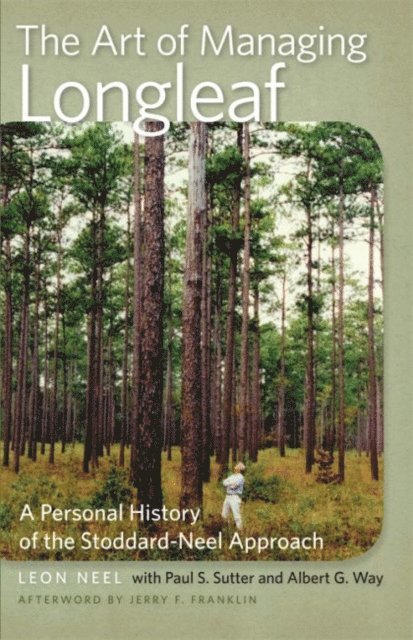
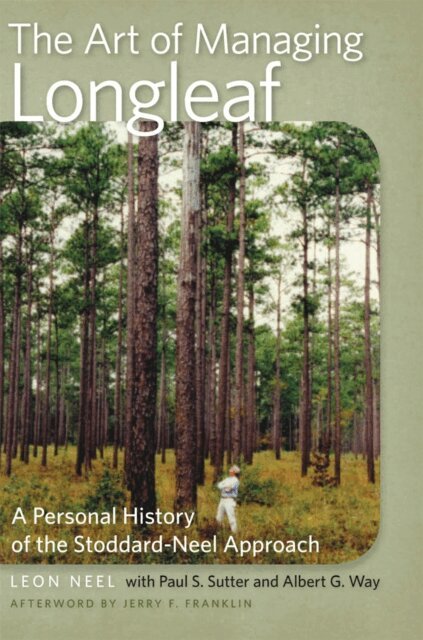
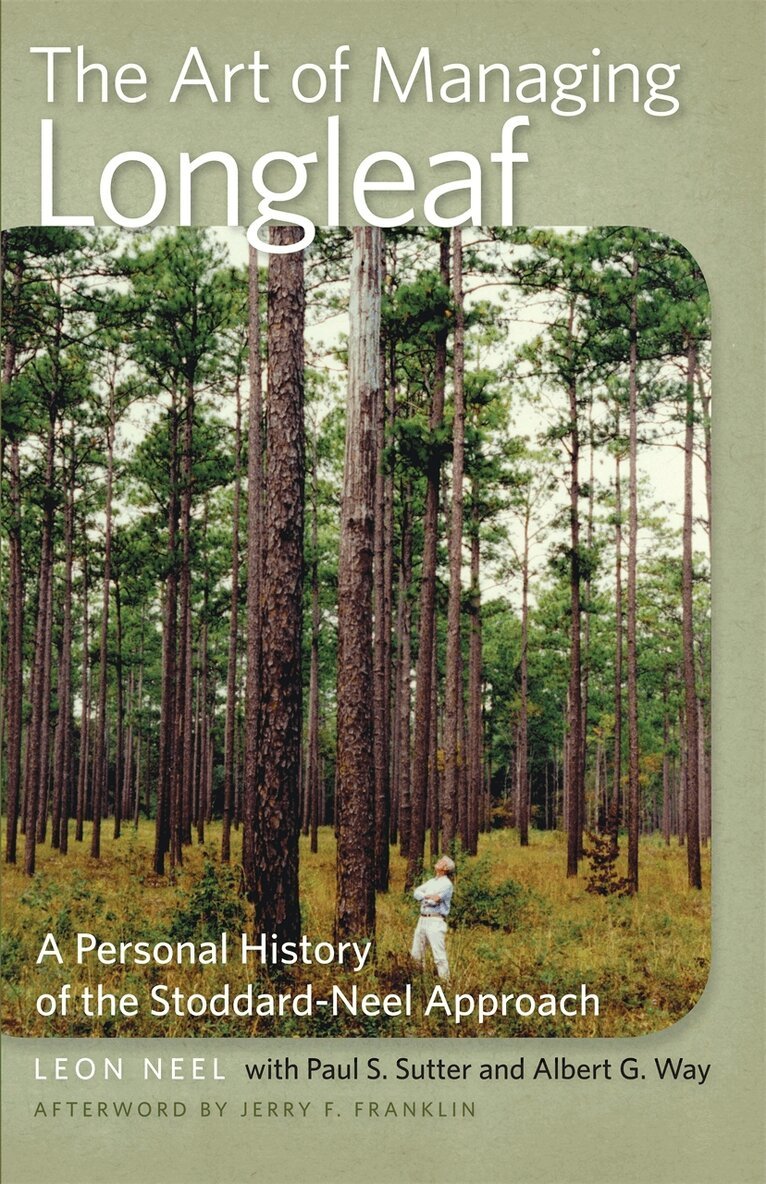
Greenwood Plantation in the Red Hills region of southwest Georgia includes a rare one-thousand-acre stand of old-growth longleaf pine woodlands, a remnant of an ecosystem that once covered close to ninety million acres across the Southeast. The Art of Managing Longleaf documents the sometimes controversial management system that not only has protected Greenwood’s “Big Woods” but also has been practised on a substantial acreage of the remnant longleaf pine woodlands in the Red Hills and other parts of the Coastal Plain. Often described as an art informed by science, the Stoddard-Neel Approach combines frequent prescribed burning, highly selective logging, a commitment to a particular woodland aesthetic, intimate knowledge of the ecosystem and its processes, and other strategies to manage the longleaf pine ecosystem in a sustainable way. The namesakes of this method are Herbert Stoddard (who developed it) and his colleague and successor, Leon Neel (who has refined it). In addition to presenting a detailed, illustrated outline of the Stoddard-Neel Approach, the book—based on an extensive oral history project undertaken by Paul S. Sutter and Albert G. Way, with Neel as its major subject—discusses Neel’s deep familial and cultural roots in the Red Hills; his years of work with Stoddard; and the formation and early years of the Tall Timbers Research Station, which Stoddard and Neel helped found in the pinelands near Tallahassee, Florida, in 1958. In their introduction, environmental historians Sutter and Way provide an overview of the longleaf ecosystem’s natural and human history, and in his afterword, forest ecologist Jerry F. Franklin affirms the value of the Stoddard-Neel Approach.
E-bok
Engelska, 2011529 kr
Läs direkt efter köp
The Red Hills region of south Georgia and north Florida contains one of the most biologically diverse ecosystems in North America, with longleaf pine trees that are up to four hundred years old and an understory of unparalleled plant life. At first glance, the longleaf woodlands at plantations like Greenwood, outside Thomasville, Georgia, seem undisturbed by market economics and human activity, but Albert G. Way contends that this environment was socially produced and that its story adds nuance to the broader narrative of American conservation.The Red Hills woodlands were thought of primarily as a healthful refuge for northern industrialists in the early twentieth century. When notable wildlife biologist Herbert Stoddard arrived in 1924, he began to recognize the area''s ecological value. Stoddard was with the federal government, but he drew on local knowledge to craft his land management practices, to the point where a distinctly southern, agrarian form of ecological conservation emerged. This set of practices was in many respects progressive, particularly in its approach to fire management and species diversity, and much of it remains in effect today.Using Stoddard as a window into this unique conservation landscape, Conserving Southern Longleaf positions the Red Hills as a valuable center for research into and understanding of wildlife biology, fire ecology, and the environmental appreciation of a region once dubbed simply the pine barrens.
E-bok
PDF, Engelska, 2011429 kr
Läs direkt efter köp
Greenwood Plantation in the Red Hills region of southwest Georgia includes a rare one-thousand-acre stand of old-growth longleaf pine woodlands, a remnant of an ecosystem that once covered close to ninety million acres across the Southeast. The Art of Managing Longleaf documents the sometimes controversial management system that not only has protected Greenwood's "e;Big Woods"e; but also has been practiced on a substantial acreage of the remnant longleaf pine woodlands in the Red Hills and other parts of the Coastal Plain. Often described as an art informed by science, the Stoddard-Neel Approach combines frequent prescribed burning, highly selective logging, a commitment to a particular woodland aesthetic, intimate knowledge of the ecosystem and its processes, and other strategies to manage the longleaf pine ecosystem in a sustainable way.The namesakes of this method are Herbert Stoddard (who developed it) and his colleague and successor, Leon Neel (who has refined it). In addition to presenting a detailed, illustrated outline of the Stoddard-Neel Approach, the book-based on an extensive oral history project undertaken by Paul S. Sutter and Albert G. Way, with Neel as its major subject-discusses Neel's deep familial and cultural roots in the Red Hills; his years of work with Stoddard; and the formation and early years of the Tall Timbers Research Station, which Stoddard and Neel helped found in the pinelands near Tallahassee, Florida, in 1958. In their introduction, environmental historians Sutter and Way provide an overview of the longleaf ecosystem's natural and human history, and in his afterword, forest ecologist Jerry F. Franklin affirms the value of the Stoddard-Neel Approach.
E-bok
PDF, Engelska, 2011529 kr
Läs direkt efter köp
The Red Hills region of south Georgia and north Florida contains one of the most biologically diverse ecosystems in North America, with longleaf pine trees that are up to four hundred years old and an understory of unparalleled plant life. At first glance, the longleaf woodlands at plantations like Greenwood, outside Thomasville, Georgia, seem undisturbed by market economics and human activity, but Albert G. Way contends that this environment was socially produced and that its story adds nuance to the broader narrative of American conservation.The Red Hills woodlands were thought of primarily as a healthful refuge for northern industrialists in the early twentieth century. When notable wildlife biologist Herbert Stoddard arrived in 1924, he began to recognize the area's ecological value. Stoddard was with the federal government, but he drew on local knowledge to craft his land management practices, to the point where a distinctly southern, agrarian form of ecological conservation emerged. This set of practices was in many respects progressive, particularly in its approach to fire management and species diversity, and much of it remains in effect today.Using Stoddard as a window into this unique conservation landscape, Conserving Southern Longleaf positions the Red Hills as a valuable center for research into and understanding of wildlife biology, fire ecology, and the environmental appreciation of a region once dubbed simply the "e;pine barrens."e;