Albert Grandolini – författare
Visar alla böcker från författaren Albert Grandolini. Handla med fri frakt och snabb leverans.
19 produkter
19 produkter
Häftad, Engelska, 2026
211 kr
Kommande
Del 36 - Asia@War
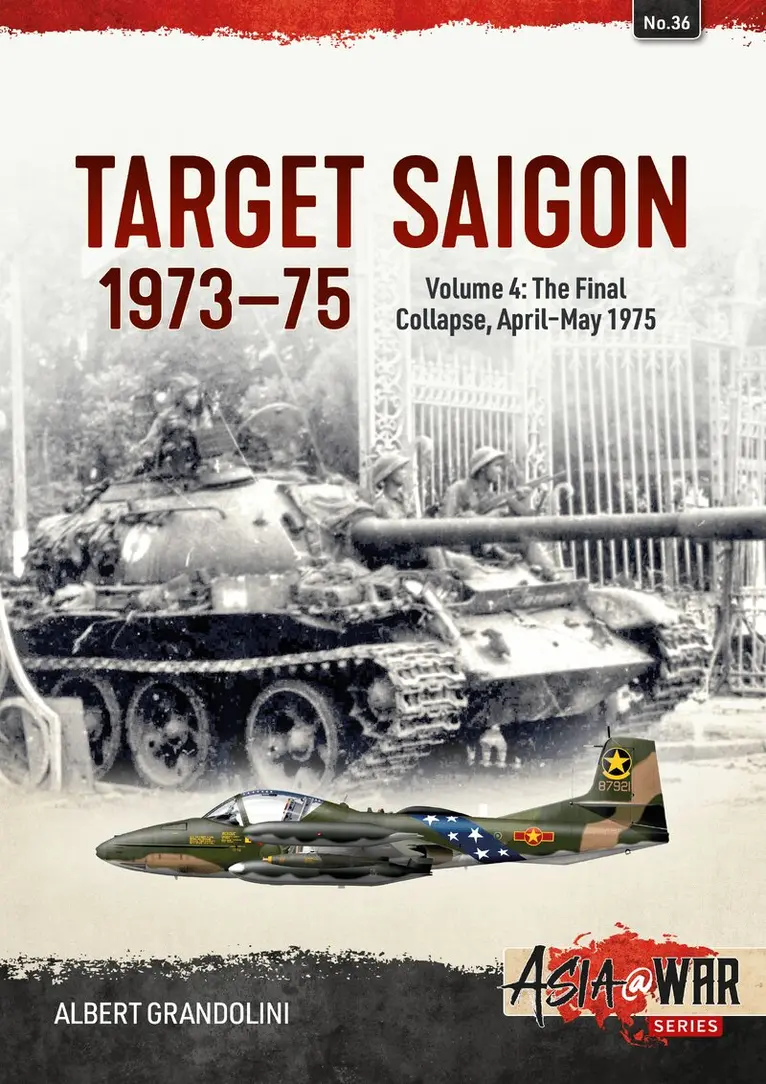
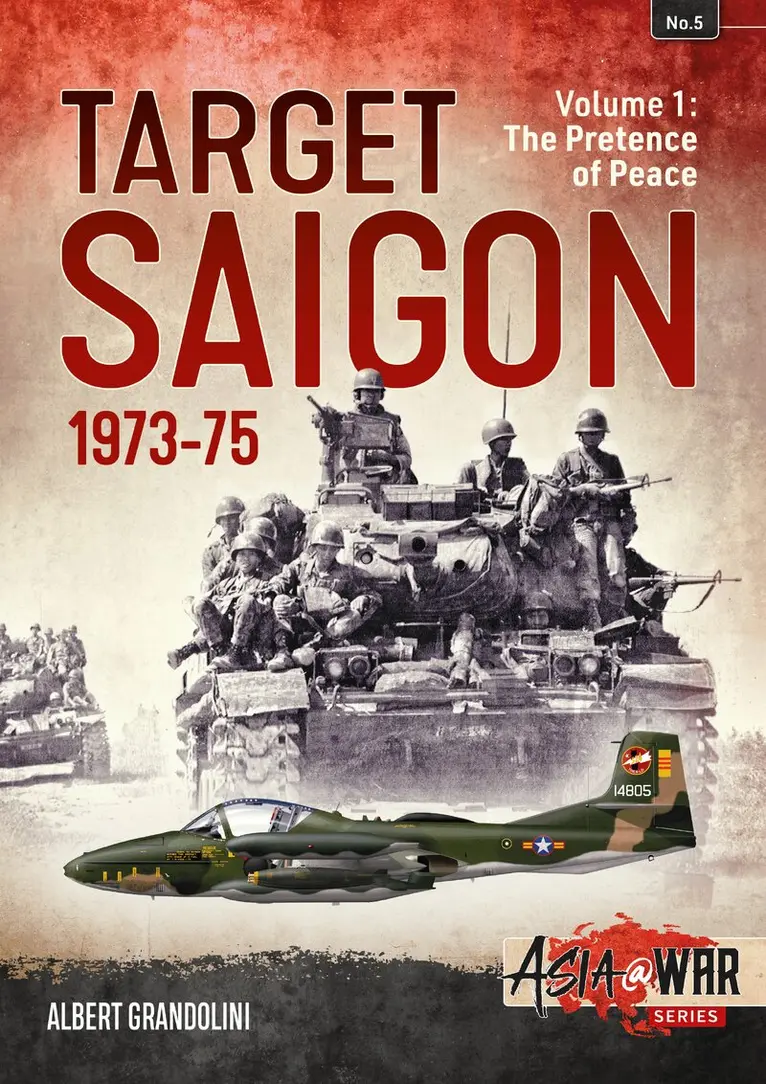
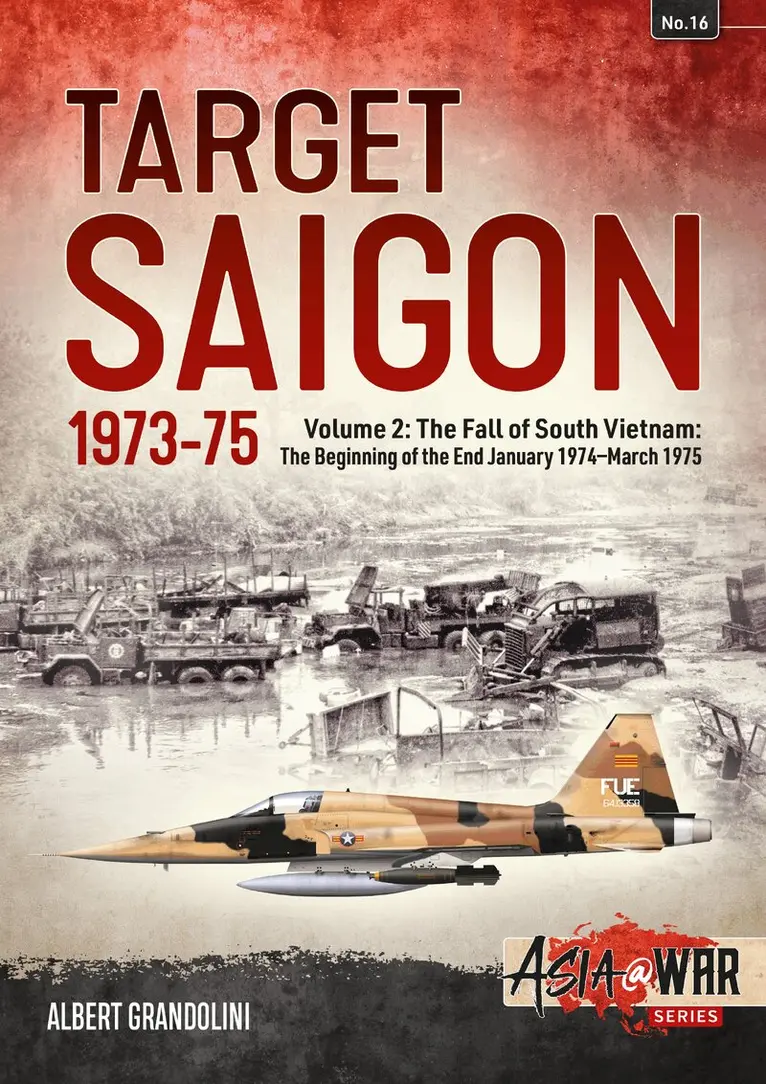
Target Saigon 1973-75
Volume 4 - The Final Collapse, April-May 1975
Häftad, Engelska, 2022
211 kr
Skickas
Del 57 - Asia@War
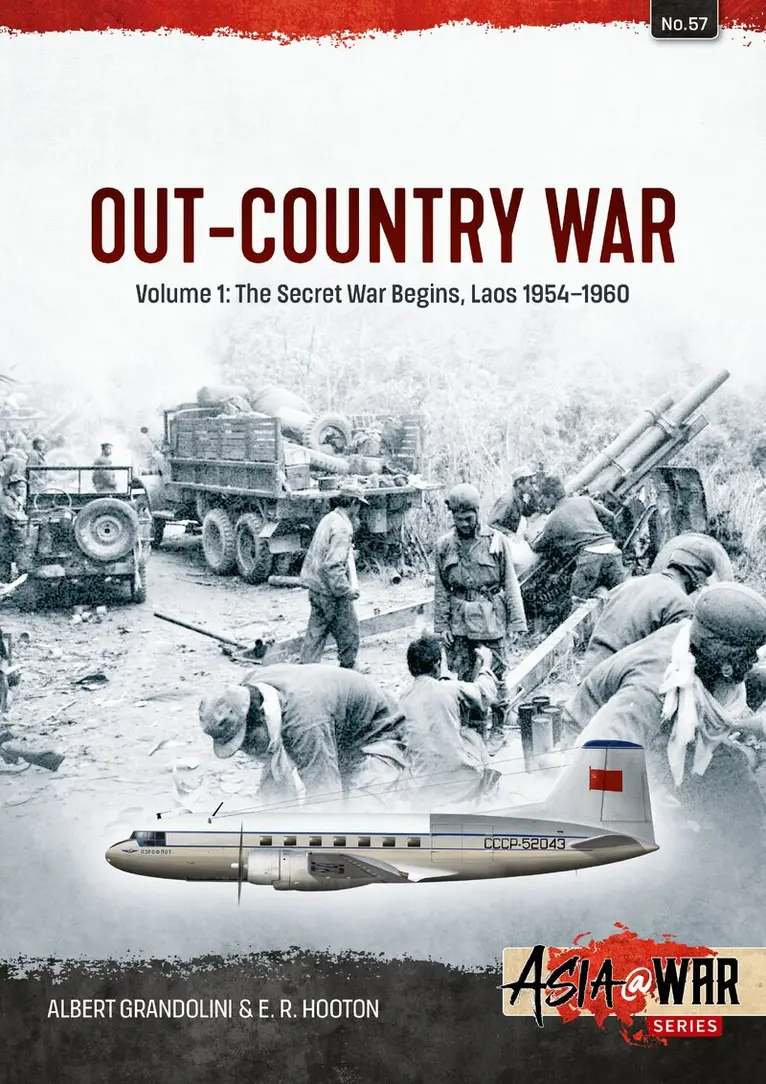
Out-Country War Volume 1
The Secret War Begins, Laos 1954-1960
Häftad, Engelska, 2025
211 kr
Skickas
Häftad, Engelska, 2026
218 kr
Skickas
Häftad, Engelska, 2015
218 kr
Skickas
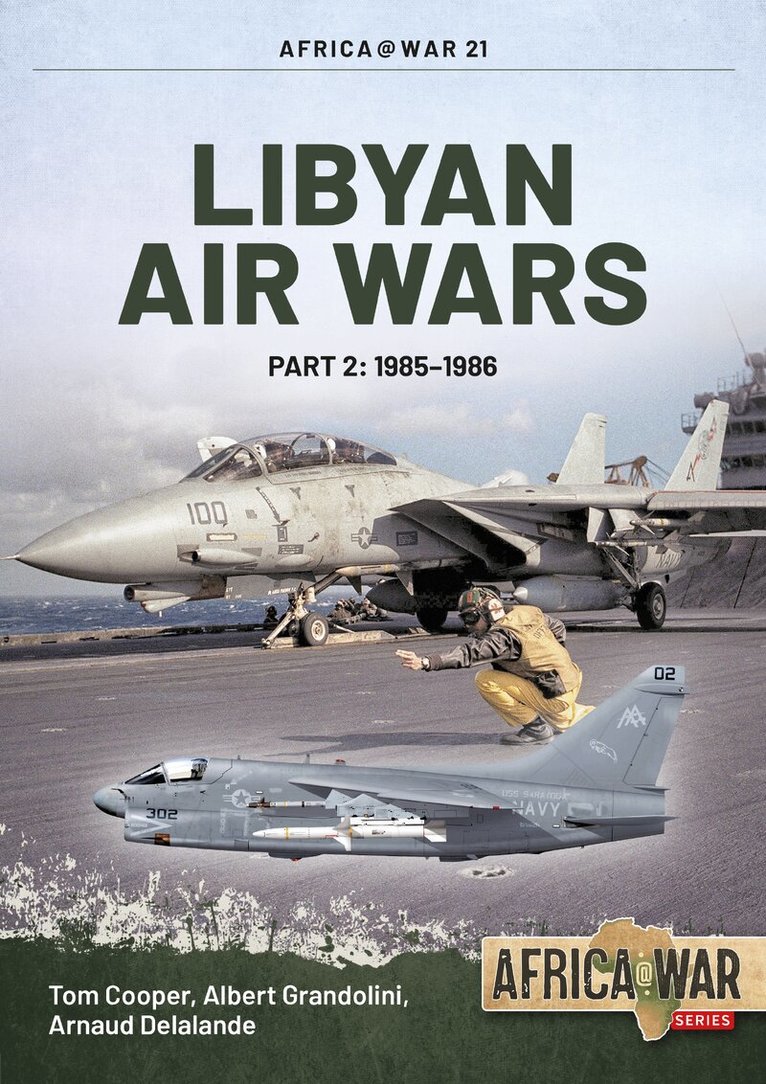
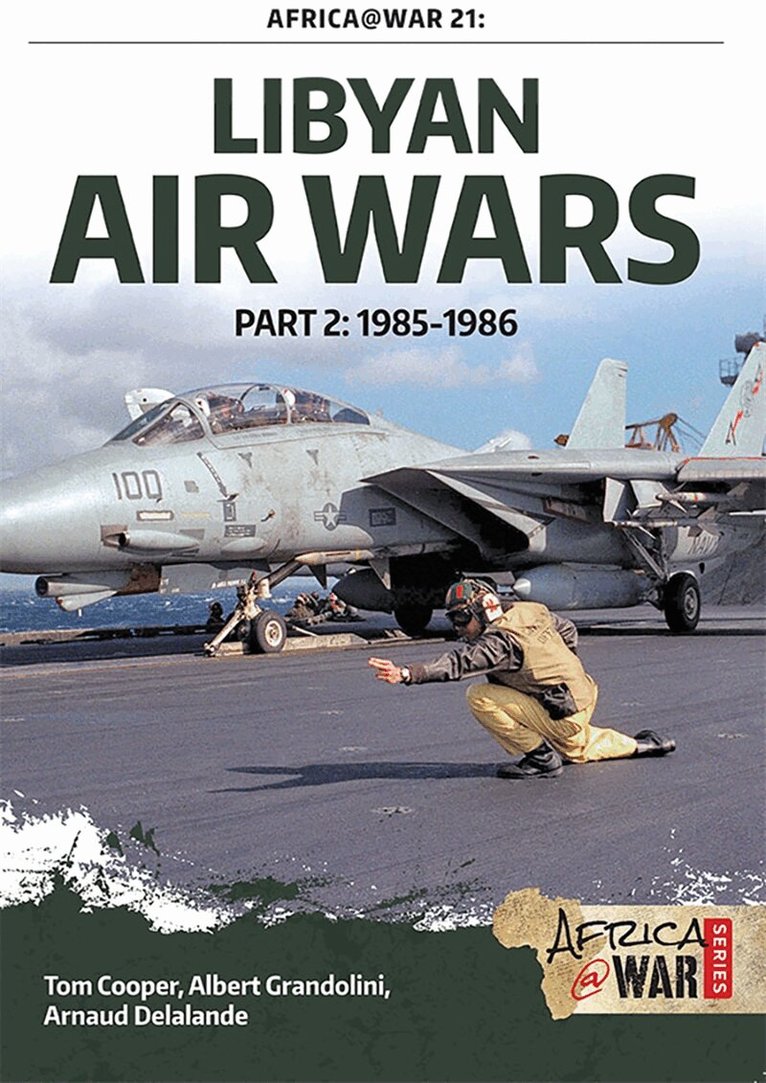
Del 21 - Africa@War
Libyan Air Wars
Part 2: 1985–1986
Häftad, Engelska, 2016
218 kr
Skickas
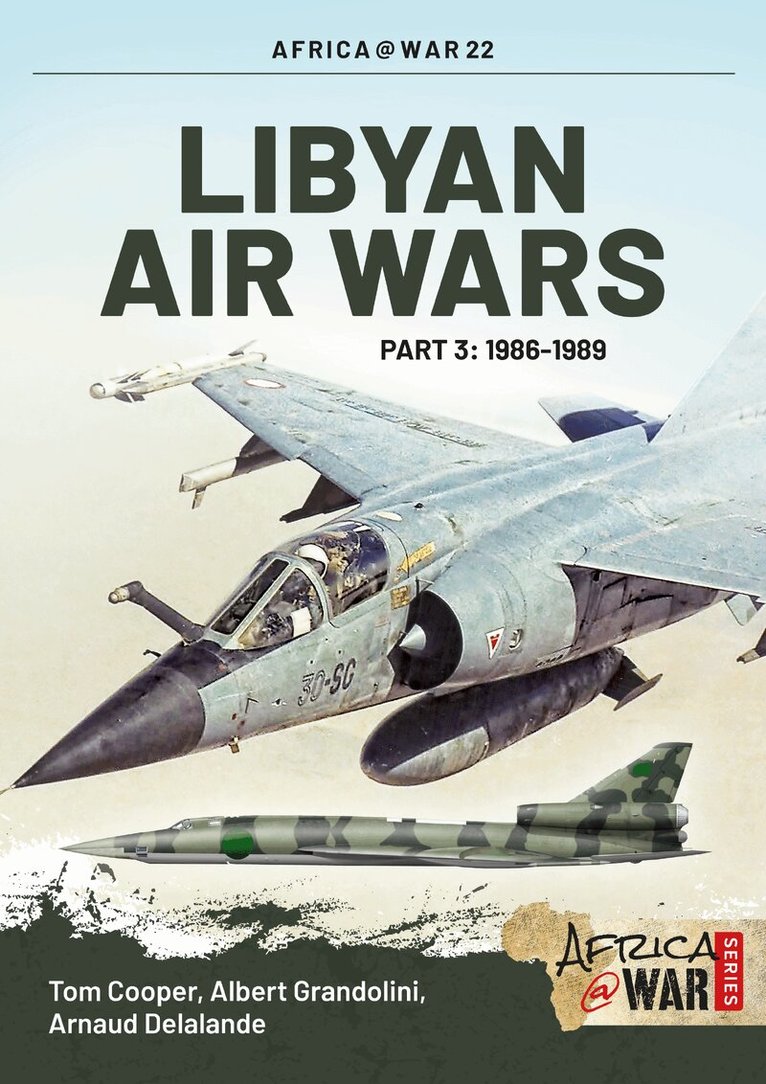
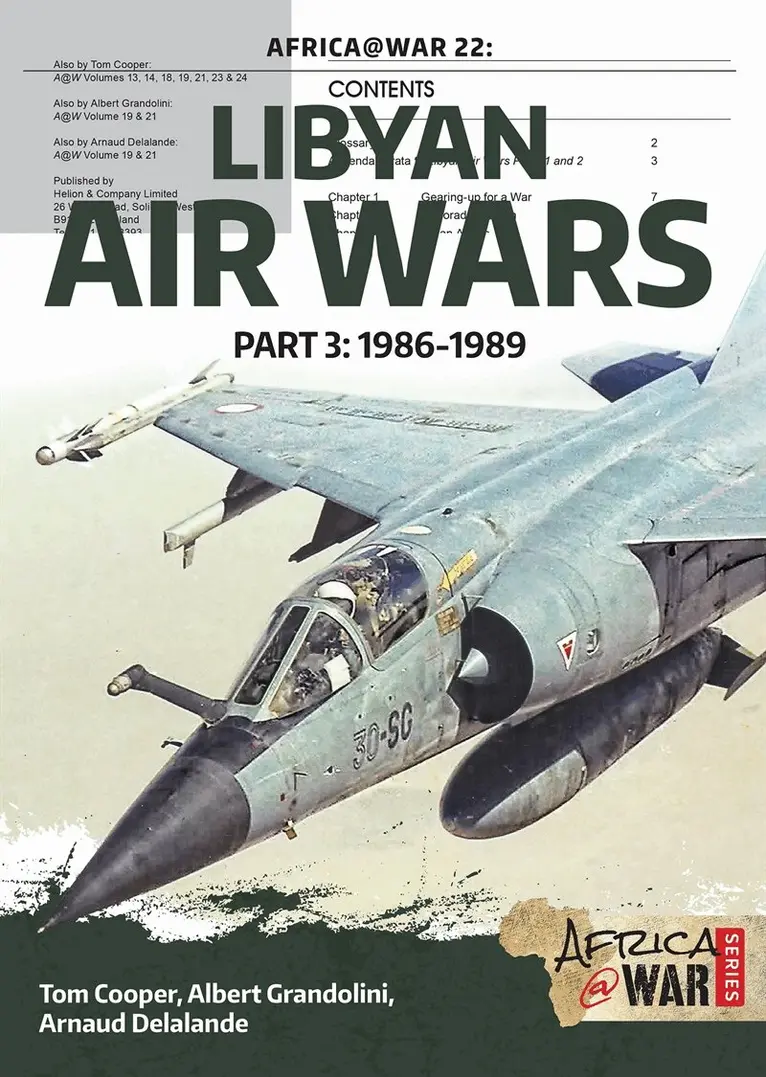
Del 22 - Africa@War
Libyan Air Wars
Part 3: 1986–1989
Häftad, Engelska, 2016
211 kr
Skickas
E-bok
Engelska, 2021123 kr
Läs direkt efter köp
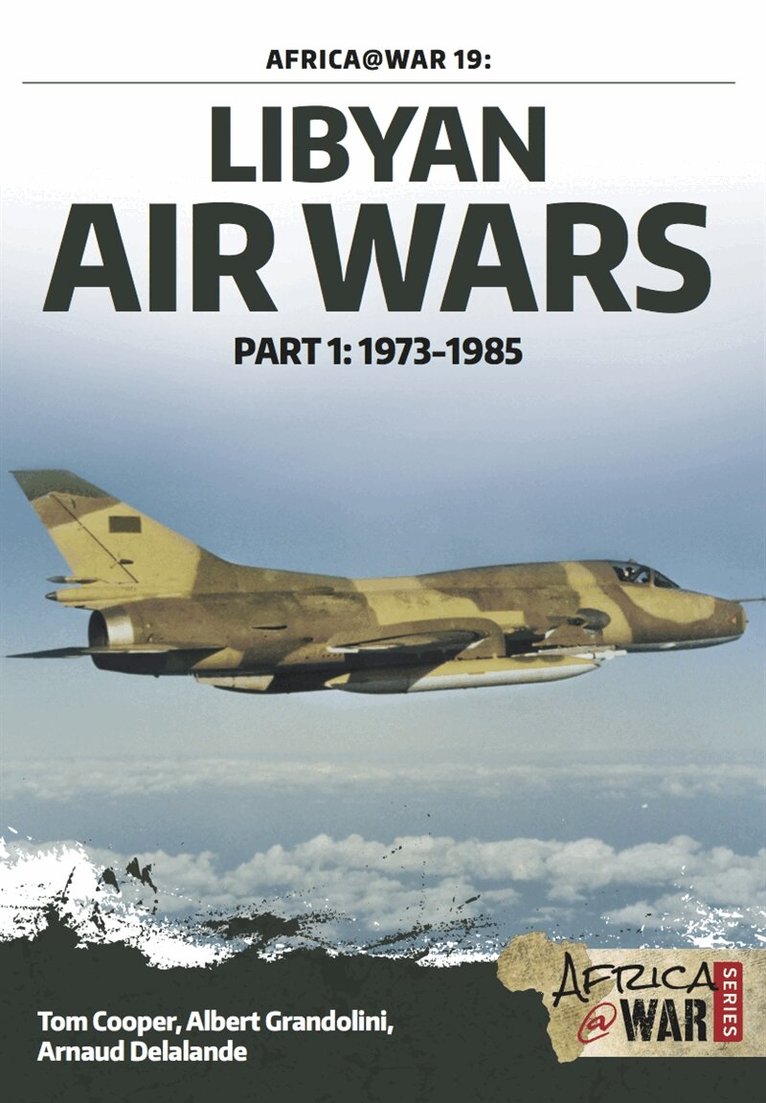
Between 1973 and 1989, various Western powers and Libya were entangled in a seemingly never-ending exchange of blows. Supposedly launched in retaliation for one action or the other, this confrontation resulted in a number of high-profile, even though low-scale, clashes between the Libyan Arab Air Force (LAAF), the US Navy and even the French. Meanwhile, almost as a sideshow, the LAAF - quantitatively one of the most potent air forces in North Africa and the Middle East - also saw intensive deployment in Chad. Initially, with sporadic fighting between different parties for the control of N'Djamena, the Chadian capital, this conflict eventually turned into a major war when Libya invaded the country outright. The LAAF deployed not only French-made Mirage but also Soviet-made fighter-bombers of MiG and Sukhoi design, Mil-designed helicopters and even bombers of Tupolev design, to establish her dominance over the extensive battlefield of the Sahara Desert. Because of the Cold War but also due to confrontation with Libya over a number of other issues, France - a one-time major arms supplier to Libya - and the USA gradually got dragged into the war. Deployments of their troops and intelligence services in Chad, Egypt and the Sudan never resulted in a full-scale war against Libya, but time and again culminated in small-scale aerial operations that proved crucial to developments on the ground, several of which are still a matter of extensive debate. Detailing not only the aerial operations but the ground war and the geopolitical background of these conflicts, and illustrated with over 100 contemporary photographs, maps and all-new color profiles, this volume provides a unique insight into an otherwise completely forgotten conflict that raged from the skies over the southern Mediterranean to southern Chad and northern Sudan, yet one that not only represented a formative period of the LAAF, but which also prompted a number of crucial modifications and developments in France and the USA.
Häftad, Engelska, 2017
218 kr
Skickas
Häftad, Engelska, 2020
218 kr
Skickas
126 kr
Läs direkt efter köp
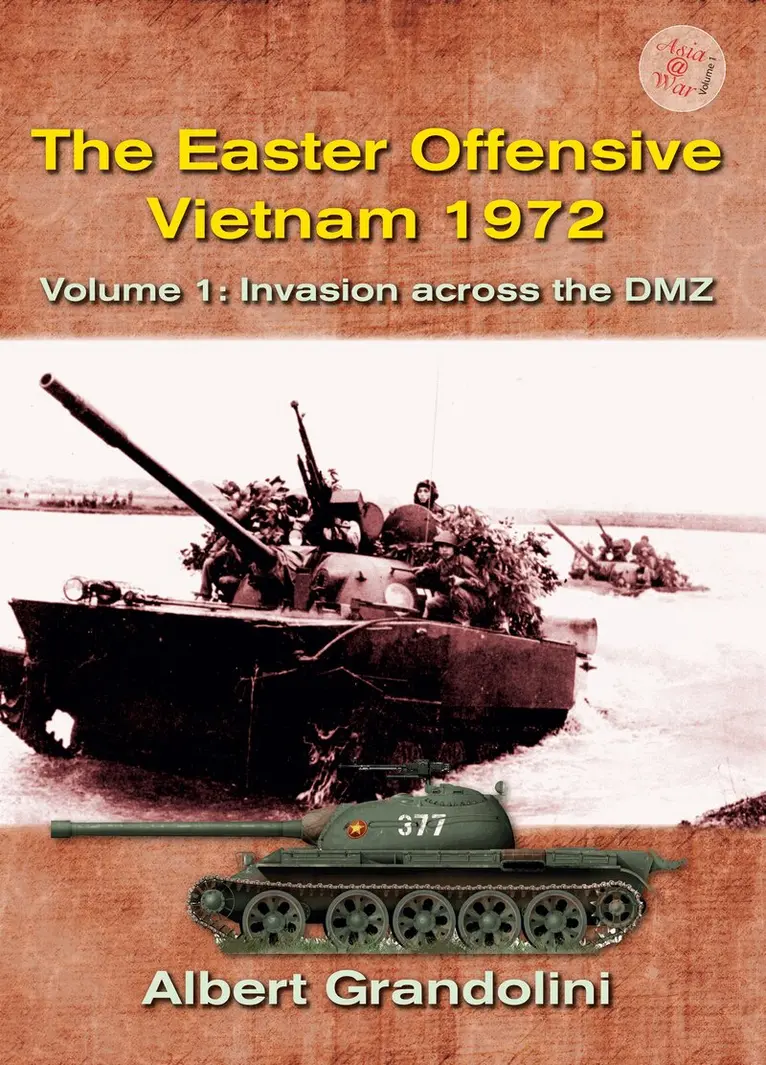
On 30 March 1972 the South Vietnamese positions along the Demilitarized Zone (DMZ) that separated the North from South Vietnam were suddenly shelled by hundreds of heavy guns and multiple rocket launchers. Caught in a series of outposts of what was the former ‘McNamara Line’, the shocked defenders had just enough time to emerge from their bunkers at the end of the barrage before they were attacked by regular North Vietnamese Army divisions, supported by hundreds of armored vehicles that crashed though their defensive lines along the border. Thus began one of the fiercest campaigns of the Vietnam War but also one of the less well documented because by then most of the American ground forces had been withdrawn. Following on from the details of the downsizing of American forces and the setting up of the ‘Vietnamization’ policy, the build up of both the Army of the Republic of Vietnam (ARVN) in the South and the People’s Army of Vietnam (PAVN) in the North is discussed at length. A special emphasis is devoted to the study of the development the North Vietnamese armored corps that would spearhead the coming offensive. Consequently, the nature of the war changed dramatically, evolving from a guerrilla one into a conventional conflict. The South Vietnamese resistance shuddered, and then crumbled under the communist onslaught, putting Hue the ancient imperial capital at risk. It was only thanks to US airpower, directed by a small group of courageous American advisers, which helped to turn the tide. Under the command of a new capable commander, the South Vietnamese then methodically counterattacked to retake some of the lost ground. This culminated in the ferocious street fighting for Quang Tri. This first volume describes the combat taking place in the northern part of South Vietnam, and uses not only American archives but also Vietnamese sources, from both sides. The book contains 130 photos, five maps and 18 color profiles.Asia@War - following on from our highly successful Africa@War series, Asia@War replicates the same format - concise, incisive text, rare images and high quality color artwork providing fresh accounts of both well-known and more esoteric aspects of conflict in this part of the world since 1945.EPUB3: Reflowable
E-bok
Engelska, 2021123 kr
Läs direkt efter köp
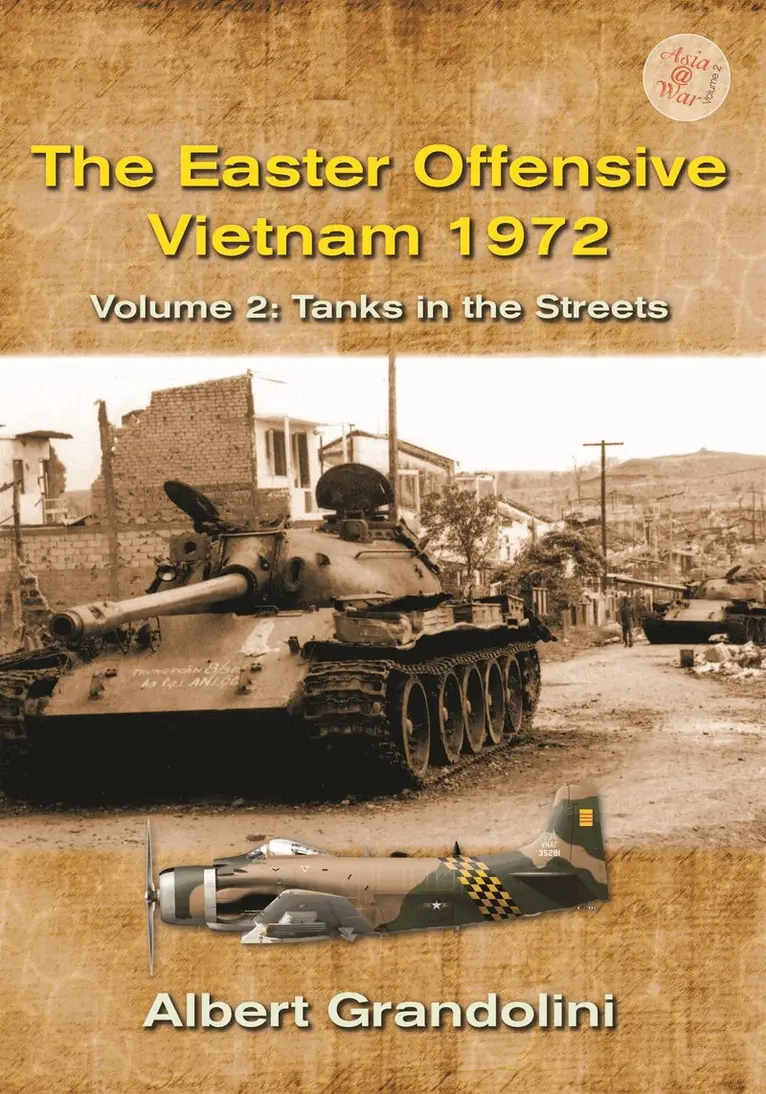
On 30 March 1972, while peace negotiations had been dragging on for four years in Paris, the North Vietnamese launched a wide scale offensive in order to break the stalemate. At that date, practically no American ground forces remained in South Vietnam where a limited offensive was expected in the Central Highlands area. But nobody imagined the magnitude of the multidivisional, armor led onslaught. The blow fell first across the Demilitarized Zone (DMZ) separating the North from South Vietnam (see Volume 1). Following from the initial attack, in a surprise move, three communist divisions with T-54 tanks attacked from their sanctuaries in Cambodia just north of Saigon. Their tanks ventured into the streets of An Loc City where they were checked by a desperate and heroic stand by the South Vietnamese soldiers and their American advisers, thus saving the capital of South Vietnam. Finally, the third prong of the North Vietnamese offensive swept across the northern Central Highlands, destroying a whole South Vietnamese division. The communists then resumed their advance, but their tanks were again entangled in street fighting, this time inside Kontum City. Furthermore, they were harassed by newly developed helicopter gun ships armed with antitank missiles. This volume not only details the combat taking place in these two areas but also the organization of both the Army of the Republic of Vietnam (ARVN) in the South and the People’s Army of Vietnam (PAVN) in the North. It particularly emphasizes the transformation of the former from a mainly infantry force into a modern motorized force. It also describes how the North Vietnamese learnt the hard way about the use of their tanks. The author relies on not only American archives but also on Vietnamese sources, from both sides. The book contains 130 photos, five maps and 18 color profiles.Asia@War - following on from our highly successful Africa@War series, Asia@War replicates the same format - concise, incisive text, rare images and high quality color artwork providing fresh accounts of both well-known and more esoteric aspects of conflict in this part of the world since 1945.EPUB3: Reflowable
Del 33 - Africa@War
Showdown in Western Sahara: Air Warfare Over the Last African Colony
Volume 1 - 1945-1975
Häftad, Engelska, 2019
218 kr
Skickas
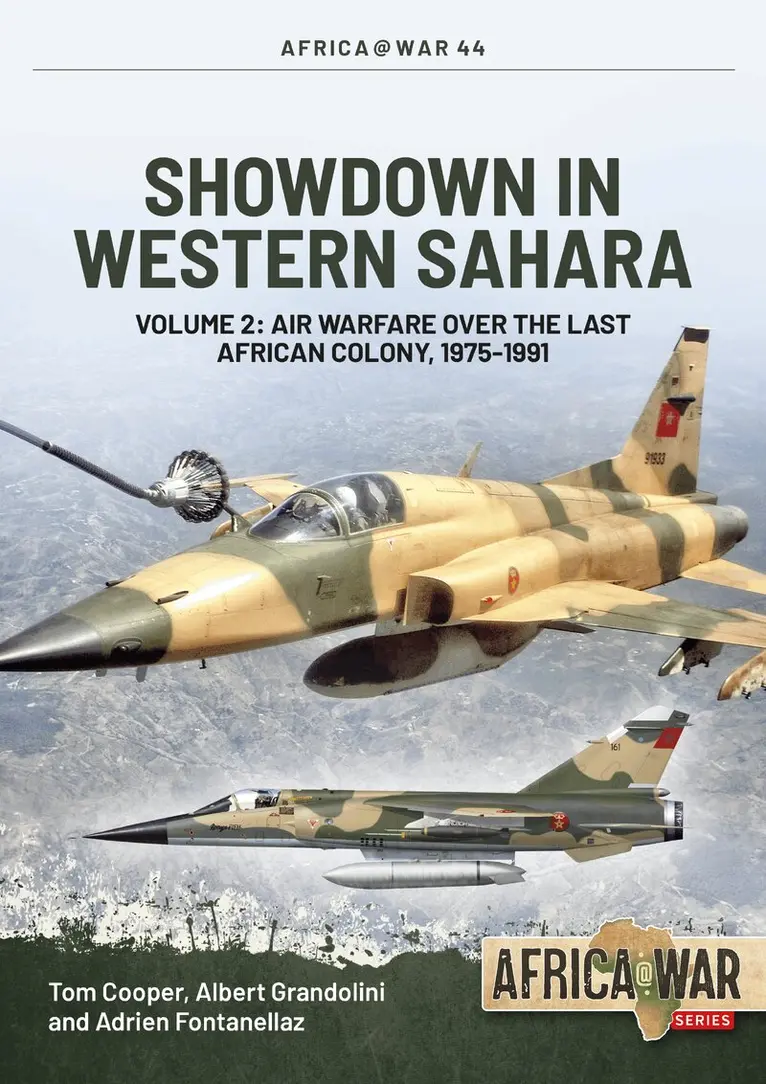
Del 44 - Africa@War
Showdown in Western Sahara: Air Warfare Over the Last African Colony
Volume 2 - 1975-1991
Häftad, Engelska, 2020
218 kr
Skickas
E-bok
Engelska, 2021123 kr
Läs direkt efter köp
While the first volume in this mini-series spanned the first decade of confrontations between Libya and several of its neighbors, but foremost the USA and France, between 1973 and 1985, the second is to cover the period of less than a year – between mid-1985 and March 1986, when this confrontation reached its first climax.Through mid and late 1985, relations between France and Libya became tense over the situation in Chad. By early 1986, the French felt forced to deploy their air force for an airstrike on the crucial Libyan air base at Wadi Doum, in the north of that country. Tripoli reacted with a high-profile aerial attack on N’Djamena IAP and by bolstering support for its proxies. This eventually provoked Paris to launch its third military intervention in that country, Operation Épervier.Meanwhile, a series of terror attacks on US citizens and interests in Europe and the Mediterranean area took place. While most of these saw the involvement of Iran and Syria too, Libya was recognized as major supporter of the activities in question. In the aftermath of several traumatic experiences, the US administration began planning for direct action against the government in Tripoli and various terrorist organizations supported by it. As the Pentagon planners prepared a contingency list of targets in Libya, and the US Air Force began planning its involvement, ships and aircraft of the US Navy launched intensive operations off the Libyan coast with the aim of provoking an incident that could be used as a reason for major military attack on Libya. Eventually, these operations culminated in Operation Prairie Fire – a series of short but sharp clashes between the US Navy and Libyan air defenses and the Navy, in March 1986.Part 2 of this mini-series provides an unprecedentedly detailed and richly illustrated description of the involved air forces, their equipment and markings, and related military aerial operations, many of which have remained unknown until today, while others have been forgotten outright.EPUB3: Reflowable
E-bok
Engelska, 2021124 kr
Läs direkt efter köp
Confrontations between Libya, and the USA and France reached their highest point in the period between April 1986 and early 1989. In response to a Libyan-instigated and supported series of terror attacks against US citizens and interests in Europe, in April 1986 the USA launched Operation El Dorado Canoyon – a series of raids against carefully selected targets in Libya.Simultaneously, the USA and France bolstered the military of the Chadian government, enabling it to subsequently launch an all-out advance against Libyan troops and proxy forces in the north of Libya. This culminated in the series of spectacular campaigns better known as ‘Toyota Wars’, characterized by high speed of operations and surprise. The Chadian Army defeated its opponents in 1987 and nearly launched an invasion of Libya in 1988, successfully concluding this conflict.This title closes the Libyan Air Wars mini-series with a detailed insight into the final US–Libyan confrontation, which took place in early 1989, and culminated in another high-profile air combat between the most modern jet fighters of the Libyan Arab Air Force, and the US Navy.As usual, the volume is richly illustrated by well over 150 contemporary and exclusive photographs, color profiles, and maps, detailing the history, training, equipment, markings and tactics of the involved air forces.EPUB3: Reflowable
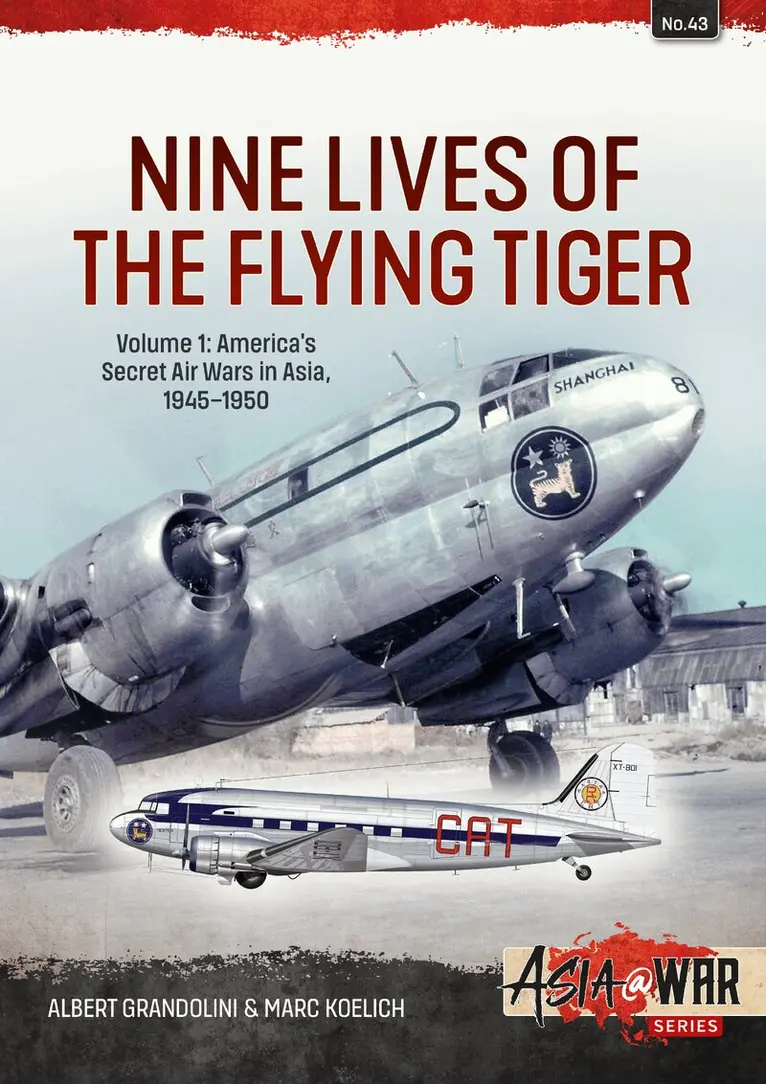
Del 43 - Asia@War
Nine Lives of the Flying Tiger Volume 1
America’s Secret Air Wars in Asia, 1945-1950
Häftad, Engelska, 2023
211 kr
Skickas
Del 19 - Africa@War
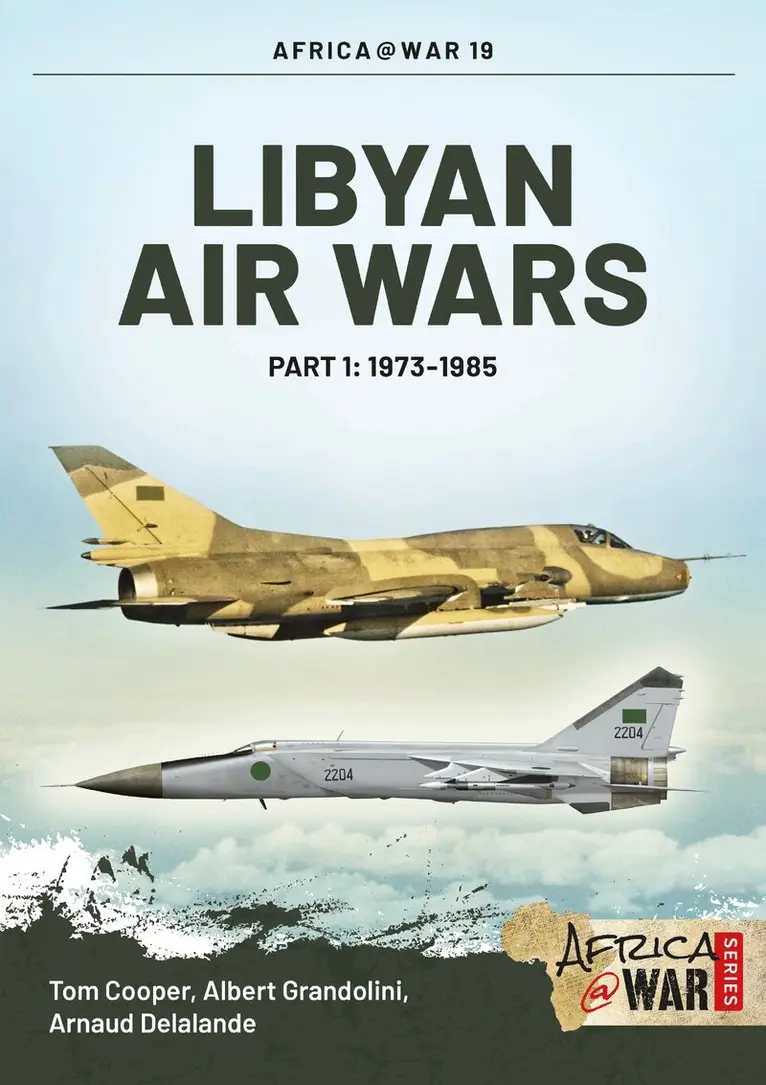
Libyan Air Wars
Part 1: 1973-1985
Häftad, Engelska, 2015
218 kr
Tillfälligt slut
Häftad, Engelska, 2022
218 kr
Tillfälligt slut