Alcino J. Silva – författare
Visar alla böcker från författaren Alcino J. Silva. Handla med fri frakt och snabb leverans.
6 produkter
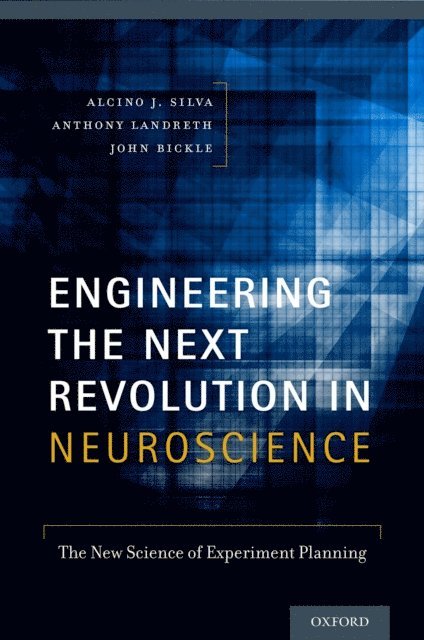
Engineering the Next Revolution in Neuroscience
The New Science of Experiment Planning
Av John Bickle, Anthony Landreth m. fl.
E-bok, 2013
587 kr
Lägg i varukorg
Science is growing at a pace that exceeds our comprehension. This is no less true of neuroscience than any other discipline. Ambiguity about what is known and what has been disproven confounds researchers and hampers research planning. There are simply too many research articles and too few hours …
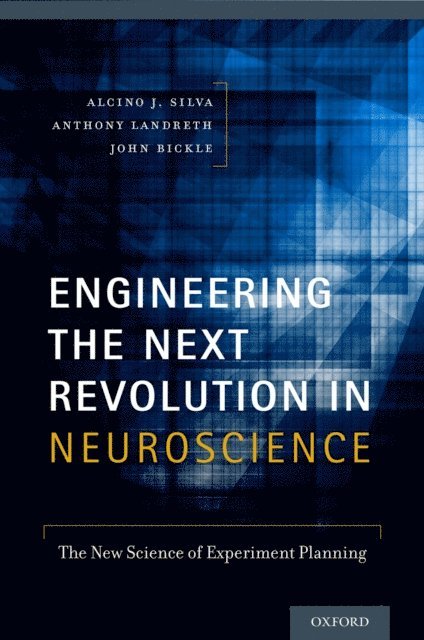
Engineering the Next Revolution in Neuroscience
The New Science of Experiment Planning
Av John Bickle, Anthony Landreth m. fl.
E-bok, 2013
587 kr
Lägg i varukorg
Science is growing at a pace that exceeds our comprehension. This is no less true of neuroscience than any other discipline. Ambiguity about what is known and what has been disproven confounds researchers and hampers research planning. There are simply too many research articles and too few hours …
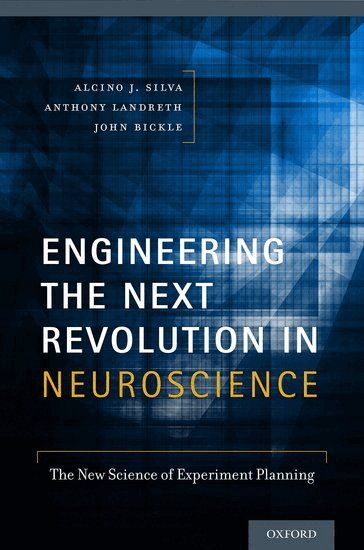
Engineering the Next Revolution in Neuroscience
The New Science of Experiment Planning
Av Alcino J. Silva, John Bickle m. fl.
Häftad, 2013
1073 kr
Lägg i varukorg
Science is growing at a pace that exceeds our comprehension. This is no less true of neuroscience than any other discipline. Ambiguity about what is known and what has been disproven confounds researchers and hampers research planning. There are simply too many research articles and too few hours …
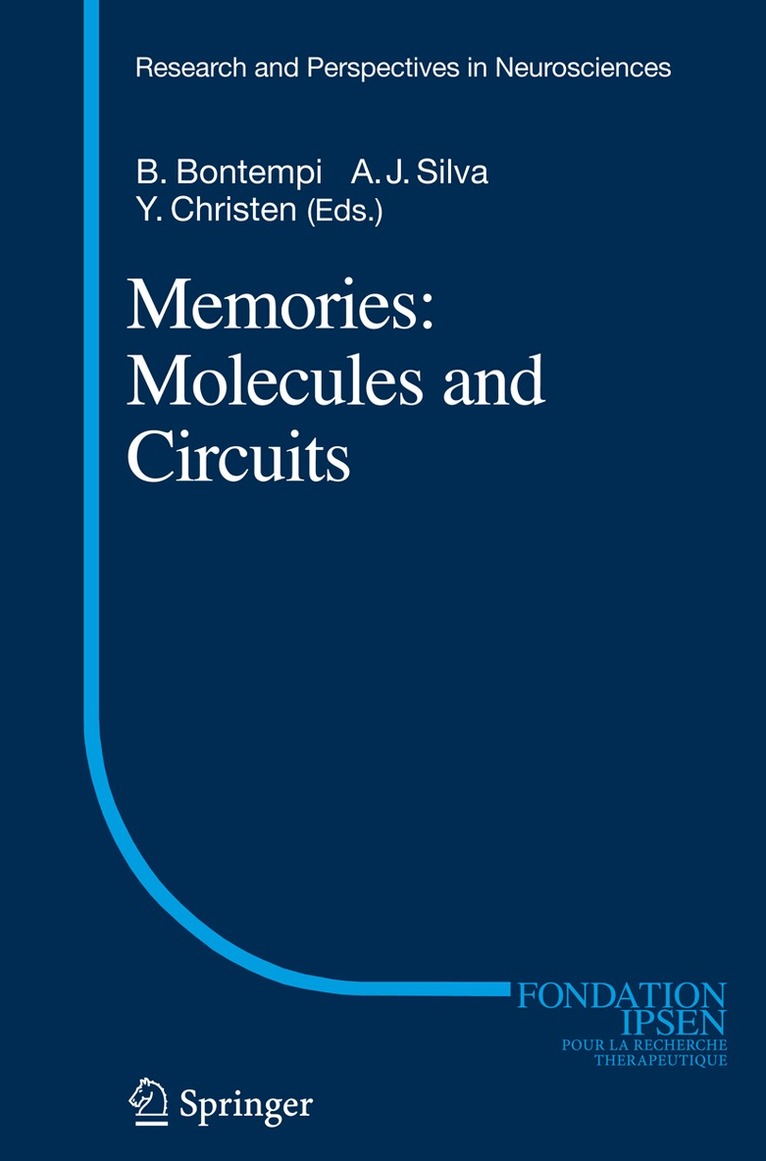
Memories: Molecules and Circuits
Av B. Bontempi, Alcino J. Silva
Inbunden, 2007
1692 kr
Lägg i varukorg
Memory can be typically de?ned as the brain function enabling the encoding, storage and retrieval of sensory information. In operational terms, this de?nition implies that our central nervous system not only processes various sensory modalities, be they visual, tactile, auditory, olfactory or …
Memories: Molecules and Circuits
Av Alcino J. Silva, B. Bontempi
E-bok, 2007
2065 kr
Lägg i varukorg
Memory can be typically de?ned as the brain function enabling the encoding, storage and retrieval of sensory information. In operational terms, this de?nition implies that our central nervous system not only processes various sensory modalities, be they visual, tactile, auditory, olfactory or …
Memories: Molecules and Circuits
Av B. Bontempi, Alcino J. Silva
Häftad, 2010
1643 kr
Lägg i varukorg
Memory can be typically de?ned as the brain function enabling the encoding, storage and retrieval of sensory information. In operational terms, this de?nition implies that our central nervous system not only processes various sensory modalities, be they visual, tactile, auditory, olfactory or …