
Alec Dinnin – författare
Visar alla böcker från författaren . Handla med fri frakt och snabb leverans.
2 produkter
2 produkter
Inbunden, Engelska, 2026
1 225 kr
Kommande
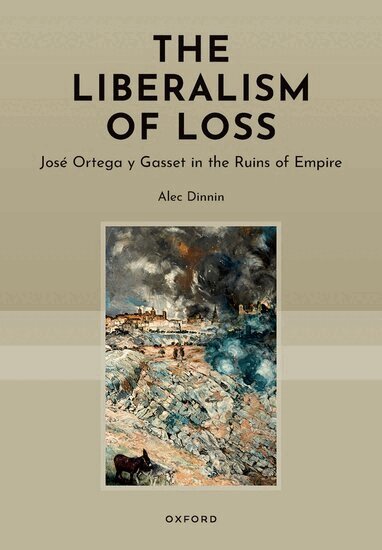
Many have observed that support for reactionary politics often arises from a sense of loss. But how do liberals themselves respond to losing power? And can their attempts to navigate loss fuel the very illiberal forces they wish to contain? Alec Dinnin's The Liberalism of Loss tackles these questions by examining how the end of the Spanish Empire affected the ideas of Spain's most famous liberal philosopher, José Ortega y Gasset (1883^–^1955). Through engagement with untranslated writings including unpublished archival material, Dinnin argues that anxieties over imperial loss animated Ortega's liberalism and informed his famous liberal critiques of mass democracy and totalitarianism. But the book also shows that Ortega's attempt to reimagine liberalism in order to escape from the ruins of empire inadvertently left a deep and lasting mark on the founding ideologues of Spanish fascism. Situating Ortega's political thought within the shadow of imperial loss and tracing its influence on the reactionary movements of his time, The Liberalism of Loss reveals how the line between liberal and fascist ideology can blur when both are committed to reviving political hierarchy. As such, the book not only illuminates the potential depths of liberalism's dependency upon empire, but also highlights the enduring dangers of responding to crises of imperial loss without confronting the legitimacy of empire itself.

E-bok
Spanska, 2024297 kr
Läs direkt efter köp
En las páginas de este libro se trata de indagar sobre el pensamiento generado en torno a la constante sucesión de crisis que la historia contemporánea de España compendia. Diversas crisis, asociadas a perdidas coloniales, problemas económicos y sociales, revoluciones fallidas, golpes de Estado, guerras internas y externas, revueltas violentas, transiciones de regímenes y modelos de gobierno, son estudiadas a través de las ideas expuestas por intelectuales y políticos (Blanco White, Ramón de la Sagra, Donoso Cortés, Unamuno, Maeztu, Azorín, Ganivet, Rafael Altamira, Ortega y Gasset, Adolfo Posada, Fernando de los Ríos, Marcelino Domingo, Villar Mir), ideologías (republicanismo, regeneracionismo, totalitarismo y franquismo), tendencias políticas (inmovilismo, aperturismo y rupturismo en el marco de la Transición, terrorismo y crisis intelectual) o partidos (Podemos y su discurso sobre la nación). El elenco de autores y crisis políticas seleccionadas para su estudio representa un conjunto de ejemplos que permite calibrar los elementos que eran tenidos en consideración por los "pensadores de crisis" para explicar y comprender el sentido de los cambios y proporciona conocimientos sobre las claves epistemológicas y metodológicas desde las que estos autores opinaban sobre su realidad más cercana.