Alejandro Anaya-Muñoz – författare
Visar alla böcker från författaren Alejandro Anaya-Muñoz. Handla med fri frakt och snabb leverans.
5 produkter
5 produkter
Inbunden, Engelska, 2019
833 kr
Skickas inom 10-15 vardagar
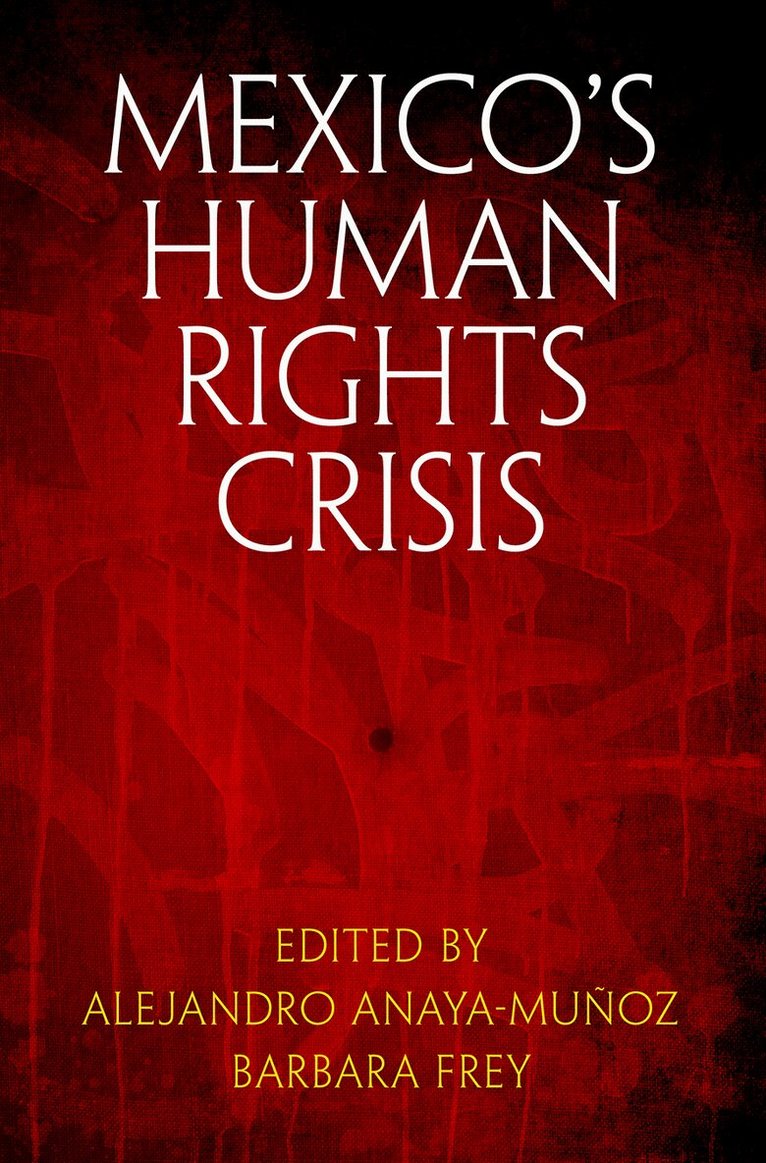
Lawless elements are ascendant in Mexico, as evidenced by the operations of criminal cartels engaged in human and drug trafficking, often with the active support or acquiescence of government actors. The sharp increase in the number of victims of homicide, disappearances and torture over the past decade is unparalleled in the country's recent history. According to editors Alejandro Anaya-MuÑoz and Barbara Frey, the "war on drugs" launched in 2006 by President Felipe CalderÓn and the corrupting influence criminal organizations have on public institutions have empowered both state and nonstate actors to operate with impunity. Impunity, they argue, is the root cause that has enabled a human-rights crisis to flourish, creating a climate of generalized violence that is carried out, condoned, or ignored by the state and precluding any hope for justice.Mexico's Human Rights Crisis offers a broad survey of the current human rights issues that plague Mexico. Essays focus on the human rights consequences that flow directly from the ongoing "war on drugs" in the country, including violence aimed specifically at women, and the impunity that characterizes the government's activities. Contributors address the violation of the human rights of migrants, in both Mexico and the United States, and cover the domestic and transnational elements and processes that shape the current human rights crisis, from the state of Mexico's democracy to the influence of rulings by the Inter-American Court of Human Rights on the decisions of Mexico's National Supreme Court of Justice. Given the scope, the contemporaneity, and the gravity of Mexico's human rights crisis, the recommendations made in the book by the editors and contributors to curb the violence could not be more urgent.Contributors: Alejandro Anaya-MuÑoz, Karina Ansolabehere, Ariadna EstÉvez, Barbara Frey, Janice Gallagher, Rodrigo GutiÉrrez Rivas, Susan Gzesh, Sandra HincapiÉ, Catalina PÉrez Correa, Laura Rubio DÍaz-Leal, Natalia Saltalamacchia, Carlos Silva FornÉ, Regina TamÉs, Javier TreviÑo-Rangel, Daniel VÁzquez, Benjamin James Waddell.
E-bok
Engelska, 20181 145 kr
Läs direkt efter köp
Lawless elements are ascendant in Mexico, as evidenced by the operations of criminal cartels engaged in human and drug trafficking, often with the active support or acquiescence of government actors. The sharp increase in the number of victims of homicide, disappearances and torture over the past decade is unparalleled in the country's recent history. According to editors Alejandro Anaya-MuÑoz and Barbara Frey, the "war on drugs" launched in 2006 by President Felipe CalderÓn and the corrupting influence criminal organizations have on public institutions have empowered both state and nonstate actors to operate with impunity. Impunity, they argue, is the root cause that has enabled a human-rights crisis to flourish, creating a climate of generalized violence that is carried out, condoned, or ignored by the state and precluding any hope for justice.Mexico's Human Rights Crisis offers a broad survey of the current human rights issues that plague Mexico. Essays focus on the human rights consequences that flow directly from the ongoing "war on drugs" in the country, including violence aimed specifically at women, and the impunity that characterizes the government's activities. Contributors address the violation of the human rights of migrants, in both Mexico and the United States, and cover the domestic and transnational elements and processes that shape the current human rights crisis, from the state of Mexico's democracy to the influence of rulings by the Inter-American Court of Human Rights on the decisions of Mexico's National Supreme Court of Justice. Given the scope, the contemporaneity, and the gravity of Mexico's human rights crisis, the recommendations made in the book by the editors and contributors to curb the violence could not be more urgent.Contributors: Alejandro Anaya-MuÑoz, Karina Ansolabehere, Ariadna EstÉvez, Barbara Frey, Janice Gallagher, Rodrigo GutiÉrrez Rivas, Susan Gzesh, Sandra HincapiÉ, Catalina PÉrez Correa, Laura Rubio DÍaz-Leal, Natalia Saltalamacchia, Carlos Silva FornÉ, Regina TamÉs, Javier TreviÑo-Rangel, Daniel VÁzquez, Benjamin James Waddell.
E-bok
Spanska, 202343 kr
Läs direkt efter köp
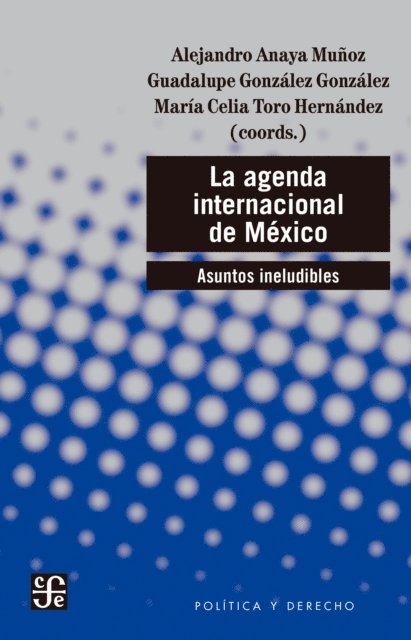
México ha trabajado para transformar el andamiaje de leyes e instituciones que permitan atender la agenda internacional del país rumbo a 2030. No obstante, el discurso con frecuencia difi ere de la práctica: ¿qué tan satisfactoria es la actuación de México frente a los migrantes indocumentados?, ¿qué normas internacionales se están cumpliendo para disminuir las violaciones a los derechos humanos?, ¿qué acciones puede emprender México en casos de hostilidad discursiva, como la de Donald J. Trump, y ante las exigencias de nuestro vecino país del norte?, ¿cómo puede México promover la cooperación y proponer soluciones a los confl ictos que prevalecen en América Latina?, ¿cómo podemos aprovechar nuestro acuerdo comercial con América del Norte? Las preguntas son muchas y los temas diversos e importantes. Por ello, convencidos de que mostrar un compromiso ante una audiencia internacional no es sufi ciente, y de que se requiere la implementación de medidas necesarias para lograr que los objetivos se materialicen, los académicos y las académicas aquí reunidos analizan asuntos internacionales ineludibles, advierten oportunidades y proponen soluciones en materia de multilateralismo, instituciones internacionales de derechos humanos, migración en tránsito y de retorno, cabildeo mexicano en Estados Unidos, instancias internacionales —como la Organización Mundial del Comercio— y tratados comerciales regionales, particularmente el Tratado entre México, Estados Unidos y Canadá (tmec).
60 kr
Läs direkt efter köp
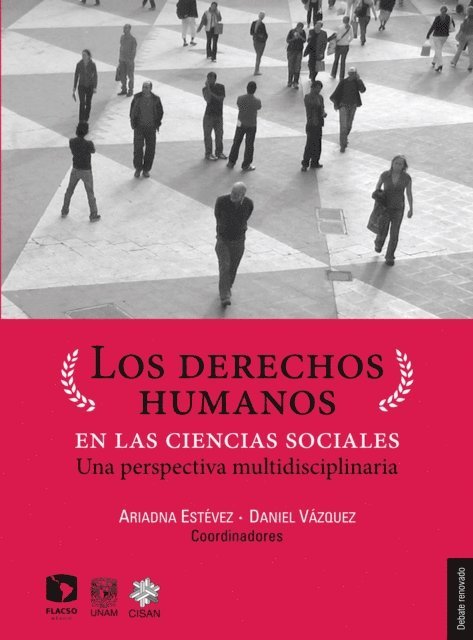
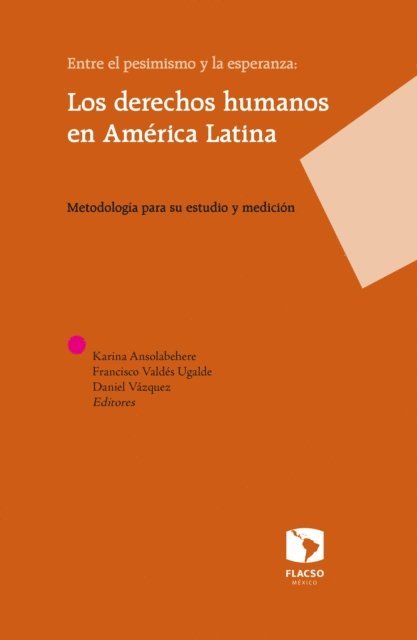
Los autores de esta obra analizan los derechos humanos como relaciones de poder, discursos políticos y performativos, normas internacionales, organización institucional y movilización social. Esto nos obliga a pensar los derechos humanos desde diferentes ciencias sociales: la sociología política y jurídica, la antropología jurídica, las políticas públicas, la teoría de la democracia, entre otras. Desde la perspectiva que dan estas disciplinas, siguen vigentes muchas preguntas sobre los derechos humanos: ¿empoderan o desempoderan a los sujetos colectivos?, ¿ayudan a oponerse al poder criminal?, ¿mantienen o confrontan el estatu quo? ¿la universidad de los derechos constituye o se opone a la diversidad cultural?, ¿responden a la equidad social o se sirven de ella?, ¿cómo inciden en este debate las orientaciones de perspectiva de género y diversidad sexual?, ¿qué papel cumplen en la construcción de una memoria colectiva?, ¿cómo impactan en la normatividad internacional los movimientos sociales transnacionales?Esta edición, actualizada y ampliada, es un referente en la enseñanza y el estudio multidisciplinario de los derechos humanos. Su originalidad radica en que proporciona a estudiantes, profesores, investigadores, y activistas sociales una visión que plantea una agenda social, política, antropológica, internacionalista, feminista y de políticas públicas para los derechos humanos.
E-bok
Spanska, 202188 kr
Läs direkt efter köp
¿Cómo se relacionan entre sí las diferentes formas en que se ha institucionalizado la protección de los derechos humanos, la economía, la democracia y el efectivo ejercicio de los derechos? Cuando la institucionalización de derechos humanos es integral y sus normas se difunden más allá del marco jurídico del Estado e impregnan las políticas públicas y la actuación judicial, el impacto en el disfrute de los derechos por parte de la población es mayor. Los trabajos que componen el presente volumen muestran que esta conjetura se sostiene, aunque con matices, en la mayoría de los casos aquí estudiados.