Alejandro Herrero-Olaizola – författare
Visar alla böcker från författaren Alejandro Herrero-Olaizola. Handla med fri frakt och snabb leverans.
9 produkter
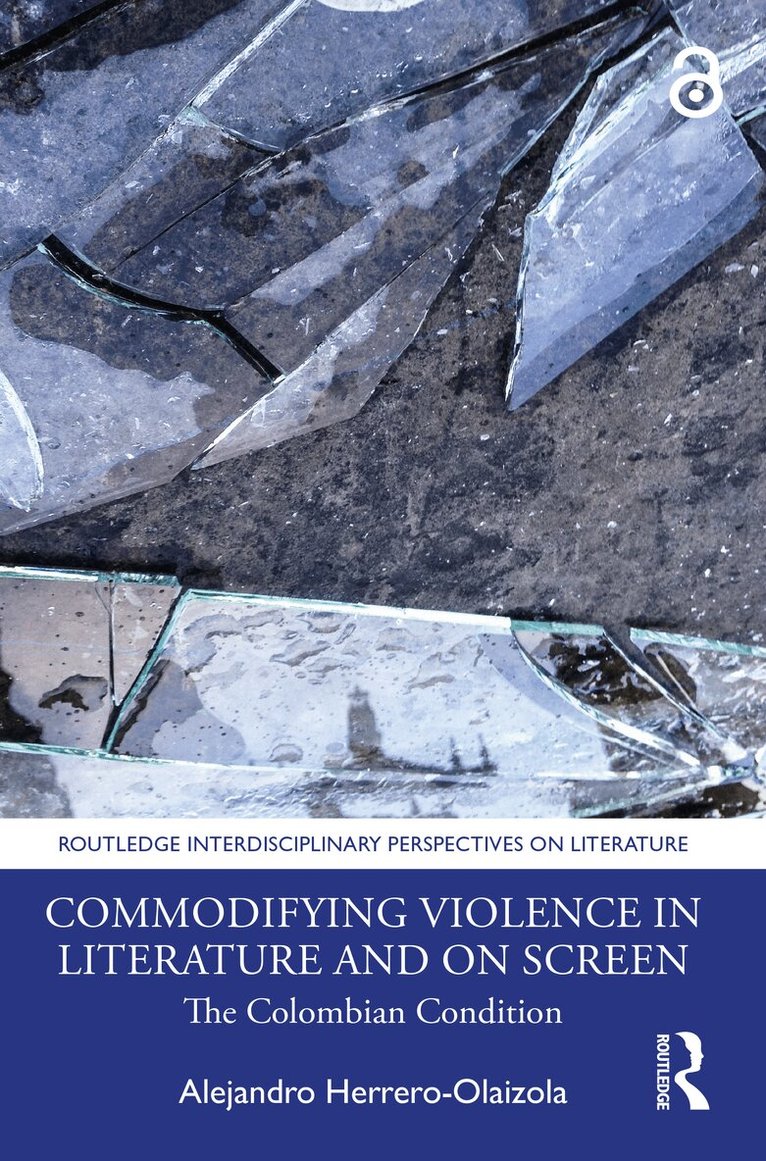
Commodifying Violence in Literature and on Screen
The Colombian Condition
Inbunden, 2021
2899 kr
Lägg i varukorg
This book traverses the cultural landscape of Colombia through in-depth analyses of displacement, local and global cultures, human rights abuses, and literary and media production. Through an exploration of the cultural processes that perpetuate the "darker side" of Latin America for global …
Commodifying Violence in Literature and on Screen
The Colombian Condition
Häftad, 2023
746 kr
Lägg i varukorg
This book traverses the cultural landscape of Colombia through in-depth analyses of displacement, local and global cultures, human rights abuses, and literary and media production. Through an exploration of the cultural processes that perpetuate the "darker side" of Latin America for global …
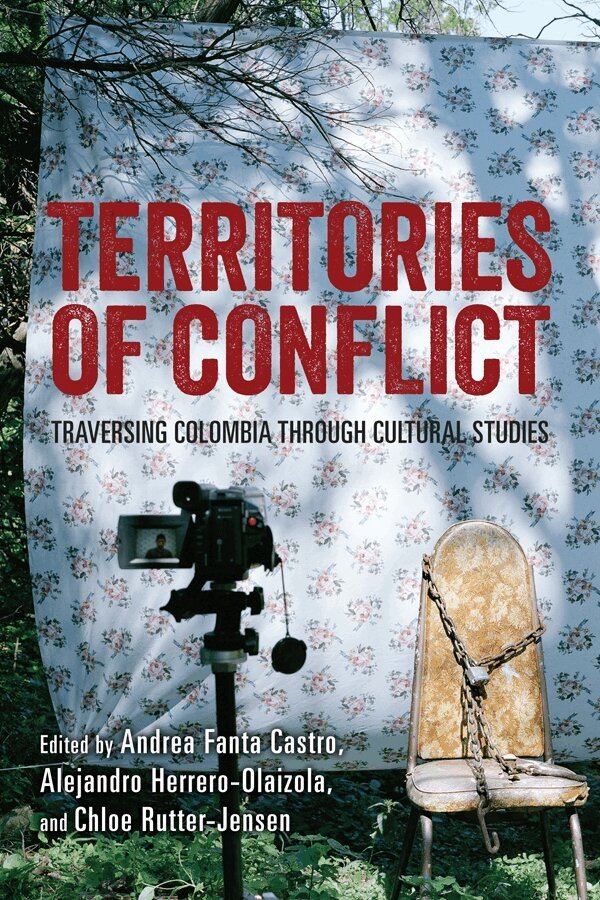
Territories of Conflict
Traversing Colombia through Cultural Studies
Av Andrea Fanta Castro, Alejandro Herrero-Olaizola m. fl.
Inbunden, 2017
1513 kr
Lägg i varukorg
This interdisciplinary volume investigates the cultural and political landscapes of Colombia through citizenship, displacement, local and global cultures, grass-root movements, political activism, human rights, environmentalism, and media productions.Territories of Conflict offers a comprehensive …
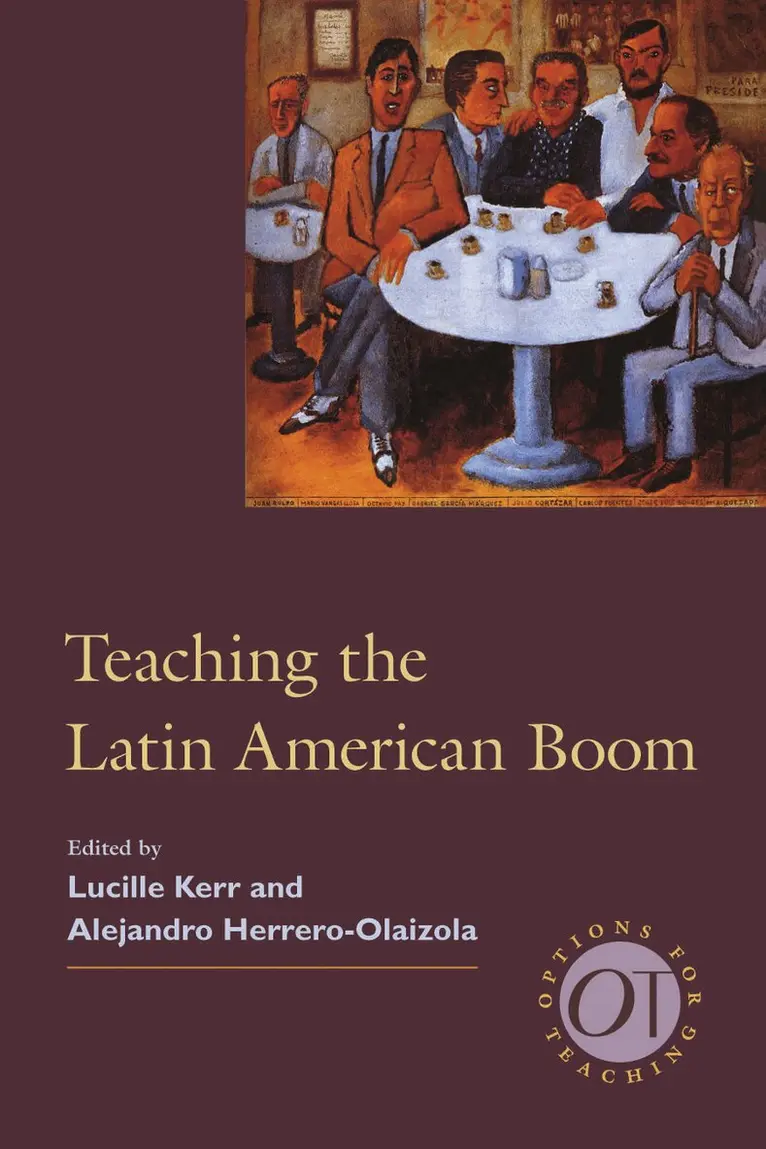
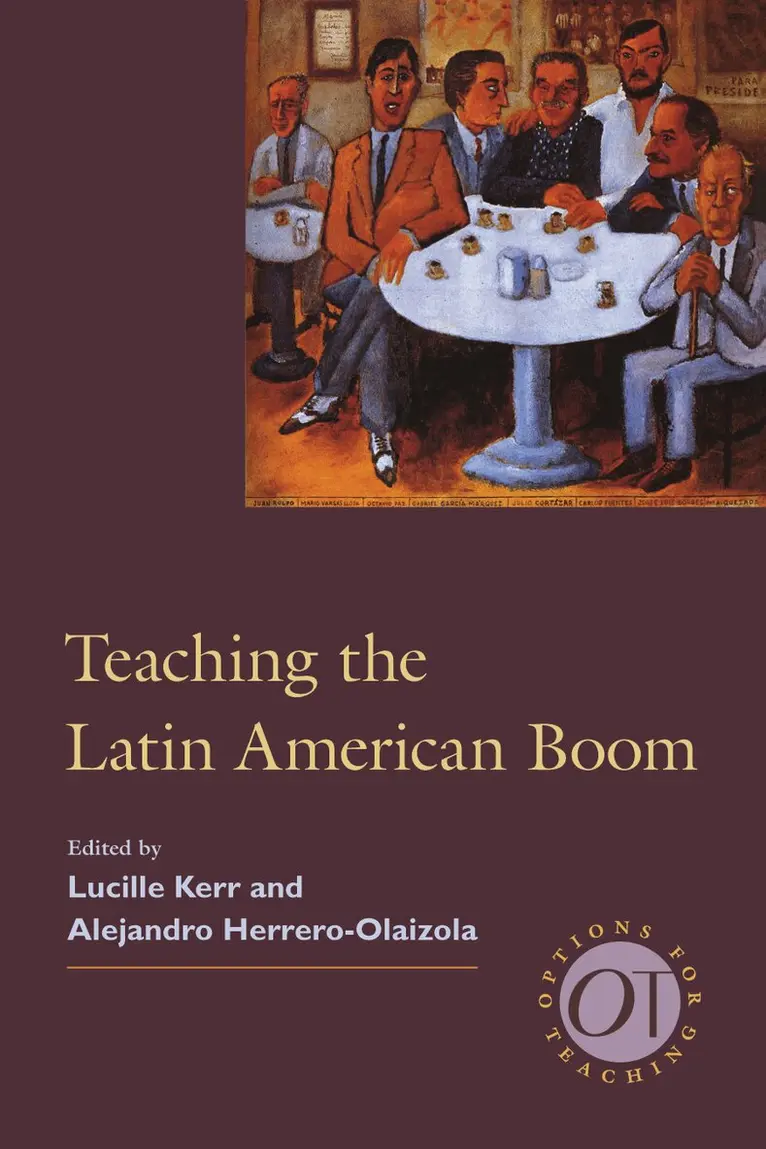
Teaching the Latin American Boom
Av Lucille Kerr, Alejandro Herrero-Olaizola
Inbunden, 2015
1484 kr
Lägg i varukorg
In the decade from the early 1960s to the early 1970s, Latin American authors found themselves writing for a new audience in both Latin America and Spain and in an ideologically charged climate as the Cold War found another focus in the Cuban Revolution. The writers who emerged in this energized …
Teaching the Latin American Boom
Av Lucille Kerr, Alejandro Herrero-Olaizola
Häftad, 2015
525 kr
Lägg i varukorg
In the decade from the early 1960s to the early 1970s, Latin American authors found themselves writing for a new audience in both Latin America and Spain and in an ideologically charged climate as the Cold War found another focus in the Cuban Revolution. The writers who emerged in this energized …
La condición colombiana
violencia y consumo cultural global
E-bok, 2025
141 kr
Lägg i varukorg
La condición colombiana examina el panorama cultural de Colombia mediante un análisis en profundidad del desplazamiento, las culturas locales y globales, las violaciones de los derechos humanos y la producción literaria y mediática. Por medio de una exploración de los procesos culturales que …
La condición colombiana
violencia y consumo cultural global
E-bok, 2025
86 kr
Lägg i varukorg
La condición colombiana examina el panorama cultural de Colombia mediante un análisis en profundidad del desplazamiento, las culturas locales y globales, las violaciones de los derechos humanos y la producción literaria y mediática. Por medio de una exploración de los procesos culturales que …
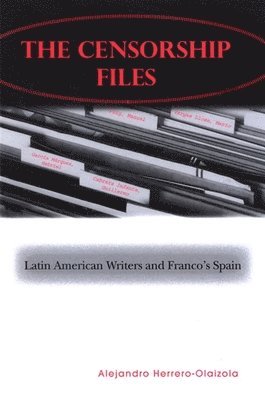
Censorship Files
Latin American Writers and Franco's Spain
Inbunden, 2007
1111 kr
Tillfälligt slut
Investigates the role played by censorship in the Spanish-language publishing industry, which led to the Latin American Boom literature of the 1960s and 1970s.Drawing on extensive research in the Spanish National Archive, Alejandro Herrero-Olaizola examines the role played by the censorship …
Censorship Files
Latin American Writers and Franco's Spain
Häftad, 2008
393 kr
Tillfälligt slut
Investigates the role played by censorship in the Spanish-language publishing industry, which led to the Latin American Boom literature of the 1960s and 1970s.Drawing on extensive research in the Spanish National Archive, Alejandro Herrero-Olaizola examines the role played by the censorship …