Alejandro L. Madrid - Böcker
Visar alla böcker från författaren Alejandro L. Madrid. Handla med fri frakt och snabb leverans.
16 produkter
16 produkter
1 576 kr
Skickas inom 5-8 vardagar
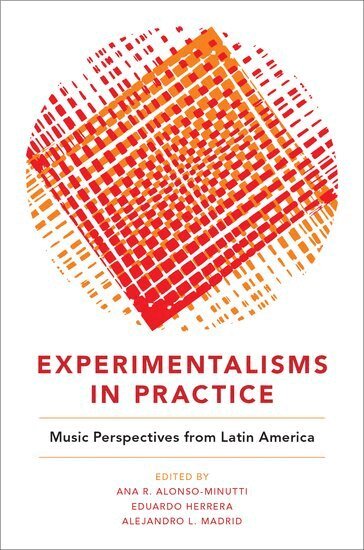
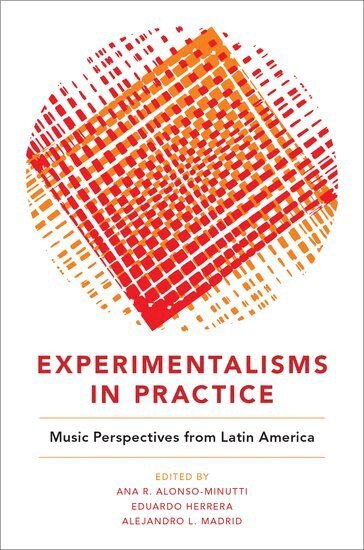
Experimentalisms in Practice explores the multiple sites in which experimentalism emerges and becomes meaningful beyond Eurocentric interpretative frameworks. Challenging the notion of experimentalism as defined in conventional narratives, contributors take a broad approach to a wide variety of Latin@ and Latin American music traditions conceived or perceived as experimental. The conversation takes as starting point the 1960s, a decade that marks a crucial political and epistemological moment for Latin America; militant and committed aesthetic practices resonated with this moment, resulting in a multiplicity of artistic and musical experimental expressions. Experimentalisms in Practice responds to recent efforts to reframe and reconceptualize the study of experimental music in terms of epistemological perspective and geographic scope, while also engaging traditional scholarship. This book contributes to the current conversations about music experimentalism while providing new points of entry to further reevaluate the field.
502 kr
Skickas inom 5-8 vardagar
Experimentalisms in Practice explores the multiple sites in which experimentalism emerges and becomes meaningful beyond Eurocentric interpretative frameworks. Challenging the notion of experimentalism as defined in conventional narratives, contributors take a broad approach to a wide variety of Latin@ and Latin American music traditions conceived or perceived as experimental. The conversation takes as starting point the 1960s, a decade that marks a crucial political and epistemological moment for Latin America; militant and committed aesthetic practices resonated with this moment, resulting in a multiplicity of artistic and musical experimental expressions. Experimentalisms in Practice responds to recent efforts to reframe and reconceptualize the study of experimental music in terms of epistemological perspective and geographic scope, while also engaging traditional scholarship. This book contributes to the current conversations about music experimentalism while providing new points of entry to further reevaluate the field.
1 684 kr
Skickas inom 5-8 vardagar
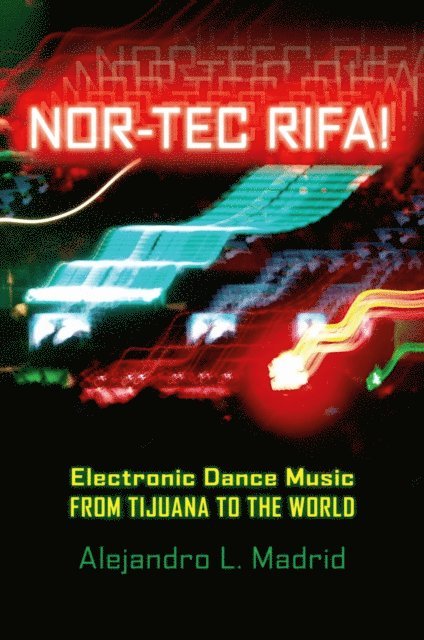
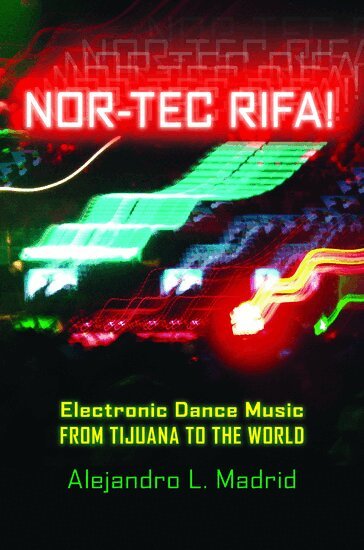
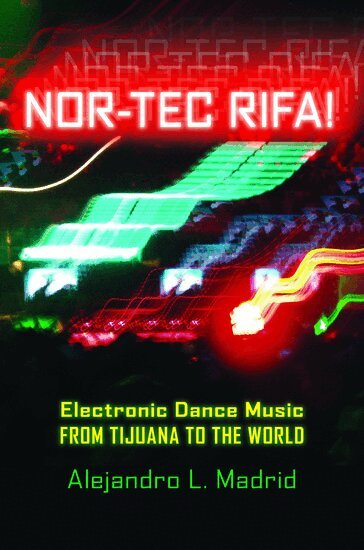
At the dawn of the twenty-first century, the Nor-tec phenomenon emerged from the border city of Tijuana, and through modern Internet technology quickly conquered a global audience. Marketed as a kind of "ethnic" electronic dance music, Nor-tec samples sounds of traditional music from the north of Mexico, transforming these sounds through computer technology used in European and American techno music and electronica. Mostly middle-class artists in their thirties, and with few exceptions all from Tijuana, Nor-tec musicians tend to avoid the mainstream music industry's channels, distributing works instead through the underground, global means of the Internet, enabling a loyal international following to grow rapidly. Perched on the border between Mexico and the United States, Tijuana has media links to both countries, with peoples, currencies, and cultural goods -perhaps especially music- from both sides circulating intensely within the city. Tijuana's older residents and their more mobile, cosmopolitan-minded children thus engage in a constant struggle with identity and nationality, appropriation and authenticity. Nor-tec music in its very composition encapsulates this city's struggle. It resonates with issues felt on the global level, while holding vastly different meanings to the variety of communities that embrace it. In Nor-tec Rifa!, Alejandro L. Madrid crafts a fascinating account of this music and the city that fostered its birth. With an impressive hybrid of musicology, ethnomusicology, cultural and performance studies, urbanism, and border studies, Nor-tec Rifa! offers compelling insights into the cultural production of Nor-tec as it stems from orteña, banda, and grupera traditions. The book is also amongst the first to offer detailed accounts of Nor-tec music's composition process.
398 kr
Skickas inom 5-8 vardagar
At the dawn of the twenty-first century, the Nor-tec phenomenon emerged from the border city of Tijuana, and through modern Internet technology quickly conquered a global audience. Marketed as a kind of "ethnic" electronic dance music, Nor-tec samples sounds of traditional music from the north of Mexico, transforming these sounds through computer technology used in European and American techno music and electronica. Mostly middle-class artists in their thirties, and with few exceptions all from Tijuana, Nor-tec musicians tend to avoid the mainstream music industry's channels, distributing works instead through the underground, global means of the Internet, enabling a loyal international following to grow rapidly. Perched on the border between Mexico and the United States, Tijuana has media links to both countries, with peoples, currencies, and cultural goods -perhaps especially music- from both sides circulating intensely within the city. Tijuana's older residents and their more mobile, cosmopolitan-minded children thus engage in a constant struggle with identity and nationality, appropriation and authenticity. Nor-tec music in its very composition encapsulates this city's struggle. It resonates with issues felt on the global level, while holding vastly different meanings to the variety of communities that embrace it. In Nor-tec Rifa!, Alejandro L. Madrid crafts a fascinating account of this music and the city that fostered its birth. With an impressive hybrid of musicology, ethnomusicology, cultural and performance studies, urbanism, and border studies, Nor-tec Rifa! offers compelling insights into the cultural production of Nor-tec as it stems from orteña, banda, and grupera traditions. The book is also amongst the first to offer detailed accounts of Nor-tec music's composition process.
1 682 kr
Skickas inom 7-10 vardagar
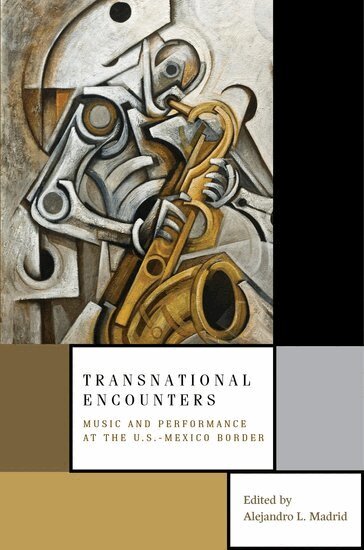
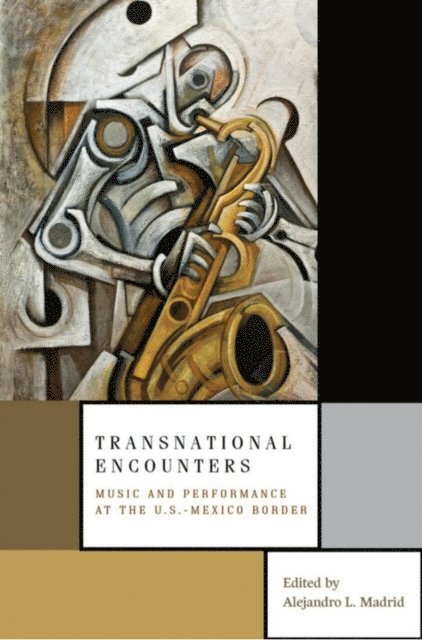
Through the study of a large variety of musical practices from the U.S.-Mexico border, this book seeks to provide a new perspective on the complex character of this geographic area. By focusing not only on nortena, banda or conjunto musics (the most stereotypical musical traditions among Hispanics in the area) but also engaging a number of musical practices that have often been neglected in the study of this border's history and culture (indigenous musics, African American musical traditions, pop musics), the authors in this book provide a glance into the diversity of ethnic groups that have encountered each other throughout the area's history. Against common misconceptions about the U.S.-Mexico border as a predominant Mexican area, this book argues that it is diversity and not homogeneity what characterizes it. From a wide variety of disciplinary and multidisciplinary enunciations, the essays in this book explore the transnational connections that inform these musical cultures while keeping an eye on their powerful local significance, in an attempt to redefine notions like "border, " "nation, " "migration, " "diaspora, " etc. Looking at music and its performative power through the looking glass of cultural criticism allows this book to contribute to larger intellectual concerns and help redefine the field of U.S.-Mexico border studies beyond the North/South and American/Mexican dichotomies. Furthermore, the essays in this book, from a wide variety of disciplinary and multidisciplinary enunciations, problematize some of the widespread misconceptions about U.S.-Mexico border history and culture in the current debate about immigration.
941 kr
Skickas inom 3-6 vardagar
Through the study of a large variety of musical practices from the U.S.-Mexico border, this book seeks to provide a new perspective on the complex character of this geographic area. By focusing not only on nortena, banda or conjunto musics (the most stereotypical musical traditions among Hispanics in the area) but also engaging a number of musical practices that have often been neglected in the study of this border's history and culture (indigenous musics, African American musical traditions, pop musics), the authors in this book provide a glance into the diversity of ethnic groups that have encountered each other throughout the area's history. Against common misconceptions about the U.S.-Mexico border as a predominant Mexican area, this book argues that it is diversity and not homogeneity what characterizes it. From a wide variety of disciplinary and multidisciplinary enunciations, the essays in this book explore the transnational connections that inform these musical cultures while keeping an eye on their powerful local significance, in an attempt to redefine notions like "border, " "nation, " "migration, " "diaspora, " etc. Looking at music and its performative power through the looking glass of cultural criticism allows this book to contribute to larger intellectual concerns and help redefine the field of U.S.-Mexico border studies beyond the North/South and American/Mexican dichotomies. Furthermore, the essays in this book, from a wide variety of disciplinary and multidisciplinary enunciations, problematize some of the widespread misconceptions about U.S.-Mexico border history and culture in the current debate about immigration.
Music in Mexico: Experiencing Music, Expressing Culture [With CD (Audio)] [With CD (Audio)]
Häftad, Engelska
1 748 kr
Tillfälligt slut
1 810 kr
Skickas inom 5-8 vardagar
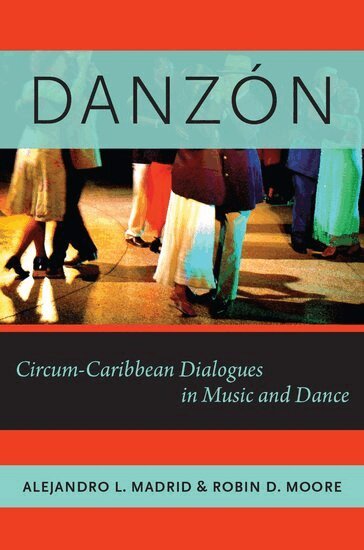
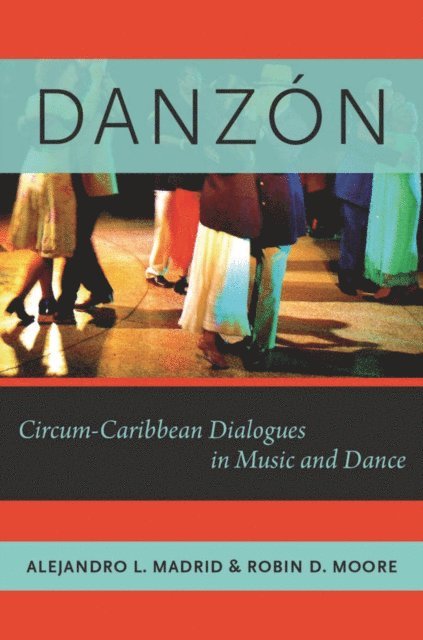
Initially branching out of the European contradance tradition, the danzón first emerged as a distinct form of music and dance among black performers in nineteenth-century Cuba. By the early twentieth-century, it had exploded in popularity throughout the Gulf of Mexico and Caribbean basin. A fundamentally hybrid music and dance complex, it reflects the fusion of European and African elements and had a strong influence on the development of later Latin dance traditions as well as early jazz in New Orleans. Danzón: Circum-Caribbean Dialogues in Music and Dance studies the emergence, hemisphere-wide influence, and historical and contemporary significance of this music and dance phenomenon.Co-authors Alejandro L. Madrid and Robin D. Moore take an ethnomusicological, historical, and critical approach to the processes of appropriation of the danzón in new contexts, its changing meanings over time, and its relationship to other musical forms. Delving into its long history of controversial popularization, stylistic development, glorification, decay, and rebirth in a continuous transnational dialogue between Cuba and Mexico as well as New Orleans, the authors explore the production, consumption, and transformation of this Afro-diasporic performance complex in relation to global and local ideological discourses. By focusing on interactions across this entire region as well as specific local scenes, Madrid and Moore underscore the extent of cultural movement and exchange within the Americas during the late nineteenth and early twentieth-centuries, and are thereby able to analyze the danzón, the dance scenes it has generated, and the various discourses of identification surrounding it as elements in broader regional processes. Danzón is a significant addition to the literature on Latin American music, dance, and expressive culture; it is essential reading for scholars, students, and fans of this music alike.
589 kr
Skickas inom 5-8 vardagar
Initially branching out of the European contradance tradition, the danzón first emerged as a distinct form of music and dance among black performers in nineteenth-century Cuba. By the early twentieth-century, it had exploded in popularity throughout the Gulf of Mexico and Caribbean basin. A fundamentally hybrid music and dance complex, it reflects the fusion of European and African elements and had a strong influence on the development of later Latin dance traditions as well as early jazz in New Orleans. Danzón: Circum-Caribbean Dialogues in Music and Dance studies the emergence, hemisphere-wide influence, and historical and contemporary significance of this music and dance phenomenon.Co-authors Alejandro L. Madrid and Robin D. Moore take an ethnomusicological, historical, and critical approach to the processes of appropriation of the danzón in new contexts, its changing meanings over time, and its relationship to other musical forms. Delving into its long history of controversial popularization, stylistic development, glorification, decay, and rebirth in a continuous transnational dialogue between Cuba and Mexico as well as New Orleans, the authors explore the production, consumption, and transformation of this Afro-diasporic performance complex in relation to global and local ideological discourses. By focusing on interactions across this entire region as well as specific local scenes, Madrid and Moore underscore the extent of cultural movement and exchange within the Americas during the late nineteenth and early twentieth-centuries, and are thereby able to analyze the danzón, the dance scenes it has generated, and the various discourses of identification surrounding it as elements in broader regional processes. Danzón is a significant addition to the literature on Latin American music, dance, and expressive culture; it is essential reading for scholars, students, and fans of this music alike.
1 236 kr
Skickas inom 7-10 vardagar
Acclaimed composer, sought-after conductor, esteemed educator, tireless advocate for the arts--Tania León's achievements encompass but also stretch far beyond contemporary classical music. Alejandro L. Madrid draws on oral history, archival work, and ethnography to offer the first in-depth biography of the artist. Breaking from a chronological account, Madrid looks at León through the issues that have informed and defined moments in her life and her professional works. León's words become a starting ground--but also a counterpoint--to the accounts of the people in her orbit. What emerges is more than an extraordinary portrait of an artist's journey. It is a story of how a human being reacts to the challenges thrown at her by history itself, be it the Cuban revolution or the struggle for civil and individual rights. Nuanced and multifaceted, Tania León's Stride looks at the life, legacy, and milieu that created and sustained one of the most important figures in American classical music.
273 kr
Skickas inom 7-10 vardagar
Acclaimed composer, sought-after conductor, esteemed educator, tireless advocate for the arts--Tania León's achievements encompass but also stretch far beyond contemporary classical music. Alejandro L. Madrid draws on oral history, archival work, and ethnography to offer the first in-depth biography of the artist. Breaking from a chronological account, Madrid looks at León through the issues that have informed and defined moments in her life and her professional works. León's words become a starting ground--but also a counterpoint--to the accounts of the people in her orbit. What emerges is more than an extraordinary portrait of an artist's journey. It is a story of how a human being reacts to the challenges thrown at her by history itself, be it the Cuban revolution or the struggle for civil and individual rights. Nuanced and multifaceted, Tania León's Stride looks at the life, legacy, and milieu that created and sustained one of the most important figures in American classical music.
Postnational Musical Identities
Cultural Production, Distribution, and Consumption in a Globalized Scenario
Inbunden, Engelska, 2007
1 564 kr
Skickas inom 5-8 vardagar
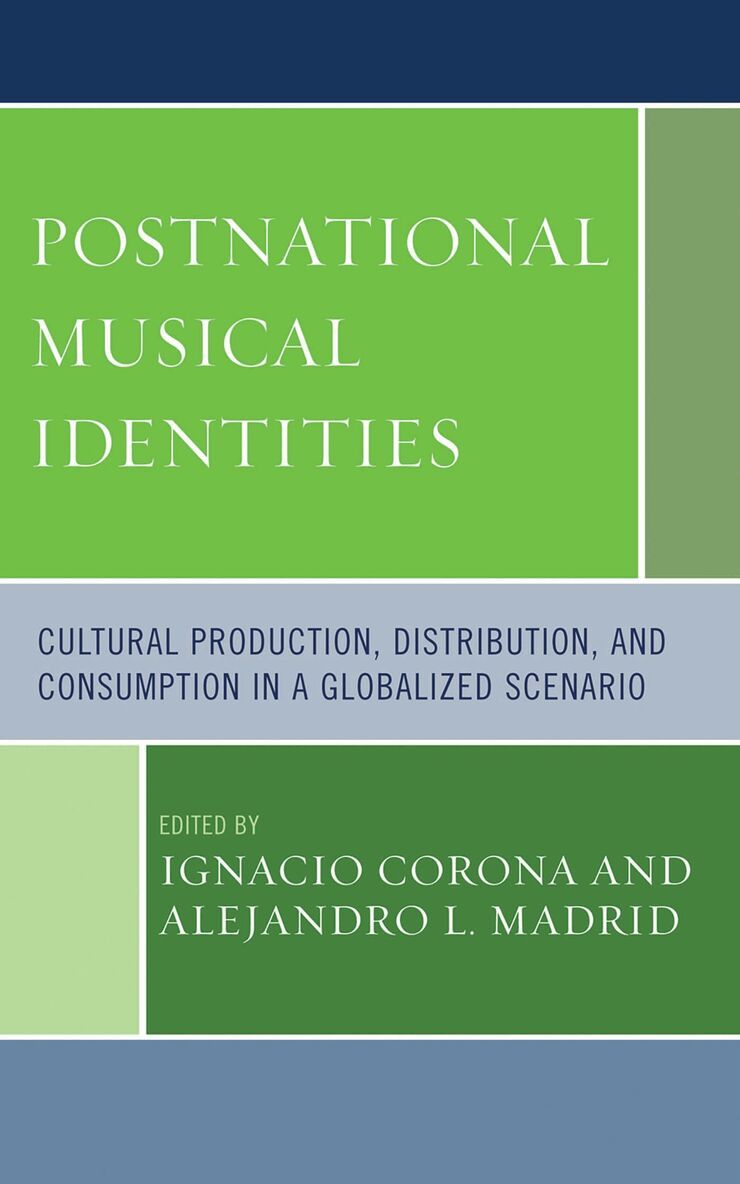
Postnational Musical Identities gathers interdisciplinary essays that explore how music audiences and markets are imagined in a globalized scenario, how music reflects and reflects upon new understandings of citizenship beyond the nation-state, and how music works as a site of resistance against globalization. "Hybridity," "postnationalism," "transnationalism," "globalization," "diaspora," and similar buzzwords have not only informed scholarly discourse and analysis of music but also shaped the way musical productions have been marketed worldwide in recent times. While the construction of identities occupies a central position in this context, there are discrepancies between the conceptualization of music as an extremely fluid phenomenon and the traditionally monovalent notion of identity to which it has historically been incorporated. As such, music has always been linked to the construction of regional and national identities. The essays in this collection seek to explore the role of music, networks of music distribution, music markets, music consumption, music production, and music scholarship in the articulation of postnational sites of identification.
Postnational Musical Identities
Cultural Production, Distribution, and Consumption in a Globalized Scenario
Häftad, Engelska, 2010
675 kr
Skickas inom 10-15 vardagar
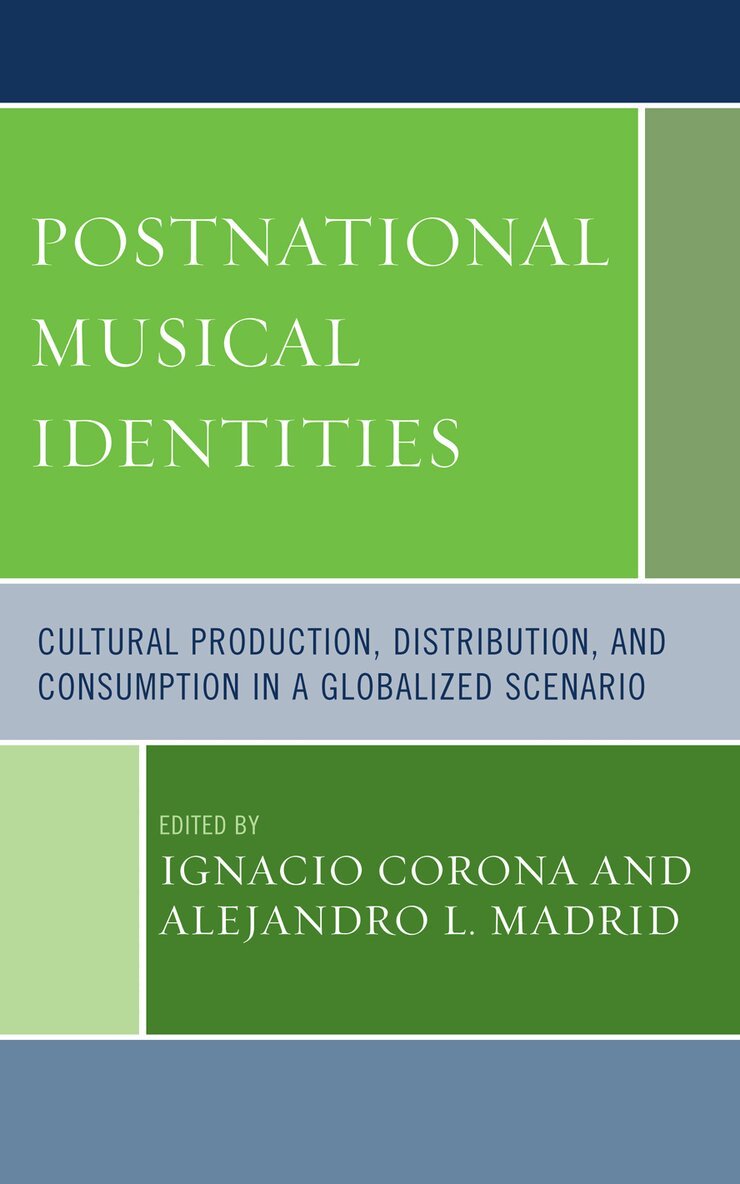
Postnational Musical Identities gathers interdisciplinary essays that explore how music audiences and markets are imagined in a globalized scenario, how music reflects and reflects upon new understandings of citizenship beyond the nation-state, and how music works as a site of resistance against globalization. "Hybridity," "postnationalism," "transnationalism," "globalization," "diaspora," and similar buzzwords have not only informed scholarly discourse and analysis of music but also shaped the way musical productions have been marketed worldwide in recent times. While the construction of identities occupies a central position in this context, there are discrepancies between the conceptualization of music as an extremely fluid phenomenon and the traditionally monovalent notion of identity to which it has historically been incorporated. As such, music has always been linked to the construction of regional and national identities. The essays in this collection seek to explore the role of music, networks of music distribution, music markets, music consumption, music production, and music scholarship in the articulation of postnational sites of identification.
1 509 kr
Skickas inom 7-10 vardagar
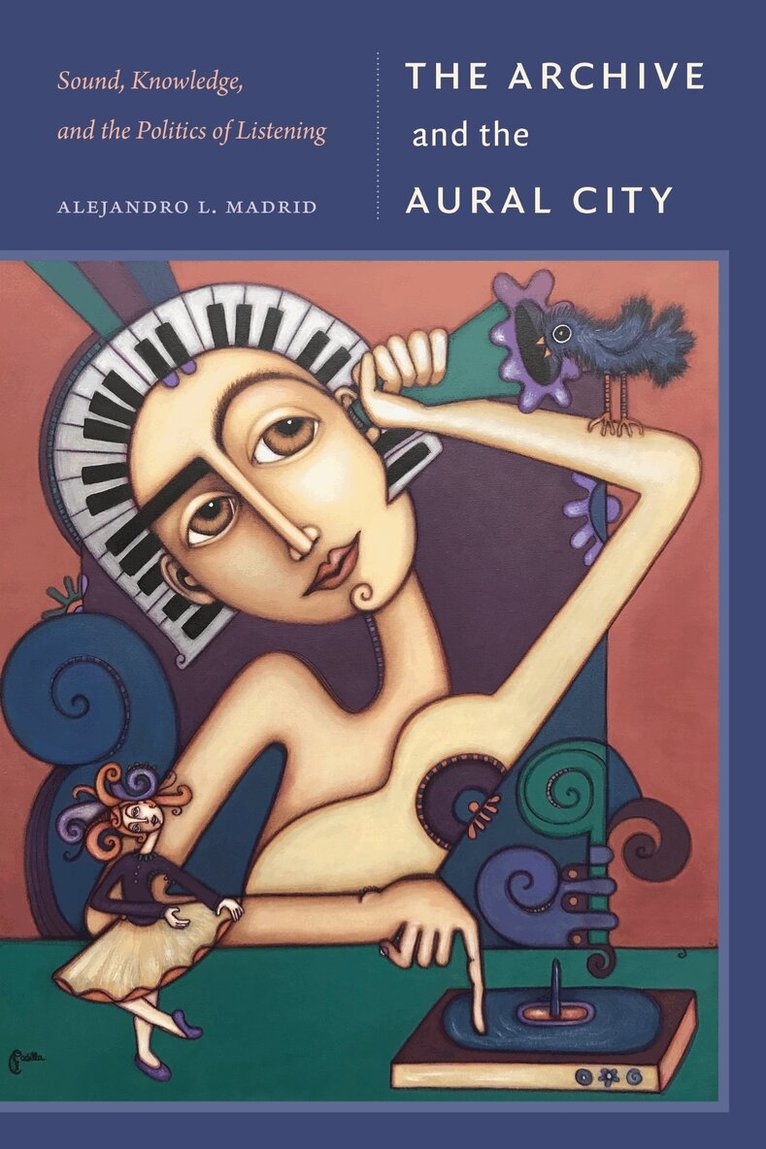
In The Archive and the Aural City, Alejandro L. Madrid examines the possibilities for retrieving sounds from the archive that were not meant to be heard. Drawing on Ángel Rama’s notion of the Lettered City, Madrid proposes a notion of the Aural City - a Latin American urban intellectual elite for whom sound and listening are central to the creation, recreation, and circulation of new types of knowledge. While many of these elites carry forward a nationalistic agenda, Madrid contends that the Aural City’s archives and the ways they are listened to and conceived through sound and music can also help dismantle dominant frameworks of national or colonial culture and build more inclusive spaces for intellectual exchange and political mobilization. From national archives in Latin America and colonial institutions abroad to sound exhibits, instruments, and internet-based archival projects, Madrid demonstrates how the development of urban spaces are understood through sound. In this way, he expands understandings of the archive’s social and sonic power.
359 kr
Skickas inom 7-10 vardagar
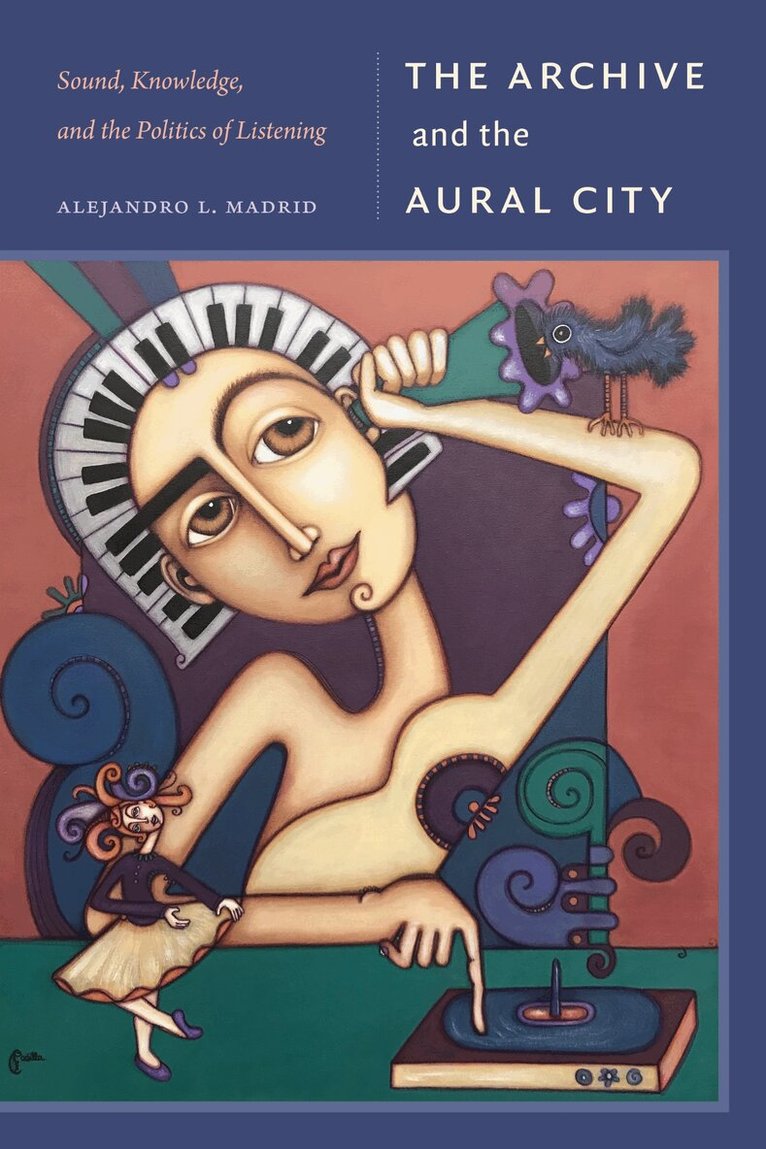
In The Archive and the Aural City, Alejandro L. Madrid examines the possibilities for retrieving sounds from the archive that were not meant to be heard. Drawing on Ángel Rama’s notion of the Lettered City, Madrid proposes a notion of the Aural City - a Latin American urban intellectual elite for whom sound and listening are central to the creation, recreation, and circulation of new types of knowledge. While many of these elites carry forward a nationalistic agenda, Madrid contends that the Aural City’s archives and the ways they are listened to and conceived through sound and music can also help dismantle dominant frameworks of national or colonial culture and build more inclusive spaces for intellectual exchange and political mobilization. From national archives in Latin America and colonial institutions abroad to sound exhibits, instruments, and internet-based archival projects, Madrid demonstrates how the development of urban spaces are understood through sound. In this way, he expands understandings of the archive’s social and sonic power.
254 kr
Skickas inom 5-8 vardagar