A devastating novel about the attrocities of WWII, and the unspeakable things people did to survive, by one of Yugoslavia's great literary voices.The Book of Blam, The Use of Man, Kapo: In these three unsparing novels the Yugoslav author Aleksandar Tišma anatomized the plight of those who survived the Second World War and the death camps, only to live on in a death-haunted world. Blam simply lucked out—and can hardly face himself in the mirror. By contrast, the teenage friends in The Use of Man are condemned to live on and on while enduring every affliction. Kapo is about Lamian, who made it through Auschwitz by serving his German masters, knowing that at any moment and for any reason his “special status” might be revoked.But the war is over now. Auschwitz is in the past. Lamian has settled down in the Bosnian town of Banja Luka, where he has a respectable job as a superintendent in the railyard. Everything is normal enough. Then one day in the paper he comes on the name of Helena Lifka, a woman—like him a Yugoslav and a Jew—he raped in the camp. Not long after he sees her, aged and ungainly, Lamian is flooded with guilt and terror.Kapo, like Tišma’s other great novels, is not simply a document or an act of witness. Tišma’s terrible gift is to see with an artist’s dispassionate clarity how fear, violence, guilt, and desire—whether for life, love, or simple understanding—are inextricably knotted together in the human breast.
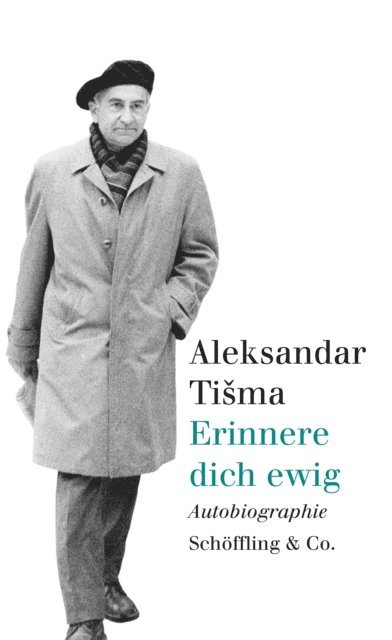
"Er war der Chronist der Vielvölkerstadt Novi Sad, in der er fast sein ganzes Leben verbrachte, und ein großer europäischer Schriftsteller. In seinen Romanen und Erzählungen erforscht Aleksandar Tišma die menschliche Existenz in ihrer ganzen Tiefe, zeigt die Abgründe der Gewalt und den Irrsinn der Liebe. "Erinnere dich ewig" erzählt von Aleksandar Tišmas eigenem Leben. Davon, wie er, 1924 als Sohn einer ungarischen Jüdin und eines serbischen Kaufmanns geboren, von Beginn an zwischen den Sprachen, Religionen, Kulturen wandelte. Davon, wie seine Jugend in den Wirren des Krieges versank, vom kommunistischen Regime unter Tito und dem Gefühl, in Jugoslawien eingesperrt zu sein. Tišma zeichnet sein Ringen um einen eigenen schriftstellerischen Ausdruck nach, berichtet von schicksalsreichen Bekanntschaften und mit großer Zärtlichkeit von seiner Beziehung zu seiner sterbenden Mutter. "Erinnere dich ewig" ist das eindrückliche Porträt eines Schriftstellers - und durchmisst zugleich das kurze 20. Jahrhundert, das die Welt so radikal verändert hat. Die erstmals ins Deutsche übersetzte Autobiographie beschließt ein Nachwort von Ilma Rakusa."
A devastating novel about the attrocities of WWII, and the unspeakable things people did to survive, by one of Yugoslavia's great literary voices.The Book of Blam, The Use of Man, Kapo: In these three unsparing novels the Yugoslav author Aleksandar Tišma anatomized the plight of those who survived the Second World War and the death camps, only to live on in a death-haunted world. Blam simply lucked out—and can hardly face himself in the mirror. By contrast, the teenage friends in The Use of Man are condemned to live on and on while enduring every affliction. Kapo is about Lamian, who made it through Auschwitz by serving his German masters, knowing that at any moment and for any reason his “special status” might be revoked.But the war is over now. Auschwitz is in the past. Lamian has settled down in the Bosnian town of Banja Luka, where he has a respectable job as a superintendent in the railyard. Everything is normal enough. Then one day in the paper he comes on the name of Helena Lifka, a woman—like him a Yugoslav and a Jew—he raped in the camp. Not long after he sees her, aged and ungainly, Lamian is flooded with guilt and terror.Kapo, like Tišma’s other great novels, is not simply a document or an act of witness. Tišma’s terrible gift is to see with an artist’s dispassionate clarity how fear, violence, guilt, and desire—whether for life, love, or simple understanding—are inextricably knotted together in the human breast.
"Er war der Chronist der Vielvölkerstadt Novi Sad, in der er fast sein ganzes Leben verbrachte, und ein großer europäischer Schriftsteller. In seinen Romanen und Erzählungen erforscht Aleksandar Tišma die menschliche Existenz in ihrer ganzen Tiefe, zeigt die Abgründe der Gewalt und den Irrsinn der Liebe. "Erinnere dich ewig" erzählt von Aleksandar Tišmas eigenem Leben. Davon, wie er, 1924 als Sohn einer ungarischen Jüdin und eines serbischen Kaufmanns geboren, von Beginn an zwischen den Sprachen, Religionen, Kulturen wandelte. Davon, wie seine Jugend in den Wirren des Krieges versank, vom kommunistischen Regime unter Tito und dem Gefühl, in Jugoslawien eingesperrt zu sein. Tišma zeichnet sein Ringen um einen eigenen schriftstellerischen Ausdruck nach, berichtet von schicksalsreichen Bekanntschaften und mit großer Zärtlichkeit von seiner Beziehung zu seiner sterbenden Mutter. "Erinnere dich ewig" ist das eindrückliche Porträt eines Schriftstellers - und durchmisst zugleich das kurze 20. Jahrhundert, das die Welt so radikal verändert hat. Die erstmals ins Deutsche übersetzte Autobiographie beschließt ein Nachwort von Ilma Rakusa."