Aleksander Pluskowski – författare
Visar alla böcker från författaren Aleksander Pluskowski. Handla med fri frakt och snabb leverans.
13 produkter
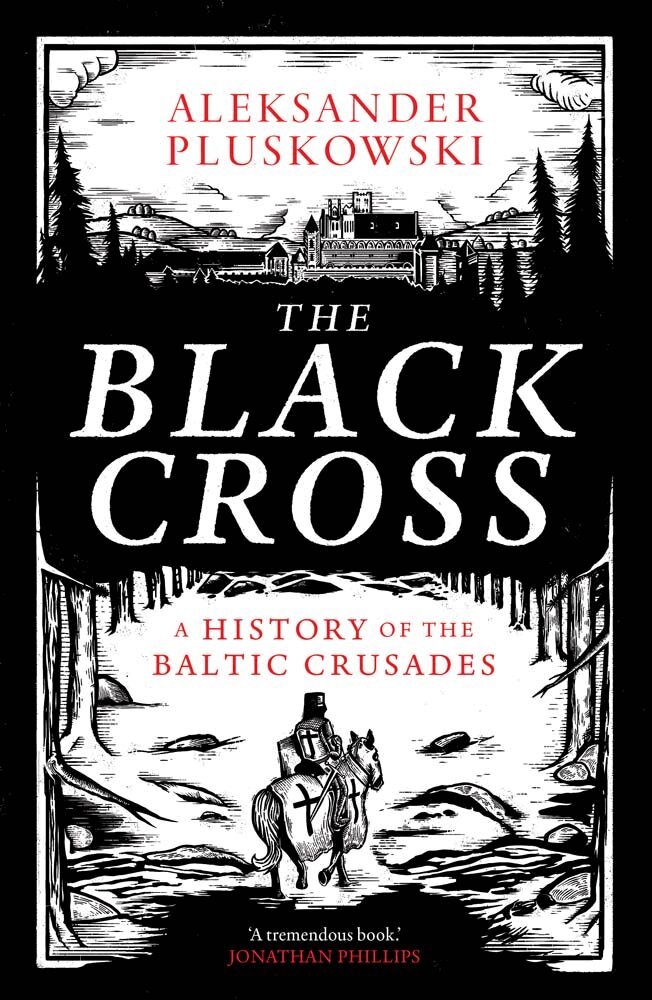
Black Cross
A History of the Baltic Crusades
Inbunden, 2026
311 kr
Lägg i varukorg
A wide-ranging new history of the Baltic Crusades and their legacyBetween the twelfth and fifteenth centuries, crusading armies unleashed a relentless holy war against the last pagan societies in northern Europe, particularly in the Baltic Sea region. Led by Catholic rulers, churchmen, and, most …
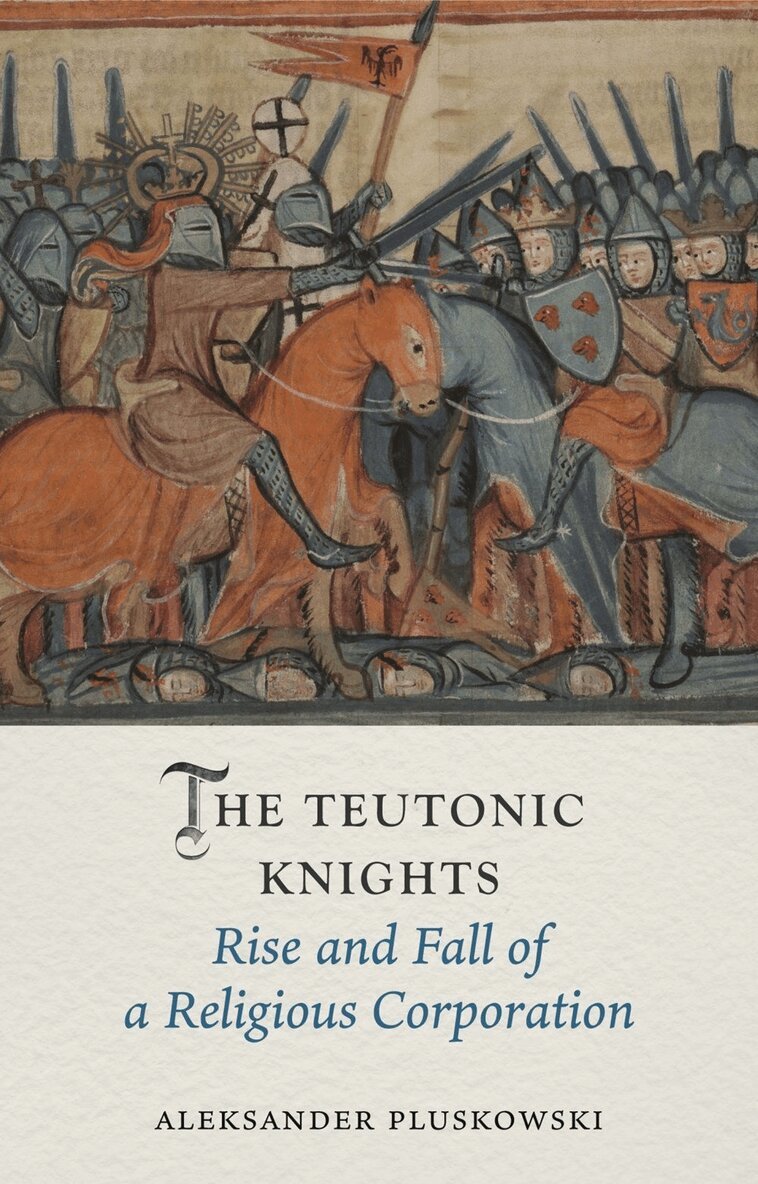
Teutonic Knights
Rise and Fall of a Religious Corporation
Häftad, 2024
225 kr
Lägg i varukorg
This book provides a concise and incisive introduction to the Teutonic Knights, or Teutonic Order, the last of the great military orders established in the twelfth century. Evolving into a powerful religious institution, the Knights left a profound and enduring legacy. Aleksander Pluskowski traces …
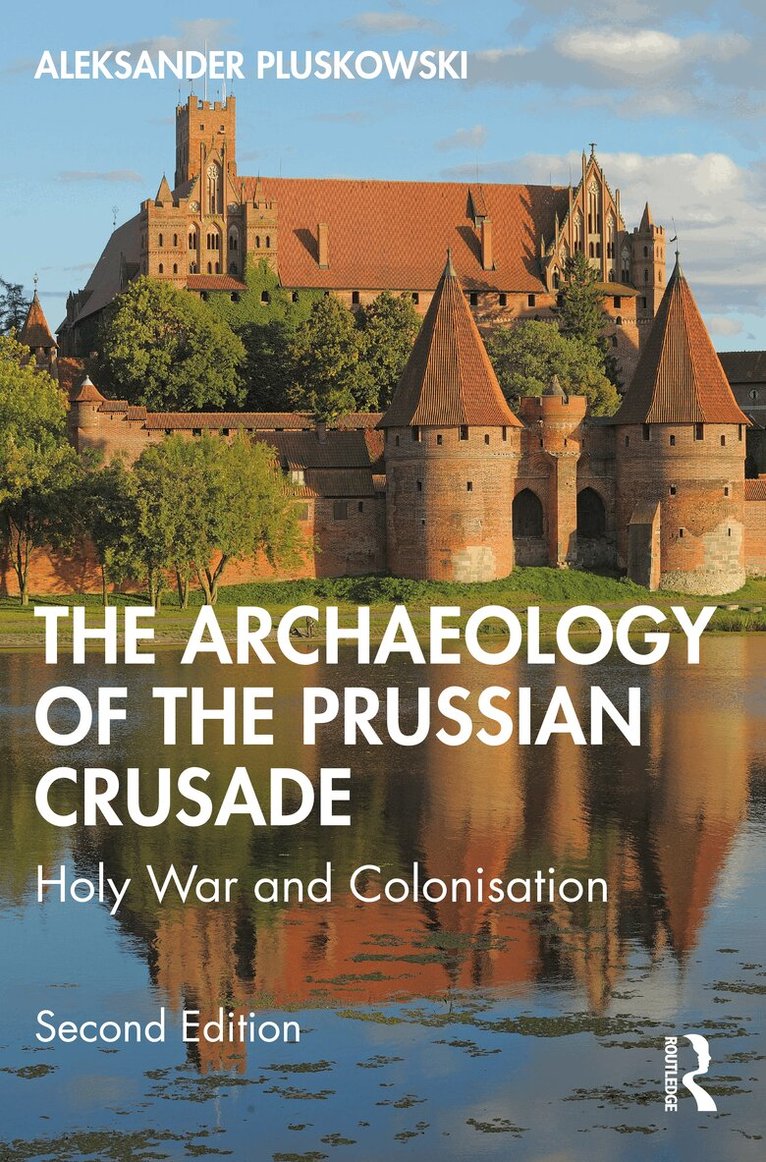
Archaeology of the Prussian Crusade
Holy War and Colonisation
Häftad, 2022
633 kr
Lägg i varukorg
The Archaeology of the Prussian Crusade explores the archaeology and material culture of the crusades against the Prussian tribes in the 13th century, and the resulting society created by the Teutonic Order which endured into the 16th century.It provides an updated synthesis of the material culture …
Archaeology of the Prussian Crusade
Holy War and Colonisation
E-bok, 2022
750 kr
Lägg i varukorg
The Archaeology of the Prussian Crusade explores the archaeology and material culture of the crusades against the Prussian tribes in the 13th century, and the resulting society created by the Teutonic Order which endured into the 16th century. It provides an updated synthesis of the material …
Archaeology of the Prussian Crusade
Holy War and Colonisation
E-bok, 2022
767 kr
Lägg i varukorg
The Archaeology of the Prussian Crusade explores the archaeology and material culture of the crusades against the Prussian tribes in the 13th century, and the resulting society created by the Teutonic Order which endured into the 16th century. It provides an updated synthesis of the material …
Archaeology of the Prussian Crusade
Holy War and Colonisation
Inbunden, 2022
2512 kr
Lägg i varukorg
The Archaeology of the Prussian Crusade explores the archaeology and material culture of the crusades against the Prussian tribes in the 13th century, and the resulting society created by the Teutonic Order which endured into the 16th century.It provides an updated synthesis of the material culture …
Breaking and Shaping Beastly Bodies
Animals as Material Culture in the Middle Ages
E-bok, 2021
127 kr
Lägg i varukorg
An important human trait is our inclination to develop complex relationships with numerous other species. In the great majority of cases however, these mutualistic relationships involve a pair of species, whose co-evolution has been achieved through behavioral adaptation driving positive selection …
Just Skin and Bones New Perspectives on Human-Animal Relations in the Historical Past
Häftad, 2005
434 kr
Lägg i varukorg
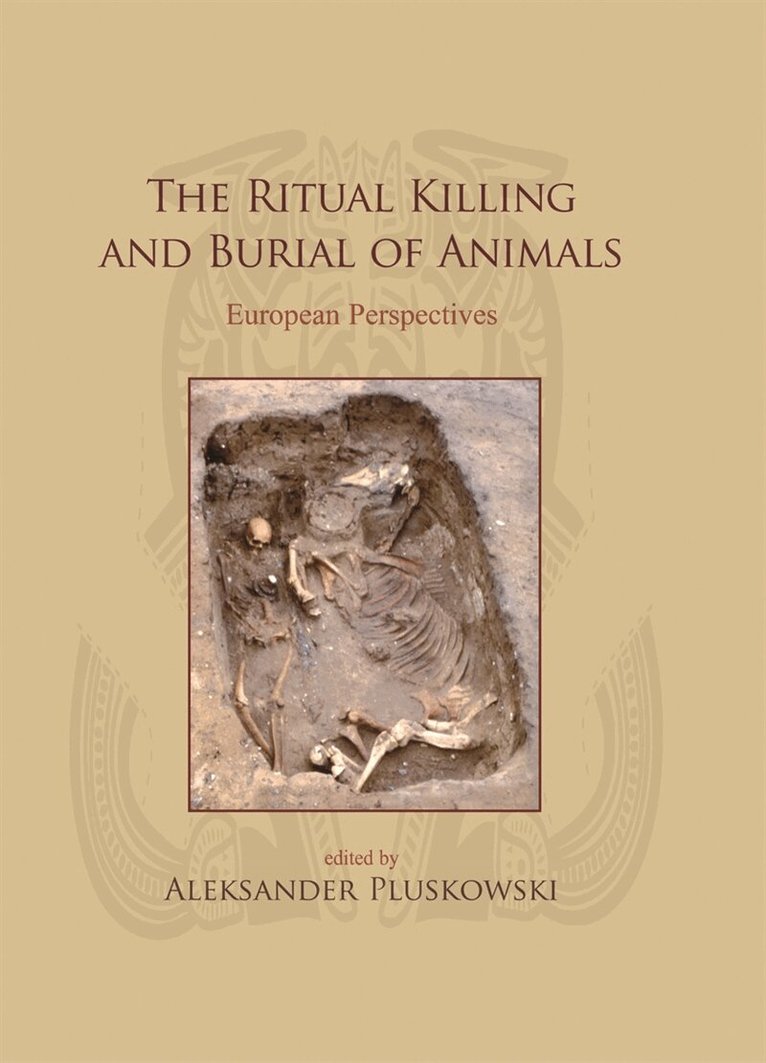
The Ritual Killing and Burial of Animals
European Perspectives
E-bok, 2021
127 kr
Lägg i varukorg
The killing and burial of animals in ritualistic contexts is encountered across Europe from Prehistory through to the historical period. This volume presents the state of research across Europe to illustrate how comparable interpretative frameworks are used by archaeologists working with both …
Wolves and the Wilderness in the Middle Ages
Inbunden, 2006
1279 kr
Lägg i varukorg
The complex attitude to the wolf in the Middle Ages re-evaluated, bringing together historical and other evidence.The wolf, a common metaphor for vice in medieval Christian literature, is today an iconic symbol of the intense fear and insecurity that some associate with the middle ages. In reality, …
Environment, Colonisation, and the Baltic Crusader States
Terra Sacra I
Häftad, 2019
1904 kr
Lägg i varukorg
Ecologies of Crusading, Colonization, and Religious Conversion in the Medieval Baltic
Terra Sacra II
Häftad, 2019
1710 kr
Lägg i varukorg
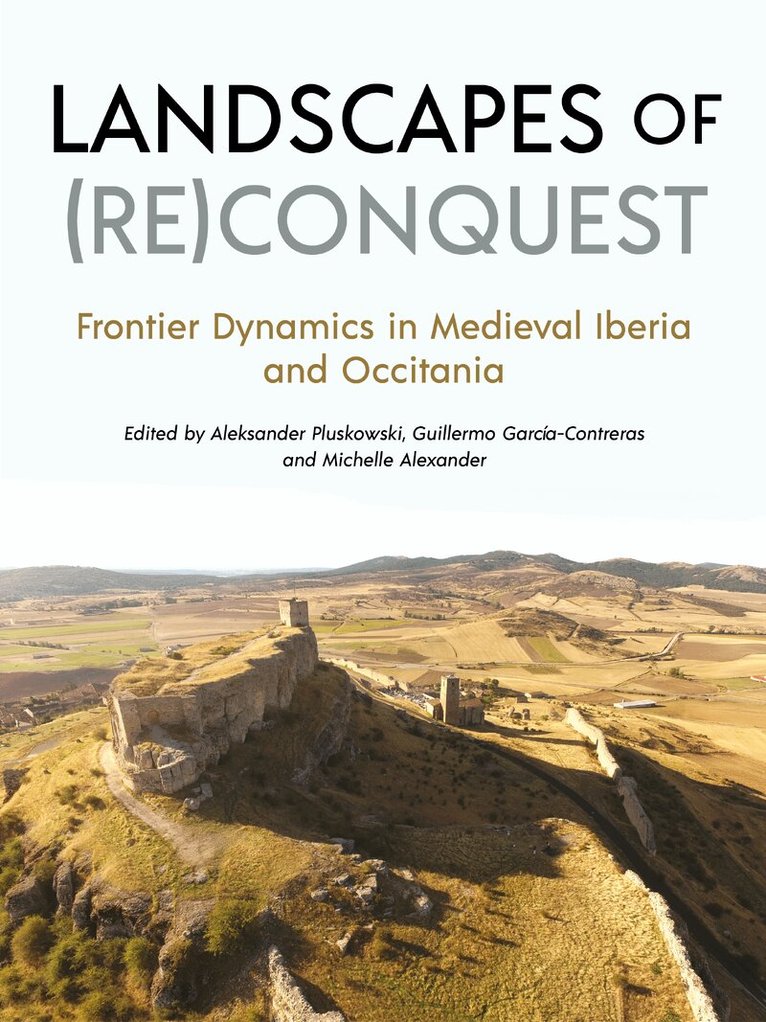
Landscapes of (Re)Conquest
Frontier Dynamics in Medieval Iberia and Occitania
Av Aleksander Pluskowski, Guillermo García-Contreras m. fl.
Inbunden, 2025
1208 kr
Lägg i varukorg
Frontiers were an integral feature of every medieval polity, and their spaces were defined by opposing spheres of influence, contact and connectivity. As these polities expanded and contracted, often as a result of military conquest and territorial annexation, their permeable edges became defined …