Aleksandra Komornicka – författare
Visar alla böcker från författaren . Handla med fri frakt och snabb leverans.
7 produkter
7 produkter
E-bok
PDF, Engelska, 2023762 kr
Läs direkt efter köp
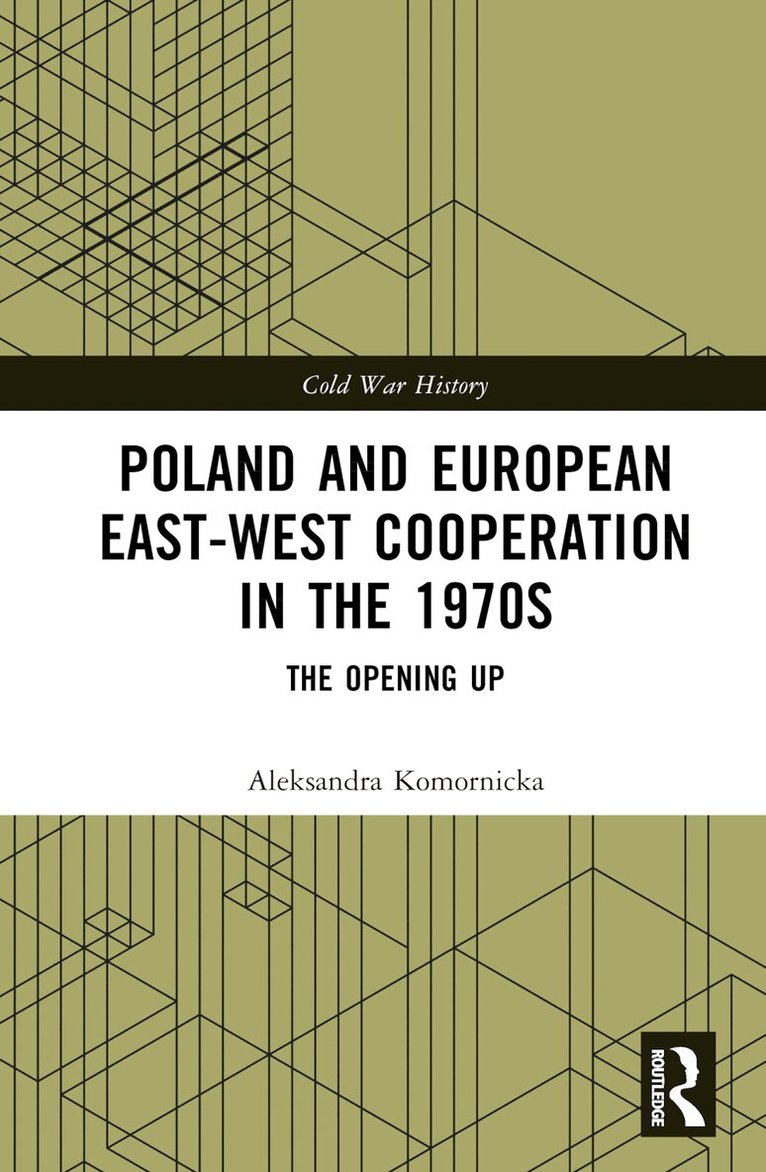
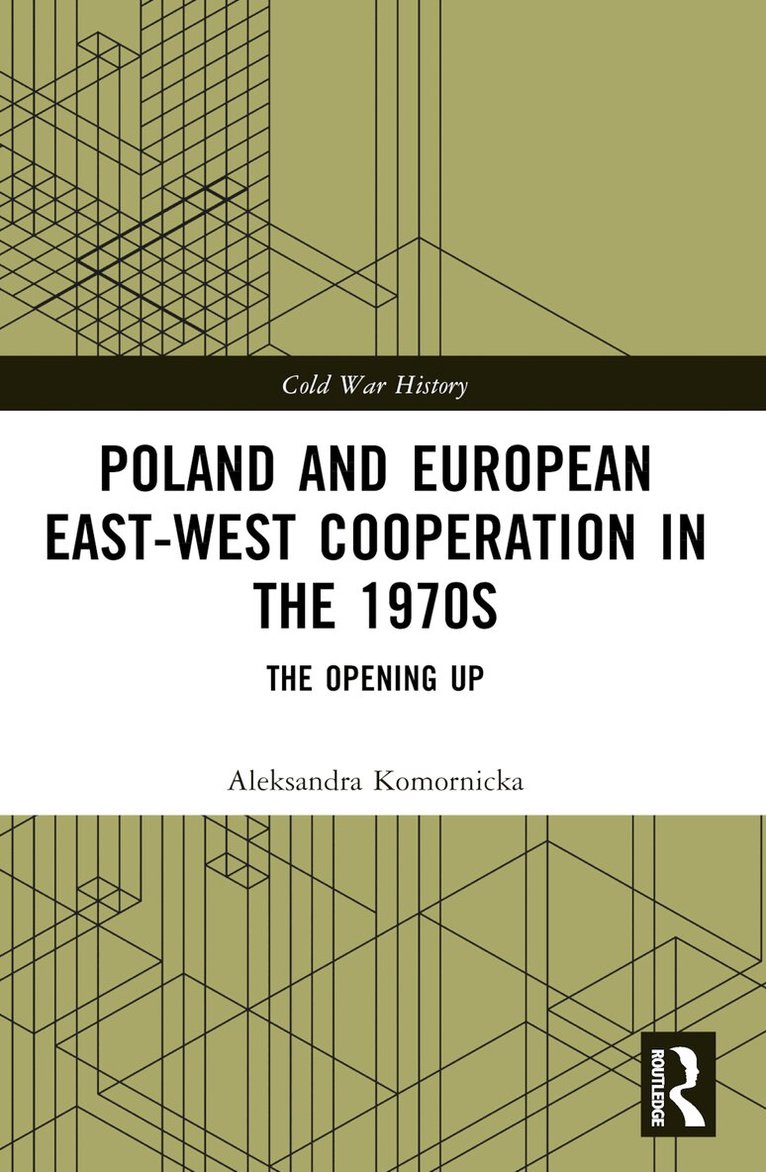
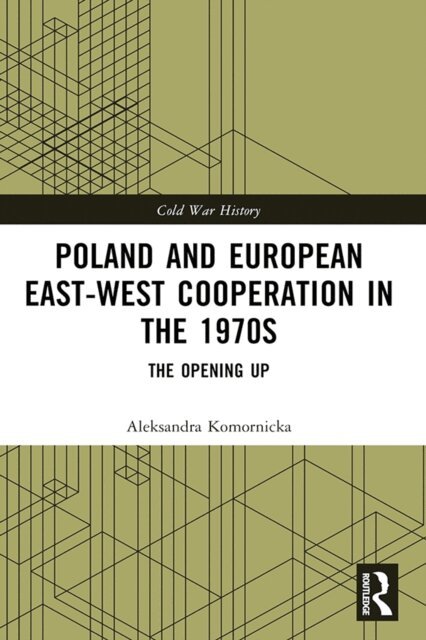
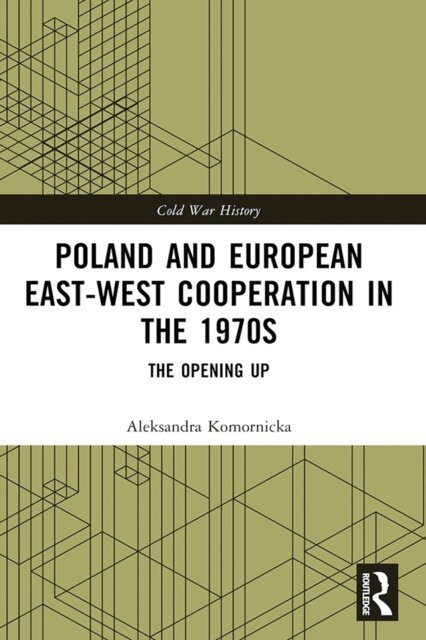
This book offers an international reading of the Polish socialist regime's history in the 1970s, and its opening up to the West.It bridges Poland's socialist domestic history with critical developments of the global and European 1970s, including detente in the Cold War, western European integration, and globalisation. In this period of international transformations, socialist Poland under Edward Gierek's leadership multiplied its economic and political contacts with capitalist countries, especially western Europe, and became a leader of East-West cooperation among Council for Mutual Economic Assistance and Warsaw Pact members. Relying on sources from public and corporate archives in five different European states, the book demonstrates both that the global political and economic transformations of that period were critical for the decision-making process in Poland and, moreover, that the national socialist elites participated in shaping these transformations. By looking at the goals and expectations of the Polish socialist elites and their practices of political and economic exchanges with western Europe, the book explains the logic which drove the socialist regime into entanglement with the West. As is shown here, this entanglement proved inextricable and critical for the socialist regime's failure and Poland's political and economic future.This book will be of much interest to students of European history, cold war studies, socialism studies and International Relations.
E-bok
Engelska, 2023762 kr
Läs direkt efter köp
This book offers an international reading of the Polish socialist regimes history in the 1970s, and its opening up to the West.It bridges Polands socialist domestic history with critical developments of the global and European 1970s, including dA(c)tente in the Cold War, western European integration, and globalisation. In this period of international transformations, socialist Poland under Edward Gierek's leadership multiplied its economic and political contacts with capitalist countries, especially western Europe, and became a leader of East-West cooperation among Council for Mutual Economic Assistance and Warsaw Pact members. Relying on sources from public and corporate archives in five different European states, the book demonstrates both that the global political and economic transformations of that period were critical for the decision-making process in Poland and, moreover, that the national socialist elites participated in shaping these transformations. By looking at the goals and expectations of the Polish socialist elites and their practices of political and economic exchanges with western Europe, the book explains the logic which drove the socialist regime into entanglement with the West. As is shown here, this entanglement proved inextricable and critical for the socialist regime's failure and Polands political and economic future.This book will be of much interest to students of European history, cold war studies, socialism studies and International Relations.
Inbunden, Engelska, 2023
2 506 kr
Skickas inom 10-15 vardagar
This book offers an international reading of the Polish socialist regime’s history in the 1970s, and its opening up to the West.It bridges Poland’s socialist domestic history with critical developments of the global and European 1970s, including détente in the Cold War, western European integration, and globalisation. In this period of international transformations, socialist Poland under Edward Gierek's leadership multiplied its economic and political contacts with capitalist countries, especially western Europe, and became a leader of East-West cooperation among Council for Mutual Economic Assistance and Warsaw Pact members. Relying on sources from public and corporate archives in five different European states, the book demonstrates both that the global political and economic transformations of that period were critical for the decision-making process in Poland and, moreover, that the national socialist elites participated in shaping these transformations. By looking at the goals and expectations of the Polish socialist elites and their practices of political and economic exchanges with western Europe, the book explains the logic which drove the socialist regime into entanglement with the West. As is shown here, this entanglement proved inextricable and critical for the socialist regime's failure and Poland’s political and economic future.This book will be of much interest to students of European history, cold war studies, socialism studies and International Relations.
Häftad, Engelska, 2024
646 kr
Skickas inom 10-15 vardagar
This book offers an international reading of the Polish socialist regime’s history in the 1970s, and its opening up to the West.It bridges Poland’s socialist domestic history with critical developments of the global and European 1970s, including détente in the Cold War, western European integration, and globalisation. In this period of international transformations, socialist Poland under Edward Gierek's leadership multiplied its economic and political contacts with capitalist countries, especially western Europe, and became a leader of East-West cooperation among Council for Mutual Economic Assistance and Warsaw Pact members. Relying on sources from public and corporate archives in five different European states, the book demonstrates both that the global political and economic transformations of that period were critical for the decision-making process in Poland and, moreover, that the national socialist elites participated in shaping these transformations. By looking at the goals and expectations of the Polish socialist elites and their practices of political and economic exchanges with western Europe, the book explains the logic which drove the socialist regime into entanglement with the West. As is shown here, this entanglement proved inextricable and critical for the socialist regime's failure and Poland’s political and economic future.This book will be of much interest to students of European history, cold war studies, socialism studies and International Relations.
E-bok
PDF, Engelska, 2025537 kr
Läs direkt efter köp
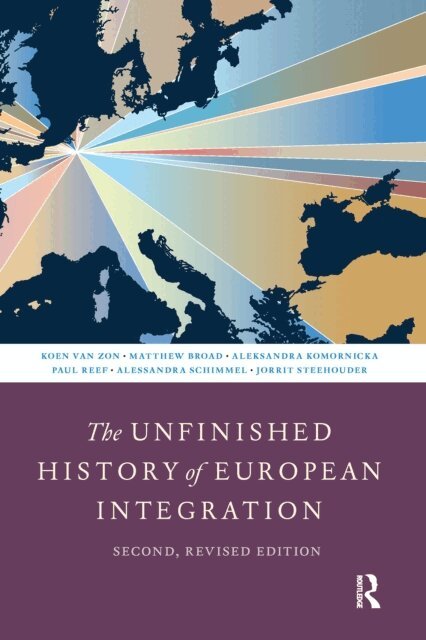
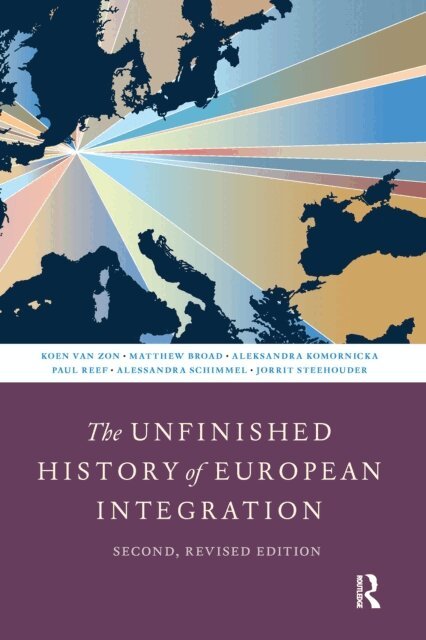
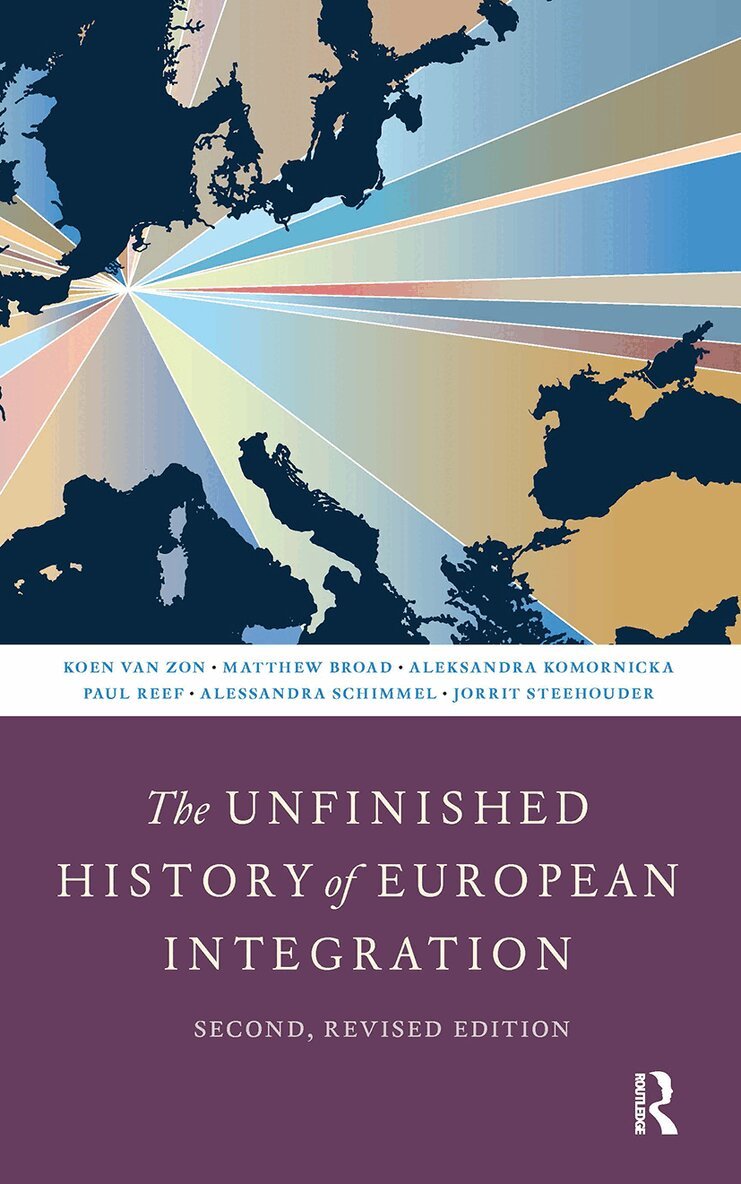
The Unfinished History of European Integration is a companion to the history of the European Union. From the aftermath of the First World War to the EU of 27 member states and Russia's invasion of Ukraine, it guides the reader past the main events, crucial sites and key actors that shaped the EU we know today. How did it evolve from a market project to a geopolitical force, what explains the expansion of its membership, institutions, policies and the resistance to this growth, and why does it function as it does? This book provides more than just a chronological account of over seventy years of European integration. It also shows how observers past and present have made sense of the EU. The Unfinished History of European Integration is therefore a unique introduction for readers with different disciplinary backgrounds to understanding the EU. If over seventy years of European integration have taught us anything, it is that fundamental crises as well as moments of rapid institutional change have been constants in its history.
E-bok
Engelska, 2025537 kr
Läs direkt efter köp
The Unfinished History of European Integration is a companion to the history of the European Union. From the aftermath of the First World War to the EU of 27 member states and Russia's invasion of Ukraine, it guides the reader past the main events, crucial sites and key actors that shaped the EU we know today. How did it evolve from a market project to a geopolitical force, what explains the expansion of its membership, institutions, policies and the resistance to this growth, and why does it function as it does? This book provides more than just a chronological account of over seventy years of European integration. It also shows how observers past and present have made sense of the EU. The Unfinished History of European Integration is therefore a unique introduction for readers with different disciplinary backgrounds to understanding the EU. If over seventy years of European integration have taught us anything, it is that fundamental crises as well as moments of rapid institutional change have been constants in its history.
Häftad, Engelska, 2024
457 kr
Skickas inom 10-15 vardagar
This is a companion to the history of the European Union and also shows how observers past and present have made sense of the EU.