Alessio Ponzio – författare
Visar alla böcker från författaren Alessio Ponzio. Handla med fri frakt och snabb leverans.
4 produkter
4 produkter
706 kr
Skickas inom 10-15 vardagar
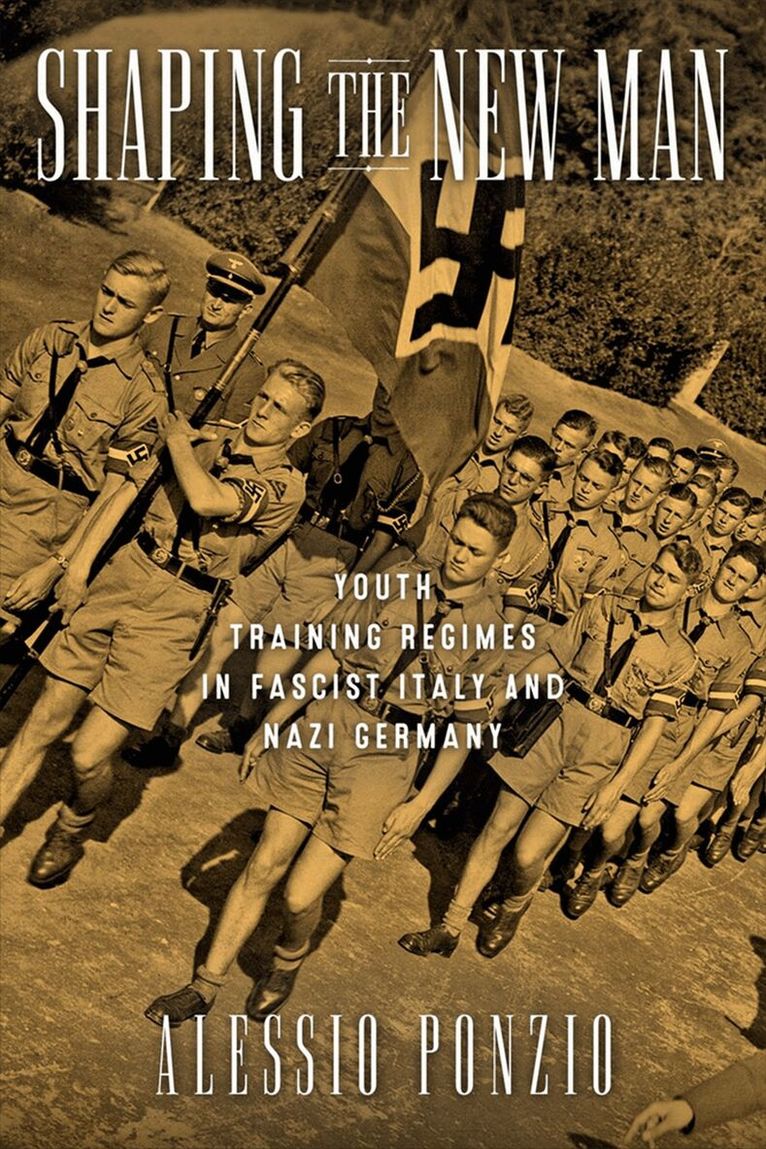
Despite their undeniable historical importance, the leaders of the Fascist and Nazi youth organizations have received little attention from historians. In Shaping the New Man, Alessio Ponzio uncovers the largely untold story of the training and education of these crucial protagonists of the Fascist and Nazi regimes, and he examines more broadly the structures, ideologies, rhetoric, and aspirations of youth organizations in Fascist Italy and Nazi Germany.Ponzio shows how the Italian Fascists’ pedagogical practices influenced the origin and evolution of the Hitler Youth. He dissects similarities and differences in the training processes of the youth leaders of the Opera Nazionale Balilla, Gioventù Italiana del Littorio, and Hitlerjugend. And, he explores the transnational institutional interactions and mutual cooperation that flourished between Mussolini’s and Hitler’s youth organizations in the 1930s and 1940s.
235 kr
Skickas inom 10-15 vardagar
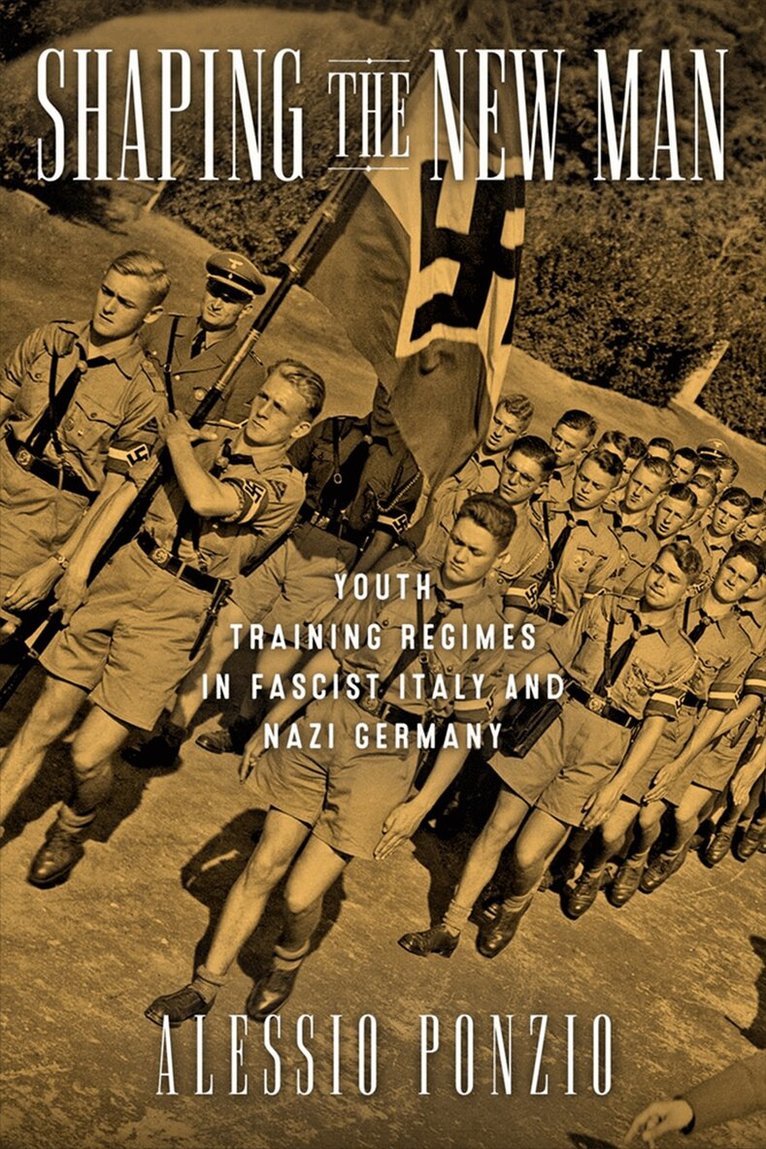
Despite their undeniable importance, the leaders of the Fascist and Nazi youth organizations have received little attention from historians. In Shaping the New Man, Alessio Ponzio uncovers the largely untold story of the training and education of these crucial protagonists of the Fascist and Nazi regimes, and he examines more broadly the structures, ideologies, rhetoric, and aspirations of youth organizations in Fascist Italy and Nazi Germany.Ponzio shows how the Italian Fascists' pedagogical practices influenced the origin and evolution of the Hitler Youth. He dissects similarities and differences in the training processes of the youth leaders of the Opera Nazionale Balilla, Gioventù Italiana del Littorio, and Hitlerjugend. And, he explores the transnational institutional interactions and mutual cooperation that flourished between Mussolini's and Hitler's youth organizations in the 1930s and 1940s.
Scandalous Practices
Homosexuality, Male Prostitution, and Sexual Citizenship in Post-Fascist Italy
Inbunden, Engelska, 2027
1 784 kr
Kommande
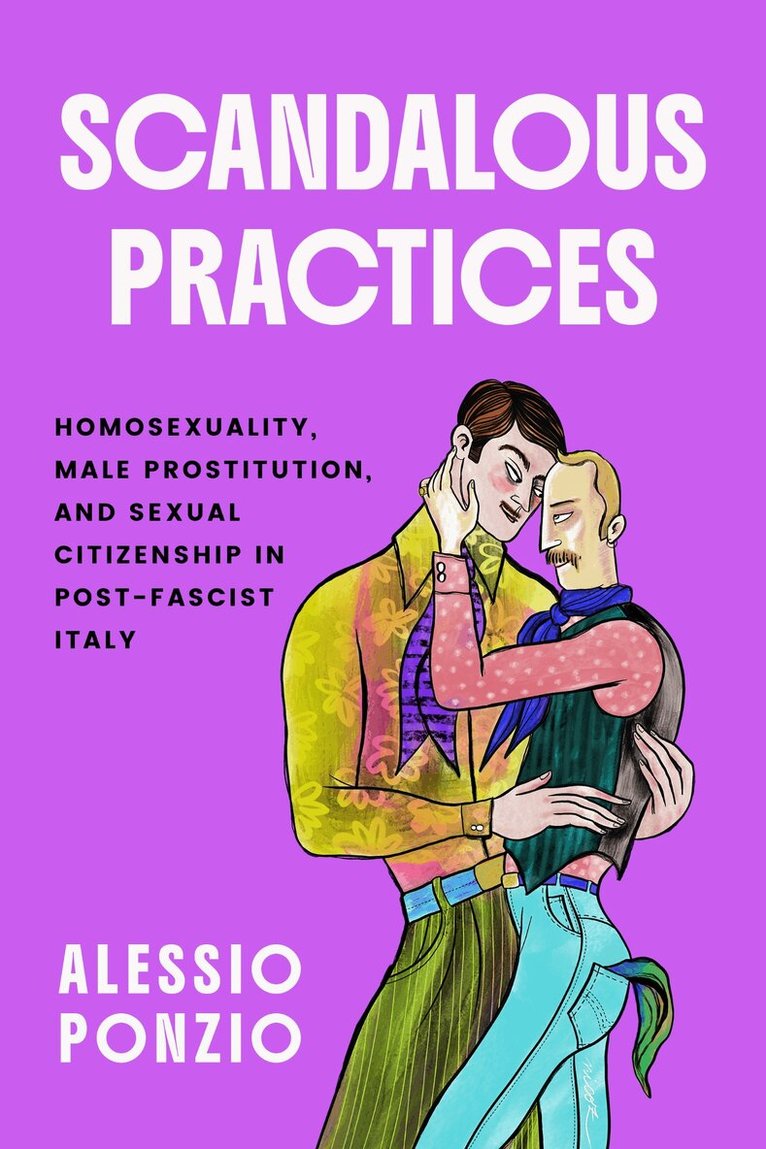
From the 1940s to the 1970s, homosexual men in Italy began to express themselves authentically after years of silence under Fascist repression. In Scandalous Practices, Alessio Ponzio deftly recounts the socio-cultural shifts that occurred for queer Italians during this period.In tabloids and other publications, journalists sensationalized same-sex male prostitution, dramatized scandalous homosexual murders, and portrayed homosexuality as devious, dangerous, and threatening to the "new" post-war masculinity. Homosexual Italians responded to this public shaming and these negative stereotypes through resistance. As part of an ongoing struggle for gender and sexual equality, they established networks and created public discussions that engendered pride, rights awareness, and a political commitment to emancipation.Ponzio meticulously details how Italy as a nation and culture dealt with emerging representation of queer sexuality through a reinvention that fomented self-understanding and self-representations. Instead of marginalizing it, the popular media unintentionally made homosexuality understandable to many who did not know what it was or could not make sense of their own desires. Scandalous Practices illustrates how this new sexual knowledge spread publicly across social classes and fostered the development of positive queer identities and communities.In the series Sexuality Studies
Scandalous Practices
Homosexuality, Male Prostitution, and Sexual Citizenship in Post-Fascist Italy
Häftad, Engelska, 2027
549 kr
Kommande
From the 1940s to the 1970s, homosexual men in Italy began to express themselves authentically after years of silence under Fascist repression. In Scandalous Practices, Alessio Ponzio deftly recounts the socio-cultural shifts that occurred for queer Italians during this period.In tabloids and other publications, journalists sensationalized same-sex male prostitution, dramatized scandalous homosexual murders, and portrayed homosexuality as devious, dangerous, and threatening to the "new" post-war masculinity. Homosexual Italians responded to this public shaming and these negative stereotypes through resistance. As part of an ongoing struggle for gender and sexual equality, they established networks and created public discussions that engendered pride, rights awareness, and a political commitment to emancipation.Ponzio meticulously details how Italy as a nation and culture dealt with emerging representation of queer sexuality through a reinvention that fomented self-understanding and self-representations. Instead of marginalizing it, the popular media unintentionally made homosexuality understandable to many who did not know what it was or could not make sense of their own desires. Scandalous Practices illustrates how this new sexual knowledge spread publicly across social classes and fostered the development of positive queer identities and communities.In the series Sexuality Studies