Alex Chase-Levenson – författare
Visar alla böcker från författaren . Handla med fri frakt och snabb leverans.
6 produkter
6 produkter
Häftad, Engelska, 2026
649 kr
Kommande
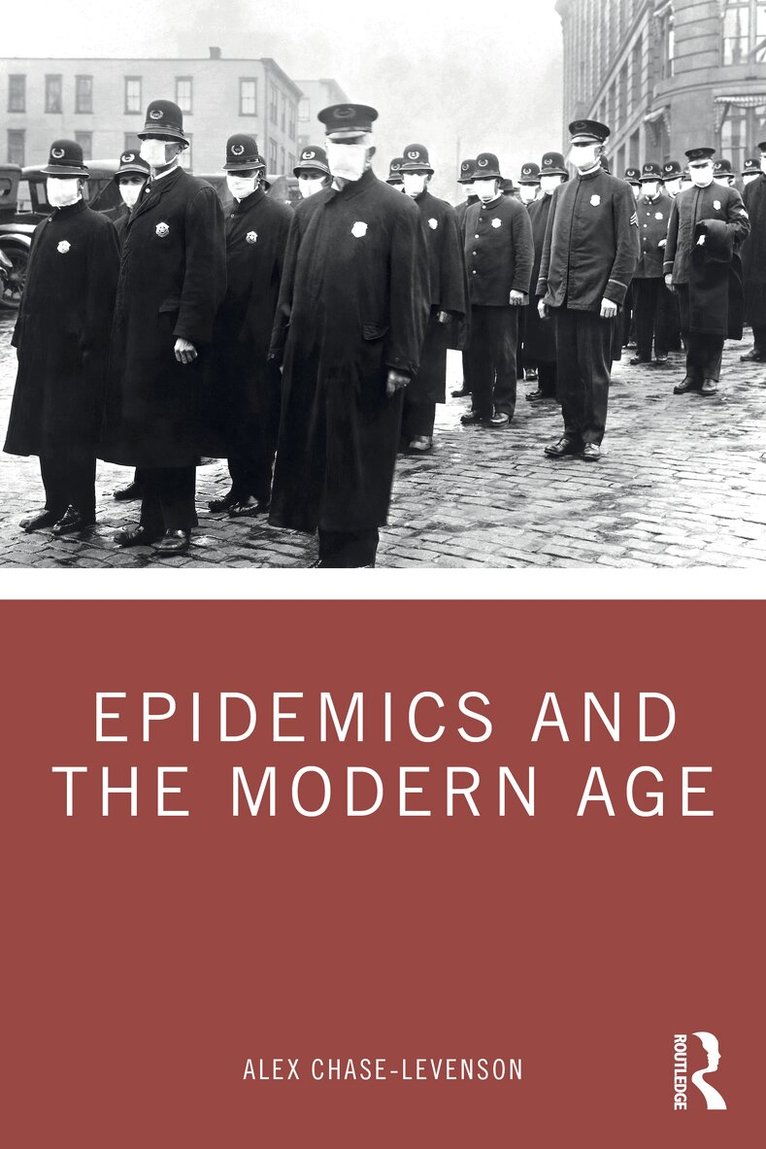
Epidemics and the Modern Age focuses on the history of disease and its social significance in a global setting, from the Age of Revolutions to the Covid Pandemic, considering tuberculosis, cholera, the plague, “Spanish” Influenza, HIV/AIDS, and many more.Blending a history of epidemics with a history of social and cultural responses to disease, the book shows how the spread of illness can be directly linked to the phenomena we sum up with the word “modernity”: the growth of the state, racial and economic inequality, the rise of globalization, urbanization, imperialism, and total war. The book highlights how epidemic outbreaks are moments during which preexisting divisions, cultural assumptions, and bureaucratic blind spots are glaringly magnified and exacerbated. Fear of disease has often been as consequential than disease itself—the experience of living through an epidemic is not reducible to scientific advances and bacteriological details. Through case studies, evocative anecdotes, and a broad research base, this textbook considers disease outbreaks not just from the perspectives of doctors and patients, but also the viewpoints of government workers, travelers, caregivers, and artists, through the lens of culture and critical analysis.Epidemics and the Modern Age will be of interest to students of Global History, Cultural Studies, Medicine, and Public Policy Administration.
Inbunden, Engelska, 2026
2 375 kr
Kommande
Epidemics and the Modern Age focuses on the history of disease and its social significance in a global setting, from the Age of Revolutions to the Covid Pandemic, considering tuberculosis, cholera, the plague, “Spanish” Influenza, HIV/AIDS, and many more.Blending a history of epidemics with a history of social and cultural responses to disease, the book shows how the spread of illness can be directly linked to the phenomena we sum up with the word “modernity”: the growth of the state, racial and economic inequality, the rise of globalization, urbanization, imperialism, and total war. The book highlights how epidemic outbreaks are moments during which preexisting divisions, cultural assumptions, and bureaucratic blind spots are glaringly magnified and exacerbated. Fear of disease has often been as consequential than disease itself—the experience of living through an epidemic is not reducible to scientific advances and bacteriological details. Through case studies, evocative anecdotes, and a broad research base, this textbook considers disease outbreaks not just from the perspectives of doctors and patients, but also the viewpoints of government workers, travelers, caregivers, and artists, through the lens of culture and critical analysis.Epidemics and the Modern Age will be of interest to students of Global History, Cultural Studies, Medicine, and Public Policy Administration.
E-bok
Engelska, 2020440 kr
Läs direkt efter köp
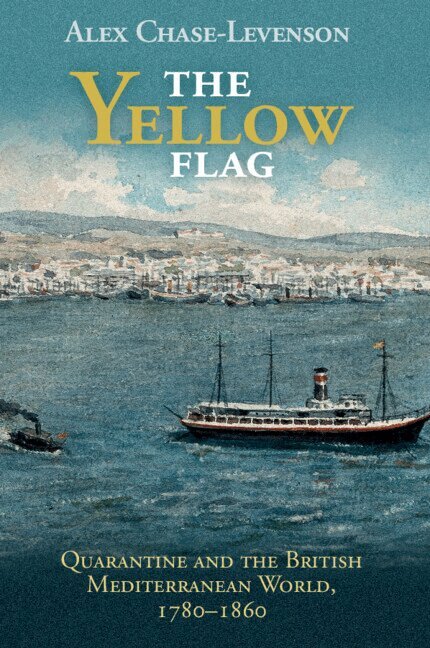
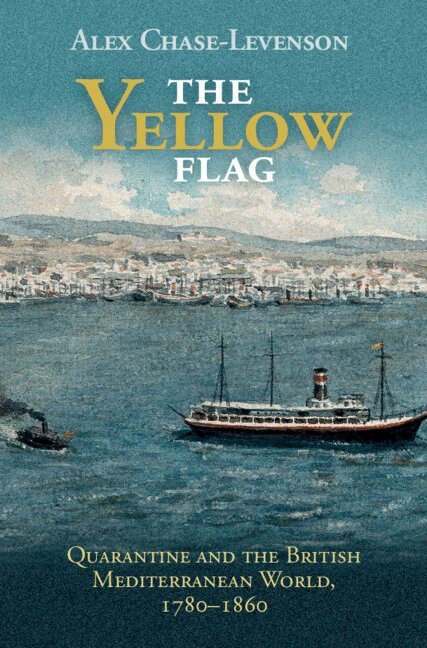
Until the middle of the nineteenth century, quarantine laws in all Western European nations mandated the detention of every inbound trader, traveller, soldier, sailor, merchant, missionary, letter, and trade good arriving from the Ottoman Empire and North Africa. Most of these quarantines occurred in large, ominous fortresses in Mediterranean port cities. Alex Chase-Levenson examines Britain''s engagement with this Mediterranean border regime from multiple angles. He explores how quarantine practice laid the foundations for the state provision of public health and constituted an early example of European integration. Situated at the intersection of political, cultural, diplomatic, and medical history, The Yellow Flag captures the texture of quarantine as an experience, its power as an administrative precedent, and its novelty as an example of a continental border built from the ground up by low-level bureaucrats.
E-bok
PDF, Engelska, 2020440 kr
Läs direkt efter köp
Until the middle of the nineteenth century, quarantine laws in all Western European nations mandated the detention of every inbound trader, traveller, soldier, sailor, merchant, missionary, letter, and trade good arriving from the Ottoman Empire and North Africa. Most of these quarantines occurred in large, ominous fortresses in Mediterranean port cities. Alex Chase-Levenson examines Britain''s engagement with this Mediterranean border regime from multiple angles. He explores how quarantine practice laid the foundations for the state provision of public health and constituted an early example of European integration. Situated at the intersection of political, cultural, diplomatic, and medical history, The Yellow Flag captures the texture of quarantine as an experience, its power as an administrative precedent, and its novelty as an example of a continental border built from the ground up by low-level bureaucrats.
Häftad, Engelska, 2022
381 kr
Skickas inom 7-10 vardagar
Until the middle of the nineteenth century, quarantine laws in all Western European nations mandated the detention of every inbound trader, traveller, soldier, sailor, merchant, missionary, letter, and trade good arriving from the Ottoman Empire and North Africa. Most of these quarantines occurred in large, ominous fortresses in Mediterranean port cities. Alex Chase-Levenson examines Britain's engagement with this Mediterranean border regime from multiple angles. He explores how quarantine practice laid the foundations for the state provision of public health and constituted an early example of European integration. Situated at the intersection of political, cultural, diplomatic, and medical history, The Yellow Flag captures the texture of quarantine as an experience, its power as an administrative precedent, and its novelty as an example of a continental border built from the ground up by low-level bureaucrats.
Inbunden, Engelska, 2020
1 268 kr
Tillfälligt slut
Until the middle of the nineteenth century, quarantine laws in all Western European nations mandated the detention of every inbound trader, traveller, soldier, sailor, merchant, missionary, letter, and trade good arriving from the Ottoman Empire and North Africa. Most of these quarantines occurred in large, ominous fortresses in Mediterranean port cities. Alex Chase-Levenson examines Britain's engagement with this Mediterranean border regime from multiple angles. He explores how quarantine practice laid the foundations for the state provision of public health and constituted an early example of European integration. Situated at the intersection of political, cultural, diplomatic, and medical history, The Yellow Flag captures the texture of quarantine as an experience, its power as an administrative precedent, and its novelty as an example of a continental border built from the ground up by low-level bureaucrats.