Alex Schoeman – författare
Visar alla böcker från författaren Alex Schoeman. Handla med fri frakt och snabb leverans.
5 produkter
5 produkter
Häftad, Engelska, 2016
491 kr
Skickas inom 5-8 vardagar
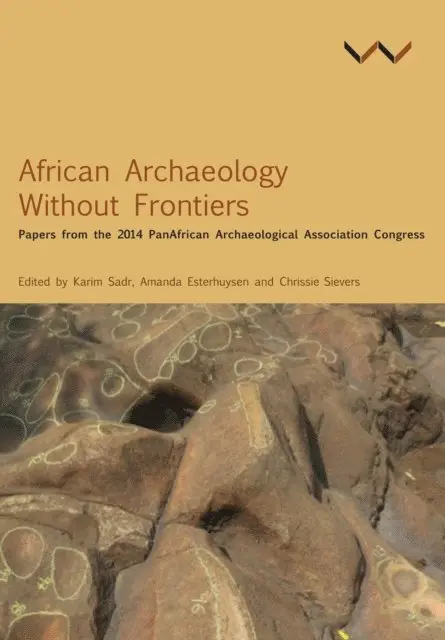
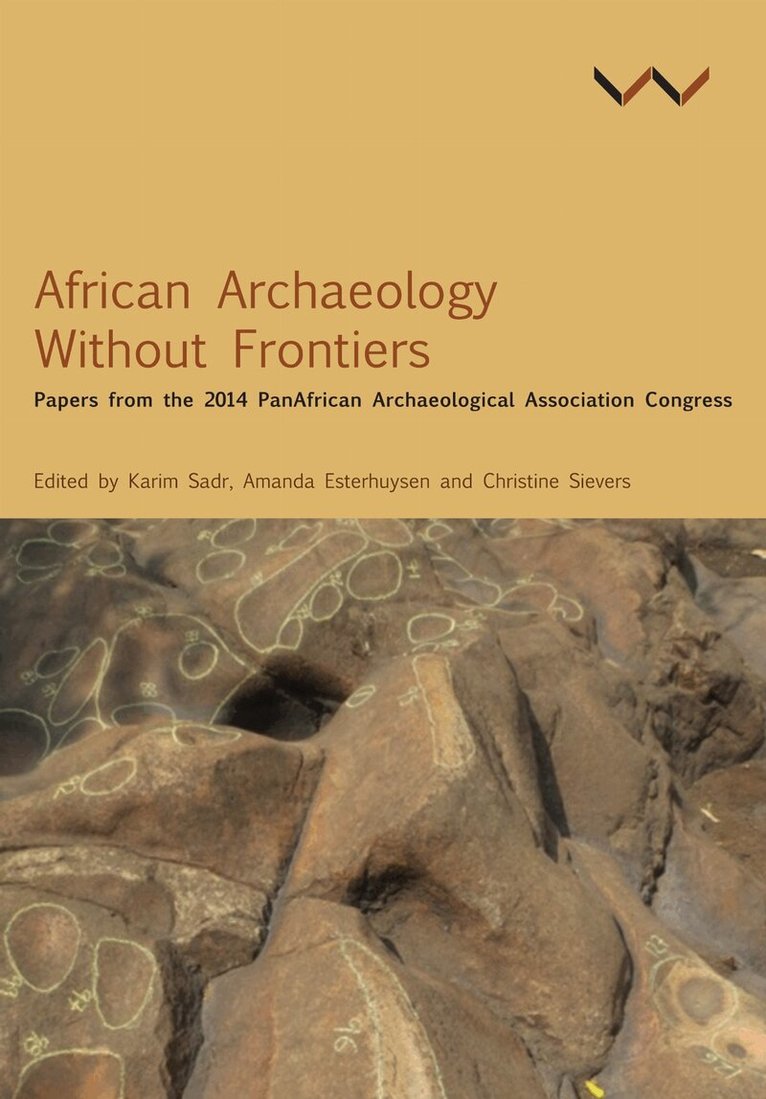
Confronting national, linguistic and disciplinary boundaries, contributors to African Archaeology Without Frontiers argue against artificial limits and divisions created through the study of 'ages' that in reality overlap and cannot and should not be understood in isolation. Papers are drawn from the proceedings of the landmark 14th PanAfrican Archaeological Association Congress, held in Johannesburg in 2014, nearly seven decades after the conference planned for 1951 was re-located to Algiers for ideological reasons following the National Party's rise to power in South Africa. Contributions by keynote speakers Chapurukha Kusimba and Akin Ogundiran encourage African archaeologists to practise an archaeology that collaborates across many related fields of study to enrich our understanding of the past. The nine papers cover a broad geographical sweep by incorporating material on ongoing projects throughout the continent including South Africa, Botswana, Cameroon, Togo, Tanzania, Kenya and Nigeria. Thematically, the papers included in the volume address issues of identity and interaction, and the need to balance cultural heritage management and sustainable development derived from a continent racked by social inequalities and crippling poverty. Edited by three leading archaeologists, the collection covers many aspects of African archaeology, and a range of periods from the earliest hominins to the historical period. It will appeal to specialists and interested amateurs.
E-bok
PDF, Engelska, 2016447 kr
Läs direkt efter köp
Confronting national, linguistic and disciplinary boundaries, contributors to African Archaeology Without Frontiers argue against artificial limits and divisions created through the study of ‘ages’ that in reality overlap and cannot and should not be understood in isolation. Papers are drawn from the proceedings of the landmark 14th PanAfrican Archaeological Association Congress, held in Johannesburg in 2014, nearly seven decades after the conference planned for 1951 was re-located to Algiers for ideological reasons following the National Party’s rise to power in South Africa. Contributions by keynote speakers Chapurukha Kusimba and Akin Ogundiran encourage African archaeologists to practise an archaeology that collaborates across many related fields of study to enrich our understanding of the past. The nine papers cover a broad geographical sweep by incorporating material on ongoing projects throughout the continent including South Africa, Botswana, Cameroon, Togo, Tanzania, Kenya and Nigeria. Thematically, the papers included in the volume address issues of identity and interaction, and the need to balance cultural heritage management and sustainable development derived from a continent racked by social inequalities and crippling poverty. Edited by three leading archaeologists, the collection covers many aspects of African archaeology, and a range of periods from the earliest hominins to the historical period. It will appeal to specialists and interested amateurs.
E-bok
Engelska, 2016443 kr
Läs direkt efter köp
Confronting national, linguistic and disciplinary boundaries, contributors to African Archaeology Without Frontiers argue against artificial limits and divisions created through the study of ‘ages’ that in reality overlap and cannot and should not be understood in isolation. Papers are drawn from the proceedings of the landmark 14th PanAfrican Archaeological Association Congress, held in Johannesburg in 2014, nearly seven decades after the conference planned for 1951 was re-located to Algiers for ideological reasons following the National Party’s rise to power in South Africa. Contributions by keynote speakers Chapurukha Kusimba and Akin Ogundiran encourage African archaeologists to practise an archaeology that collaborates across many related fields of study to enrich our understanding of the past. The nine papers cover a broad geographical sweep by incorporating material on ongoing projects throughout the continent including South Africa, Botswana, Cameroon, Togo, Tanzania, Kenya and Nigeria. Thematically, the papers included in the volume address issues of identity and interaction, and the need to balance cultural heritage management and sustainable development derived from a continent racked by social inequalities and crippling poverty. Edited by three leading archaeologists, the collection covers many aspects of African archaeology, and a range of periods from the earliest hominins to the historical period. It will appeal to specialists and interested amateurs.
E-bok
Engelska, 2014443 kr
Läs direkt efter köp
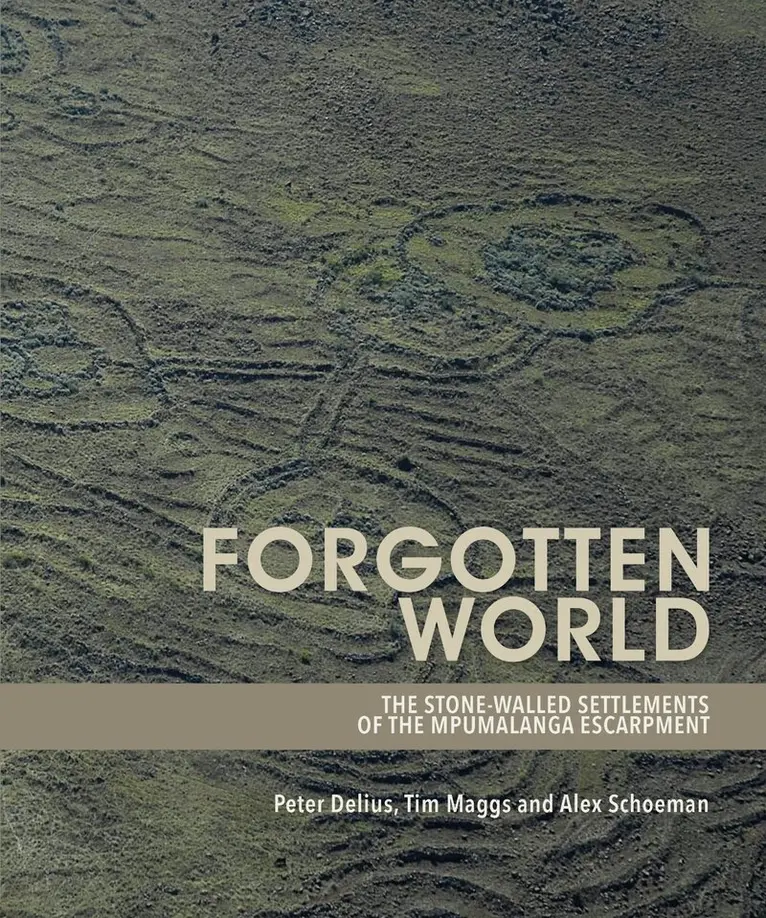
If you drive through Mpumalanga with an eye on the landscape flashing by, you may see, near the sides of the road and further away on the hills above and in the valleys below, fragments of building in stone as well as sections of stone-walling breaking the grass cover. Endless stone circles, set in bewildering mazes and linked by long stone passages, cover the landscape stretching from Ohrigstad to Carolina, connecting over 10 000 square kilometres of the escarpment into a complex web of stone-walled homesteads, terraced fields and linking roads. Oral traditions recorded in the early twentieth century named the area Bokoni – the country of the Koni people. Few South Africans or visitors to the country know much about these settlements, and why today they are deserted and largely ignored. A long tradition of archaeological work which might provide some of the answers remains cloistered in universities and the knowledge vacuum has been filled by a variety of exotic explanations – invoking ancient settlers from India or even visitors from outer space – that share a common assumption that Africans were too primitive to have created such elaborate stone structures. Forgotten World defies the usual stereotypes about backward African farming methods and shows that these settlements were at their peak between 1500 and 1820, that they housed a substantial population, organised vast amounts of labour for infrastructural development, and displayed extraordinary levels of agricultural innovation and productivity. The Koni were part of a trading system linked to the coast of Mozambique and the wider world of Indian Ocean trade beyond. Forgotten World tells the story of Bokoni through rigorous historical and archaeological research, and lavishly illustrates it with stunning photographic images.
E-bok
PDF, Engelska, 2014443 kr
Läs direkt efter köp
If you drive through Mpumalanga with an eye on the landscape flashing by, you may see, near the sides of the road and further away on the hills above and in the valleys below, fragments of building in stone as well as sections of stone-walling breaking the grass cover. Endless stone circles, set in bewildering mazes and linked by long stone passages, cover the landscape stretching from Ohrigstad to Carolina, connecting over 10 000 square kilometres of the escarpment into a complex web of stone-walled homesteads, terraced fields and linking roads. Oral traditions recorded in the early twentieth century named the area Bokoni – the country of the Koni people. Few South Africans or visitors to the country know much about these settlements, and why today they are deserted and largely ignored. A long tradition of archaeological work which might provide some of the answers remains cloistered in universities and the knowledge vacuum has been filled by a variety of exotic explanations – invoking ancient settlers from India or even visitors from outer space – that share a common assumption that Africans were too primitive to have created such elaborate stone structures. Forgotten World defies the usual stereotypes about backward African farming methods and shows that these settlements were at their peak between 1500 and 1820, that they housed a substantial population, organised vast amounts of labour for infrastructural development, and displayed extraordinary levels of agricultural innovation and productivity. The Koni were part of a trading system linked to the coast of Mozambique and the wider world of Indian Ocean trade beyond. Forgotten World tells the story of Bokoni through rigorous historical and archaeological research, and lavishly illustrates it with stunning photographic images.