549 kr
Skickas inom 5-8 vardagar
549 kr
Skickas inom 5-8 vardagar
1 015 kr
Skickas inom 5-8 vardagar
504 kr
Läs direkt efter köp
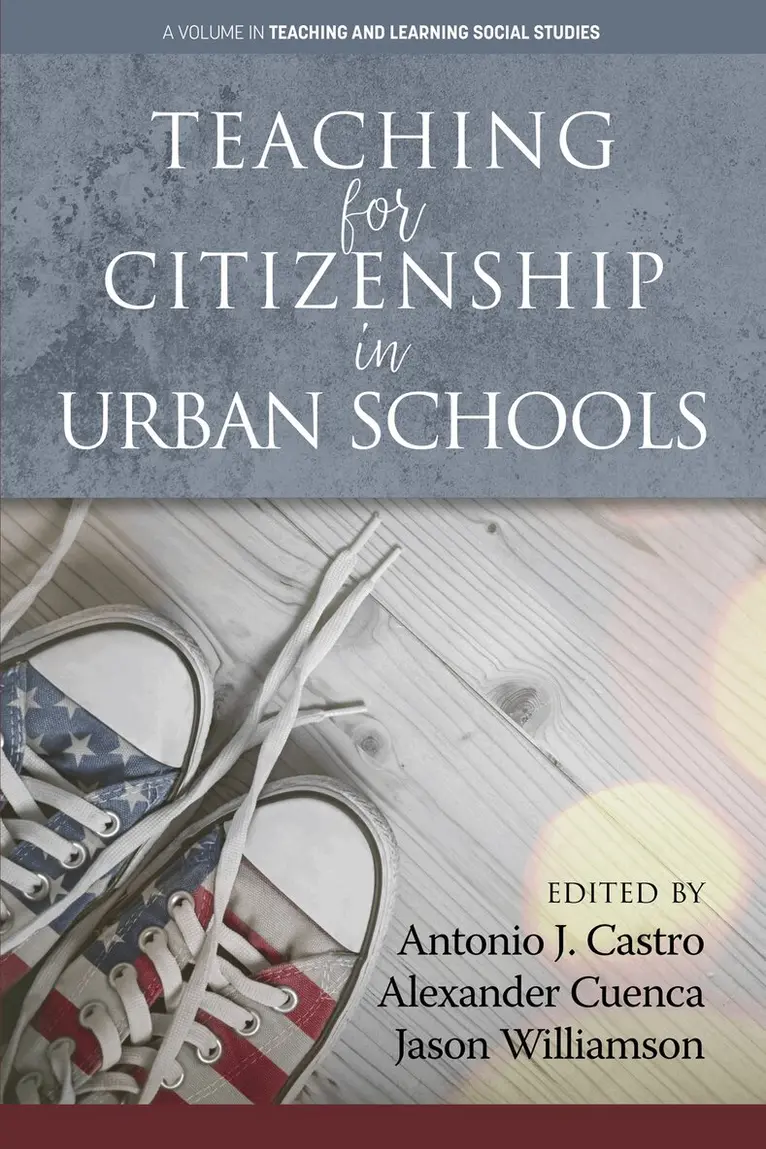
As the civic engagement gap widens across lines of race, class, and ethnicity, educators in today’s urban schools must reconsider what it means to teach for citizenship; however, few resources exist that speak to their unique contexts. Teaching for Citizenship in Urban Schools offers lessons and strategies that combines the power of inquiry-driven teaching with a funds of knowledge approach to capitalize on the lived civic experiences of urban youth and children.
Teaching for Citizenship in Urban Schools presents six strategies for making civic and social studies education relevant and engaging: using photovoice for social change, conducting culturally responsive investigations of community, defining American Black founders, enacting hip-hop pedagogy, employing equity literacy to explore immigrant enclaves, and drawing on young adult fiction to teach about police violence. Written by some of the leading scholars in the field, each chapter includes an overview of the strategy and lessons for both elementary and secondary students. As a whole, these lessons draw on neighborhood resources, facilitate cultural exchanges among students and teachers, create community networks, and bridge schools and communities in a shared mission of building a just and inclusive democracy.
This book is for anyone who values student-centered, inquiry-driven, and culturally-sustaining pedagogies that foster a deeper understanding of citizenship within a diverse democracy.
654 kr
Läs direkt efter köp
581 kr
Läs direkt efter köp
1 074 kr
Skickas inom 10-15 vardagar
1 387 kr
Läs direkt efter köp
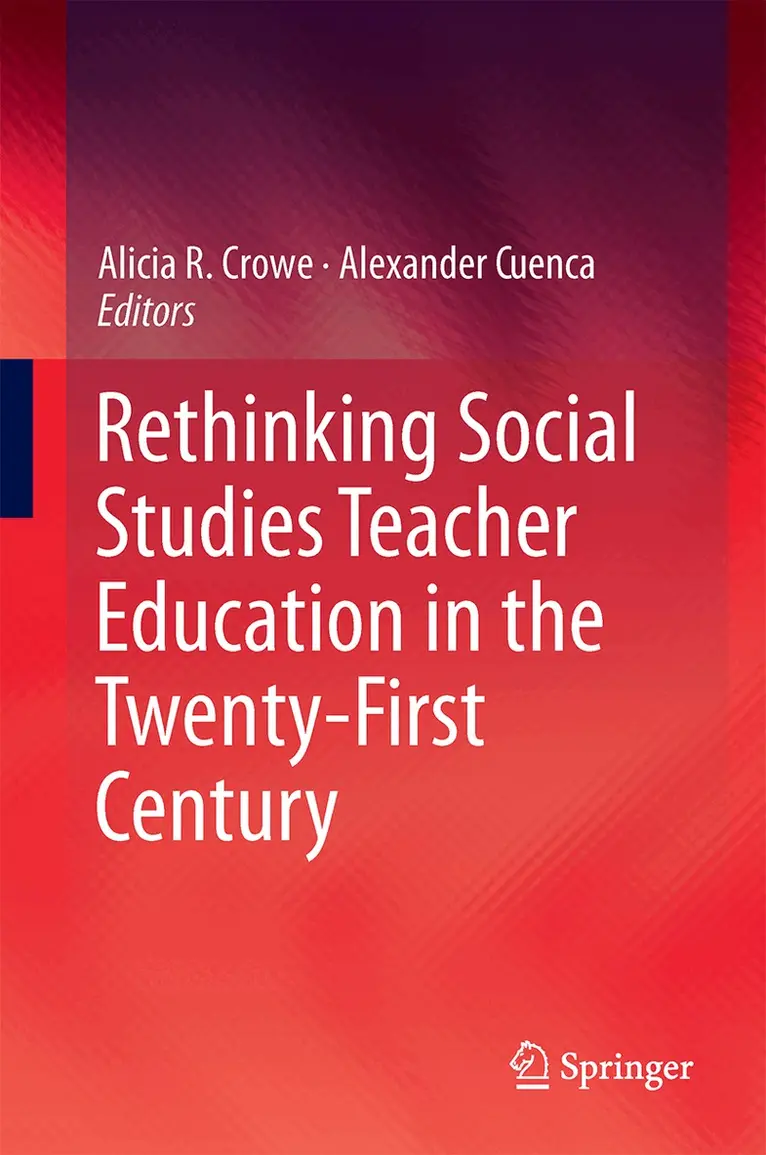
In this volume teacher educators explicitly and implicitly share their visions for the purposes, experiences, and commitments necessary for social studies teacher preparation in the twenty-first century. It is divided into six sections where authors reconsider: 1) purposes, 2) course curricula, 3) collaboration with on-campus partners, 4) field experiences, 5) community connections, and 6) research and the political nature of social studies teacher education. The chapters within each section provide critical insights for social studies researchers, teacher educators, and teacher education programs. Whether readers begin to question what are we teaching social studies teachers for, who should we collaborate with to advance teacher learning, or how should we engage in the politics of teacher education, this volume leads us to consider what ideas, structures, and connections are most worthwhile for social studies teacher education in the twenty-first century to pursue.
1 074 kr
Skickas inom 10-15 vardagar
617 kr
Skickas inom 5-8 vardagar
1 091 kr
Skickas inom 5-8 vardagar
561 kr
Läs direkt efter köp
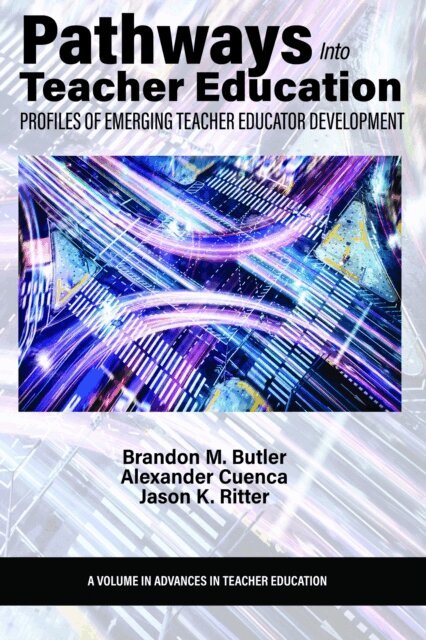
Teacher educator learning has received increasing attention in recent decades. Although the professional development needs of teacher educators has become more visible, the spaces where teacher educators learn to teach teachers is less clear. How do teacher educators learn? What do they learn? And where does this learning take place? This edited volume provides answers these questions through an unpacking of the programs, courses, and professional learning spaces in which beginning teacher educators learn.
In this edited volume, chapters provide profiles, or “cases,” of the spaces in which beginning university-based teacher educators are prepared. University based teacher educator learning occurs in a range of settings. As highlighted in this volume, such learning spaces include doctoral program concentrations or minors focused on the development of teacher educator identity and practice; individual doctoral courses dedicated to teacher education; formalized program experiences that assist in the preparation of teacher educators; and mentoring or critical friendship collaborations through which doctoral students learn about teacher education with peers or from experienced teacher educators.