Alexander Olsen - Böcker
Visar alla böcker från författaren Alexander Olsen. Handla med fri frakt och snabb leverans.
6 produkter
6 produkter
Del 19 - Springer Series on Naval Architecture, Marine Engineering, Shipbuilding and Shipping
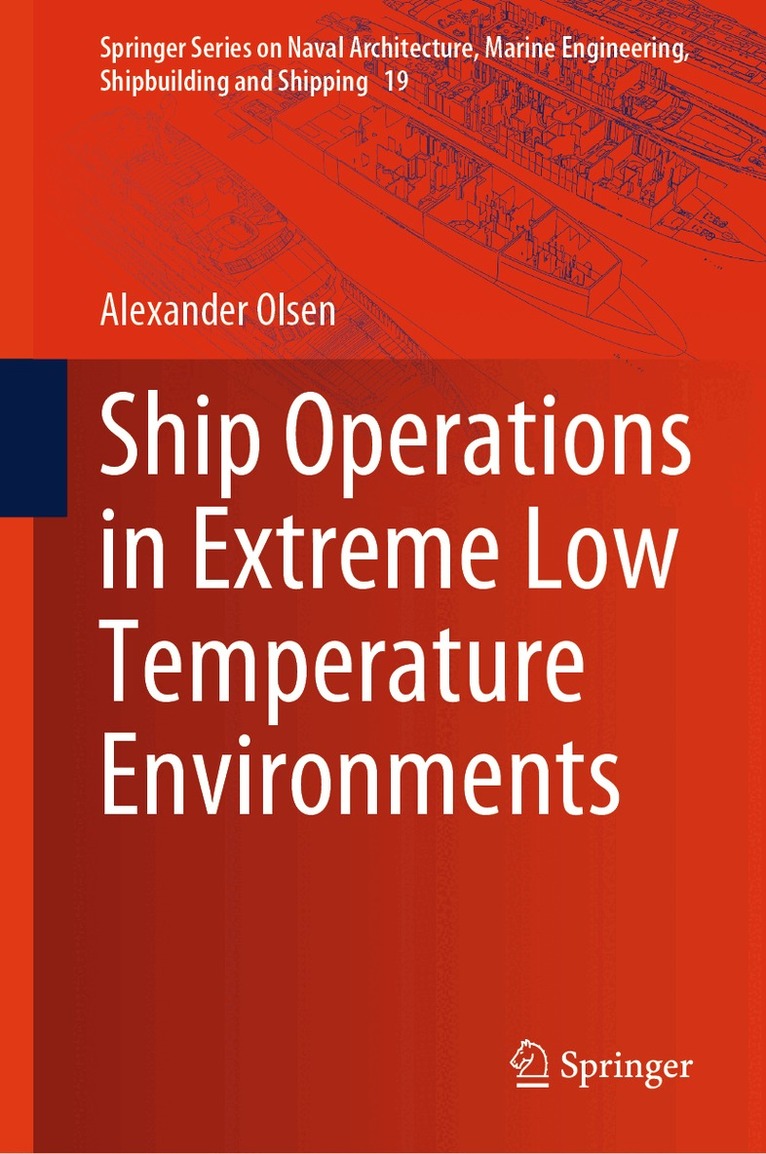
Ship Operations in Extreme Low Temperature Environments
Inbunden, Engelska, 2024
1 892 kr
Skickas inom 7-10 vardagar
This book recognizes the fact that the vessels' intended operational profile may vary as some vessels are intended to operate with the assistance of an ice breaker and others are intended to operate independently.
Del 19 - Springer Series on Naval Architecture, Marine Engineering, Shipbuilding and Shipping
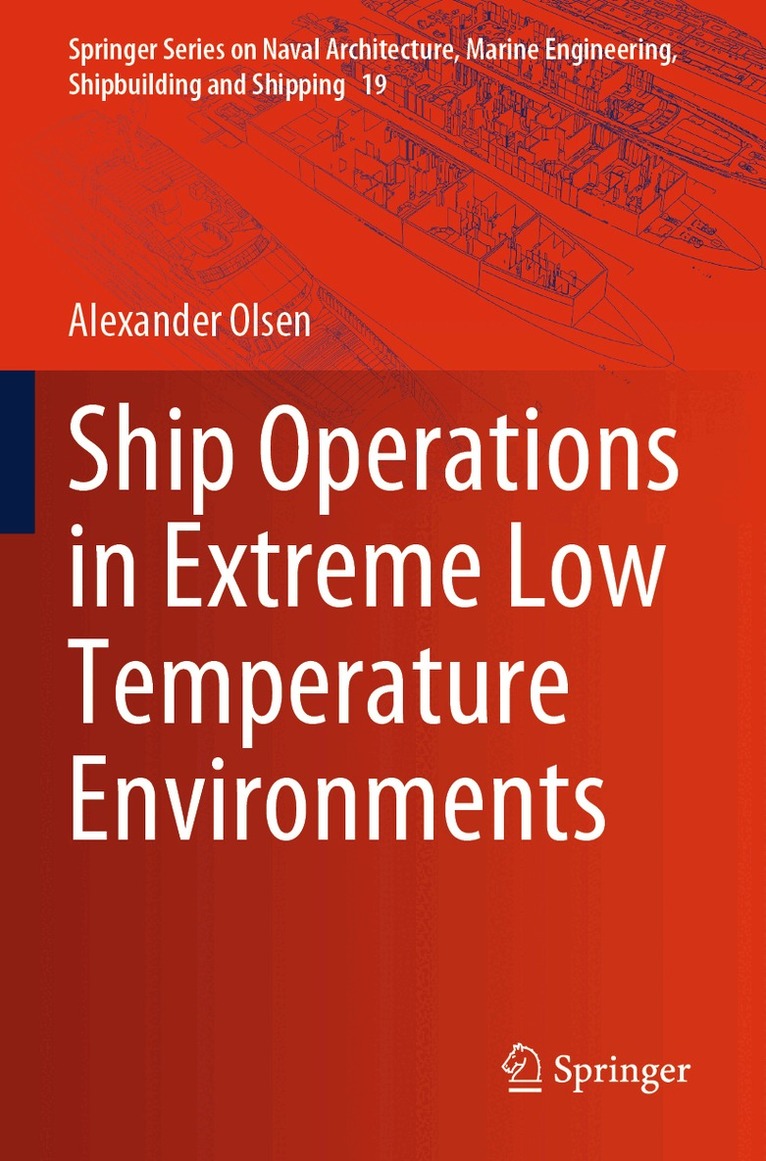
Ship Operations in Extreme Low Temperature Environments
Häftad, Engelska, 2025
1 381 kr
Skickas inom 10-15 vardagar
This book recognizes the fact that the vessels' intended operational profile may vary as some vessels are intended to operate with the assistance of an ice breaker and others are intended to operate independently.
Del 20 - Springer Series on Naval Architecture, Marine Engineering, Shipbuilding and Shipping
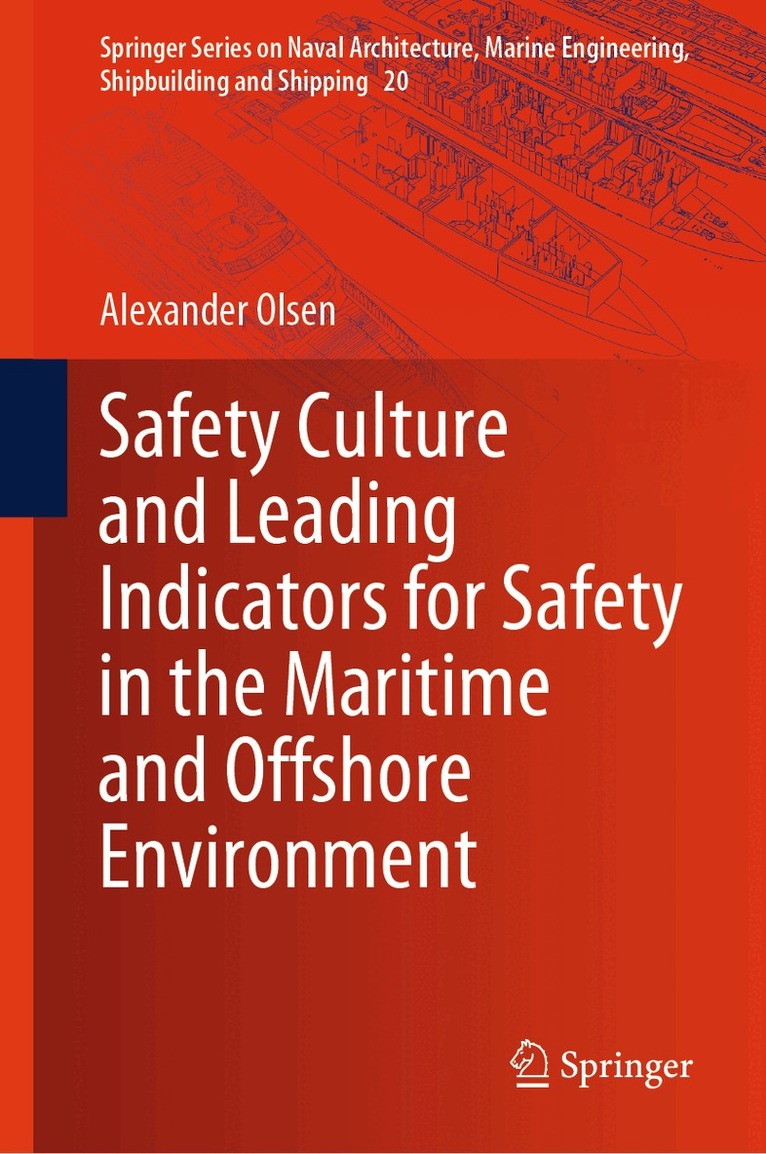
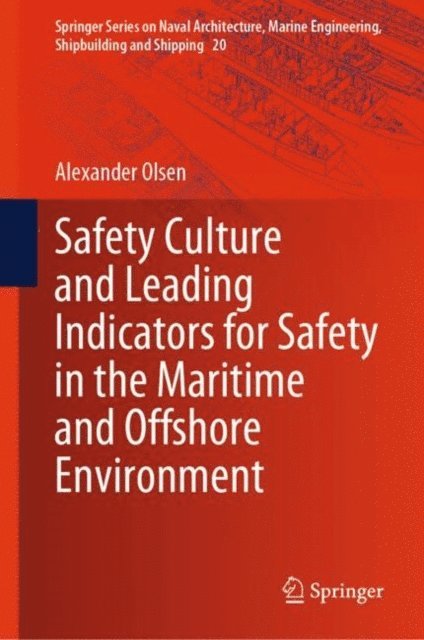
Safety Culture and Leading Indicators for Safety in the Maritime and Offshore Environment
Inbunden, Engelska, 2024
1 892 kr
Skickas inom 7-10 vardagar
This book provides guidance and insight into the development process for safety indicators to comply with general classification rule requirements.
Del 20 - Springer Series on Naval Architecture, Marine Engineering, Shipbuilding and Shipping
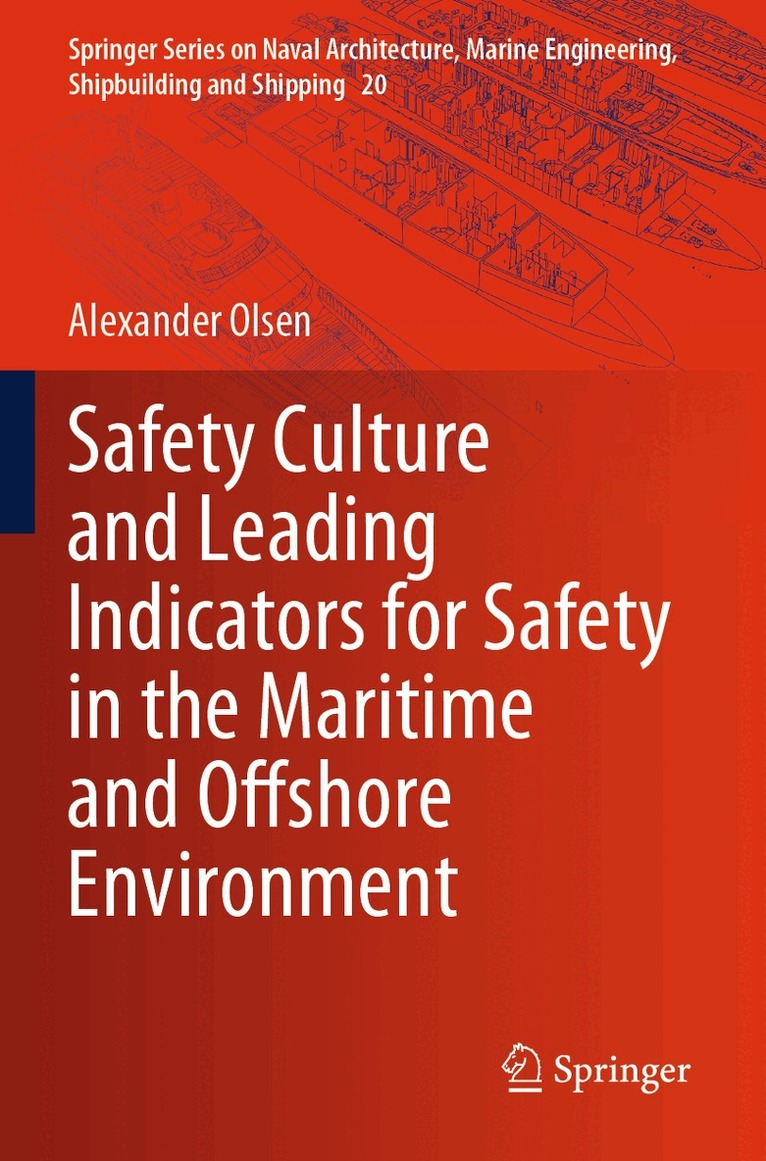
Safety Culture and Leading Indicators for Safety in the Maritime and Offshore Environment
Häftad, Engelska, 2025
1 381 kr
Skickas inom 10-15 vardagar
This book provides guidance and insight into the development process for safety indicators to comply with general classification rule requirements. The utilisation of this guidance will provide tangible benefits as the marine and offshore industry is able to realise the positive results of tangible safety indicators that are developed correctly and managed appropriately throughout the lifecycle of the vessel or platform.In the marine and offshore industry, design and equipment configurations vary from one system to the next, and systems are in many cases increasingly complex. There are gaps in codes and standards which may lag technological innovations and there are issues related to interfaces between systems. Safety indictors such as risk analyses, FMEA, job safety analyses, management of change procedures, HSQE, technical manuals and reliability-based maintenance provide a formalised approach to identify hazardous situations, address the gaps and interconnection variances, and improve safety, environmental performance and operational downtime. The majority of Classification Societies (‘Class’) require their clients to develop and submit safety indicators as part of the classification requirements for certain systems and to obtain certain special notations.
430 kr
Skickas inom 7-10 vardagar
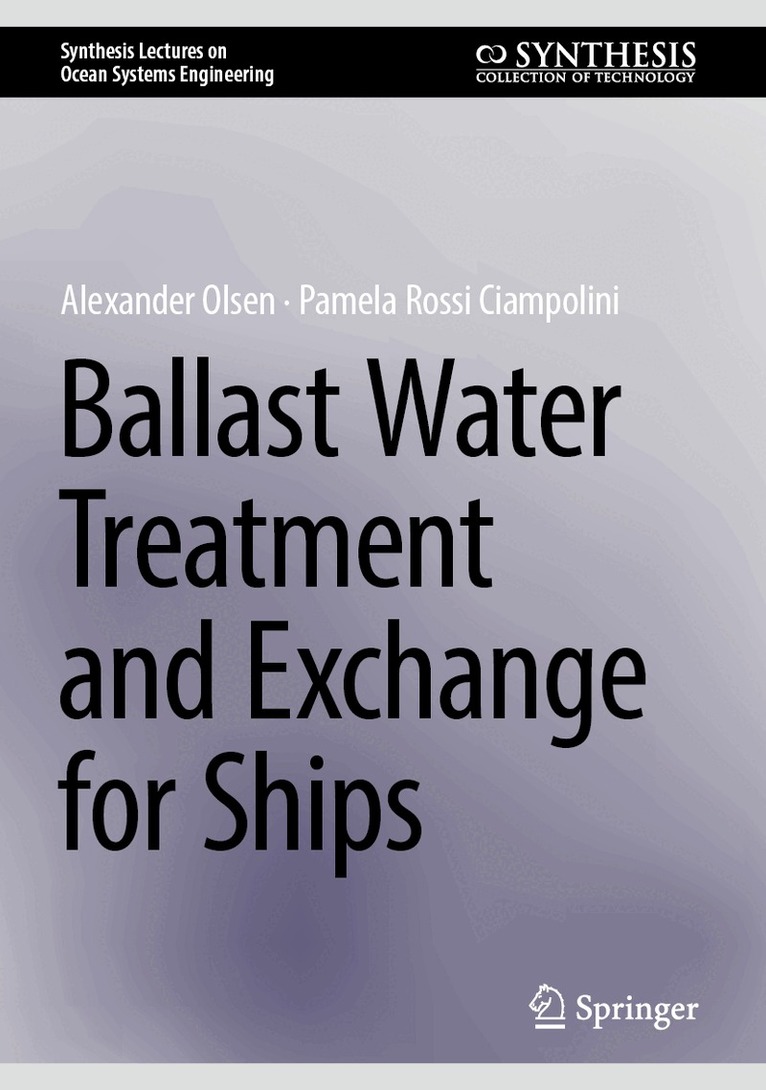
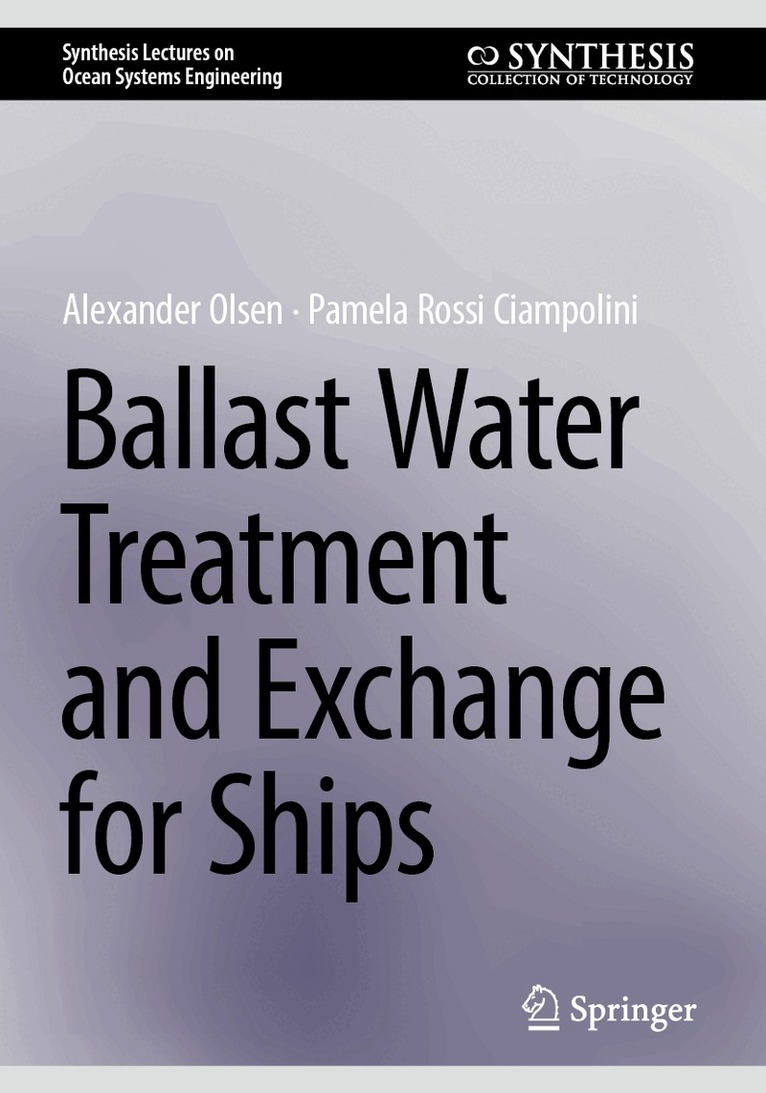
The inadvertent transfer of harmful aquatic organisms and pathogens in the ballast water of ships has been determined to have caused a significant adverse impact to many of the world's coastal regions. The international maritime community, under the auspices of the IMO has developed several documents, including the “International Conventions for the Control and Management of Ship's Ballast Water and Sediments, 2004”, (Ballast Water Management Convention), which are aimed at preventing the introduction of unwanted aquatic organisms and pathogens through the discharge of ballast water and sediments. The Ballast Water Management Convention applies to vessels registered in a country which is party to the Convention and to those vessels registered in other countries when operating in the waters of a country which is party to the Convention. As a means to prevent, minimize and ultimately eliminate the risk to the environment, human health, property and resources arising from the transferof harmful aquatic organisms and pathogens through the control and management of vessel's ballast water and sediment, as well as to avoid unwanted side-effects from that control, the Convention requires vessels to conduct a ballast water exchange or be fitted with an approved ballast water management system. It is noted that several studies have shown that the effectiveness of ballast water exchange varies and is dependent on the vessel type (design), exchange method (sequential, flow-through and dilution methods), ballasting system configuration, exchange location, weather conditions and vessel's trading pattern. For these reasons (and others), it has been determined that ballast water exchange does not provide adequate protective measures to prevent damage from organisms and pathogens carried in a vessel's ballast, even though exchange was considered to be acceptable as an interim solution.This book includes updates for the clarification of Survey requirements and adds the definition of biological commissioning, testing as well as requirements for Class approved Service Providers to conduct biological commissioning testing. Moreover, this book includes updates due to the adoption of the requirements from IACS UR M74, Rev. 2 and UR F45 and is applicable for existing ships, where an application for approval for the plans of BWMS is made on or after 1 July 2022; or for new ships contracted for construction on or after 1 July 2022.
430 kr
Skickas inom 10-15 vardagar
The inadvertent transfer of harmful aquatic organisms and pathogens in the ballast water of ships has been determined to have caused a significant adverse impact to many of the world's coastal regions. The international maritime community, under the auspices of the IMO has developed several documents, including the “International Conventions for the Control and Management of Ship's Ballast Water and Sediments, 2004”, (Ballast Water Management Convention), which are aimed at preventing the introduction of unwanted aquatic organisms and pathogens through the discharge of ballast water and sediments. The Ballast Water Management Convention applies to vessels registered in a country which is party to the Convention and to those vessels registered in other countries when operating in the waters of a country which is party to the Convention. As a means to prevent, minimize and ultimately eliminate the risk to the environment, human health, property and resources arising from the transferof harmful aquatic organisms and pathogens through the control and management of vessel's ballast water and sediment, as well as to avoid unwanted side-effects from that control, the Convention requires vessels to conduct a ballast water exchange or be fitted with an approved ballast water management system. It is noted that several studies have shown that the effectiveness of ballast water exchange varies and is dependent on the vessel type (design), exchange method (sequential, flow-through and dilution methods), ballasting system configuration, exchange location, weather conditions and vessel's trading pattern. For these reasons (and others), it has been determined that ballast water exchange does not provide adequate protective measures to prevent damage from organisms and pathogens carried in a vessel's ballast, even though exchange was considered to be acceptable as an interim solution.This book includes updates for the clarification of Survey requirements and adds the definition of biological commissioning, testing as well as requirements for Class approved Service Providers to conduct biological commissioning testing. Moreover, this book includes updates due to the adoption of the requirements from IACS UR M74, Rev. 2 and UR F45 and is applicable for existing ships, where an application for approval for the plans of BWMS is made on or after 1 July 2022; or for new ships contracted for construction on or after 1 July 2022.