Alexandra Loske - Böcker
Visar alla böcker från författaren Alexandra Loske. Handla med fri frakt och snabb leverans.
12 produkter
12 produkter
298 kr
Skickas inom 3-6 vardagar
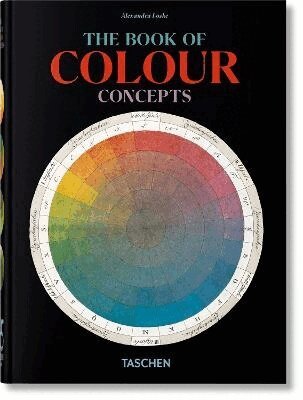
The earliest forms of human creativity – in carvings, markings, and cave paintings – bear witness to humanity’s engagement with color. Almost as old as these examples is the desire to assign structure, order, and meaning to this universal yet elusive concept, and it is this fascination that unites the works compiled in this expansive edition.Gathering over 40 rare books and manuscripts from a wealth of institutions, including the most distinguished color collections worldwide, The Book of Colour Concepts takes the reader on a chromatic odyssey across four centuries and over 350 images of luscious wheels and globes, painstakingly collated charts, and meticulous diagrams, many of them newly photographed exclusively for this edition.Seminal works of color theory, such as Isaac Newton’s Opticks and Johann Wolfgang von Goethe’s hugely significant Zur Farbenlehre, are shown alongside rare and unfamiliar contributions, including the theosophical color systems of Charles Webster Leadbeater and Annie Besant, the comprehensive color ‘dictionary’ of Aloys John Maerz and Morris Rea Paul, and the patchwork combinations of the Japanese costume designer and artist Sanzō Wada.This volume also brings many intriguing and often overlooked works by women into the spotlight, including the radically inventive color “blots” of the English flower painter Mary Gartside.The color systems that make up this edition are contextualized by an introductory essay from Alexandra Loske, while authoritative texts on the works reproduced set out each concept in further detail. Illuminating the history of color in all its shapes and forms, The Book of Colour Concepts offers a chromatic chronology unparalleled in scope.
407 kr
Skickas inom 7-10 vardagar
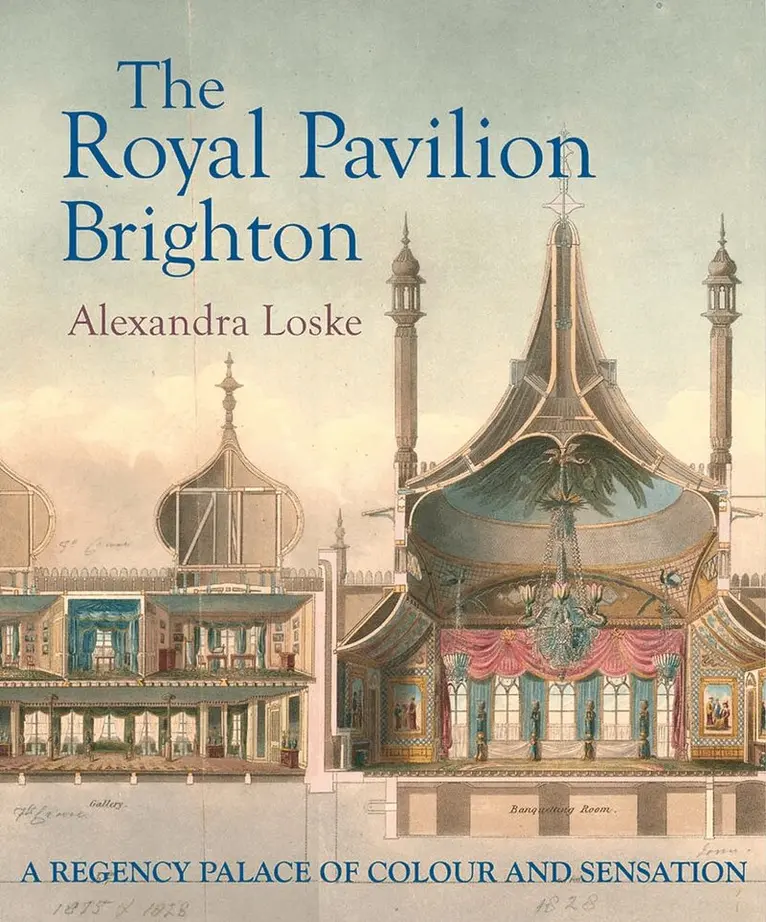
The first in-depth study since the 1980s of the Royal Pavilion in Brighton, a building that is often considered the most impressive architectural expression of the Romantic imagination and that has become a hallmark of Regency style Created between 1787 and 1823 by George IV, the Royal Pavilion in Brighton is perhaps the most daring and enchanting example of a building that expresses the European fascination with what in the early nineteenth century was considered the “Orient,” in particular China and India. The building, with its Indian-inspired exterior, was the work of the renowned architect John Nash, who with the contributions of several other gifted and inventive architects, artists, and designers, created a building that draws you in, takes you on a journey, and plays with your senses. Featuring new photography, this lavishly illustrated book will provide a fresh look at the sumptuous Chinoiserie interiors of the Royal Pavilion and their enduring appeal. Drawing on recent research, conservation projects, and the unprecedented loan exhibition A Prince’s Treasure: From Buckingham Palace to the Royal Pavilion (2019–22), this book celebrates the colours and sensual beauty of these interiors while situating the Royal Pavilion in the context of the time of its creation and development under royal ownership, from its beginning in the wake of the French Revolution, through its transformation and extension during and just after the Napoleonic Wars, to its fate and legacy in the early Victorian era.
423 kr
Skickas inom 7-10 vardagar
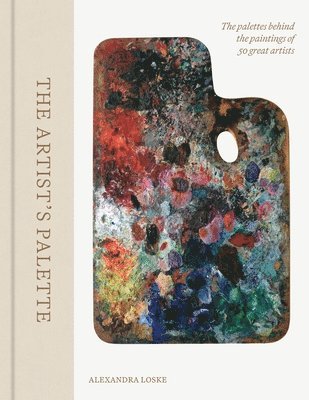
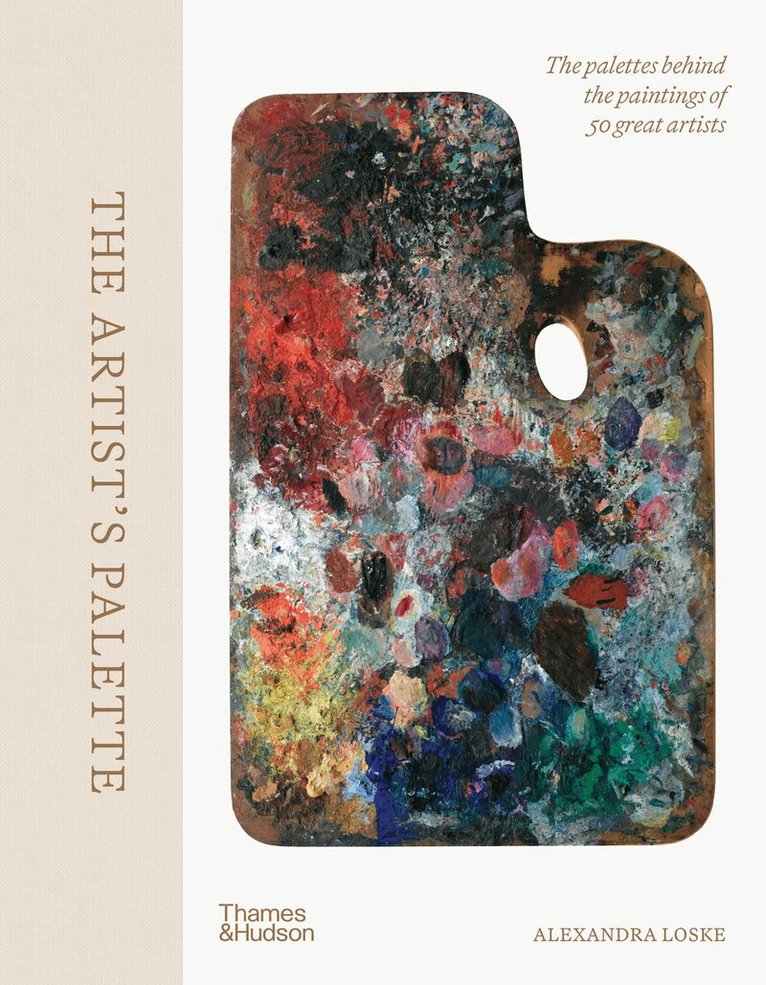
The paint-loaded palettes of fifty world-renowned artists are displayed alongside the paintings the artists created using those hues, and the colours and brushstrokes employed are analysed to uncover surprising new stories about each artist and their work. Presented broadly chronologically, the artists featured in this revelatory book range from those working in the 17th century to the present day, including Artemisia Gentileschi, Paul Cézanne, Berthe Morisot, Vincent Van Gogh, Wassily Kandinsky, Georgia O’Keeffe and Bridget Riley. Each artist’s palette – whether photographed or visible in self-portraits – is paired with one or more works by the artist that reflect the colours of the paint remaining on the palette. Colour expert and art historian Alexandra Loske skilfully analyses each artist’s colour palette and brushstrokes to reveal not only exactly how they used colour in their work but also to tell the story of their journey with colour and the influence of their approach on the wider culture to which they belonged. For example, Georges Seurat meticulously arranged the paints on his palette in prismatic order, isolating the colours and pairing each with a blot of white paint. His pointillist technique was equally apparent on his palette and his canvas. Kerry James Marshall uses blots of zinc white and smears of pale pink on the surfaces of symbolically oversized white palettes held by black artists in his portraits, raising provocative questions about the role of colour in the story of black history and white western art.The Artist’s Palette will appeal to an art history audience, a wider audience eager to learn more about the use of colour by the great artists and amateur painters looking for inspiration in the creation of their own work.
373 kr
Skickas inom 7-10 vardagar
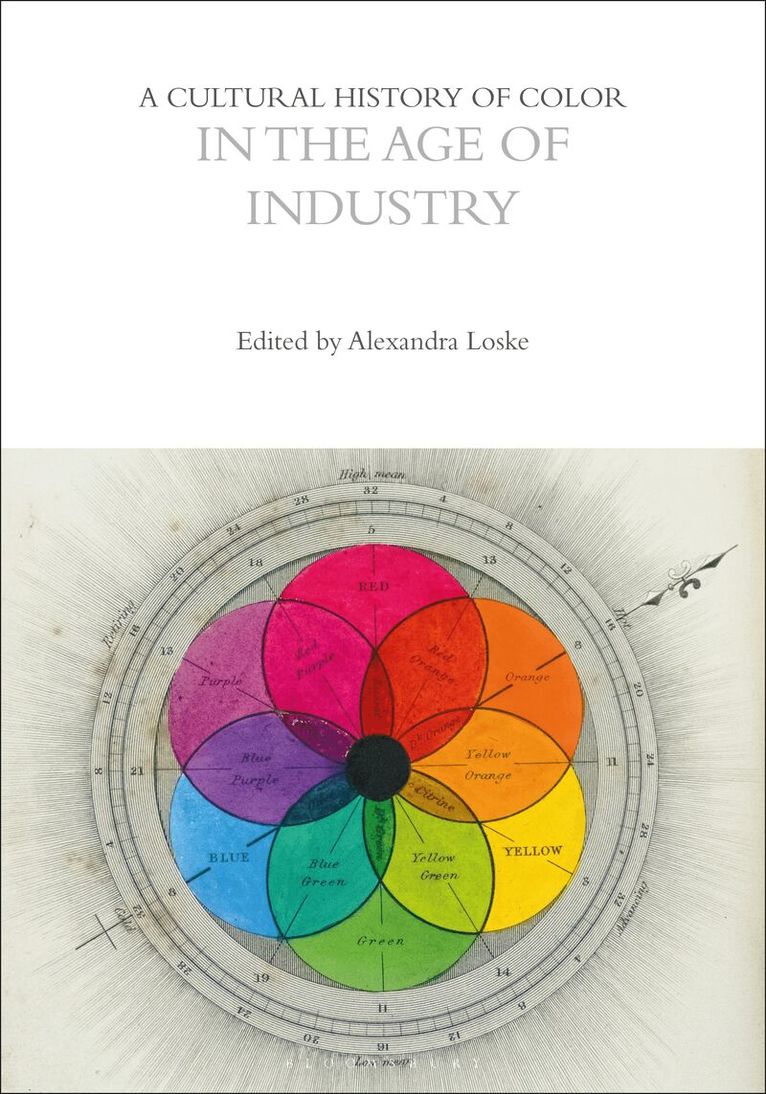
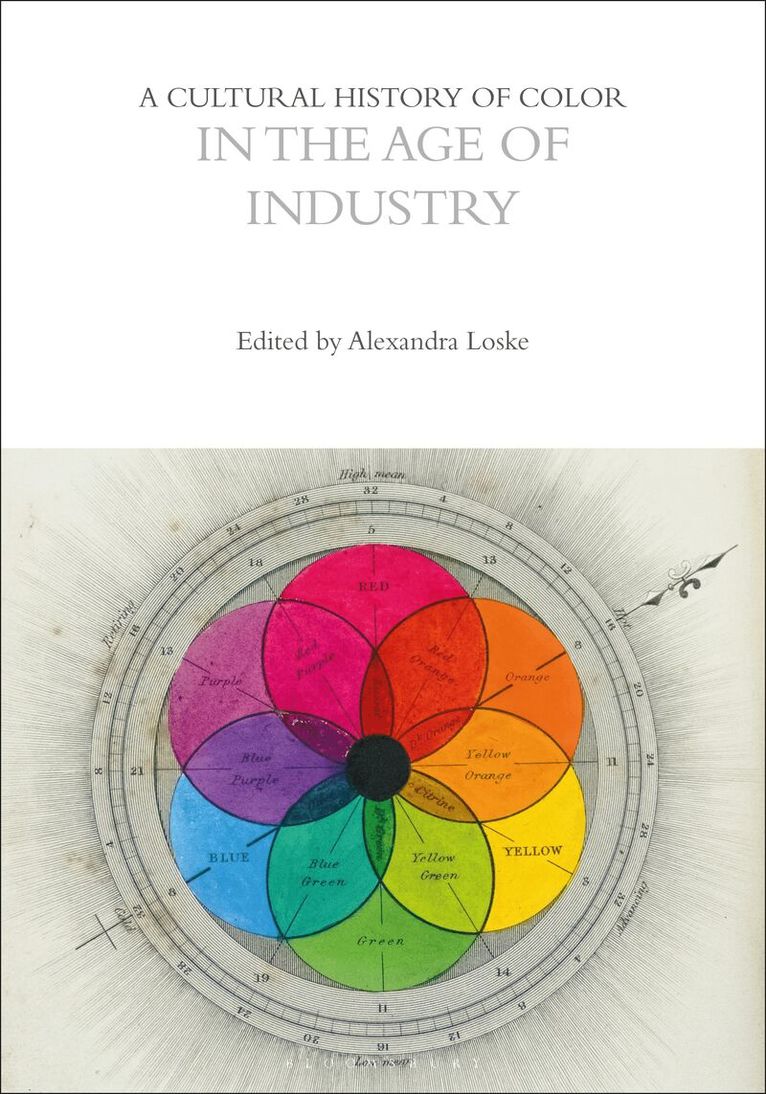
A Cultural History of Color in the Age of Industry covers the period 1800 to 1920, when the world embraced color like never before. Inventions, such as steam power, lithography, photography, electricity, motor cars, aviation, and cheaper color printing, all contributed to a new exuberance about color. Available pigments and colored products - made possible by new technologies, industrial manufacturing, commercialization, and urbanization – also greatly increased, as did illustrated printed literature for the mass market. Color, both literally and metaphorically, was splashed around, and became an expressive tool for artists, designers, and writers.Color shapes an individual’s experience of the world and also how society gives particular spaces, objects, and moments meaning. The 6 volume set of the Cultural History of Color examines how color has been created, traded, used, and interpreted over the last 5000 years. The themes covered in each volume are color philosophy and science; color technology and trade; power and identity; religion and ritual; body and clothing; language and psychology; literature and the performing arts; art; architecture and interiors; and artefacts.Alexandra Loske is Curator at the Royal Pavilion and Museums, Brighton, UK.Volume 5 in the Cultural History of Color set.General Editors: Carole P. Biggam and Kirsten Wolf
1 159 kr
Skickas inom 7-10 vardagar
A Cultural History of Color in the Age of Industry covers the period 1800 to 1920, when the world embraced color like never before. Inventions, such as steam power, lithography, photography, electricity, motor cars, aviation, and cheaper color printing, all contributed to a new exuberance about color. Available pigments and colored products - made possible by new technologies, industrial manufacturing, commercialization, and urbanization – also greatly increased, as did illustrated printed literature for the mass market. Color, both literally and metaphorically, was splashed around, and became an expressive tool for artists, designers, and writers.Color shapes an individual’s experience of the world and also how society gives particular spaces, objects, and moments meaning. The 6 volume set of the Cultural History of Color examines how color has been created, traded, used, and interpreted over the last 5000 years. The themes covered in each volume are color philosophy and science; color technology and trade; power and identity; religion and ritual; body and clothing; language and psychology; literature and the performing arts; art; architecture and interiors; and artefacts.Alexandra Loske is Curator at the Royal Pavilion and Museums, Brighton, UKVolume 5 in the Cultural History of Color set. General Editors: Carole P. Biggam and Kirsten Wolf
183 kr
Skickas
Brighton has transformed itself several times since the Middle Ages: once a small fishing village, it became the most fashionable seaside resort in the 18th century, a thriving tourist destination in the railway age and a liberal, multicultural university city in the 20th century. 200 years ago the party-loving King George IV built himself the playground of all royal playgrounds here: an oriental fantasy of a palace with onion-shaped domes and an exotic faux-Chinese interior, the Royal Pavilion.Today Brighton, together with its surroundings, is culturally one of the most exciting places in Britain, boasting an impressive coast, lined with chalk cliffs and the rolling South Downs as a backdrop. Just 10 kilometres east of Brighton is the picturesque county town of Lewes, with a stunning array of historic buildings, including an 11th-century Norman castle. The people of Lewes are known for their revolutionary spirit, and host the biggest bonfire celebration in the country every year on 5 November.
198 kr
Skickas
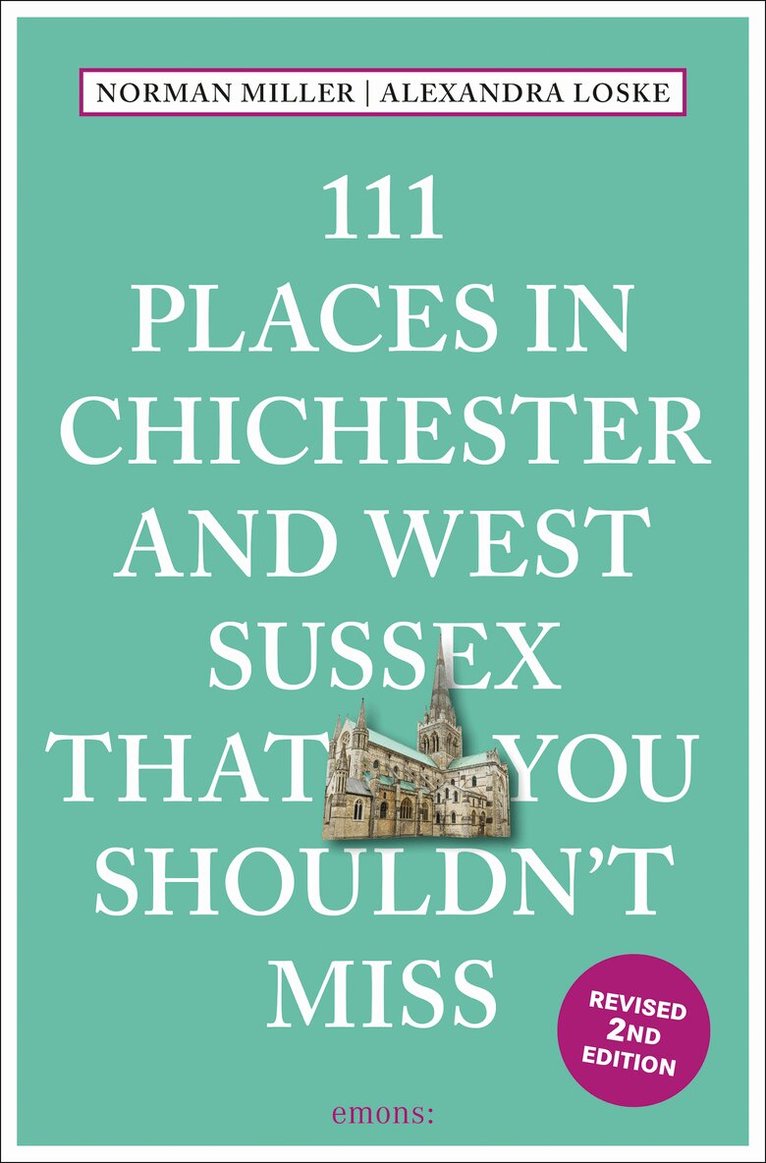
Mixing Roman and medieval roots, Chichester sits at the heart of a storied landscape where South Down hills dotted with idyllic hamlets ripple back from a shoreline mixing wild dune-backed beaches with old-school seaside resorts. Reminders of smuggling and war add spice. But a thrilling thread of modernity runs through this slice of West Sussex too. Chichester’s modernist Festival Theatre provided the foundation for London’s National Theatre, while masterpieces of contemporary architecture that draw admirers from around the world include Sea Lane House in East Preston and The White Tower in Bognor Regis. Evocative ancient memorials abound. Chichester is blessed with the only English cathedral visible from the sea, while England’s largest castle rises above the ravishing – and cosmopolitan – riverside town of Arundel. Ancient yew trees mark the burial spots of Viking warriors in an idyllic Downland spot. And it’s a land vibrant with creative imprints: poets, painters, composers, from Blake and Keats to Joyce and Chagall.This guidebook takes you exploring Chichester and its surroundings to find incomparable natural beauty, hidden secrets, astonishing history, art of all kinds, and much more.
191 kr
Skickas inom 5-8 vardagar
Mixing Roman and medieval roots, Chichester sits at the heart of a storied landscape where South Down hills dotted with idyllic hamlets ripple back from a shoreline mixing wild dune-backed beaches with old-school seaside resorts. Reminders of smuggling and war add spice. But a thrilling thread of modernity runs through this slice of West Sussex too. Chichester’s modernist Festival Theatre provided the foundation for London’s National Theatre, while masterpieces of contemporary architecture that draw admirers from around the world include Sea Lane House in East Preston and The White Tower in Bognor Regis. Evocative ancient memorials abound. Chichester is blessed with the only English cathedral visible from the sea, while England’s largest castle rises above the ravishing – and cosmopolitan – riverside town of Arundel. Ancient yew trees mark the burial spots of Viking warriors in an idyllic Downland spot. And it’s a land vibrant with creative imprints: poets, painters, composers, from Blake and Keats to Joyce and Chagall.This guidebook takes you exploring through Chichester and its surroundings to find incomparable natural beauty, hidden secrets, astonishing history, art of all kinds, and much more.
Die Farben der Kunst - Malpaletten aus fünf Jahrhunderten. Kunst verstehen: Farben, ihre Bedeutung und ihre Wirkung im Entstehungsprozess der Malerei. Maltechniken und ihre Geschichte
Inbunden, Tyska, 2024
496 kr
Skickas inom 3-6 vardagar
424 kr
Skickas inom 3-6 vardagar
1 710 kr
Skickas inom 3-6 vardagar
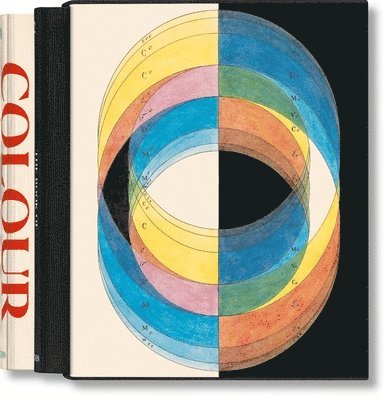
The earliest forms of human creativity – in carvings, markings, and cave paintings – bear witness to humanity’s engagement with color. Almost as old as these examples is the desire to assign structure, order, and meaning to this universal yet elusive concept, and it is this fascination that unites the works compiled in this expansive edition.Gathering over 65 rare books and manuscripts from a wealth of institutions, including the most distinguished color collections worldwide, The Book of Colour Concepts takes the reader on a chromatic odyssey across four centuries and over 1,000 images of luscious wheels and globes, painstakingly collated charts, and meticulous diagrams, many of them newly photographed exclusively for this edition. Some of these concepts provide exhaustive taxonomies of color, while others reflect upon the relationship of color and music, or the affinities between color and human emotions.Seminal works of color theory, such as Isaac Newton’s Opticks and Johann Wolfgang von Goethe’s hugely significant Zur Farbenlehre, are shown alongside rare and unfamiliar contributions, including the theosophical color systems of Charles Webster Leadbeater and Annie Besant, the comprehensive color ‘dictionary’ of Aloys John Maerz and Morris Rea Paul, and the patchwork combinations of the Japanese costume designer and artist Sanzō Wada.The two volumes also bring many intriguing and often overlooked works by women into the spotlight, including the radically inventive color “blots” of the English flower painter Mary Gartside and a botanical notebook by the pionieering spiritualist Hilma af Klint. The color systems that make up this edition are contextualized by introductory essays from editor Alexandra Loske and co-author Sarah Lowengard, while authoritative texts from the editor on the works reproduced set out each concept in further detail. Illuminating the history of color in all its shapes and forms, The Book of Colour Concepts offers a chromatic chronology unparalleled in scope.
1 048 kr
Skickas inom 5-8 vardagar