Alexandru Florian – författare
Visar alla böcker från författaren Alexandru Florian. Handla med fri frakt och snabb leverans.
4 produkter
4 produkter
Inbunden, Engelska, 2018
961 kr
Skickas inom 5-8 vardagar
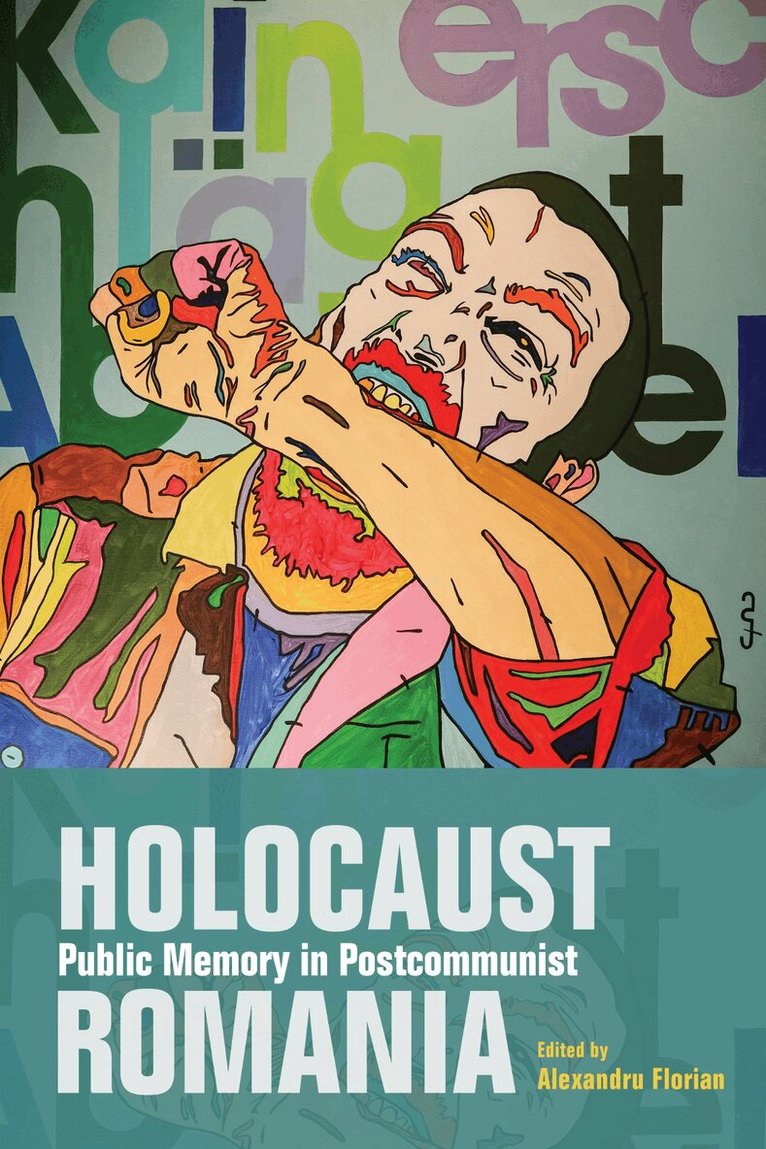
How is the Holocaust remembered in Romania since the fall of communism? Alexandru Florian and an international group of contributors unveil how and why Romania, a place where large segments of the Jewish and Roma populations perished, still fails to address its recent past. These essays focus on the roles of government and public actors that choose to promote, construct, defend, or contest the memory of the Holocaust, as well as the tools—the press, the media, monuments, and commemorations—that create public memory. Coming from a variety of perspectives, these essays provide a compelling view of what memories exist, how they are sustained, how they can be distorted, and how public remembrance of the Holocaust can be encouraged in Romanian society today.
Häftad, Engelska, 2018
386 kr
Skickas inom 5-8 vardagar
How is the Holocaust remembered in Romania since the fall of communism? Alexandru Florian and an international group of contributors unveil how and why Romania, a place where large segments of the Jewish and Roma populations perished, still fails to address its recent past. These essays focus on the roles of government and public actors that choose to promote, construct, defend, or contest the memory of the Holocaust, as well as the tools—the press, the media, monuments, and commemorations—that create public memory. Coming from a variety of perspectives, these essays provide a compelling view of what memories exist, how they are sustained, how they can be distorted, and how public remembrance of the Holocaust can be encouraged in Romanian society today.
E-bok
PDF, Engelska, 201897 kr
Läs direkt efter köp
How is the Holocaust remembered in Romania since the fall of communism? Alexandru Florian and an international group of contributors unveil how and why Romania, a place where large segments of the Jewish and Roma populations perished, still fails to address its recent past. These essays focus on the roles of government and public actors that choose to promote, construct, defend, or contest the memory of the Holocaust, as well as the tools—the press, the media, monuments, and commemorations—that create public memory. Coming from a variety of perspectives, these essays provide a compelling view of what memories exist, how they are sustained, how they can be distorted, and how public remembrance of the Holocaust can be encouraged in Romanian society today.
Inbunden, Engelska, 2025
1 346 kr
Skickas inom 10-15 vardagar
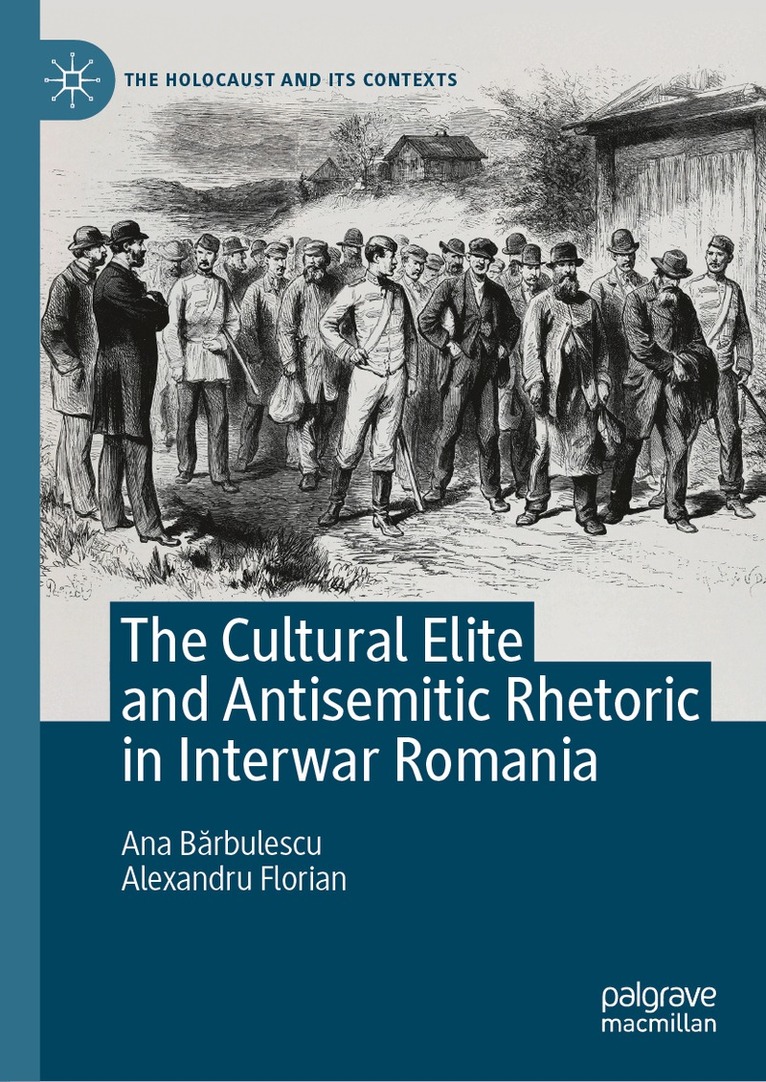
This book offers the first in-depth analysis of the antisemitic rhetoric expressed by the interwar Romanian cultural elite, examining eight public voices of the period (A. C. Cuza, N. Iorga, N. Crainic, N. Ionescu, O. Goga, N. Paulescu, M. Vulcănescu and V. Horia) and discussing their position regarding the Jewish minority. This is done in correlation with the codification of idioms they used to frame identity and the symbolic borders they constructed to define both belongingness and exclusion. What were the diacritical marks used to frame Jewishness and how does this correlate with the identity narrative ascribed to the Romanian people and to the generic Other? As all eight figures were strongly involved in different political projects, the book moves from rhetoric to action, analyzing the political ‘solutions’ they supported in regard to the ‘Jewish problem’. The book argues for both the centrality of such antisemitic rhetoric in interwar Romania and, also its local specificity. It proves that such sentiment was present and widespread among the cultural elite, a fact that explains both the collapse of Romanian democracy near the end of the interwar period and the full participation of the Romanian state in the Holocaust.