Georgy Zhukov was one of the most successful, and controversial, military figures of the twentieth century. It was the rapid offensive of Zhukov's troops in January 1945 through Poland and the cracking of Wehrmacht defenses on the Oder front which enabled Soviet forces to reach Berlin ahead of the Western allies, and so determined the fate of Eastern Europe for decades to follow.Yet Zhukov’s style of warfare was quintessentially the Russian style of warfare. Historically, the Russian army had always been numerous and has relied on manpower more than technology to win its battles. The ‘Russian style’ also meant, above all, undertaking the offensive whenever possible and always aiming to take the initiative. Even in desperate situations, when it would be thought that the Russians had been forced onto the defensive, this would be turned around with a sudden offensive move. This is what Zhukov demonstrated at Smolensk and Moscow in 1941 – hitting back at the attackers. Another feature of the ‘Russian style’ is the ability to take the ideas of Western military thought and adapt them to the capabilities of the Russian forces. This was demonstrated by the Red Army’s adoption of Hitler’s ‘blitzkrieg’ with its use of tank armies. This was not a copy; it was an embodiment of the idea reconfigured to Soviet capabilities and vigorously employed by Zhukov.Zhukov’s rise from a poor peasant family to become chief of the Red Army's General Staff is itself a remarkable story. He was also the man who, after the war, built the Soviet army of the nuclear era. He reached such a position of power and popularity, however, that Stalin saw him as a threat and stripped him of most of his commands._Marshal Georgy Zhukov_ is based on numerous now declassified archival documents, which allow a fresh look at the important, pivotal events of the periods immediately before, during, and after the Second World War. The main focus of the book, though, is on the battles and campaigns which turned what appeared to be inevitable defeat in 1941 into the victory which brought Germany to its knees in 1945.
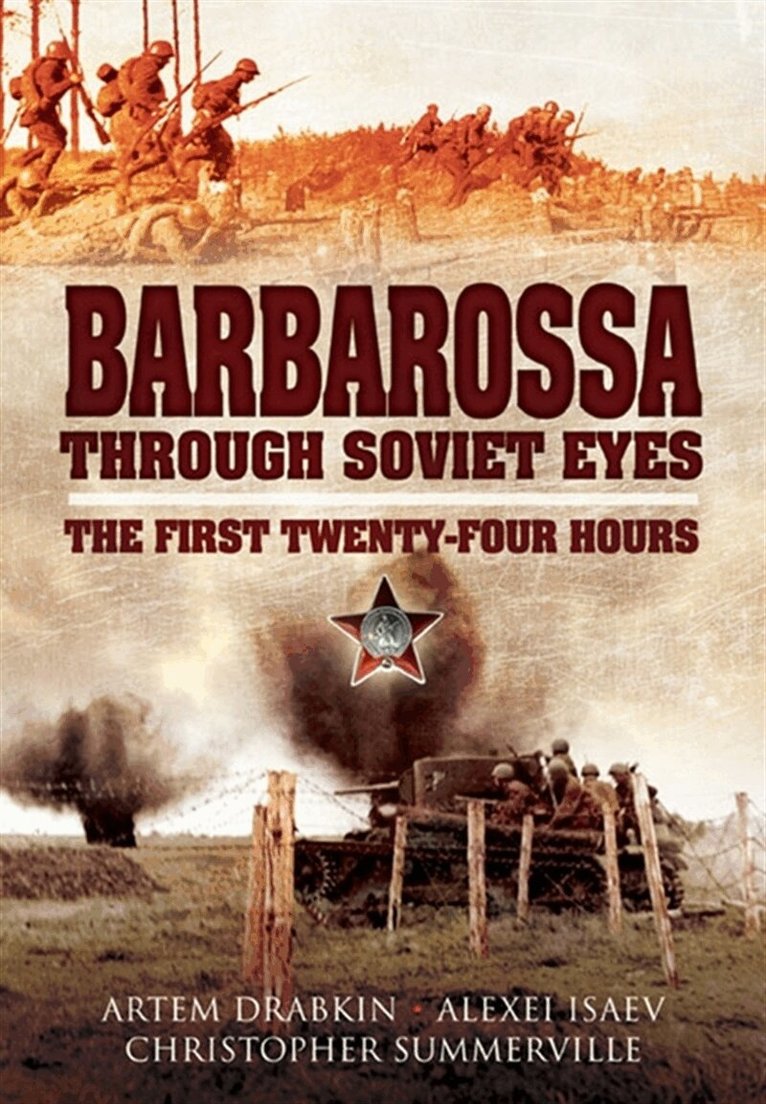
22 June 1941 changed the direction of the Second World War. It also changed the direction of human history. Unleashing a massive, three-pronged assault into Soviet territory, the German army unwittingly created its own nemesis, forging the modern Russian state in the process. Thus, for most Russians, 22 June 1941 was a critical point in their nation's history. After the first day of ‘Barbarossa’ nothing would be the same again – for anyone. Now, for the first time in English, Russians speak of their experiences on that fatal Sunday. Apparently caught off guard by Hitler’s initiative, the Soviets struggled to make sense of a disaster that had seemingly struck from nowhere. Here are generals scrambling to mobilize ill-prepared divisions, pilots defying orders not to grapple with the mighty Luftwaffe, bewildered soldiers showing individual acts of blind courage, and civilians dumbstruck by air raid sirens and radio broadcasts telling of German treachery.
22 June 1941 changed the direction of the Second World War. It also changed the direction of human history. Unleashing a massive, three-pronged assault into Soviet territory, the German army unwittingly created its own nemesis, forging the modern Russian state in the process. Thus, for most Russians, 22 June 1941 was a critical point in their nation's history. After the first day of Barbarossa nothing would be the same again for anyone. Now, for the first time in English, Russians speak of their experiences on that fatal Sunday. Apparently caught off guard by Hitlers initiative, the Soviets struggled to make sense of a disaster that had seemingly struck from nowhere. Here are generals scrambling to mobilize ill-prepared divisions, pilots defying orders not to grapple with the mighty Luftwaffe, bewildered soldiers showing individual acts of blind courage, and civilians dumbstruck by air raid sirens and radio broadcasts telling of German treachery.
Georgy Zhukov was one of the most successful, and controversial, military figures of the twentieth century. It was the rapid offensive of Zhukov's troops in January 1945 through Poland and the cracking of Wehrmacht defenses on the Oder front which enabled Soviet forces to reach Berlin ahead of the Western allies, and so determined the fate of Eastern Europe for decades to follow.Yet Zhukov’s style of warfare was quintessentially the Russian style of warfare. Historically, the Russian army had always been numerous and has relied on manpower more than technology to win its battles. The ‘Russian style’ also meant, above all, undertaking the offensive whenever possible and always aiming to take the initiative. Even in desperate situations, when it would be thought that the Russians had been forced onto the defensive, this would be turned around with a sudden offensive move. This is what Zhukov demonstrated at Smolensk and Moscow in 1941 – hitting back at the attackers. Another feature of the ‘Russian style’ is the ability to take the ideas of Western military thought and adapt them to the capabilities of the Russian forces. This was demonstrated by the Red Army’s adoption of Hitler’s ‘blitzkrieg’ with its use of tank armies. This was not a copy; it was an embodiment of the idea reconfigured to Soviet capabilities and vigorously employed by Zhukov.Zhukov’s rise from a poor peasant family to become chief of the Red Army's General Staff is itself a remarkable story. He was also the man who, after the war, built the Soviet army of the nuclear era. He reached such a position of power and popularity, however, that Stalin saw him as a threat and stripped him of most of his commands._Marshal Georgy Zhukov_ is based on numerous now declassified archival documents, which allow a fresh look at the important, pivotal events of the periods immediately before, during, and after the Second World War. The main focus of the book, though, is on the battles and campaigns which turned what appeared to be inevitable defeat in 1941 into the victory which brought Germany to its knees in 1945.
22 June 1941 changed the direction of the Second World War. It also changed the direction of human history. Unleashing a massive, three-pronged assault into Soviet territory, the German army unwittingly created its own nemesis, forging the modern Russian state in the process. Thus, for most Russians, 22 June 1941 was a critical point in their nation's history. After the first day of ‘Barbarossa’ nothing would be the same again – for anyone. Now, for the first time in English, Russians speak of their experiences on that fatal Sunday. Apparently caught off guard by Hitler’s initiative, the Soviets struggled to make sense of a disaster that had seemingly struck from nowhere. Here are generals scrambling to mobilize ill-prepared divisions, pilots defying orders not to grapple with the mighty Luftwaffe, bewildered soldiers showing individual acts of blind courage, and civilians dumbstruck by air raid sirens and radio broadcasts telling of German treachery.
22 June 1941 changed the direction of the Second World War. It also changed the direction of human history. Unleashing a massive, three-pronged assault into Soviet territory, the German army unwittingly created its own nemesis, forging the modern Russian state in the process. Thus, for most Russians, 22 June 1941 was a critical point in their nation's history. After the first day of Barbarossa nothing would be the same again for anyone. Now, for the first time in English, Russians speak of their experiences on that fatal Sunday. Apparently caught off guard by Hitlers initiative, the Soviets struggled to make sense of a disaster that had seemingly struck from nowhere. Here are generals scrambling to mobilize ill-prepared divisions, pilots defying orders not to grapple with the mighty Luftwaffe, bewildered soldiers showing individual acts of blind courage, and civilians dumbstruck by air raid sirens and radio broadcasts telling of German treachery.