Alexei Konoplev – Författare
Visar alla böcker från författaren Alexei Konoplev. Handla med fri frakt och snabb leverans.
6 produkter
6 produkter
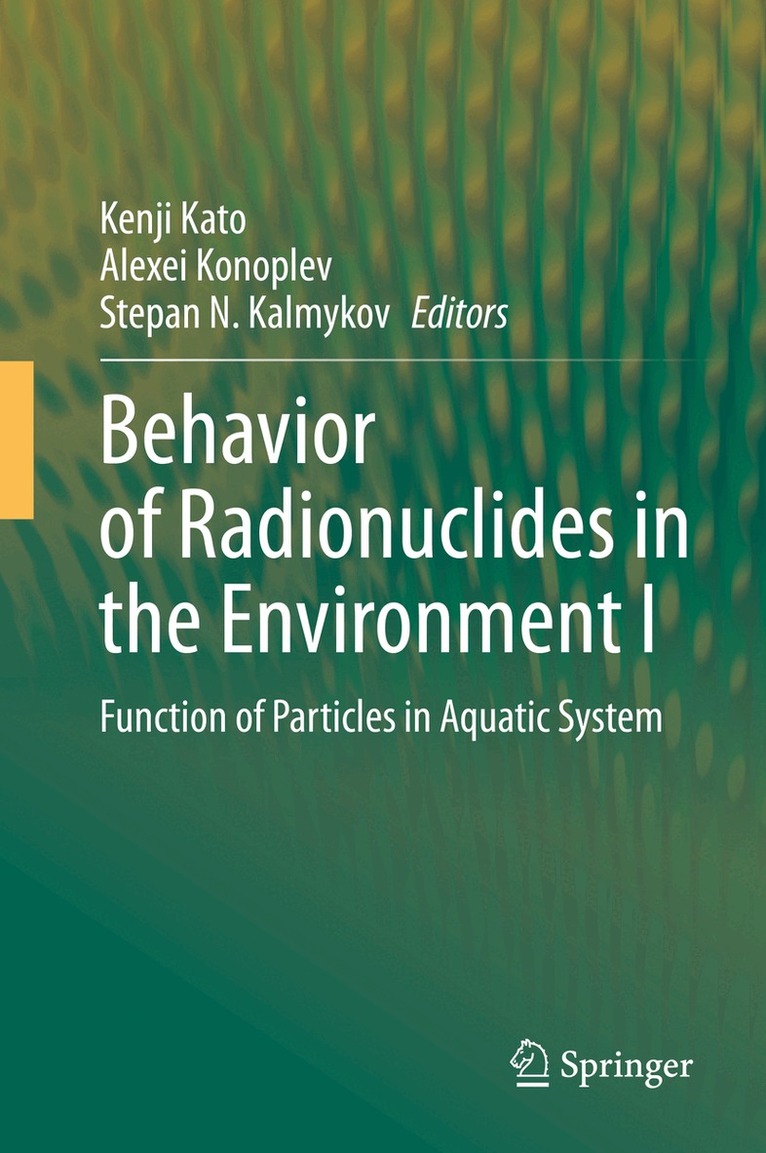
Behavior of Radionuclides in the Environment I
Function of Particles in Aquatic System
Inbunden, Engelska, 2020
1 484 kr
Skickas inom 10-15 vardagar
The 3-volume set highlights the behavior of radionuclides in the environment and focusing on the development of related fields of study, including microbiology and nanoscience. In this context, it discusses the behavior of radionuclides released in areas of Lake Karachai in Ural, and those released as a result of Chernobyl accident (1986), and in Fukushima (2011). Volume I presents the experiences gained in South Urals (“Mayak” plant, Lake Karachai), providing a scientific basis for more precise understanding of the behavior of radionuclides in complex subsurface environments. On the basis of monitoring data, it examines the pathways of radionuclide migration and the influence of the geological environment and groundwater on the migration, with a particular focus on particles from the nanoscale to microscale. It also discusses the function of microbes and microscale particles, from their direct interaction with radionuclides to their ecological role in changing the physic-chemical condition of a given environment. Lastly, the protective properties of geological media are also characterized, and mathematical modeling of contaminant migration in the area of Lake Karachai is used to provide information regarding the migration of radionuclides.
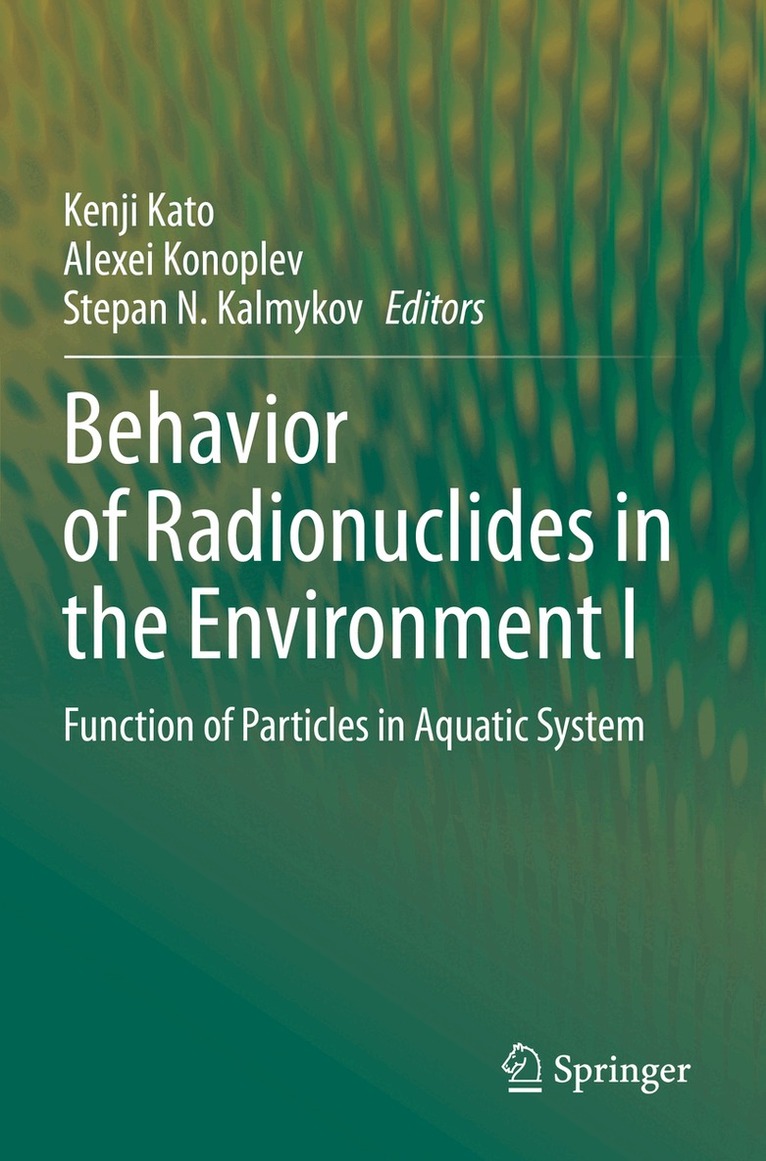
Behavior of Radionuclides in the Environment I
Function of Particles in Aquatic System
Häftad, Engelska, 2021
1 484 kr
Skickas inom 10-15 vardagar
The 3-volume set highlights the behavior of radionuclides in the environment and focusing on the development of related fields of study, including microbiology and nanoscience. In this context, it discusses the behavior of radionuclides released in areas of Lake Karachai in Ural, and those released as a result of Chernobyl accident (1986), and in Fukushima (2011). Volume I presents the experiences gained in South Urals (“Mayak” plant, Lake Karachai), providing a scientific basis for more precise understanding of the behavior of radionuclides in complex subsurface environments. On the basis of monitoring data, it examines the pathways of radionuclide migration and the influence of the geological environment and groundwater on the migration, with a particular focus on particles from the nanoscale to microscale. It also discusses the function of microbes and microscale particles, from their direct interaction with radionuclides to their ecological role in changing the physic-chemical condition of a given environment. Lastly, the protective properties of geological media are also characterized, and mathematical modeling of contaminant migration in the area of Lake Karachai is used to provide information regarding the migration of radionuclides.
1 695 kr
Skickas inom 10-15 vardagar
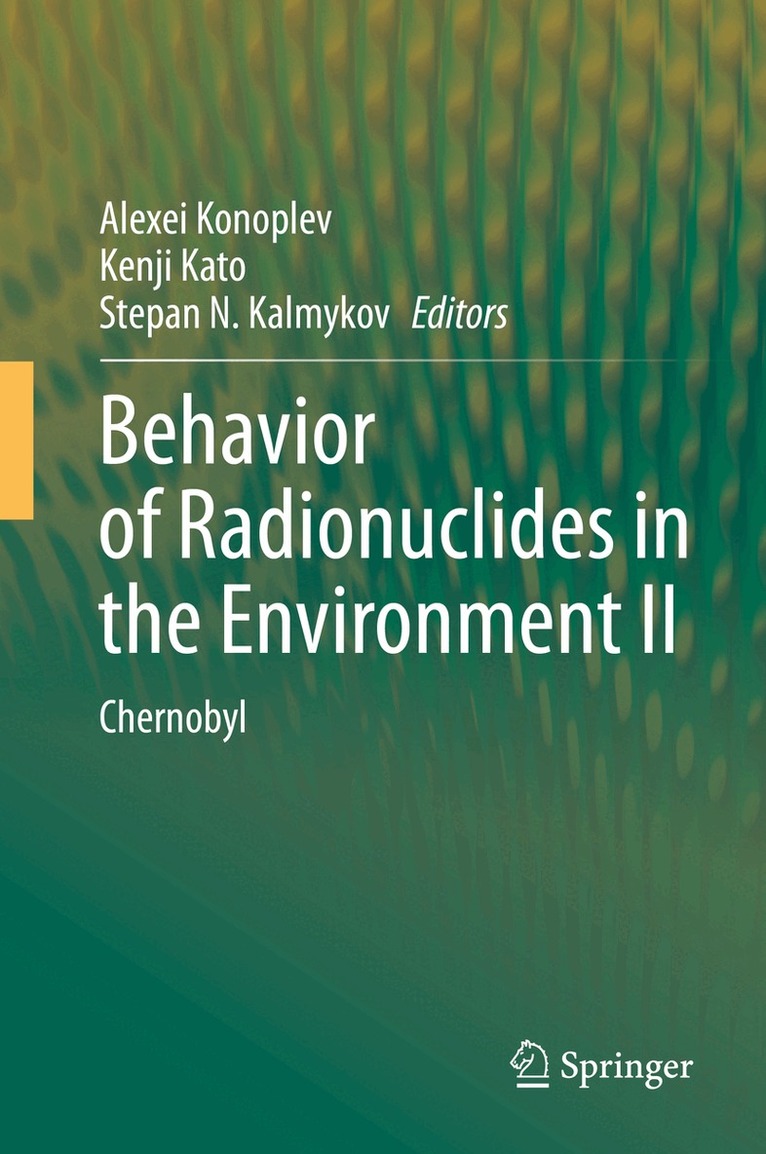
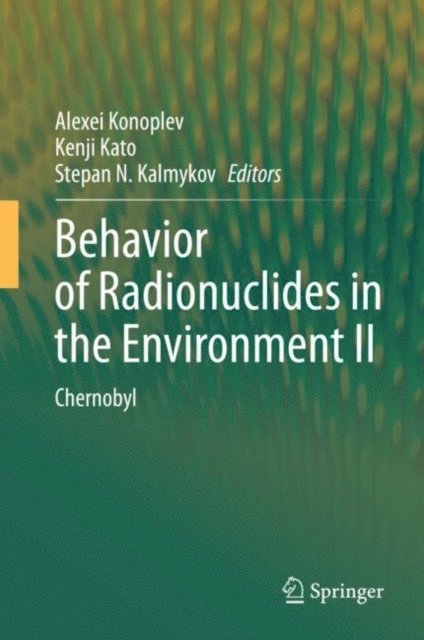
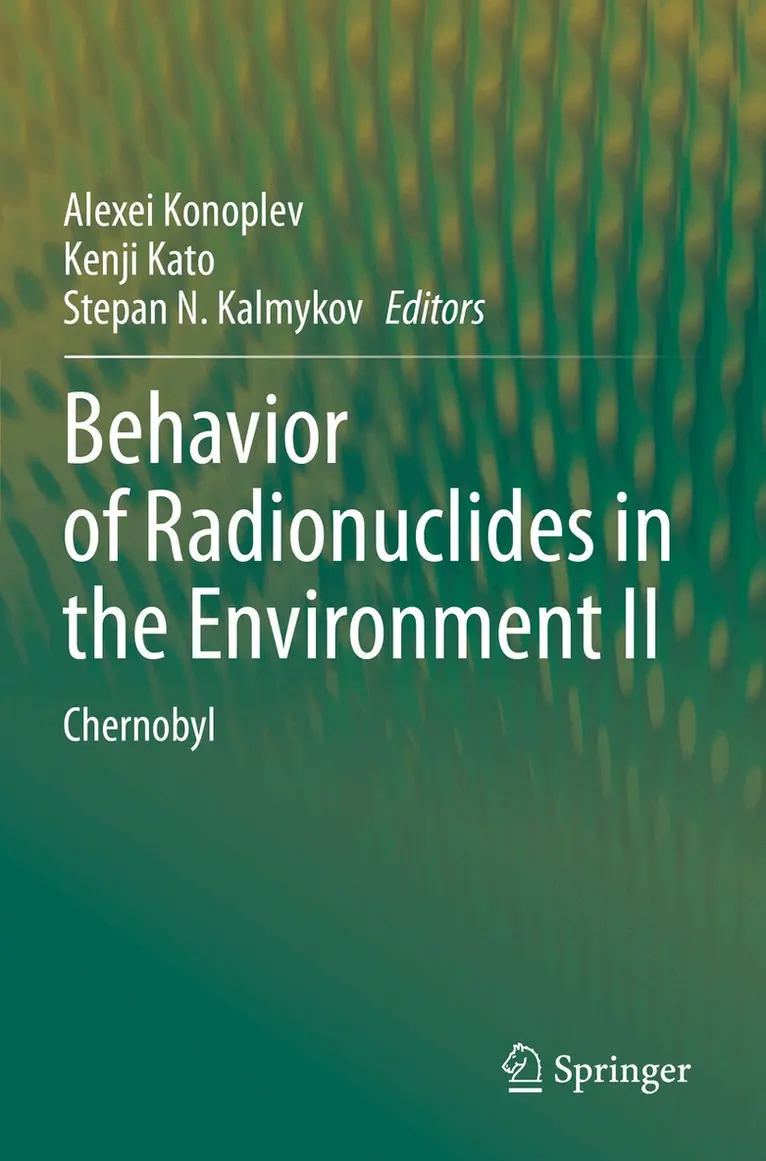
This is Volume II in a three-volume set on the Behavior of Radionuclides in the Environment, focusing on Chernobyl. Now, so many years after the Chernobyl accident, new data is emerging and important new findings are being made. The book reviews major research achievements concerning the behavior of Chernobyl-derived radionuclides, including their air transport and resuspension, mobility and bioavailability in the soil-water environment, vertical and lateral migration in soils and sediments, soil-to-plant and soil-to-animal transfer, and water-to-aqueous biota transfer. The long-term dynamics of radionuclides in aquatic ecosystems are also discussed, in particular, the heavily contaminated cooling pond of the Chernobyl Nuclear Power Plant, which is in the process of being decommissioned.Lessons learned from long-term research on the environmental behavior of radionuclides can help us understand the pathways of environmental contamination, which, in turn, will allow us to improve methods for modeling and predicting the long-term effects of pollution.This book features a wealth of original data and findings, many of which have never been published before, or were not available internationally. The contributing authors are experts from Ukraine, Russia and Belarus with more than 30 years of experience investigating Chernobyl-derived radionuclides in the environment.The content presented here can help to predict the evolution of environmental contamination following a nuclear accident, and specifically the Fukushima Dai-ichi nuclear power plant accident.
1 220 kr
Skickas inom 10-15 vardagar
This is Volume II in a three-volume set on the Behavior of Radionuclides in the Environment, focusing on Chernobyl. Now, so many years after the Chernobyl accident, new data is emerging and important new findings are being made. The book reviews major research achievements concerning the behavior of Chernobyl-derived radionuclides, including their air transport and resuspension, mobility and bioavailability in the soil-water environment, vertical and lateral migration in soils and sediments, soil-to-plant and soil-to-animal transfer, and water-to-aqueous biota transfer. The long-term dynamics of radionuclides in aquatic ecosystems are also discussed, in particular, the heavily contaminated cooling pond of the Chernobyl Nuclear Power Plant, which is in the process of being decommissioned.Lessons learned from long-term research on the environmental behavior of radionuclides can help us understand the pathways of environmental contamination, which, in turn, will allow us to improve methods for modeling and predicting the long-term effects of pollution.This book features a wealth of original data and findings, many of which have never been published before, or were not available internationally. The contributing authors are experts from Ukraine, Russia and Belarus with more than 30 years of experience investigating Chernobyl-derived radionuclides in the environment.The content presented here can help to predict the evolution of environmental contamination following a nuclear accident, and specifically the Fukushima Dai-ichi nuclear power plant accident.
1 589 kr
Skickas inom 10-15 vardagar
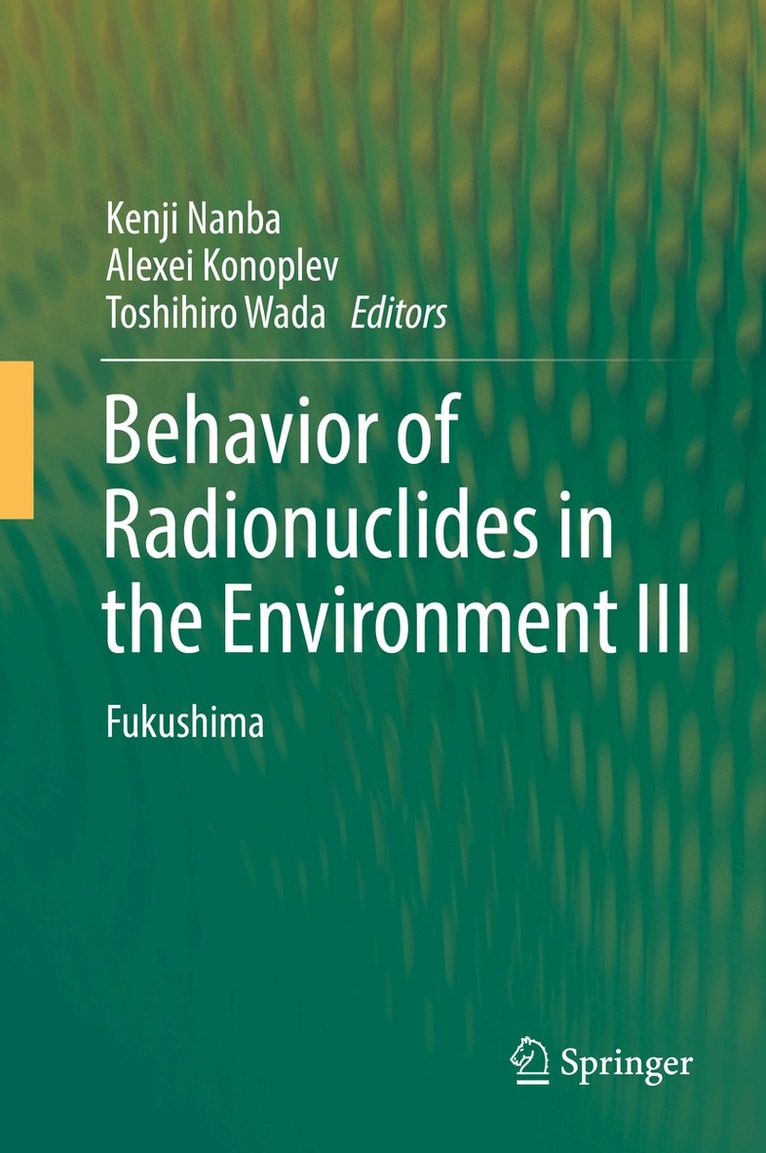
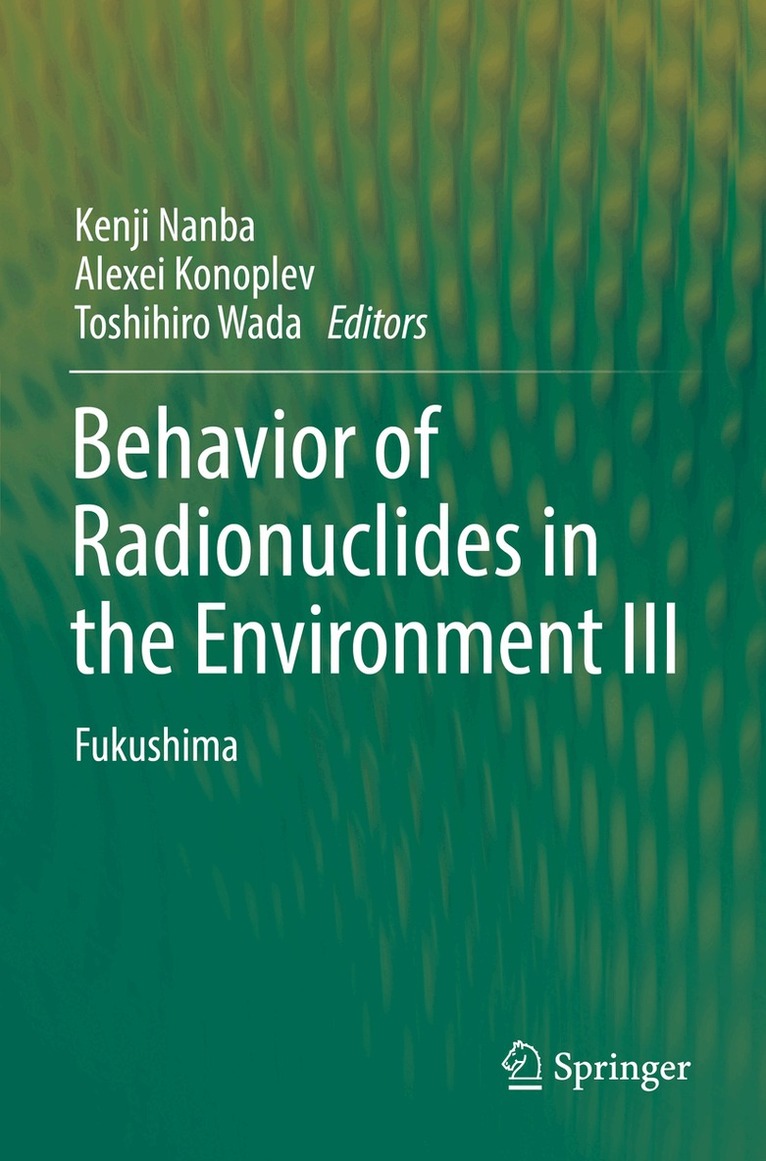
This book, the third in the series Behavior of Radionuclides in the Environment, is dedicated to Fukushima. Major findings from research since 2011 are reviewed concerning the behavior of radionuclides released into the environment due to the Fukushima Dai-ichi Nuclear Power Plant accident, including atmospheric transport and fallout of radionuclides, their fate, and transport in the soil-water environment, behavior in freshwater, coastal and marine environment, transfer in the terrestrial and agricultural environment. Volume III discusses not only radionuclides dynamics in the environment in the short- and mid-term, but also modeling and prediction of long-term time changes.Along with reviews, the book contains original data and results not published previously. It was spearheaded by the authors from the Institute of Environmental Radioactivity at Fukushima University, established two years after the Fukushima accident, with their collaborators fromJapan, Russia, and Ukraine. The knowledge emerging from the studies of the environmental behavior of Fukushima-derived radionuclides enables us to move forward in understanding mechanisms of environmental contamination and leads to better modeling and prediction of long-term pollution effects in general.
1 589 kr
Skickas inom 10-15 vardagar
This book, the third in the series Behavior of Radionuclides in the Environment, is dedicated to Fukushima. Major findings from research since 2011 are reviewed concerning the behavior of radionuclides released into the environment due to the Fukushima Dai-ichi Nuclear Power Plant accident, including atmospheric transport and fallout of radionuclides, their fate, and transport in the soil-water environment, behavior in freshwater, coastal and marine environment, transfer in the terrestrial and agricultural environment. Volume III discusses not only radionuclides dynamics in the environment in the short- and mid-term, but also modeling and prediction of long-term time changes.Along with reviews, the book contains original data and results not published previously. It was spearheaded by the authors from the Institute of Environmental Radioactivity at Fukushima University, established two years after the Fukushima accident, with their collaborators fromJapan, Russia, and Ukraine. The knowledge emerging from the studies of the environmental behavior of Fukushima-derived radionuclides enables us to move forward in understanding mechanisms of environmental contamination and leads to better modeling and prediction of long-term pollution effects in general.