Alexei V. Nesteruk – författare
Visar alla böcker från författaren Alexei V. Nesteruk. Handla med fri frakt och snabb leverans.
10 produkter
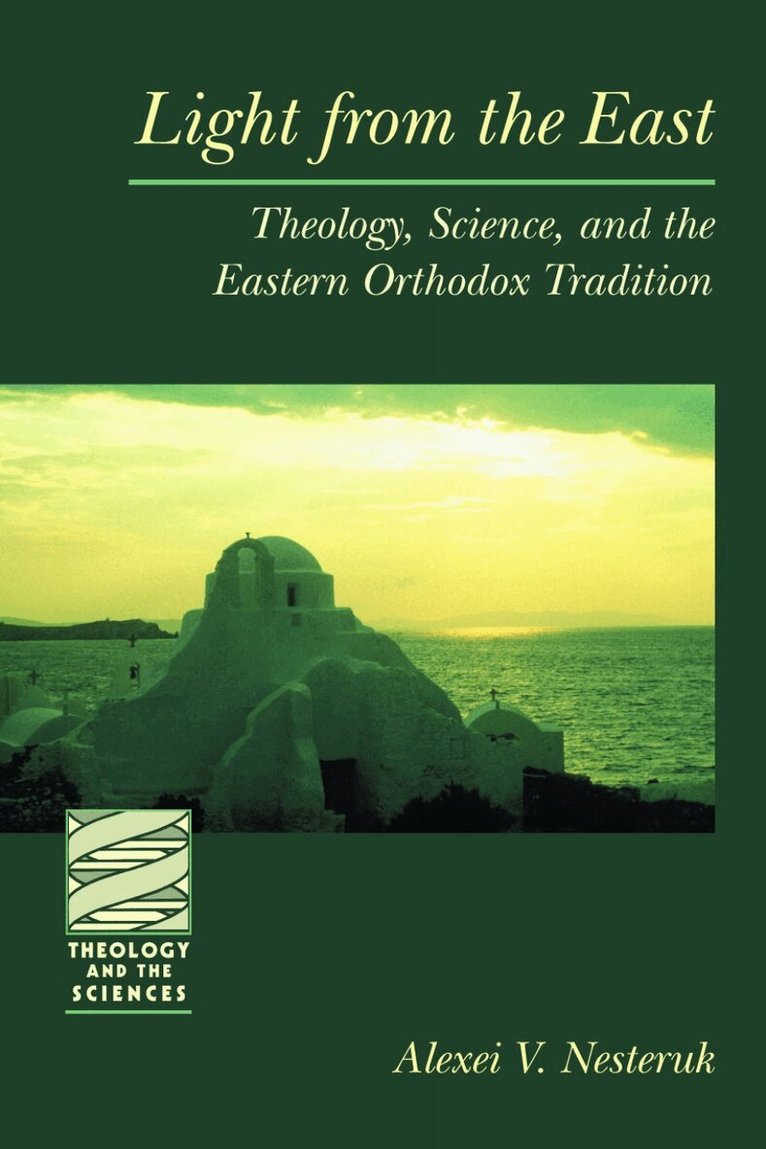
Light from the East
Theology, Science, and the Eastern, Orthodox Tradition
Häftad, 2003
415 kr
Lägg i varukorg
Universe in the Image of Imago Dei
The Dialogue Between Theology and Science as a Hermeneutics of the Human Condition
Häftad, 2022
410 kr
Lägg i varukorg
Universe in the Image of Imago Dei
The Dialogue Between Theology and Science as a Hermeneutics of the Human Condition
Inbunden, 2022
595 kr
Lägg i varukorg
Universe in the Image of Imago Dei
The Dialogue between Theology and Science as a Hermeneutics of the Human Condition
E-bok, 2022
658 kr
Lägg i varukorg
Cosmology, anthropology, and Christology are deeply interrelated. This implies that one cannot talk about the structure of the world without human presence in it, as well as it is impossible to produce any reasonable understanding of humanity without positioning it in the universe. In the same …
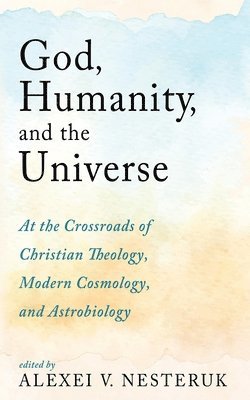
God, Humanity, and the Universe
At the Crossroads of Christian Theology, Modern Cosmology, and Astrobiology
Häftad, 2023
421 kr
Lägg i varukorg
God, Humanity, and the Universe
At the Crossroads of Christian Theology, Modern Cosmology, and Astrobiology
Inbunden, 2023
607 kr
Lägg i varukorg
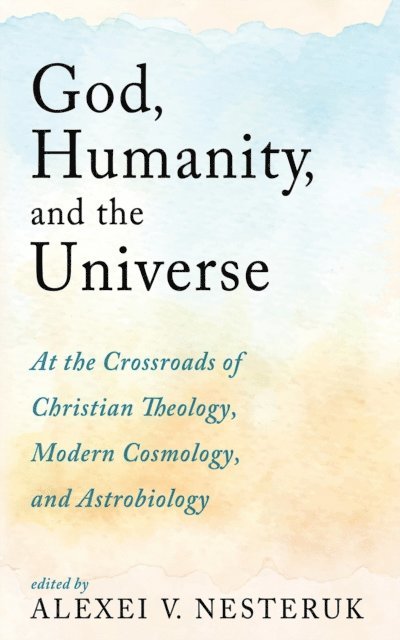
God, Humanity, and the Universe
At the Crossroads of Christian Theology, Modern Cosmology, and Astrobiology
E-bok, 2023
745 kr
Lägg i varukorg
The main objective of this book on cosmology and theology is to reassess the current approach to research in the field of interaction, mediation, and dialogue between modern cosmology and Christian theology (Eastern Orthodox theology in particular). This project was part of wide-ranging …
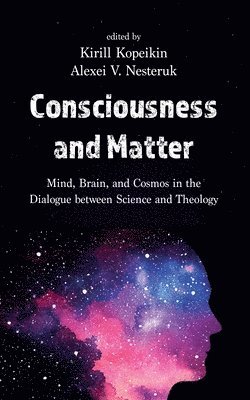
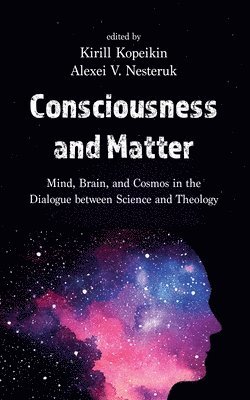
Consciousness and Matter
Mind, Brain, and Cosmos in the Dialogue Between Science and Theology
Av Kirill Kopeikin, Alexei V Nesteruk
Häftad, 2024
340 kr
Lägg i varukorg
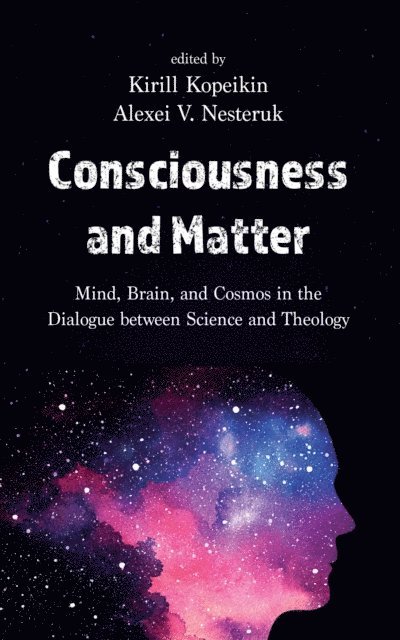
Consciousness and Matter
Mind, Brain, and Cosmos in the Dialogue Between Science and Theology
Av Kirill Kopeikin, Alexei V Nesteruk
Inbunden, 2024
469 kr
Lägg i varukorg
Consciousness and Matter
Mind, Brain, and Cosmos in the Dialogue between Science and Theology
Av Alexei V. Nesteruk, Kirill Kopeikin
E-bok, 2024
606 kr
Lägg i varukorg
This volume represents a collective effort to advance research on the perennial problem of matter and consciousness, body and mind. It contains contributions from the fields of philosophy, psychology, physiology, cosmology, and physics. However, its distinctive emphasis is on the key role of …